


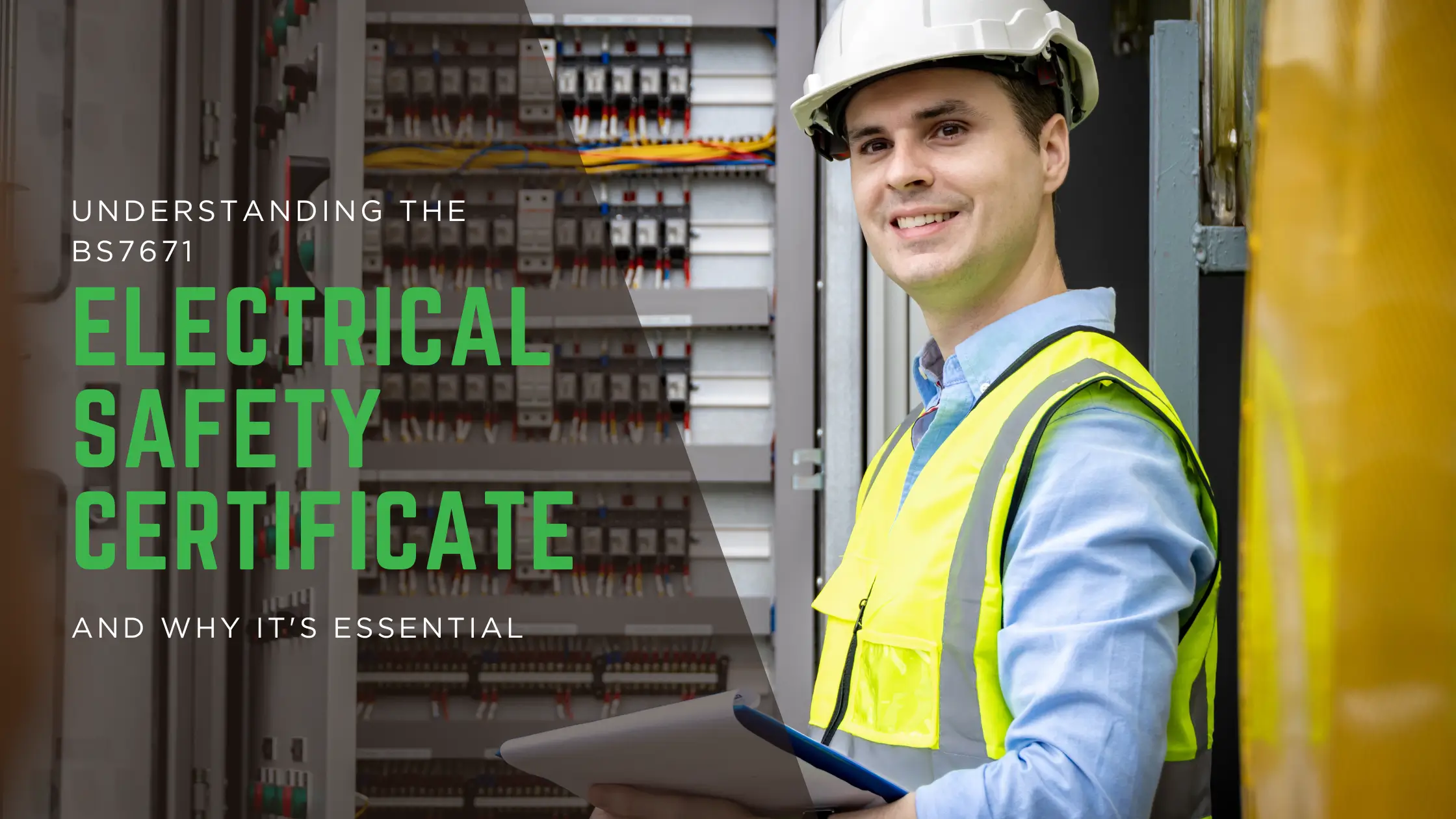
The BS7671 Electrical safety certificate governed by the IET Wiring Regulations, is essential for ensuring the safety and compliance of electrical installations within the UK. This certification confirms that installations have been designed, installed, inspected, and tested according to the high standards dictated by the regulations. As technology and safety practices evolve, the BS 7671 standards are regularly updated, most recently in the 18th Edition, to incorporate new safety features and adapt to technological innovations. Compliance with these standards not only enhances the safety of electrical installations but also considerably reduces risks such as electrical fires and shocks. Understanding the details and implications of these standards offers valuable insights into maintaining a safe and compliant environment.
Key Takeaways
- BS 7671 certification ensures electrical installations meet rigorous safety and compliance standards.
- The certificate is a result of detailed inspections, testing, and verification by qualified electricians.
- It significantly reduces risks of electrical fires and shocks, enhancing safety in homes and workplaces.
- Lack of BS 7671 certification can lead to legal and ethical violations, posing safety hazards.
- Regular updates in the BS 7671 reflect technological advancements and changing safety practices.
Explaining the BS 7671 Electrical Safety Certificate
The BS 7671 Electrical Safety Certificate is a critical document in the UK’s electrical industry, serving as an extensive compliance measure for guaranteeing the safety and integrity of electrical installations. Commonly known as the IET Wiring Regulations, the certificate outlines the standards for electrical installations in the UK and many other countries. Obtaining this certification is essential for electrical contractors to demonstrate that their work complies with the set standards, which cover a variety of areas, including design, installation, inspection, and testing.
The BS 7671 certificate is not a static document but evolves to accommodate new technologies and safety practices. The latest version, often referred to as the 18th Edition, incorporates significant updates that reflect changes in technology and methodologies. This dynamic nature guarantees that the standards remain relevant and continue to promote the highest level of safety in electrical installations.
For an installation to be certified, it must undergo an inspection and testing process conducted by a qualified electrician. This process includes evaluating the installation’s conformity to the regulations concerning protection against electric shock, energy efficiency, and fire hazards. Upon successful completion, the BS 7671 Electrical Safety Certificate is issued, validating that the installation meets all the necessary safety requirements.
The importance of this certification extends beyond mere compliance. It enhances confidence among property owners and users, guaranteeing that the electrical systems are safe, efficient, and capable of performing to the expected standards.
For electricians, it is not just about adhering to regulations but about safeguarding lives and properties against electrical hazards.
How BS 7671 Shapes Electrical Compliance Across the UK
BS 7671 serves as the cornerstone of electrical compliance throughout the UK, setting the benchmark for safety and quality in electrical installations. As the definitive guide for electrical installation standards, the BS 7671 Electrical Safety Certificate, also known as the IET Wiring Regulations, impacts various aspects of the construction and energy sectors. This widespread influence guarantees that electrical work across the country adheres to a uniform standard, promoting safety and efficiency.
Here are key ways in which BS 7671 shapes electrical compliance:
- Regulatory Framework: BS 7671 forms the foundation of the regulatory environment for electrical installations in the UK. Compliance with these regulations is not just best practice; it is often a legal requirement for passing inspections and obtaining necessary approvals from local building control bodies.
- Safety Standards: By dictating strict guidelines on matters such as circuit design, earthing and bonding, BS 7671 minimises risks associated with electrical systems. These standards help prevent accidents like electrical shocks and fires, thereby protecting property and lives.
- Training and Certification: Electricians in the UK must demonstrate their understanding of BS 7671 as part of their qualification process. This guarantees that all professionals are up-to-date with the latest safety practices and technological advancements in electrical installation.
- Technological Adaptation: As technology evolves, BS 7671 is regularly updated to incorporate new safety techniques and address challenges posed by modern electrical equipment and renewable energy systems. This responsiveness helps maintain the relevance and effectiveness of the regulations.
In essence, BS 7671 guarantees that electrical installations across the UK meet a high standard of quality and safety, making it an indispensable element of the industry’s regulatory landscape.
When Does Your Property Need a BS 7671 Electrical Check?
Understanding when your property requires a BS 7671 electrical check is important for maintaining compliance and guaranteeing safety. The BS 7671 Electrical Safety Certificate is the national standard in the United Kingdom for the protection of electrical installations in domestic, commercial, and industrial properties. Regular checks are not only a regulatory requirement but also a significant measure to prevent electrical accidents.
For homeowners, a BS 7671 electrical inspection is generally advised every five years. However, if you are planning to sell your property or if you are a landlord, the frequency increases. Landlords are required to have a BS 7671 check done every five years or upon a change in tenancy. This guarantees that the electrical system does not pose any hazards to new occupants and is in line with current safety standards.
Commercial properties, including offices, shops, and public spaces, should have a more frequent inspection schedule. It is recommended that these premises undergo a BS7671 compliance check every five years. Due to higher usage rates and varying equipment loads, commercial environments face a greater risk of wear and tear on electrical systems, potentially leading to safety hazards.
For industrial sites, the recommended interval is three years for a BS7671 check. Industrial settings typically have complex electrical systems and equipment that require more frequent monitoring to maintain safety and operational reliability.
Understanding the specific requirements for your property type and guaranteeing timely BS7671 checks is not only a legal obligation but a safety practice.
Inside the Inspection: What an Electrical Engineer Actually Looks For
During an inspection, an electrical engineer carefully examines wiring systems, circuit protection, and earthing arrangements to ensure everything meets national safety standards. They look for signs of wear, overloading, or faulty connections that could pose serious risks if left unaddressed.
The BS7671 Electrical Safety Certificate plays a key role in this process, as it confirms that all electrical installations have been tested and comply with the latest regulations. By following BS7671 guidelines, engineers help prevent electrical faults, protect property, and ensure a safe environment for both employees and residents.

Step-by-step overview of a standard inspection
What exactly does an electrical engineer assess during a standard inspection? During a thorough evaluation, the engineer focuses on several vital aspects to guarantee the electrical installations meet the BS7671 standards for safety and functionality.
Here’s a step-by-step overview of what they typically examine:
- Visual Inspection: The engineer begins by visually inspecting all accessible components of the electrical system. This includes checking the condition and suitability of wiring, fixtures, and electrical panels. They look for any signs of wear, damage, or outdated components that might compromise safety.
- Circuit Testing: Next, they conduct tests on various circuits to verify that they are functioning correctly and safely. This involves measuring voltage, current, and resistance to ensure that circuits are not overloaded and comply with safety regulations.
- Grounding Systems: The integrity and effectiveness of grounding systems are checked. Proper grounding is essential for preventing electrical shocks and guaranteeing that fault currents are safely directed towards the earth.
- Safety Device Assessment: Finally, the inspection includes a thorough check of all safety devices, including circuit breakers and residual current devices (RCDs), to confirm that they operate correctly and will provide protection in case of an electrical fault.
This methodical process helps to identify any potential electrical hazards and guarantees that the installations comply with current electrical standards.
Common problem areas identified during testing
Having examined the step-by-step process of a standard electrical inspection, it’s essential to highlight the common issues that engineers frequently encounter during these evaluations. These problem areas not only pose safety risks but also potentially violate BS7671 regulations, necessitating immediate attention and remedial action.
| Problem Area | Common Issue |
| Overloaded Circuits | Excessive use of extension leads and adaptors. |
| Grounding and Bonding | Inadequate or absent earth bonding in electrical panels. |
| Wiring Condition | Frayed or outdated wiring that risks fires or failures. |
| Circuit Breaker Compatibility | Mismatched circuit breakers that may not trip as needed. |
| Protection Against Moisture | Insufficient sealing against water in areas like kitchens and bathrooms. |
These issues are often identified during the visual inspection and detailed testing phases of the evaluation. Overloaded circuits, for instance, are a common result of modern households using more electronic devices than the wiring was initially designed to accommodate. Grounding problems can lead to serious safety hazards, particularly in older installations. Regular inspections and adherence to BS7671 standards help mitigate these risks, ensuring a safe electrical environment in residential and commercial properties.
Understanding the Core Principles Behind BS7671 Standards
The BS7671 Electrical Safety Certificate standards serve as the cornerstone for guaranteeing electrical safety in wiring installations across the United Kingdom. These extensive guidelines are designed to standardise electrical installations, consequently enhancing safety for both the public and professionals within the industry. By adhering to these standards, practitioners help prevent hazardous incidents that could lead to severe injuries or fatalities.
Understanding the core principles behind BS7671 Electrical Safety Certificate is essential for anyone involved in electrical work, from design to maintenance. The standards are based on several fundamental principles, which can be outlined as follows:
- Safety: This is the primary concern of BS7671. The standards guarantee that all electrical installations are safe from electric shock and fires. This involves proper insulation, grounding, and protection devices like circuit breakers and fuses.
- Reliability: Electrical systems must be reliable to avoid unexpected failures that could cause inconvenience or danger. BS7671 Electrical Safety Certificate includes guidelines for system design and component selection that enhance the reliability of electrical installations.
- Compatibility: Installations must be compatible with the characteristics of other systems and the environment in which they operate. This involves considering aspects like voltage levels and the capacity of existing electrical infrastructure.
- Efficiency: Ensuring electrical installations are energy efficient is not only economically beneficial but also reduces environmental impact. BS7671 encourages the use of modern technologies and practices that improve the efficiency of electrical systems.
The Role of Certification in Preventing Electrical Accidents
The BS7671 Electrical Safety Certificate plays an essential role in enhancing electrical safety by ensuring that all installations undergo verified testing.
This rigorous testing process greatly lowers the risks of electrical fires and shocks, safeguarding both property and lives.
Conversely, installations that lack proper certification expose tenants to increased safety hazards, violating both legal and ethical standards.
How verified testing reduces the chance of fire or shock
By ensuring that electrical installations meet safety standards, verified testing greatly reduces the risks of fire and electric shock. This process is essential in maintaining the integrity and safety of electrical systems in homes and commercial buildings.
The meticulous approach of verified testing involves several key steps:
- Inspection: Detailed examination of the electrical system to identify any existing issues or potential hazards.
- Testing: Performance of various tests to evaluate the operational efficiency and safety of electrical components and systems.
- Compliance Check: Ensuring all electrical installations align with current safety standards and regulations as outlined in BS7671 Electrical Safety Certificate.
- Documentation: Issuance of a safety certificate that confirms the electrical installations have been tested and meet all the necessary safety criteria.
This thorough process helps in pinpointing any deviations from safety norms, which can be corrected before they lead to serious issues.
The role of certification is therefore essential not only in preventing potential electrical accidents but also in enhancing the overall safety and reliability of electrical installations.
As a result, property owners and occupants can enjoy a safer living and working environment, with a significant reduction in electrical risks.
Why uncertified installations put tenants at risk
Uncertified electrical installations greatly increase the risk of accidents, exposing tenants to potential hazards such as fires and electric shocks. When electrical systems are not verified against BS7671 Electrical Safety Certificate standards, critical failures may go unnoticed until they culminate in serious incidents. The absence of certification implies that the installations have not been subjected to rigorous testing and may not comply with the current safety regulations, which are designed to safeguard occupants.
The BS7671 Electrical Safety Certificate acts as a preventive measure, guaranteeing that all components of the electrical system function correctly and are safe for use. To illustrate, consider the following table, which compares certified versus uncertified installations:
| Aspect | Certified Installation | Uncertified Installation |
| Safety Checks | Thorough testing against standards | Often incomplete or not performed |
| Compliance | Meets current regulations | Likely outdated or non-compliant |
| Risk of Accidents | Substantially reduced | Elevated risk |
The role of certification in preventing electrical accidents cannot be overstated. It not only guarantees that the electrical installations are up to date with the latest safety norms but also instils a sense of security among tenants, knowing that their living environment adheres to safety criteria.
Landlord Electrical Duties Under the BS7671 Framework
Under the BS 7671 Electrical Safety Certificate standard framework, landlords have specific legal obligations to guarantee the electrical safety of their rented properties.
Compliance with these standards not only protects tenants but also shields property owners from potential legal penalties.
Landlords need to understand and implement the necessary measures to meet these requirements effectively. Learn more about why electrical safety certificates matter for UK landlords.
Legal expectations for rented properties
Landlords bear a significant responsibility to guarantee that all electrical installations in rented properties meet the stringent requirements set out in the BS7671 regulatory framework for rented sectors. This set of regulations is essential to ensure the safety and welfare of tenants by maintaining high standards of electrical safety. Compliance with these standards is not just a recommendation, but a legal requirement that plays a pivotal role in the operational duties of a landlord.
Here are key aspects that landlords need to reflect on under the BS7671 regulations:
- Regular Inspections: Electrical systems in rented properties must be inspected and tested by a qualified electrician at regular intervals to verify they continue to meet safety standards.
- Issue of Certificates: Following inspection, a BS7671 compliance certificate should be issued, which confirms that the electrical installations adhere to current safety norms.
- Addressing Faults: Any faults identified during inspections must be promptly and adequately rectified to comply with the BS7671 Electrical Safety Certificate standards.
- Documentation: Landlords should maintain accurate records of all electrical inspections, certificates, and remedial works carried out in the property.
Adhering to these guidelines not only guarantees legal compliance but also secures the safety of tenants and the integrity of the property.
How to stay compliant and avoid penalties
Guaranteeing compliance with the BS7671 regulations is essential for landlords to avoid legal penalties and maintain the safety of their rental properties. Adherence to these standards not only ensures that electrical installations are safe and efficient but also upholds the integrity of the property’s electrical infrastructure.
To assist landlords in understanding their responsibilities, the following table outlines key compliance actions and their purposes:
| Compliance Action | Purpose |
| Regular Electrical Inspections | To identify and rectify potential electrical hazards. |
| Installation of RCDs | To prevent electrical shock and fire hazards. |
| Maintaining Up-to-Date Records | To provide proof of compliance and facilitate audits. |
| Immediate Repair of Faulty Equipment | To guarantee tenant safety and compliance with safety codes. |
Landlords must schedule periodic inspections by qualified electricians who are familiar with BS7671 standards. These inspections must be documented thoroughly, with all records kept for at least five years as proof of diligence and compliance. Immediate attention to any identified issues is critical to avoid penalties under the BS7671 Electrical Safety Certificate standards framework, thereby guaranteeing a safe living environment for tenants and protecting the landlord’s investment.
Modern Technology and Its Impact on BS7671 Requirements
Modern technology greatly reshapes the landscape of electrical standards, compelling updates to the BS7671 Requirements for Electrical Installations. As advancements in electrical equipment and smart technology continue to evolve, there is a critical need to guarantee that installations are safe, efficient, and capable of handling modern demands.
This shift not only enhances safety but also integrates with broader smart grid and energy-efficient systems.
The impact of modern technology on BS 7671 can be outlined in the following points:
- Integration of Renewable Technologies: The rise of renewable energy solutions like solar panels and wind turbines necessitates amendments in the BS7671 to address issues such as energy storage and back feeding to the grid.
- Smart Homes and Automation Systems: As homes become smarter, electrical installations must support automated systems for lighting, heating, and security that require a continuous power supply and often complex wiring configurations.
- Electric Vehicles (EVs): The increasing adoption of EVs calls for new regulations regarding the installation of EV charging stations, which must comply with safety standards to handle high currents and connectivity to smart grids.
- Enhanced Safety Protocols: Modern electrical devices and components often have higher power requirements and sensitivity, prompting updates in safety measures to protect against overloads, short circuits, and electrical fires.

Documentation Every Landlord Should Keep After Inspection
After an electrical inspection, it is important for you as a landlord to maintain a thorough set of documents to guarantee compliance with both legal requirements and safety standards.
These documents not only confirm that the electrical systems in your properties are safe and up to code but also serve as proof of your diligence in maintaining safety standards, which can be essential in the event of legal scrutiny or insurance claims.
The primary document you should retain is the Electrical Installation Condition Report (EICR). This report outlines the condition of the electrical systems and any defects found that could lead to safety hazards.
It’s important to keep both the original report and any subsequent re-inspections.
Additionally, retain any detailed records of work carried out as recommended by the EICR, including dates, descriptions of the work, and identities of the executing electricians.
These documents serve as a follow-up to the initial inspection report and show a commitment to rectifying issues promptly.
Copies of invoices and receipts related to the inspection and any corrective actions taken should also be kept.
These financial documents are essential for tax purposes and can be valuable in the event of a dispute regarding the scope or quality of the work performed.
Finally, it is advisable to maintain a log of all communications related to the electrical systems.
This could include emails and correspondence with tenants, electricians, and insurance companies, providing a detailed trail of your proactive management of electrical safety.
Understanding Risk Levels and Fault Categories in Your Report
What will the EICR report show:
While reviewing your Electrical Installation Condition Report (EICR), it is necessary to understand the risk levels and fault categories indicated, as these will guide your subsequent actions.
The EICR identifies any deficiencies within the electrical installation and categorises them to help prioritise remedial work. Understanding these classifications not only guarantees compliance with safety standards but also enhances the security and functionality of your property.
Here are the key categories you should be aware of:
- C1 – Danger Present: This category indicates an immediate threat to safety. The inspector has identified a condition that either poses a risk of injury or an immediate fire risk. Immediate action is required to remove the danger.
- C2 – Potentially Dangerous: This is assigned when a risk is identified that could become a danger in the future. Urgent remedial action is necessary to prevent the potential danger from becoming a real and immediate threat.
- C3 – Improvement Recommended: This classification suggests that while the installation is not in direct violation of the BS7671 standards, improvements would enhance safety or compliance. Although it’s not urgent, it should be addressed to ensure ongoing safety and efficiency.
- FI – Further Investigation Required: If an issue cannot be fully diagnosed at the time of inspection, this code is used. It indicates that further investigation is necessary, typically within a specified time frame, to ascertain the full extent of the potential risk.
Understanding these risk levels and fault categories in your EICR is vital for maintaining electrical safety and compliance.
Regular review and timely action on these recommendations can greatly mitigate risks associated with your electrical installations.
Frequently Asked Questions
Can DIY Electrical Work Comply With BS7671 Standards?
DIY electrical work can comply with BS7671 standards if executed with thorough knowledge, precision, and adherence to the regulations. However, professional certification is recommended to guarantee safety and compliance.
What Are the Penalties for Non-Compliance With BS7671?
Non-compliance with BS7671 can result in severe penalties, including fines and mandatory corrective actions. Persistent violations may result in legal action, potentially leading to prohibition notices or prosecution under electrical safety laws.
How Often Is the BS 7671 Standard Updated?
The BS7671 standard is typically updated every three years to reflect new technologies, practices, and safety requirements, ensuring that electrical installations comply with the latest standards for efficiency and hazard prevention.
Who Can Legally Issue a BS7671 Electrical Safety Certificate?
Only qualified electricians who are registered with an accredited certification body can legally issue a BS7671 Electrical Safety Certificate. This guarantees adherence to national safety standards and verifies the electrical installation’s compliance.
Are BS 7671 Inspections Required for New Construction Only?
BS7671 inspections are mandated for both new constructions and existing installations, ensuring compliance with current safety standards during modifications, extensions, or periodic reviews to maintain electrical safety and integrity.
Conclusion
To summarise, the BS7671 Electrical Safety Certificate represents a crucial component in ensuring electrical safety and compliance within the UK. Adherence to these standards helps mitigate risks, enhances property safety, and upholds legal responsibilities, particularly for landlords. Regular inspections, guided by BS7671, are essential in identifying potential electrical hazards and maintaining the integrity of electrical systems. Ultimately, this framework is indispensable for safeguarding occupants and property from electrical risks.