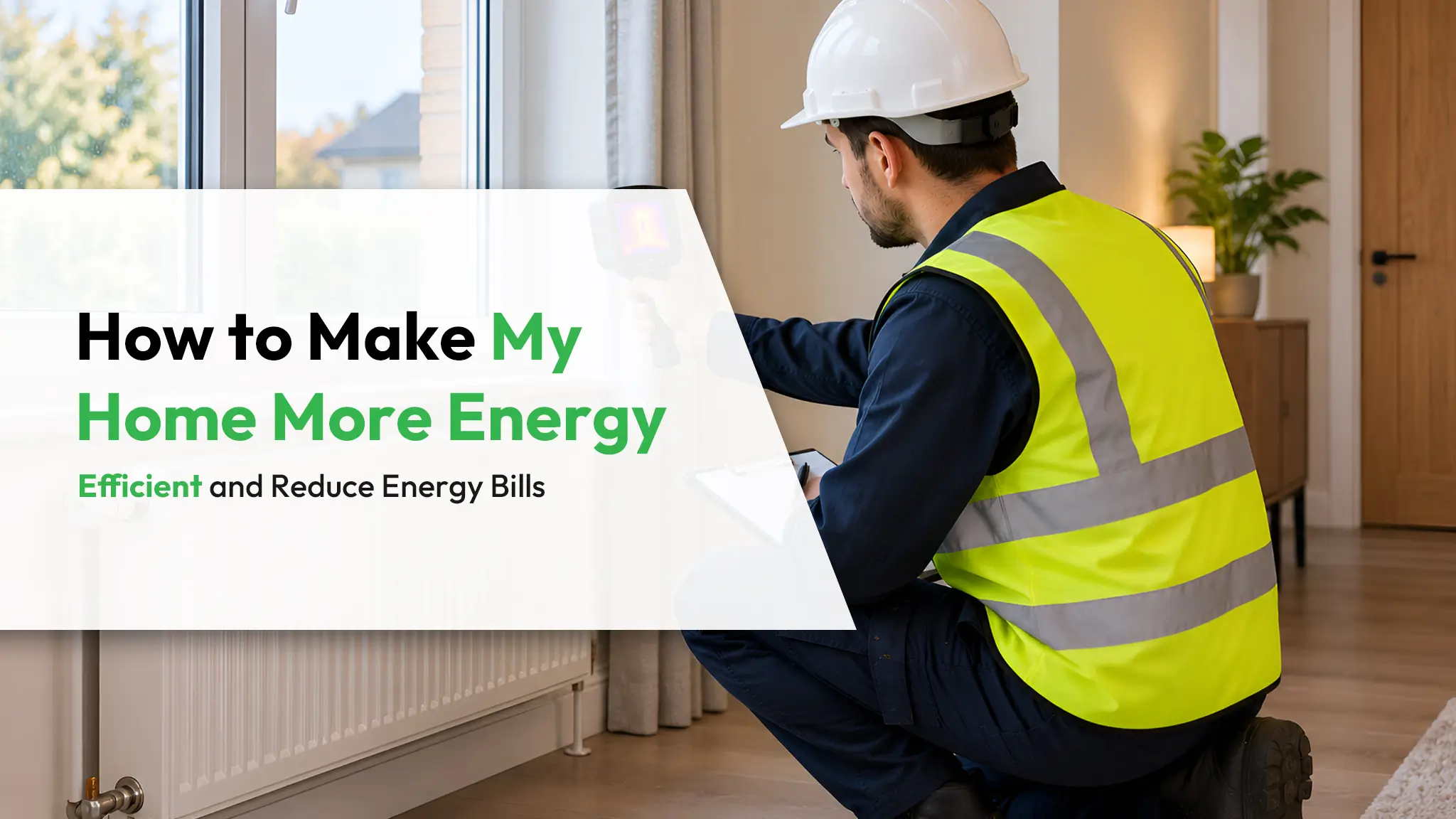
How to Make My Home More Energy Efficient and Reduce Energy Bills
Making a home more energy efficient involves several key steps. Evaluating energy performance identifies areas needing improvement. Upgrading to energy-efficient
Making a home more energy efficient involves several key steps. Evaluating energy performance identifies areas needing improvement. Upgrading to energy-efficient
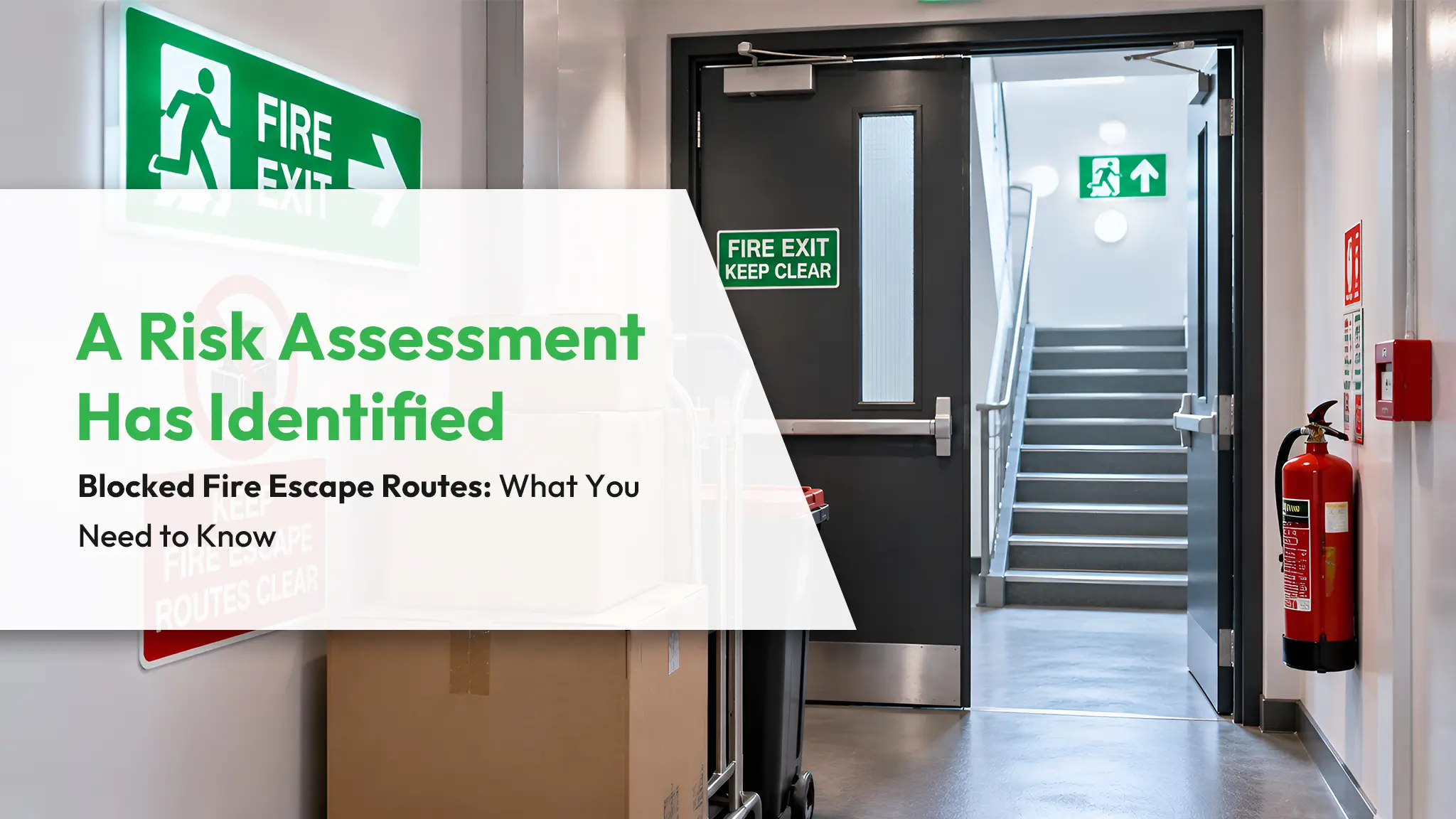
Blocked fire escape routes present serious safety risks and legal liabilities. Obstructions can hinder emergency evacuations, leading to panic and

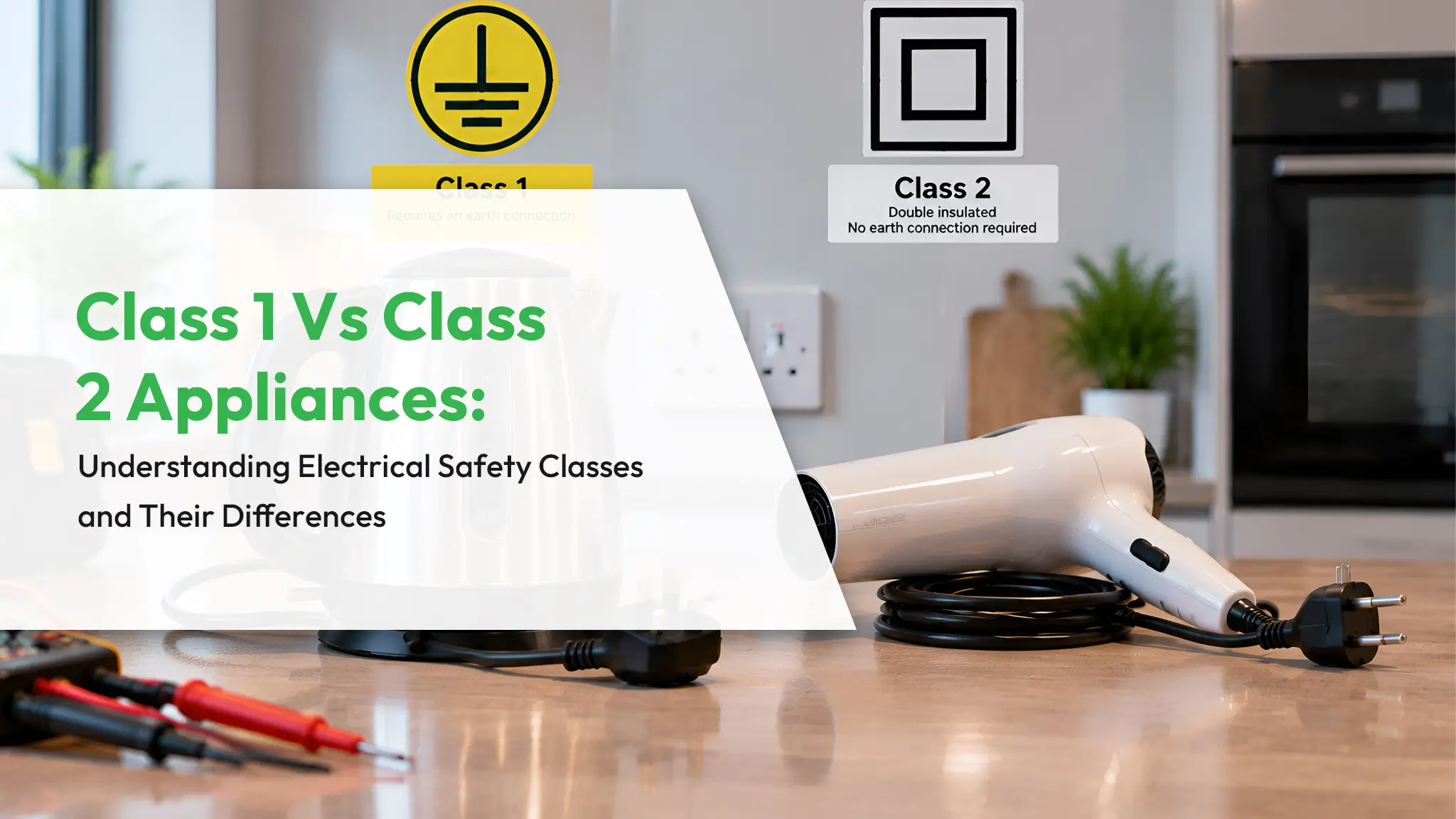
Class 1 and Class 2 appliances vary in safety features and design. Class 1 appliances require grounding, providing enhanced protection

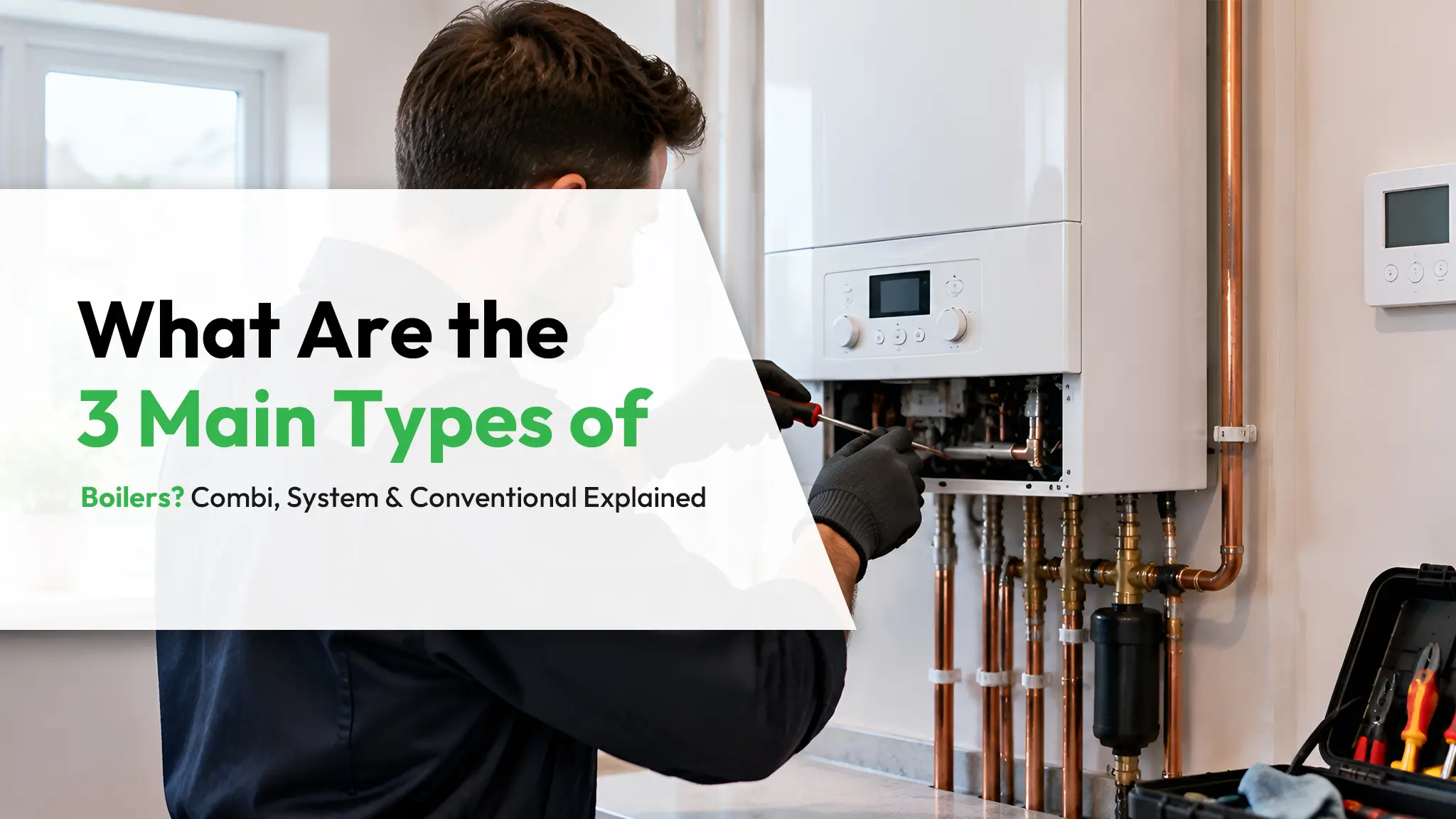
What Are the 3 Main Types of Boilers: The three main types of boilers are combi, system, and conventional. Combi

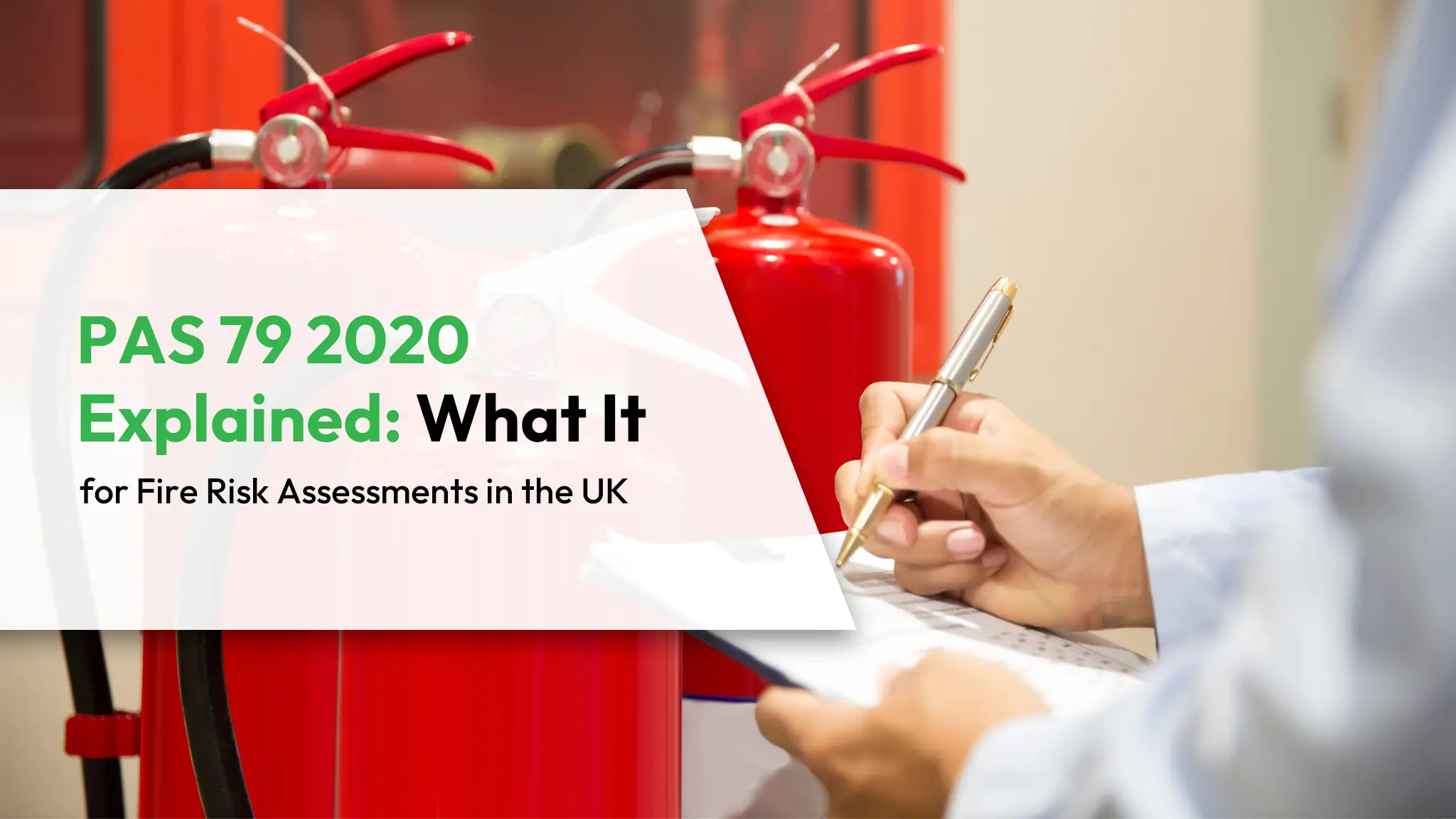
PAS 79:2020 defines a practical UK standard for fire risk assessments, clarifying terms, competence and documentation. It guides assessors and
A battery calculation for fire alarm systems is an essential part of designing a reliable fire detection and alarm installation.

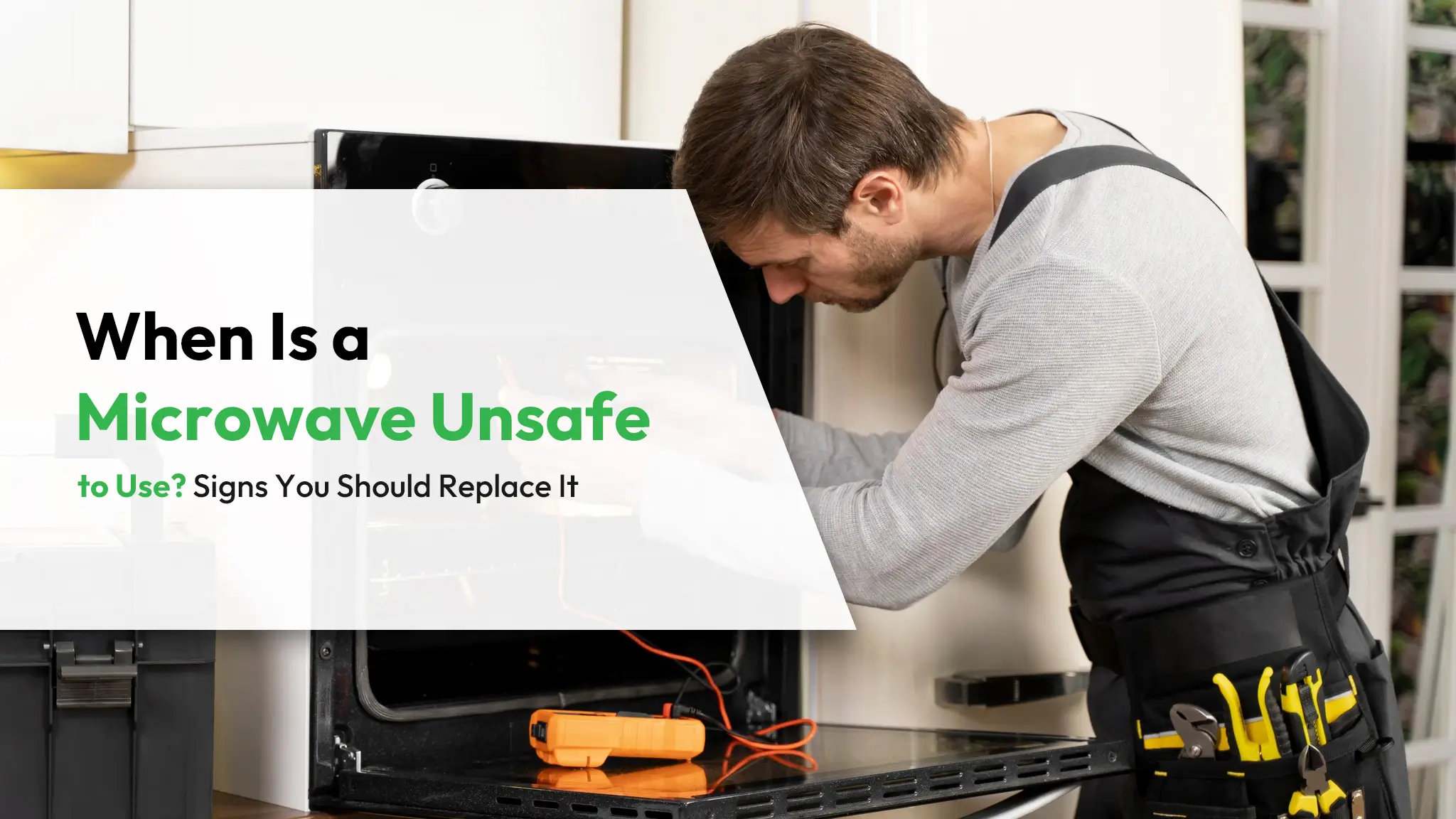
A microwave is unsafe when it shows electrical or structural failures that risk shock, fire, or leakage. Visible door damage,

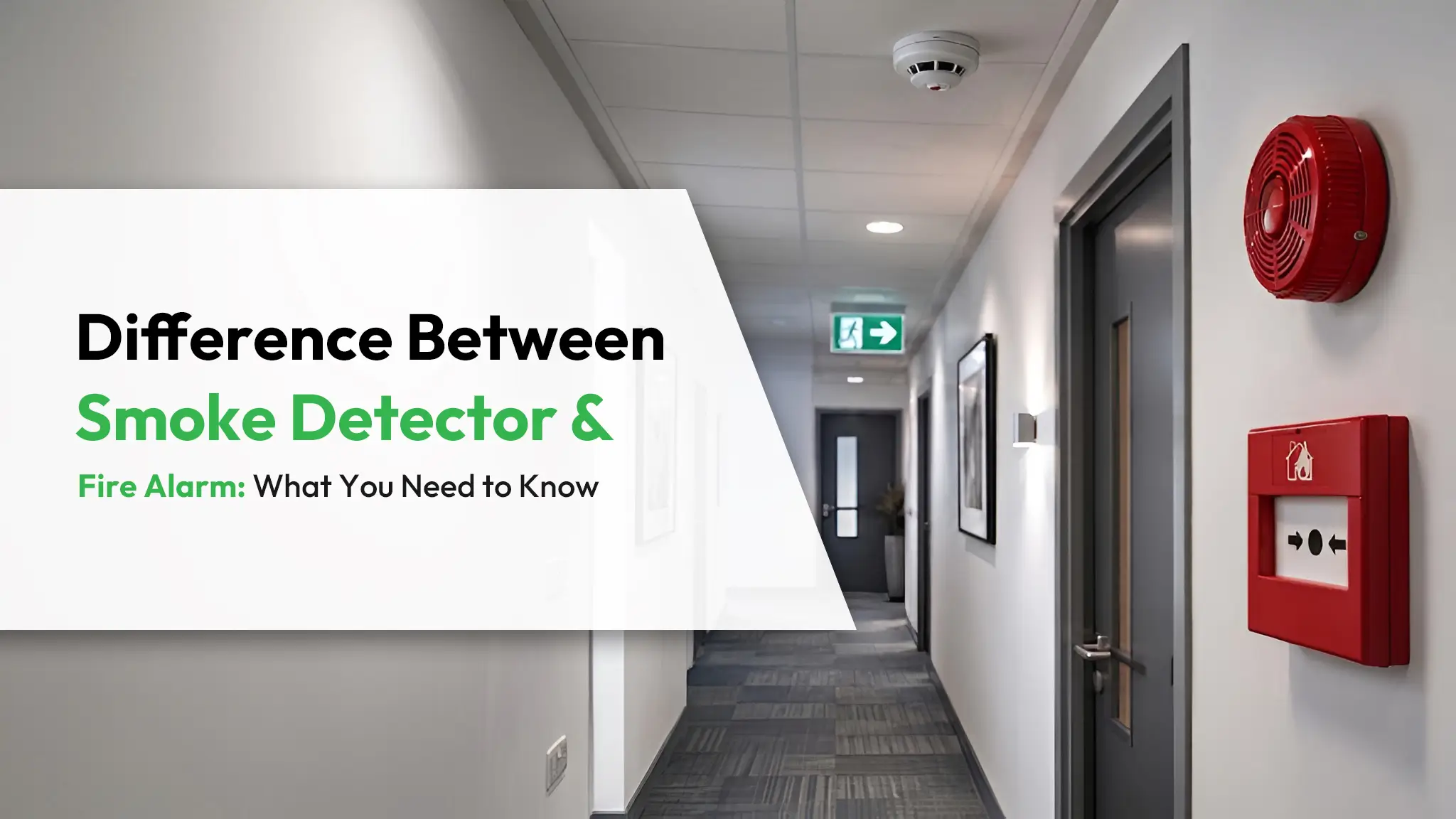
A smoke detector is a standalone sensor that senses smoke or changes in air quality and sounds a local alert;

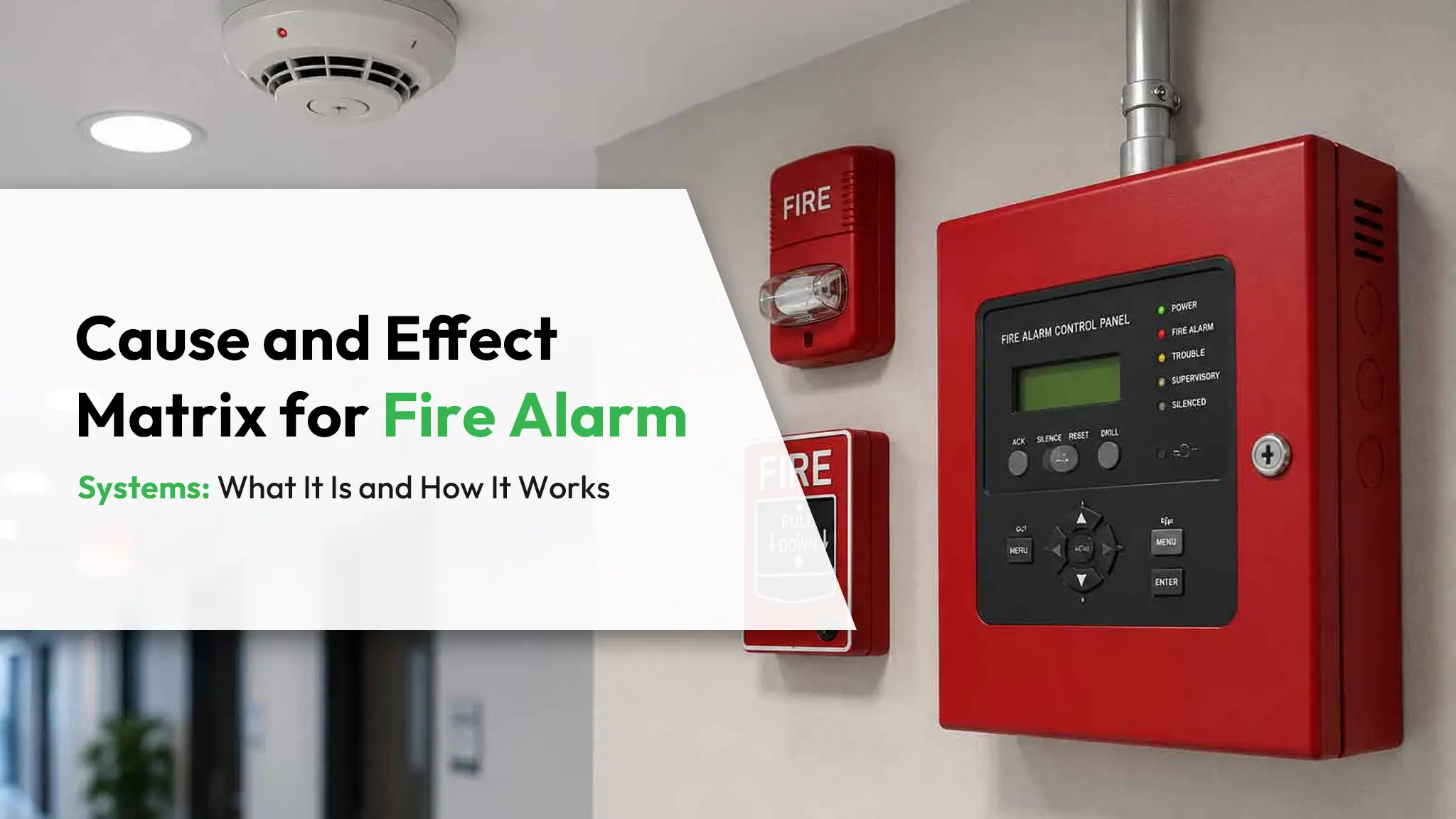
A cause-and-effect matrix for fire alarm systems is a concise, rule-based chart linking detector and manual inputs to required alarms,

The Level 3 Certificate in Fire Risk Assessment trains candidates to identify hazards, assess risks and recommend mitigation for commercial

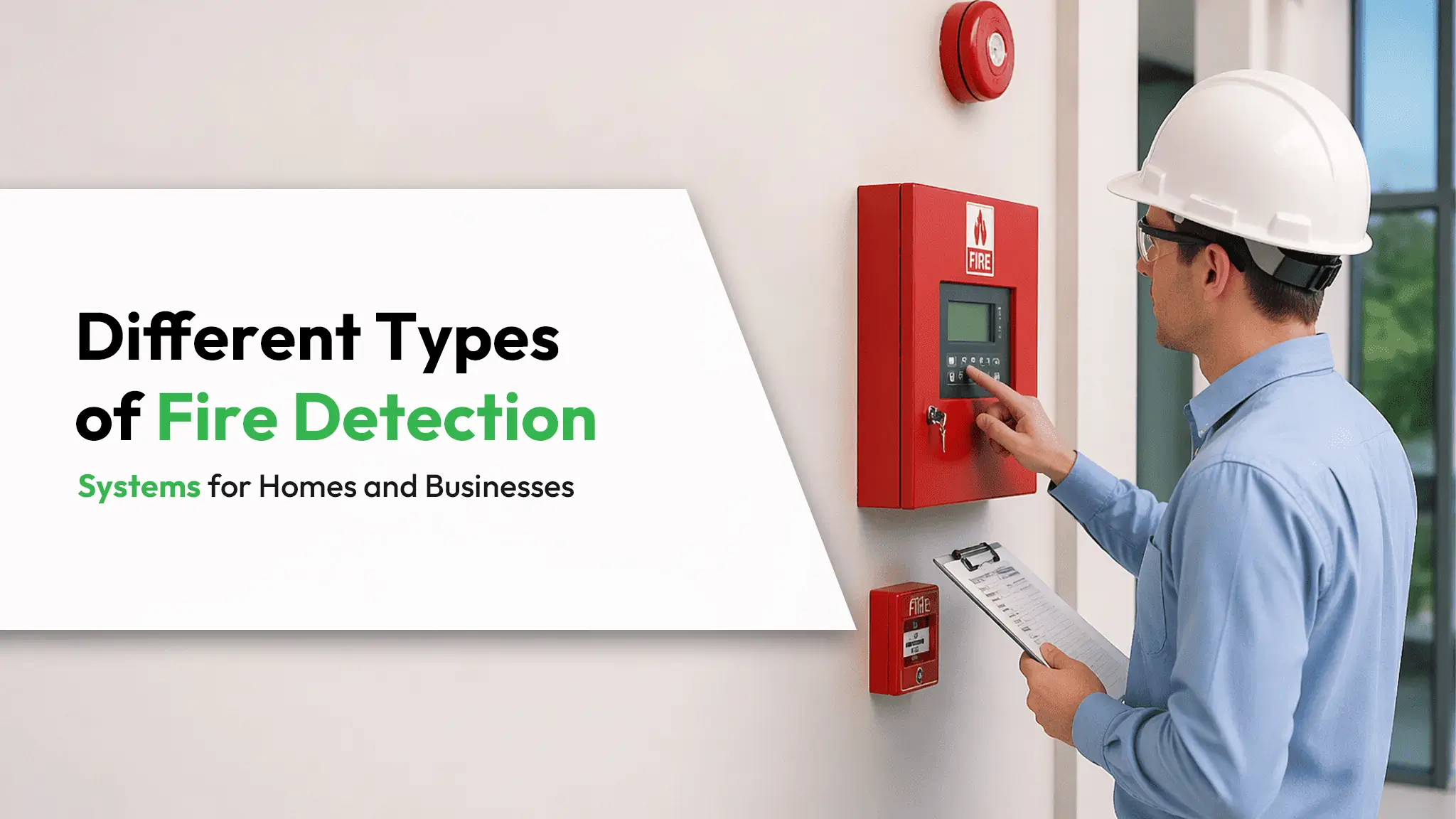
Fire detection systems range from basic smoke alarms to extensive monitored networks. Homes typically use ionisation or photoelectric smoke detectors,

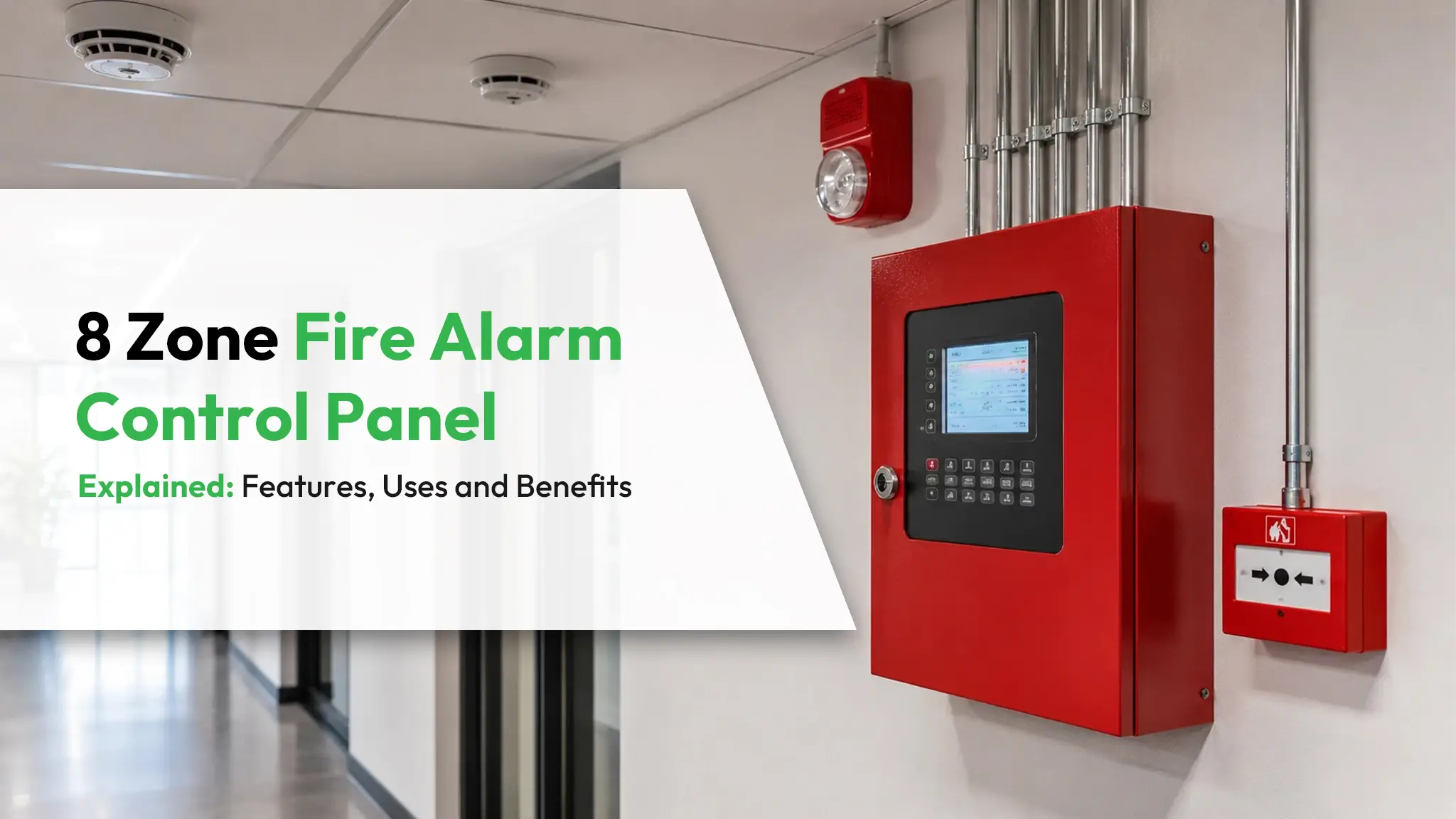
The 8-zone fire alarm control panel is a conventional system that divides a building into separate monitored zones. It links

Residential
Commercial
Residential Certificates
Commercial Certificates
Residential
Commercial
Residential
Commercial