


In London, landlords are mandated by the Electrical Safety Standards in the Private Rented Sector (England) Regulations 2020 to guarantee that electrical inspections are carried out every five years. These examinations must also be conducted upon a change of tenancy. Landlords are accountable for rectifying any detected faults swiftly to prevent electrical hazards and must provide tenants with the inspection reports within 28 days of completion. Non-compliance could lead to severe penalties, including fines up to £30,000. Protecting tenant safety and maintaining property integrity are central to these regulations. Further exploration of the 5-year electrical test legal requirement will uncover the thorough implications of these standards for landlords.
Key Takeaways
- Landlords must ensure rental properties undergo electrical inspections every five years as mandated by the 2020 Regulations.
- Inspections are also required upon tenant changeover to maintain continuous safety compliance.
- Failure to comply can lead to penalties, including fines up to £30,000 and property rent restrictions.
- An Electrical Installation Condition Report (EICR) must be provided to tenants within 28 days of the inspection.
- Landlords should hire certified electricians for inspections and promptly address any electrical faults identified.
Understanding the 5 Year Electrical Test Legal Requirement in London
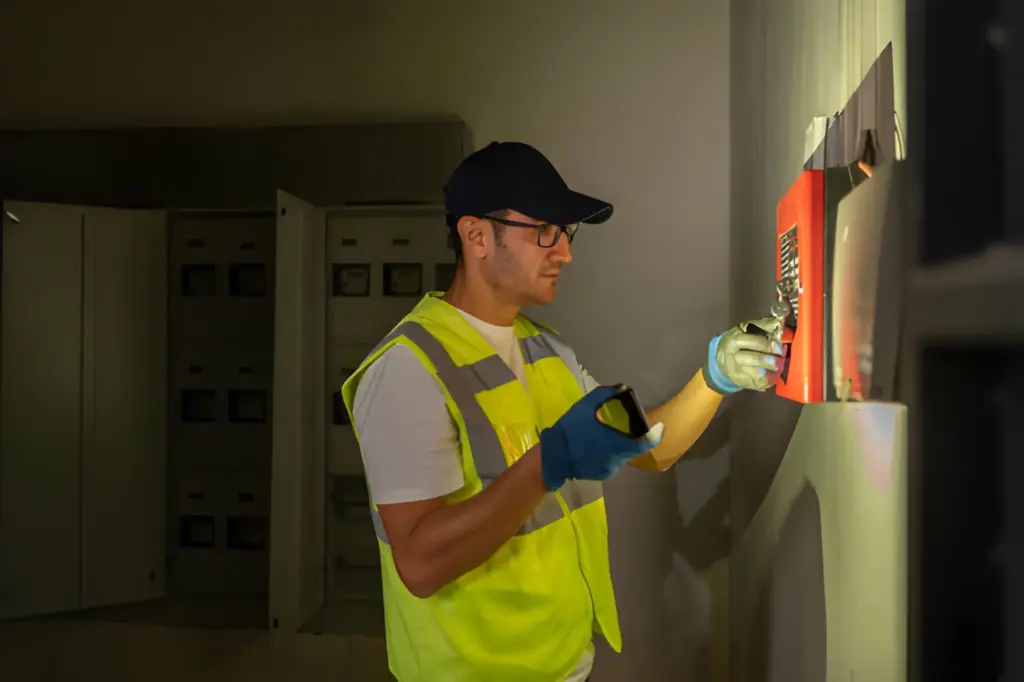
In London, the Electrical Safety Regulations mandate that landlords conduct electrical inspections every five years to guarantee safety and compliance.
This legal requirement plays a pivotal role in maintaining the integrity and safety of rental properties, consequently impacting landlord responsibilities and tenant security.
Understanding these duties is essential for landlords to navigate their obligations effectively and avoid potential legal implications.
Legal Duties Under the Electrical Safety Regulations
Addressing the 5-Year Electrical Test legal requirement, landlords in London must understand their obligations under the Electrical Safety Regulations to guarantee tenant safety and compliance with the law.
These regulations mandate strict compliance with safety protocols to protect tenants and properties from electrical hazards. Compliance is not only a legal duty but also a critical aspect of property management that greatly impacts tenant relations and property integrity.
Under the Electrical Safety Regulations, landlords must:
- Ensure regular inspections and testing: Electrical installations must be professionally inspected and tested at least every five years or on change of tenancy.
- Obtain and maintain reports: A written report from a qualified electrician detailing the results and the date of the next due inspection is required.
- Rectify identified problems: To comply with safety standards, any electrical faults identified during inspections must be resolved promptly
These duties are designed to create a safer living environment and prevent potential electrical incidents, which can lead to severe injuries or property damage.
Landlords are advised to keep detailed records of all safety checks and remedial actions as part of their compliance with these regulations.
How This Legal Requirement Impacts Rental Property Compliance
Understanding the 5-Year Electrical Test legal requirement is vital for landlords in London as it considerably affects their compliance with rental property regulations. This mandate, part of the Electrical Safety Standards in the Private Rented Sector (England) Regulations 2020, requires electrical inspections and testing to be performed by a qualified person at least every five years.
Failure to adhere to these guidelines can lead to significant legal consequences, including financial penalties of up to £30,000. The requirement serves multiple purposes: ensuring tenant safety, preserving the integrity of the property, and enhancing the reliability of electrical installations.
By complying, landlords not only protect their tenants from potential hazards but also fortify their standing as responsible property owners. This compliance is essential for maintaining property value and avoiding liability issues that can arise from electrical faults at home.
Moreover, proper documentation of the electrical safety tests is necessary. Landlords must provide tenants with a copy of the latest Electrical Installation Condition Report (EICR) within 28 days of the inspection.
This report is also required when new tenancies commence, and upon request by local authorities, which may use it to enforce compliance. Therefore, understanding and implementing this legal requirement is fundamental for maintaining lawful rental operations.
5-Year Electrical Test Legal Requirement for Landlords in London
The legal requirement for landlords in London to conduct a five-year electrical test underscores the critical importance of maintaining safety standards in residential properties. This mandate not only guarantees the well-being of tenants but also protects landlords from potential legal liabilities.
Regular inspections highlight any deteriorations or hazards in the electrical systems, which can be addressed promptly to prevent accidents.
Who is responsible for guaranteeing compliance with this legal requirement? Ultimately, it falls upon the landlords. They must ensure that all electrical installations in their rental properties are inspected and tested by a qualified and competent person every five years.
This responsibility cannot be delegated to tenants or management agencies without explicit agreement that includes handling such critical maintenance tasks.
The significance of these regular electrical inspections can be better understood through the following points:
- Prevention of Electrical Hazards: Regular inspections help identify faulty wiring, overloaded circuits, and other potential hazards that could lead to fires or electrocution.
- Compliance with Insurance Requirements: Many insurance companies require proof of regular electrical inspections for the validity of residential property insurance policies.
- Enhancing Property Value: Properties with up-to-date and well-maintained electrical systems are more attractive to potential renters and buyers and often fetch higher market values.
For landlords in London, staying informed about and compliant with these regulations is not just a legal obligation but a critical component of property management that guarantees safety, enhances property value, and fulfils insurance prerequisites.
Electrical Installation Condition Report (EICR) Requirements London
An Electrical Installation Condition Report (EICR) is a critical document for landlords in London, as it provides a detailed assessment of a property’s electrical safety. This report not only identifies any existing deficiencies or potential hazards within the electrical installations but also guarantees compliance with current safety standards. Landlords are required to obtain an EICR to demonstrate that all electrical systems and circuits are safe before tenants move in and throughout their tenancy.
The EICR process involves a thorough inspection and testing of all fixed electrical parts of the property, including wiring, socket outlets, light fittings, and the consumer unit (fuse box). A qualified electrician examines these parts for wear and tear, corrosion, excessive electrical loading, environmental influences, and any changes that might lead to compliance issues.
Completing an EICR provides landlords with peace of mind, knowing their property is safe and meets legal obligations, reducing the risk of electrical fires or accidents that could result in serious liabilities. Below is a table highlighting key aspects of EICR:
| Feature | Description | Importance |
| Safety Checks | Evaluation of circuits and equipment for safety risks. | Prevents accidents and guarantees tenant safety. |
| Compliance | Guarantees the property meets legal electrical standards. | Avoids legal penalties and enhances property value. |
| Frequency | Conducted at regular intervals or on change of tenancy. | Maintains ongoing safety and compliance standards. |
Landlords must consider this report as an essential part of property management to guarantee the safety and satisfaction of their tenants, while also preserving their investment. Learn more about the 5 reasons an EICR is worth every penny.
How Often Should Landlords Get an Electrical Test in London?
In London, the frequency at which landlords must conduct electrical inspections varies by property type.
For residential properties, regulations mandate an Electrical Installation Condition Report (EICR) every five years or with each change in tenancy, whichever comes first.
Landlords managing commercial or mixed-use properties should adhere to a more frequent inspection schedule to guarantee compliance and safety.
Frequency of Inspections for Different Property Types
Understanding the required frequency of electrical inspections for various types of properties in London is essential for landlords to guarantee compliance with legal standards. The frequency of these inspections can vary based on the type of property being rented out, which directly influences the safety protocols and legal obligations a landlord must adhere to.
To clarify, here are specific categories:
- Residential Properties: These include single-family homes and apartments. Regular inspections are mandated to verify the safety of tenants and the integrity of the property’s electrical systems.
- Commercial Properties: This category encompasses offices, retail spaces, and other business-related premises. Due to higher footfall and different usage patterns, these properties often require more frequent checks.
- Specialised Facilities: Properties like schools, hospitals, and factories fall under this category. Given their critical nature and the complex electrical systems in place, the inspection frequency is typically higher to prevent any potential hazards.
Landlords must be proactive in scheduling these inspections according to the designated frequencies for each property type to maintain safety standards and comply with local regulations.
How often should landlords get an electrical test in London?
For landlords in London, electrical safety inspections are mandatory every five years for residential properties, including single-family homes and apartments, to guarantee compliance with the Electrical Safety Standards in the Private Rented Sector (England) Regulations 2020. This regulation is critical in ensuring that all electrical installations are safe and well-maintained throughout the tenure of different tenants.
The five-year interval is a minimum requirement, and landlords may need to conduct these tests more frequently based on various factors. These include the age of the electrical installation, the type of property, the results of previous inspections, and any concerns raised by tenants.
If a property has a high turnover of occupants or consists of older electrical systems, more frequent checks might be advisable to prevent electrical hazards.
Landlords must also keep up to date with any changes in legislation or guidelines related to electrical safety standards. Compliance not only enhances tenant safety but also legally protects the landlord.
Failure to adhere to these standards can result in significant penalties, including fines and restrictions on renting out property. Consequently, staying informed and proactive in property maintenance is key for landlords in London. Learn more about Avoid Penalties: Keep Your Landlord Electrical Certificate Updated
Common Issues Found During 5-Year Electrical Tests
Many older properties in London reveal typical electrical hazards during the mandatory 5-year electrical tests, reflecting the ageing infrastructure and outdated systems. These issues not only pose risks to tenants but also potentially lead to significant financial and legal repercussions for landlords if not addressed adequately.
- Outdated Wiring Systems: Many older buildings still have original wiring that fails to comply with current electrical safety standards. This can include insufficient earthing or bonding, which increases the risk of electric shock.
- Overloaded Circuits: As modern households demand more power, old electrical circuits can become overloaded. This is particularly common in properties that haven’t been updated to support modern appliances, leading to a higher risk of fires.
- Faulty Electrical Panels: Age and neglect can lead to deterioration of electrical panels. These often exhibit signs of corrosion or damage, and may contain obsolete components that no longer protect against overloaded circuits.
When faults like these are identified in an Electrical Installation Condition Report (EICR), landlords need to take prompt action to mitigate risks. The first step is to hire a qualified electrician to perform any necessary repairs or upgrades.
This may include replacing old wiring, upgrading the electrical panel, or installing additional circuits to handle increased loads. Ensuring that all interventions comply with the latest electrical safety standards is essential for the safety of the occupants and the legal compliance of the property.
Regular maintenance and timely upgrades can prevent most issues from developing into severe hazards, safeguarding both the property and its residents.
Responsibilities of London Landlords Under the 2025 Regulations
Under the 2025 regulations, London landlords, including those managing Houses in Multiple Occupation (HMOs), face updated legal responsibilities to guarantee the safety of their electrical installations.
These duties require landlords to adhere strictly to enhanced standards, which aim to reduce electrical risks in rented properties.
Familiarising oneself with these regulations, adopting best practices, and following the recommendations for landlords in 2025 is essential for compliance and the safety of tenants.
Duties for Private and HMO Landlords Explained
Landlords in London, both private and those managing Houses in Multiple Occupation (HMOs), will frequently find themselves steering a complex set of responsibilities under the new 2025 regulations.
These regulations are designed to guarantee the safety and well-being of tenants and uphold the integrity and reliability of rental properties across the city.
To aid landlords in steering these requirements, the following key duties have been outlined:
- Regular Electrical Inspections: Landlords must guarantee that all electrical installations are inspected and tested by a qualified professional at intervals not exceeding five years. This includes fixed electrical systems and appliances provided by the landlord.
- Compliance Documentation: Upon completion of each inspection, landlords are required to obtain and retain a report detailing the condition of the electrical installations. This report must be provided to both new and retained tenants within 28 days of the inspection.
- Remedial Works: Should the inspection reveal any electrical safety issues, landlords are obligated to carry out necessary remedial electrical works or further investigations within 28 days or sooner, depending on the urgency of the risk identified.
Understanding and complying with these duties is essential for landlords to avoid legal repercussions and guarantee tenant safety.
Best Practices for Meeting Legal Standards
To effectively meet the 2025 regulatory standards, London landlords must adopt best practices that go beyond legal compliance.
First, landlords need to engage with certified and reputable electricians who specialise in residential properties. This guarantees that all electrical inspections and necessary repairs meet the stringent requirements set forth by the regulations.
Landlords should schedule these inspections well ahead of the five-year deadline. Proactivity not only demonstrates a commitment to safety but also prevents last-minute rushes that could lead to oversight or non-compliance.
Detailed records of each inspection, including dates, findings, and actions taken, should be meticulously maintained. These documents are critical for legal protection and for providing clear evidence of compliance.
Additionally, landlords are advised to educate themselves on the specifics of the 2025 regulations. Understanding the nuances of what the law expects can help prevent accidental breaches. Seminars, workshops, and online courses can be valuable resources.
Ultimately, communication with tenants about scheduled inspections and any resultant actions is essential. This not only fosters a transparent landlord-tenant relationship but also guarantees that tenants are aware of their rights and the measures being taken to ensure their safety.
How to Prepare Your Property for a 5-Year Electrical Test
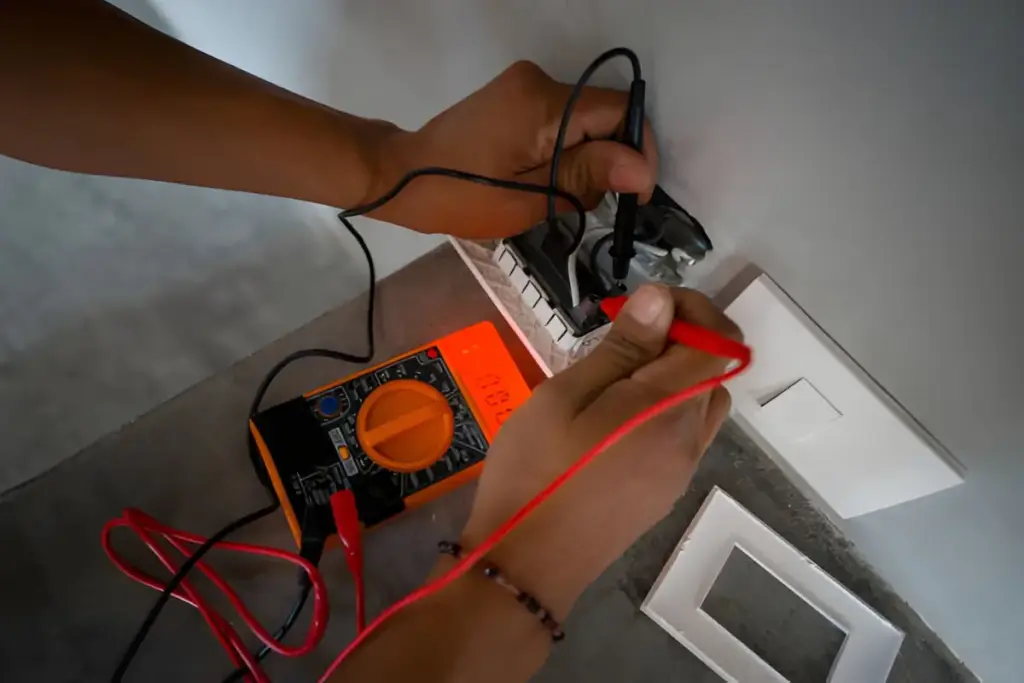
Preparing your property for a 5-year electrical test is essential to confirm compliance with safety regulations and to maintain the integrity of your rental property’s electrical systems.
This process not only confirms safety but also enhances the appeal of the property to prospective tenants. The following steps will guide landlords through the necessary preparations:
- Check and Update Electrical Installations: Inspect all electrical installations, including wiring, sockets, fuse boxes, and fixtures.
Confirm that any outdated or faulty systems are upgraded or repaired to meet current electrical safety standards.
- Organise Documentation and Previous Reports: Gather all previous electrical inspection reports, warranties, and manuals related to your property’s electrical systems.
These documents will provide valuable information to the electrician conducting the test and identify areas that may require special attention.
- Facilitate Access for Inspection: Confirm that all areas with electrical systems are accessible.
Remove any obstructions that could hinder the inspector’s access to wiring, including furniture or stored items in areas like basements or attics.
Why Electrical Compliance Builds Tenant Trust in London
Electrical compliance not only guarantees safety within residential properties in London but also greatly bolsters tenant trust. By ensuring that all electrical installations meet the required safety standards, landlords demonstrate their commitment to the well-being of their tenants. This commitment is essential in a city where safety concerns and housing quality are at the forefront of tenants’ minds.
When tenants feel secure in their homes, they are more likely to renew their leases, leading to higher tenant retention rates.
The issuance of Electrical Installation Condition Reports (EICRs) plays a pivotal role in this process. These safety certificates are tangible proof that the property has been professionally evaluated and meets the stringent standards laid out by regulatory bodies. The presence of a current EICR can alleviate tenant concerns about potential electrical hazards, fostering a sense of security that can be a decisive factor in their decision to continue residing in a property.
Moreover, compliance with electrical safety regulations does more than just maintain tenant relationships; it also enhances the intrinsic value of the property. Properties that consistently pass electrical safety inspections are often viewed more favorably in the real estate market.
Prospective tenants and buyers are likely to perceive such properties as well-maintained and safer investments compared to non-compliant properties. Consequently, landlords who prioritise electrical compliance not only protect their tenants but also enhance the marketability and value of their properties, ensuring a beneficial outcome for all parties involved.
Frequently Asked Questions
Can I Conduct the Electrical Test Myself, or Must I Hire a Professional?
Landlords must hire a qualified professional to conduct electrical tests. Under legal requirements, self-testing is not permitted, ensuring safety and compliance with regulatory standards for residential properties. Always verify the electrician’s credentials.
What Happens if I Miss the 5-Year Testing Deadline?
If a landlord misses the five-year electrical testing deadline, they risk facing legal penalties, including fines. Additionally, this non-compliance can invalidate property insurance and pose safety hazards to tenants.
Are There Exemptions for Newly Built Properties?
Newly built properties in London may be exempt from the initial electrical safety testing if they have a valid Electrical Installation Certificate, demonstrating compliance with building regulations from the time of construction.
What Are the Penalties for Non-Compliance With Electrical Testing Laws?
Non-compliance with electrical testing laws can result in significant penalties, including hefty fines and legal action. Landlords must guarantee adherence to avoid endangering tenants and facing potential financial and reputational damage.
Can Tenants Request a Retest if They Doubt the Initial Results?
Yes, tenants can request a retest if they have concerns about the initial electrical safety results. Landlords are generally required to guarantee the property meets safety standards, including addressing legitimate tenant concerns.
Conclusion
In summary, adherence to the 5-Year Electrical Test legal requirement is essential for landlords in London. It guarantees the safety of electrical installations, thereby safeguarding tenants and enhancing property value. Compliance not only fulfils legal obligations but also fosters tenant trust and retention. Landlords must remain vigilant in maintaining electrical safety standards through regular inspections and timely rectification of identified faults, ultimately contributing to the overall well-being and security of residential accommodations.