


Fire safety is a recurring issue that affects everyone, yet responsibilities can vary considerably across different environments. Property owners, employers, and individuals each have distinct roles in ensuring safety. Understanding who is responsible for fire safety is essential to mitigating risks effectively. However, the nuances of these responsibilities often create confusion. What specific duties does each party hold in various settings? The answers may not be as straightforward as one might think.
Key Takeaways
- Property owners and managers are responsible for maintaining fire safety systems and complying with fire safety regulations.
- Tenants and occupants must familiarise themselves with emergency procedures and report any risk promptly.
- Employers have primary responsibility for employee safety, including conducting risk assessments and communicating evacuation plans.
- In schools, administrators implement fire safety protocols, while teachers educate students, and local fire departments provide guidance.
- All stakeholders, including local authorities, must understand their roles to ensure a comprehensive fire safety framework.
Who Is Responsible for Fire Safety in Your Building? A Comprehensive Guide
When it comes to fire safety in a building, understanding who holds the responsibility is essential for guaranteeing the well-being of all occupants. Fire safety is a shared obligation involving various stakeholders.
Property owners and managers typically bear the primary responsibility for maintaining fire safety systems, including alarms, extinguishers, and escape routes. They are tasked with making sure that the building complies with safety codes and regulations.
Additionally, tenants and occupants play an important role in fire safety. They must familiarise themselves with emergency procedures, report danger, and participate in fire drills.
Moreover, local fire authorities oversee compliance and may conduct inspections to verify that safety standards are met.
Ultimately, effective fire safety requires collaboration among all parties involved. By understanding their respective roles, individuals can contribute to a safer living environment, reducing the risk of fire-related incidents and guaranteeing prompt responses in emergencies.

Fire Safety Regulations Explained: Who Holds the Responsibility?
How can understanding fire safety regulations clarify responsibilities for various stakeholders?
Fire safety regulations provide a framework that delineates the roles and obligations of individuals and organisations in preventing and responding to fire incidents. These regulations typically assign responsibilities to property owners, managers, and occupants, ensuring that everyone understands who is responsible for fire safety in maintaining a safe environment.
For instance, building owners are often required to implement safety measures such as fire alarms, extinguishers, and evacuation plans. Meanwhile, tenants may have duties related to maintaining clear exit routes and reporting possible risks.
Additionally, local authorities and fire services play significant roles in enforcing compliance with these regulations, conducting inspections, and providing guidance.
Who Is Accountable for Fire Safety at Work? Key Legal and Employer Responsibilities
Fire safety in the workplace is a disapproving concern, as employers bear the primary legal responsibility for ensuring a safe environment for their employees. They must comply with fire safety regulations, which typically include conducting risk assessments, implementing preventive measures, and providing adequate training to staff.
Employers are also required to maintain fire safety equipment, such as alarms and extinguishers, ensuring they are regularly inspected and functional. In many jurisdictions, failure to adhere to these responsibilities can result in legal repercussions, including fines or liability for any incidents that occur due to negligence.
Additionally, employers must develop and communicate an emergency evacuation plan, ensuring that all employees are familiar with procedures during a fire. Ultimately, who is responsible for fire safety is not only a legal obligation but also a moral imperative to protect the well-being of all personnel within the workplace.
Fire Safety in the Workplace: Understanding Employer and Employee Duties
Understanding the roles of both employers and employees in fire safety is essential for creating a secure workplace. Employers are responsible for implementing fire safety measures, while employees must adhere to these protocols.
The following duties outline their respective responsibilities:
- Employers must conduct regular fire risk assessments and provide necessary training.
- Employers are tasked with maintaining fire safety equipment, ensuring it is functional and accessible.
- Employees are required to participate in fire drills and familiarise themselves with evacuation routes.
- Employees must report any problem or deficiency in fire safety measures to their supervisors.
Who Is Responsible for Fire Safety in Commercial Properties? A Breakdown of Roles
In commercial properties, multiple stakeholders share the responsibility for fire safety, guaranteeing a thorough response to risk management. These roles can vary based on the property’s nature and the agreements in place. Key stakeholders typically include property owners, facility managers, and safety officers.
The following table outlines these roles and their primary responsibilities:
| Role | Responsibilities |
| Property Owner | Guarantee compliance with fire safety regulations |
| Facility Manager | Oversee fire safety systems and conduct regular drills |
| Safety Officer | Develop and implement fire safety policies |
| Employees | Follow safety protocols and report risk |
| Fire Safety Inspectors | Conduct inspections and recommend improvements |
Understanding these roles is necessary for maintaining a safe environment in commercial settings, where the risk of fire can have severe consequences for both people and property.
The Role of Landlords and Tenants in Fire Safety: What You Need to Know
While the responsibilities of fire safety may primarily fall on property owners and managers, tenants also play an essential role in guaranteeing a safe environment. Understanding who is responsible for fire safety can foster a more secure living space.
Tenants should be aware of the following key responsibilities:
- Report peril: Notify landlords promptly about likely fire danger, such as faulty wiring or blocked exits.
- Maintain Equipment: Verify that personal fire safety equipment, like smoke detectors, is functional and batteries are replaced regularly.
- Follow Safety Protocols: Adhere to any established fire safety procedures, including evacuation routes and assembly points.
- Avoid Risks: Refrain from engaging in activities that could increase fire risk, such as improper storage of flammable materials.
Fire Safety in the Home: Who Is Legally Responsible for Protecting Your Family?
Who is responsible for fire safety in the home? The answer typically lies with the homeowners or primary occupants, who must guarantee that their living environment is safe from fire risk. This includes maintaining smoke detectors, having fire extinguishers, and establishing an escape plan. However, it is essential to recognise that legislation may vary by region, impacting specific responsibilities.
The following table illustrates common fire safety responsibilities in the home:
| Responsibility | Description |
| Smoke Detectors | Install and test regularly |
| Fire Extinguishers | Maintain accessibility and functionality |
| Escape Plan | Create and practice with all family members |
| Electrical Safety | Regularly inspect wiring and appliances |
Ultimately, while homeowners bear the primary responsibility, all family members should be aware of fire safety practices to protect their loved ones effectively.
Who Is in Charge of Fire Safety During Public Events? A Guide for Organisers
Securing fire safety during public events requires careful planning and designated responsibilities among organisers. Understanding who is responsible for fire safety not only safeguards attendees but also fulfils legal obligations.
The following roles are essential for maintaining safety:
- Event Organiser: Responsible for overall fire safety planning, including risk assessments and emergency procedures.
- Venue Management: Guarantees that the venue complies with fire codes and that fire safety equipment is accessible and functional.
- Safety Officer: Appointed to oversee fire safety measures during the event, conducting drills and coordinating with emergency services.
- Volunteers/Staff: Trained to assist in implementing safety protocols and guiding attendees during emergencies.
Who Should Ensure Fire Safety in Schools and Public Institutions? Responsibilities Unveiled
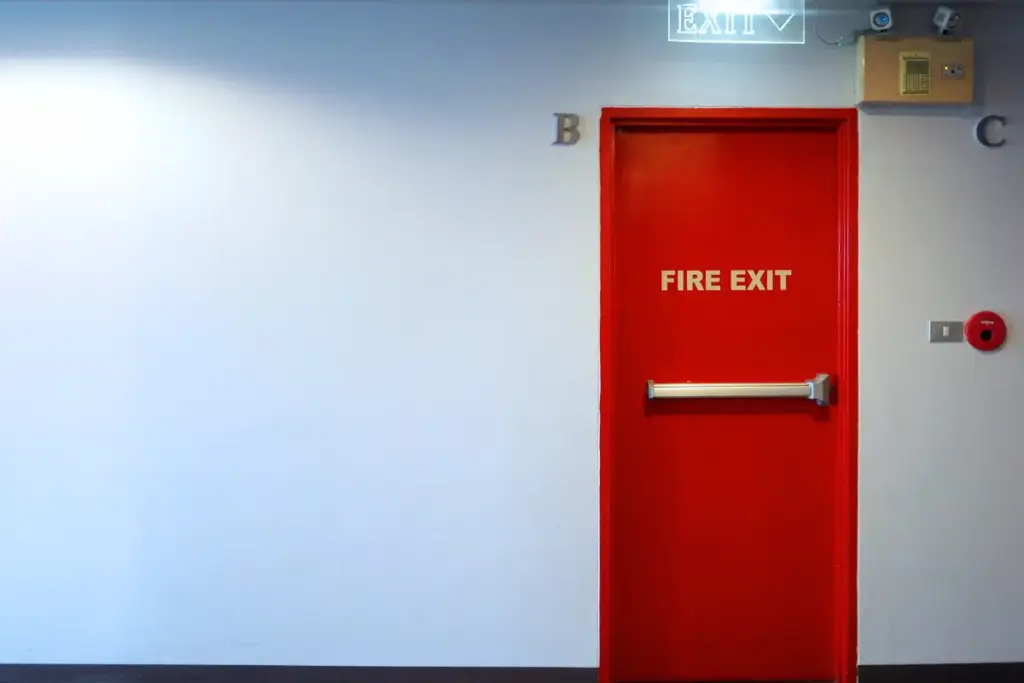
Fire safety in schools and public institutions is a shared responsibility that involves multiple stakeholders working together to create a secure environment.
Primarily, school administrators are tasked with implementing fire safety protocols, which include conducting regular fire drills and maintaining clear emergency exit routes. Understanding who is responsible for fire safety in schools is pivotal, as teachers also play an essential role by educating students about fire safety practices and ensuring their compliance during emergencies.
Additionally, local fire departments often collaborate with schools to provide guidance and conduct inspections, ensuring that facilities meet safety standards.
Facilities management personnel are responsible for maintaining fire safety equipment, such as alarms and extinguishers, ensuring they are functional and accessible.
Parents and guardians also contribute by reinforcing safety practices at home and encouraging open discussions about fire safety.
Ultimately, effective fire safety in educational settings relies on the collective efforts of these stakeholders, encouraging the art of awareness and preparedness to protect the well-being of all individuals involved.
Understanding Fire Safety Responsibilities: Who Needs to Take Action?
How can a community effectively address who is responsible for fire safety? To guarantee thorough fire safety, it is essential for various stakeholders to understand their roles. The responsibilities encompass a range of individuals and organisations, each contributing to the overall safety framework.
The following key players need to take action:
- Property Owners: They must maintain safety equipment and comply with fire codes.
- Employers: They are responsible for training employees on fire safety protocols and conducting regular drills.
- Local Authorities: They enforce fire regulations and conduct inspections to guarantee compliance.
- Community Members: Individuals should stay informed about fire safety practices and participate in local safety initiatives.
Frequently Asked Questions
What Are the Consequences for Failing to Meet Fire Safety Obligations?
Failing to meet fire safety obligations can result in severe consequences, including legal penalties, financial liabilities, increased insurance costs, and probable harm to individuals. Such failures may also lead to reputational damage for organisations involved.
How Can Individuals Report Fire Safety Violations?
Individuals can report fire safety violations by contacting local fire departments, utilising anonymous hotlines, or submitting complaints to relevant authorities, ensuring they provide detailed information about the violation to facilitate a prompt investigation and resolution.
Are There Specific Fire Safety Training Requirements for Employees?
Yes, specific fire safety training requirements for employees exist, varying by industry and regulations. Organisations must guarantee employees receive adequate training to recognise problems, respond effectively, and comply with legal obligations regarding fire safety practices.
What Resources Are Available for Improving Fire Safety Knowledge?
Numerous resources exist for enhancing fire safety knowledge, including online courses, government guidelines, safety manuals, and community workshops. Organisations often provide training materials, while local fire departments may offer educational programs tailored to specific needs.
How Do Fire Safety Responsibilities Differ in Rural Versus Urban Areas?
Fire safety responsibilities typically differ in rural areas, where individual property owners may bear more responsibility, while urban settings often involve stricter regulations and collective accountability among businesses, municipalities, and emergency services to guarantee public safety.
Conclusion
To summarise, fire safety is a shared responsibility that encompasses various stakeholders, including property owners, employers, tenants, and educational institutions. Each party has specific legal obligations and roles to guarantee a safe environment. By understanding these responsibilities, individuals can contribute to effective fire safety measures and reduce the risk of fire-related incidents. Ultimately, a collaborative approach is essential for promoting a culture of safety across homes, workplaces, schools, and public events.