


RC44 Fire Risk Assessments play an essential role in safeguarding properties from fire danger. These assessments systematically evaluate various elements, such as building structures and safety measures. By identifying possible risks, property owners can implement effective fire prevention strategies. Understanding the nuances of these assessments is important for compliance and safety. However, many may overlook key aspects that could greatly impact their effectiveness. What are these analytical factors, and how can they influence fire safety?
Key Takeaways
- RC44 Fire Risk Assessments systematically identify fire risk to increase safety and protect lives in various properties.
- Assessments evaluate building layouts, occupancy types, and combustible materials, ensuring effective fire safety measures are in place.
- Compliance with the Regulatory Reform (Fire Safety) Order 2005 mandates regular assessments and documentation for non-domestic premises.
- Conduct assessments during significant changes, and periodically every five years, especially for properties housing vulnerable populations.
- Implementing recommendations promotes a culture of safety and encourages continuous improvement in fire prevention strategies.
What Is an RC44 Fire Risk Assessment and How Does It Protect Your Property?
Although fire safety regulations vary, an RC44 fire risk assessment is an analytical tool for property owners seeking to mitigate fire danger. This assessment identifies potential risks within a property by evaluating both the physical environment and the activities that occur there.
By systematically examining factors such as building materials, occupancy patterns, and existing safety measures, the assessment provides insights into vulnerabilities that may lead to fire incidents. The RC44 method emphasises a thorough evaluation, ensuring that property owners understand their specific fire risks. It also recommends appropriate safety measures and compliance with relevant fire codes.
By implementing the findings from an RC44 fire risk assessment, property owners can increase safety, protect lives, and reduce liabilities associated with fire-related incidents. Ultimately, this assessment not only promotes a safer environment but also promotes a culture of fire awareness and prevention within the property.
How RC44 Fire Risk Assessments Identify Fire Safety Risks in Complex Buildings
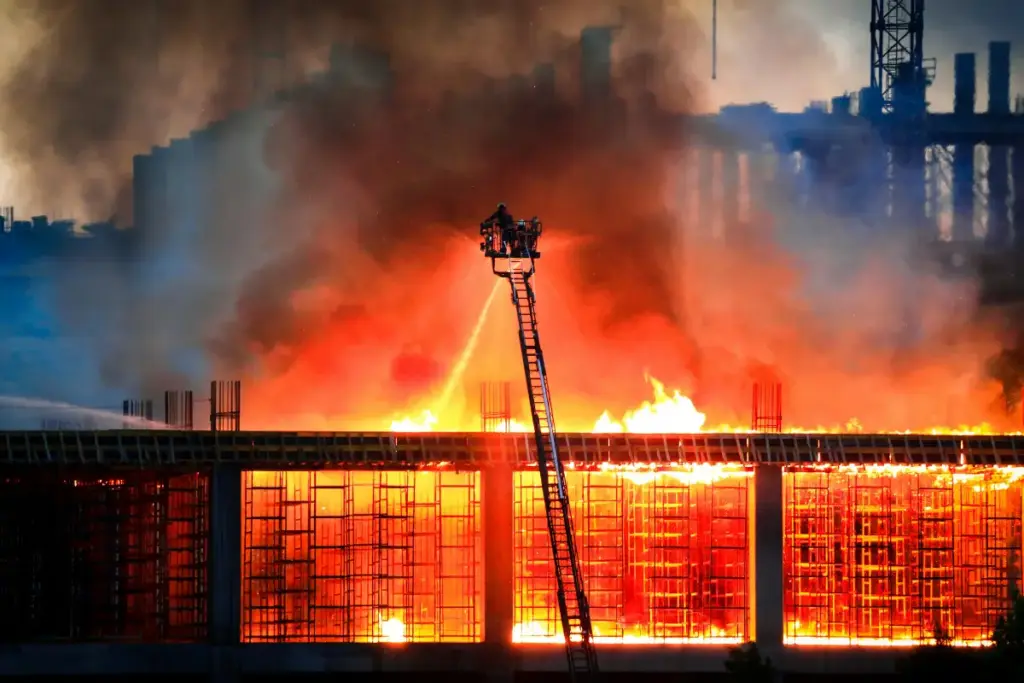
RC44 fire risk assessments play an essential role in identifying fire safety risks within complex buildings, where multiple factors can contribute to fire danger.
These assessments systematically evaluate physical structures, occupancy types, and the presence of combustible materials. Inspectors analyse fire safety measures, such as alarms, extinguishers, and emergency exits, ensuring compliance with regulatory standards. They also consider the building’s layout and occupancy patterns, which can influence evacuation routes and response times during emergencies.
Additionally, the assessment identifies potential ignition sources and assesses the effectiveness of fire prevention systems.
By conducting thorough inspections, RC44 assessments provide a detailed understanding of vulnerabilities that could lead to fire incidents. This response enables property owners and managers to implement necessary improvements, ultimately enhancing the building’s overall fire safety.
In doing so, they protect both occupants and property from the devastating effects of fire.
When Do You Need an RC44 Fire Risk Assessment for Commercial Properties?
When is a fire risk assessment essential for commercial properties? An RC44 fire risk assessment becomes necessary when a property undergoes significant changes, such as renovations or alterations that may affect fire safety.
Additionally, if the occupancy or usage of a building changes, a new assessment is warranted to address potential risks associated with different activities.
Properties that house vulnerable populations, such as schools or care facilities, also require regular assessments to ensure compliance with safety regulations. Furthermore, if a previous assessment noted deficiencies or a fire incident occurred, reevaluation is imperative.
Commercial properties must also conduct periodic assessments, typically every 5 years, to maintain safety standards and legal compliance. Ultimately, these assessments are essential in identifying and mitigating fire danger, safeguarding the safety of occupants, and protecting valuable assets.
The Key Factors Evaluated in an RC44 Fire Risk Assessment
A thorough evaluation of various factors is essential for an effective RC44 fire risk assessment. Key elements include the building layout, construction materials, and occupancy levels, as these influence fire spread and latent risks.
The assessment also examines the presence and condition of fire safety equipment, such as alarms, extinguishers, and sprinkler systems, ensuring they are adequate and properly maintained.
Additionally, the assessment reviews the emergency plan in place, focusing on evacuation routes and staff training. Environmental factors, including nearby combustible materials and the building’s location, are considered to identify external risks.
Finally, the assessment evaluates historical data on fire incidents in the area, which helps in understanding potential vulnerabilities.
Understanding the Legal Requirements for RC44 Fire Risk Assessments in the UK
Legal requirements for fire risk assessments in the UK are shaped by a framework designed to protect occupants and property. The Regulatory Reform (Fire Safety) Order 2005 requires the responsible person of any non-domestic premises to conduct a fire risk assessment.
This assessment should identify potential fire danger, evaluate the risks, and implement appropriate preventive and protective measures. It is essential that the assessment is documented and that the findings are reviewed regularly, particularly when there are significant changes to the premises or their use.
In addition, specific sectors, such as healthcare and education, may have additional regulations that must be adhered to, necessitating a tailored method.
Compliance with these legal requirements not only guarantees the safety of individuals but also protects property from potential fire damage. As a result, understanding the legal landscape surrounding RC44 fire risk assessments is fundamental for any organisation operating within the UK.
Why RC44 Fire Risk Assessments Are Critical for High-Risk Workplaces
Given the inherent dangers of high-risk workplaces, RC44 fire risk assessments play an essential role in identifying and mitigating fire risks.
These assessments systematically evaluate potential fire risks, ensuring that appropriate safety measures are implemented to protect both employees and property. High-risk environments, such as manufacturing plants or chemical facilities, often involve flammable materials and complex machinery, heightening the need for thorough evaluations.
The Benefits of Regular RC44 Fire Risk Assessments for Property Management
Regularly conducting RC44 fire risk assessments provides property management with essential insights into potential fire danger.
These assessments enable property managers to identify and mitigate risks, guaranteeing the safety of occupants and the integrity of the property. By proactively addressing fire safety, property managers can reduce the likelihood of catastrophic incidents that can lead to significant financial losses and legal liabilities.
In addition, regular assessments promote a civilization of safety within the property, reassuring tenants and stakeholders that fire risks are being actively managed. This commitment to safety can increase the property’s reputation and increase tenant retention.
Moreover, compliance with fire safety regulations is essential; regular assessments help maintain adherence to legal requirements, reducing the risk of penalties.
What Happens During an RC44 Fire Risk Assessment and How It Works
During an RC44 fire risk assessment, trained professionals systematically evaluate the property to identify potential fire danger and vulnerabilities. The process begins with a thorough walkthrough of the premises, examining key areas such as electrical systems, heating equipment, and storage facilities.
Inspectors assess the adequacy of fire safety measures, including alarms, extinguishers, and escape routes. Data is collected on the materials present, occupancy levels, and the building’s overall layout.
Professionals also review maintenance records and previous fire incidents to gain insights into potential risks. Once the assessment is complete, findings are documented in an extensive report detailing identified risks and recommended actions.
This structured method guarantees a clear understanding of fire risks, enabling property owners to make informed decisions about necessary improvements. Ultimately, the goal is to increase safety and reduce the likelihood of fire incidents, protecting both lives and property.
How RC44 Fire Risk Assessments Help Improve Fire Prevention Strategies
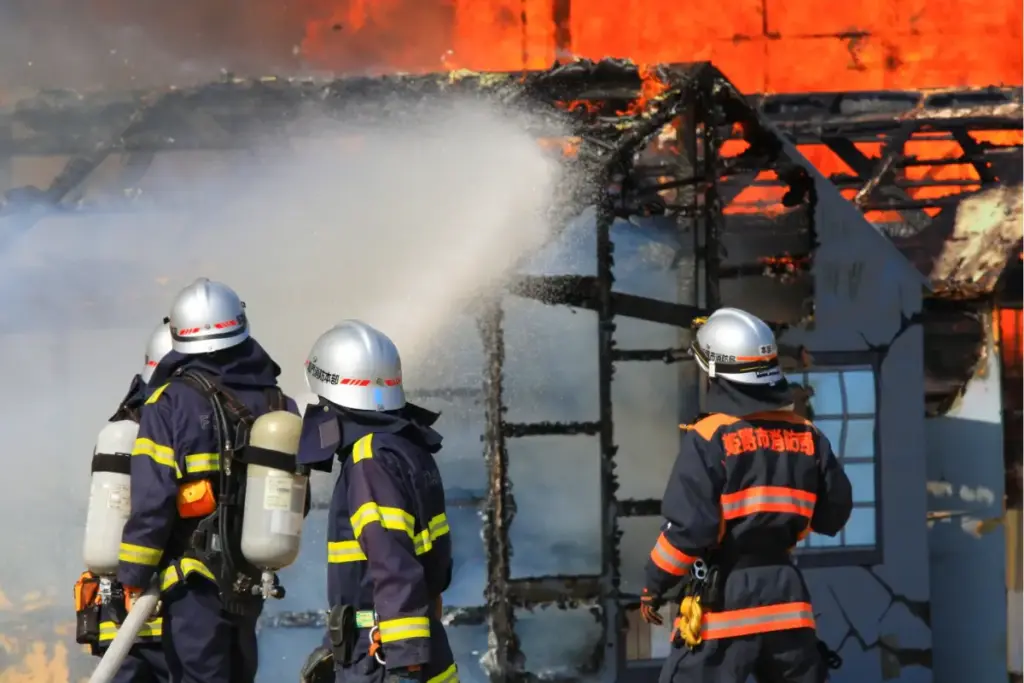
The insights from RC44 fire risk assessments are pivotal in enhancing fire prevention strategies. These assessments systematically identify potential fire danger within a property, enabling targeted interventions to mitigate risks.
By analysing factors such as building layout, occupancy, and existing fire safety measures, RC44 assessments provide an extensive understanding of vulnerabilities.
Furthermore, the findings of an RC44 fire risk assessment inform the development of tailored fire prevention plans. Property owners can implement specific recommendations, such as improving fire detection systems, enhancing evacuation routes, or conducting regular training for occupants.
This response not only reduces the likelihood of fire incidents but also encourages a civilisation of safety within the organisation.
Ultimately, integrating RC44 fire risk assessments into fire prevention strategies empowers property owners to make informed decisions, thereby ensuring a safer environment for all stakeholders.
This continuous improvement cycle is essential for maintaining robust fire safety standards.
Choosing the Right Fire Risk Assessment: Why RC44 Is Essential for Your Property
Why is choosing the right fire risk assessment key for property safety? Selecting an appropriate fire risk assessment method directly influences a property’s vulnerability to fire danger.
The RC44 fire risk assessment framework provides a comprehensive approach that addresses specific risks across diverse property types. Its structured methodology guarantees that all potential fire risks are systematically identified and evaluated, allowing property owners to implement effective prevention measures.
The RC44 assessment also complies with legal requirements, providing peace of mind that the property meets safety regulations. Additionally, it fosters a culture of safety among occupants and staff, fostering awareness and preparedness.
Frequently Asked Questions
How Often Should RC44 Fire Risk Assessments Be Conducted?
RC44 fire risk assessments should be conducted annually, or more frequently if significant changes occur within a property, such as alterations, new occupancy, or after a fire incident, ensuring ongoing safety and compliance.
Who Is Qualified to Perform an RC44 Fire Risk Assessment?
Individuals qualified to perform an RC44 fire risk assessment typically include certified fire safety professionals, fire engineers, or those with significant training and experience in fire safety regulations, risk management, and building safety standards.
What Documents Are Needed for an RC44 Fire Risk Assessment?
An RC44 fire risk assessment requires documents such as the building’s fire safety policy, previous risk assessment reports, maintenance records for fire safety equipment, and relevant building plans to guarantee thorough evaluation and compliance.
Can I Do My Own RC44 Fire Risk Assessment?
Yes, an individual can conduct their own RC44 fire risk assessment, provided they possess adequate knowledge and understanding of fire safety principles. However, seeking professional assistance is often recommended for thorough and compliant evaluations.
What Costs Are Associated With an RC44 Fire Risk Assessment?
Costs associated with an RC44 fire risk assessment typically include fees for professional services, possible expenses for necessary equipment, and materials needed for compliance. Additional costs may arise from implementing recommended safety measures after the assessment.
Conclusion
In summary, RC44 Fire Risk Assessments play an essential role in enhancing fire safety for properties. By systematically identifying risks and evaluating safety measures, these assessments not only guarantee compliance with legal standards but also promote a response to fire prevention. Regular evaluations promote a culture of safety, ultimately protecting lives and reducing liabilities. Property owners who prioritise RC44 assessments demonstrate their commitment to safeguarding their premises against fire danger, providing a secure environment for all occupants.