


How Long Does a Commercial EICR Last? The validity of a Commercial Electrical Installation Condition Report (EICR) is an important aspect for business owners when considering how long does a commercial EICR last?. Typically, these reports last 5 years, but specific circumstances may require more frequent evaluations. Understanding the implications of this timeframe is essential for compliance with legal standards. Exploring the factors that influence the lifespan of an EICR can reveal significant insights for maintaining safety and avoiding legal issues. What else should business owners consider regarding these reports?
Key Takeaways
- Commercial EICRs are typically valid for 5 years and require periodic inspections to ensure safety and regulatory compliance.
- High-risk environments may necessitate annual inspections, and significant electrical work can trigger earlier renewals.
- The Electricity at Work Regulations 1989 mandate regular inspections for electrical installations to maintain compliance and safety.
- Outdated EICRs can expose businesses to legal penalties, safety risks, and financial liabilities from incidents during the validity period.
- Proactively scheduling inspections and tracking changes in tenancy or building use helps maintain valid EICRs and ensures ongoing compliance.
How Long Does a Commercial EICR Last and Why the Validity Period Matters
Although the validity period of a commercial Electrical Installation Condition Report (EICR) may vary, it typically lasts 5 years. This timeframe is essential for ensuring that electrical systems remain safe and compliant with current regulations.
A commercial EICR assesses the condition of electrical installations and identifies possible risk or deficiencies. The significance of the validity period lies in its role in maintaining safety standards and preventing electrical accidents.
Regular inspections help businesses avoid costly repairs and legal issues arising from non-compliance. Additionally, having an up-to-date EICR can increase a company’s reputation by demonstrating a commitment to safety and regulatory adherence.
Failure to renew an EICR within the stipulated timeframe may expose a business to risks, including penalties or increased liability in the event of an incident.
Therefore, understanding the duration and importance of the EICR validity period is essential for effective risk management in commercial settings.

Understanding Commercial EICR Validity for Business Owners
How can business owners secure the safety and compliance of their electrical systems? Understanding the validity of an Electrical Installation Condition Report (EICR) is essential for maintaining safety standards and legal compliance.
An EICR typically remains valid for 5 years, though this may vary depending on specific circumstances, such as changes to electrical systems or usage patterns. Regular inspections are important because they help identify possible danger and ensure that electrical installations comply with current regulations.
Business owners should be aware that failing to maintain a valid EICR can lead to significant legal repercussions and safety risks. It is advisable to schedule EICR assessments at regular intervals and keep all documentation organised for easy reference.
What Determines the Lifespan of an Electrical Safety Report in Commercial Buildings
The lifespan of an Electrical Safety Report in commercial buildings is influenced by factors such as the age of the installation, changes in use, and updates to electrical regulations. The age of the electrical systems plays an essential role; older installations may require more frequent assessments due to wear and possible obsolescence.
Additionally, if the building’s use changes such as an increase in electrical load or modifications to the layout this could necessitate a new report to ensure safety and compliance. Furthermore, electrical regulations are subject to periodic updates, which may render existing reports insufficient.
It is essential for property owners and managers to stay informed about these regulations and adapt their safety reports accordingly. Ultimately, maintaining an up-to-date Electrical Safety Report is imperative for safeguarding occupants and ensuring compliance with legal requirements in commercial settings.
Commercial EICR Renewal Timelines Explained Simply
Understanding the timelines for renewing an Electrical Installation Condition Report (EICR) in commercial settings is essential for maintaining safety and compliance. Typically, an EICR is valid for five years in most commercial environments.
However, certain factors may necessitate more frequent assessments. High-risk environments, such as factories or construction sites, may require annual inspections due to the increased possible for wear and tear. Additionally, if significant electrical work is conducted, a renewal may be warranted sooner than the standard five-year period.
It is advisable for commercial property owners to schedule EICR renewals proactively, allowing sufficient time for any necessary repairs or updates before the current report expires.
Regular communication with qualified electricians can help ensure adherence to renewal schedules, protect employees and visitors, and promote compliance with safety standards.
Ultimately, maintaining up-to-date EICRs is fundamental for minimising risks associated with electrical installations.
Legal Requirements for Electrical Safety Certificates in Commercial Properties
In commercial properties, adhering to legal requirements for Electrical Safety Certificates is imperative for ensuring safety and compliance. The primary regulation governing electrical safety in the UK is the Electricity at Work Regulations 1989, which require all electrical systems to be safe and properly maintained.
Property owners are required to conduct regular inspections and obtain an Electrical Installation Condition Report (EICR) to confirm compliance. The EICR assesses the condition of electrical installations and identifies any possible danger.
When issues are found, landlords must address them promptly to protect tenants and employees. Additionally, the Health and Safety at Work Act 1974 emphasizes the responsibility of employers to provide a safe working environment, further reinforcing the need for valid electrical certificates.
Failure to comply can lead to legal repercussions, including fines and safety penalties, underscoring the importance of maintaining up-to-date Electrical Safety Certificates in commercial settings.
How Often Should Commercial Premises Schedule Electrical Inspections
Regular electrical inspections are essential for maintaining safety and compliance on commercial premises, particularly when considering how long does a commercial EICR last?. It is generally recommended that these inspections occur every 5 years for most commercial properties, though this timeframe may vary depending on factors such as the type of business and the complexity of the electrical systems in use.
High-risk environments, such as manufacturing facilities or those with heavy machinery, may require more frequent assessments, possibly every 3 years.
Additionally, any significant alterations to the electrical installations or changes in usage patterns should trigger an immediate inspection, regardless of the standard schedule. Regular inspections not only help identify possible danger but also guarantee that the premises remain compliant with legal requirements.
Factors That Can Shorten the Validity of a Commercial EICR
Several factors can considerably shorten the validity of a commercial Electrical Installation Condition Report (EICR), often necessitating more frequent inspections than the standard five-year interval.
Changes in occupancy or usage of the premises can impact electrical safety, as increased load or different equipment may introduce risks. Additionally, modifications to the electrical system, such as upgrades or repairs, can render an existing EICR invalid.
Environmental conditions, including exposure to moisture, dust, or extreme temperatures, can also accelerate the deterioration of electrical installations, necessitating earlier reviews.
Moreover, any incidents of electrical failure or malfunction should prompt an immediate re-evaluation of the EICR, regardless of its original validity period.
Regular maintenance and good housekeeping practices can extend the lifespan of an EICR, but neglecting them can compromise safety standards, shorten the report’s validity, and increase the need for timely inspections.
EICR Expiry Risks Every Commercial Landlord Should Know
Commercial landlords frequently underestimate the risks associated with an expired Electrical Installation Condition Report (EICR). Operating without a valid EICR can lead to significant legal and financial consequences.
To begin with, landlords may face penalties for noncompliance with electrical safety regulations, including fines or even legal action. Additionally, an expired EICR can jeopardise tenant safety, potentially leading to accidents or injuries due to electrical faults.
This not only damages property but can also result in costly litigation and reputational harm. Moreover, insurance claims may be denied if an incident occurs while the EICR is out of date, leaving landlords financially exposed.
Regularly reviewing and renewing EICRs is crucial to mitigate these risks and guarantee the safety and compliance of commercial properties. Being proactive in maintaining valid electrical reports ultimately protects both landlords and tenants from avoidable hazards and liabilities.
When a New Electrical Inspection Is Required for Business Properties
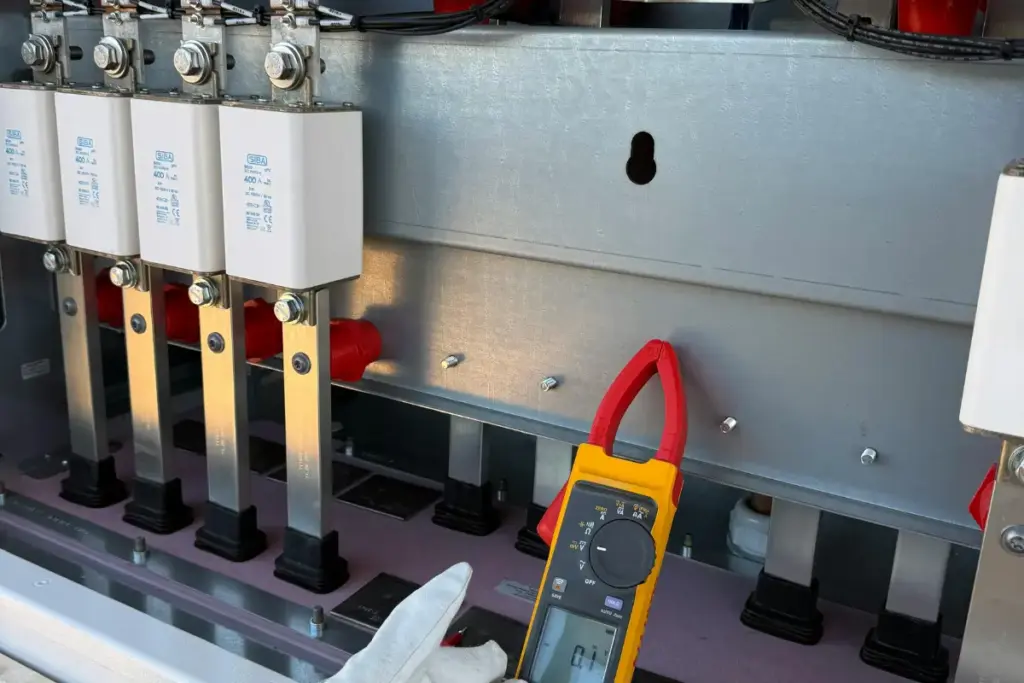
A new Electrical Installation Condition Report (EICR) is required under specific circumstances to ensure ongoing compliance and safety for business properties, particularly when assessing how long a commercial EICR is valid. These inspections confirm that electrical systems remain safe and compliant with current regulations.
The following table outlines key scenarios that necessitate a new EICR:
| Situation | Requirement for EICR |
| Change of tenancy | New EICR needed for new occupants |
| Significant alterations to wiring | EICR is required after major modifications |
| Every five years | Mandatory inspection every five years |
Business owners should be aware of these situations to confirm their properties are safe and compliant. Regular inspections not only fulfil legal obligations but also protect employees and customers from possible electrical hazards.
How Long Does a Commercial EICR Last Compared to Residential Reports
How long do EICRs typically remain valid for commercial properties compared to their residential counterparts?
Commercial Electrical Installation Condition Reports (EICRs) generally have a validity period of five years, depending on the nature of the business and usage of the electrical systems. In contrast, residential EICRs typically last for ten years. The difference in duration reflects the higher electrical load and greater complexity often found in commercial settings, which may increase the risk of faults.
Additionally, commercial properties are subject to more frequent changes, such as renovations or new equipment installations, which necessitate more frequent inspections. Certain industries may also have specific legal requirements for more frequent assessments. Ultimately, while residential properties can rely on a longer validity period, commercial entities should prioritize timely inspections to guarantee safety and compliance with regulations.
Frequently Asked Questions
Can a Commercial EICR Be Transferred Between Properties?
A commercial EICR cannot be transferred between properties. Each certificate is specific to the electrical installation it was conducted on, requiring a new assessment for any different location to guarantee compliance and safety.
What Happens if an EICR Is Not Renewed on Time?
If an EICR is not renewed on time, the property may be deemed non-compliant with electrical safety regulations. This can lead to legal repercussions, increased liability, and possible risks to occupants’ safety and well-being.
Are There Penalties for Failing to Conduct EICR Inspections?
Yes, failing to conduct EICR inspections can lead to significant penalties, including fines and possib,e legal action. Compliance ensures safety and regulatory compliance, underscoring the importance of timely inspections for commercial properties.
Is There a Difference Between EICR and PAT Testing?
EICR, or Electrical Installation Condition Report, assesses the overall safety of electrical installations, while PAT testing, or Portable Appliance Testing, evaluates the safety of individual portable appliances. Both are essential for ensuring electrical safety in different contexts.
How Much Does a Commercial EICR Inspection Typically Cost?
A commercial EICR inspection typically costs between £150 and £500, depending on the size and complexity of the premises. Factors such as location and specific requirements may also influence the overall pricing.
Conclusion
To summarise, the validity of a Commercial Electrical Installation Condition Report (EICR) is essential for compliance with safety regulations and risk management. Typically lasting five years, or annually in high-risk environments, adherence to these timelines is necessary for business owners. Regular inspections not only guarantee legal compliance but also protect against possible hazards. By understanding the requirements and proactively managing EICR renewals, commercial landlords can safeguard their properties and maintain a safe working environment.