


Electrical safety regulations play an essential role in protecting individuals and property from various electrical danger. These guidelines establish clear legal duties for property owners, employers, and contractors. They address significant risks, including electric shocks and overloaded circuits. Understanding these regulations and their implications is essential for compliance. What are the specific responsibilities outlined in these laws, and how can they be effectively managed? The answers reveal important insights into maintaining safety standards.
Key Takeaways
- Electrical safety regulations protect individuals and property from electric shocks, fires, and other risk through clear guidelines for safe practices.
- Property owners and employers have legal duties to ensure safe installations, provide staff training, and maintain electrical systems regularly.
- Compliance with IET Wiring Regulations is mandatory, requiring regular inspections and testing to identify and mitigate possible risks.
- Common electrical danger include exposed wiring, overloaded circuits, and faulty appliances, which regulations aim to minimize through preventative measures.
- Promoting a safety culture involves staff training, ongoing compliance reviews, and adapting to regulatory changes to increase long-term safety.
Electrical Safety Regulations Explained in Simple Terms
Although electrical safety regulations may seem complex, they are essential for protecting individuals and property from electrical danger. These regulations serve as guidelines that dictate safe practices for installation, maintenance, and use of electrical systems. They establish standards for wiring, equipment, and safety protocols, ensuring that all electrical work minimizes risks associated with shocks, fires, and other dangers.
By adhering to these regulations, individuals can encourage a safer environment, allowing them to enjoy the freedoms that come with reliable electricity. Compliance not only protects lives but also preserves property, reducing the likelihood of costly damages.
Understanding these regulations empowers people to take control of their electrical safety. They become informed participants in their own environments, able to navigate the complexities of electrical systems with confidence.
Ultimately, knowing the rules equips individuals with the knowledge to protect themselves while enjoying the benefits of electrical power.
Why Electrical Safety Rules Exist and Who Must Follow Them
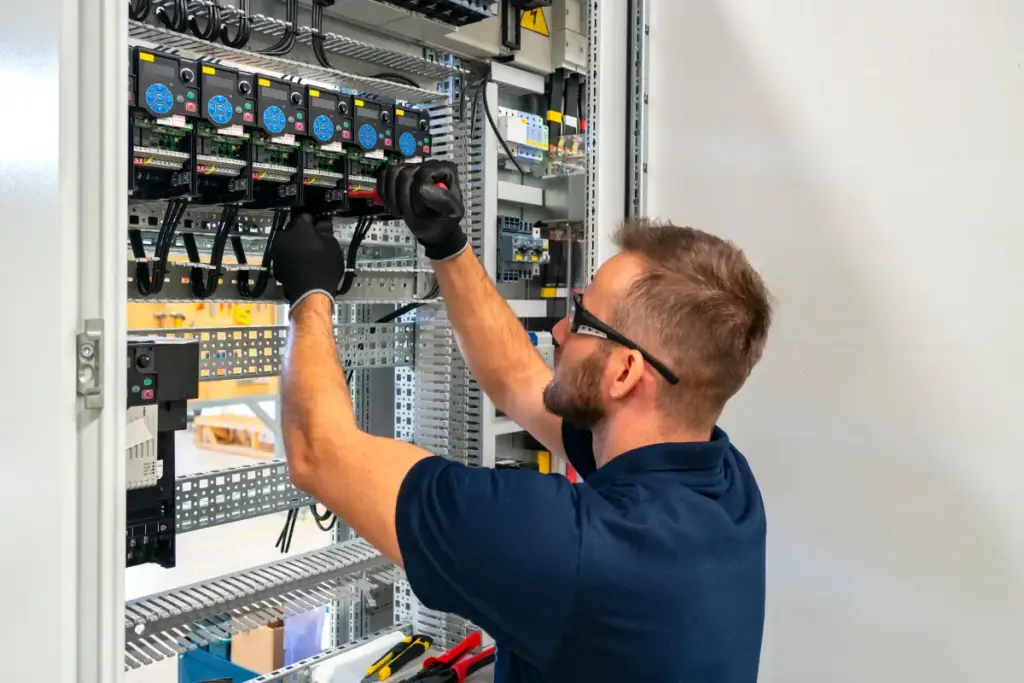
Why do electrical safety rules exist, and who is obligated to adhere to them? These regulations are essential to protect individuals and property from the inherent dangers of electricity. They establish clear guidelines for safe practices, ensuring that electrical systems are designed, installed, and maintained properly.
Compliance is not merely a recommendation; it is a legal duty for various stakeholders, including employers, electrical contractors, and facility managers. In workplaces, these rules safeguard employees, promoting a culture of safety and responsibility. Homeowners also bear the responsibility to follow safety standards to protect their families and properties.
Key Risks Addressed by Modern Electrical Safety Standards
Modern electrical safety standards address a variety of key risks associated with electrical systems and their use. These standards aim to minimize danger that can lead to injuries or property damage. By identifying and mitigating risks, they encourage a safer environment for everyone.
| Risk Type | Description | Preventative Measures |
| Electric Shock | Contact with live wires can cause serious injury. | Use of insulated tools and PPE. |
| Overloading | Excessive current can lead to fires and equipment failure. | Circuit breakers and load management. |
| Arc Flash | Sudden release of energy can cause burns and injuries. | Proper protective gear and training. |
| Equipment Malfunction | Faulty devices can pose significant risks. | Regular maintenance and inspections. |
Legal Responsibilities Under UK Electrical Safety Regulations
In the UK, strict legal responsibilities govern electrical safety, guaranteeing that both employers and property owners adhere to established standards. These regulations are designed to protect individuals from electrical danger, promoting a safer environment for everyone.
- Property owners must guarantee that electrical installations are safe and regularly maintained.
- Employers are responsible for providing adequate training to staff handling electrical equipment.
- Compliance with the IET Wiring Regulations is mandatory for all electrical work.
- Regular inspections and testing of electrical systems are required to identify possible risks.
What Happens If Electrical Safety Regulations Are Ignored
Ignoring electrical safety regulations can lead to severe consequences, both legally and physically. Individuals and organizations that bypass these essential guidelines may face hefty fines, legal liabilities, and even criminal charges.
Non-compliance can result in work stoppages, increased insurance premiums, and possible lawsuits from employees or third parties affected by electrical incidents.
Physically, the risks are immense. Neglected safety measures can lead to electrical shocks, fires, and other dangerous situations that endanger lives. The fallout often extends beyond immediate harm, affecting families, communities, and businesses.
Additionally, a tarnished reputation can result from non-compliance, creating long-term impacts on trust and credibility. In a world that values personal freedom, the choice to ignore safety regulations ultimately undermines the very liberty individuals seek to protect.
Therefore, adhering to these regulations is not merely a legal obligation but a fundamental responsibility to guarantee safety and well-being.
Common Electrical Hazards Covered by Safety Regulations
While many may underestimate the importance of electrical safety, various common risk underscore the necessity of stringent regulations. These danger pose significant risks to both individuals and property, highlighting the need for compliance with safety standards.
- Exposed wiring: This can lead to electric shocks or fires if not properly insulated.
- Overloaded circuits: Excessive load on electrical circuits may cause overheating and possible fires.
- Faulty appliances: Malfunctioning devices can create dangerous situations, including electrical fires or shocks.
- Wet environments: Water and electricity are a perilous combination, increasing the risk of electrocution.
Understanding these danger is essential for encourage a culture of safety and awareness.
How Electrical Safety Regulations Protect People and Property
Electrical safety regulations are designed to mitigate risks associated with electrical danger, thereby safeguarding both individuals and their property. By establishing stringent standards for wiring, equipment installation, and maintenance, these regulations create a framework that minimizes the likelihood of electrical accidents. They require regular inspections and compliance with safety protocols, which in turn promote an environment where freedom from harm is prioritized.
Furthermore, these regulations empower property owners and tenants with knowledge of safe practices, encouraging energetic behavior in managing electrical systems. Compliance not only protects lives but also preserves property values by reducing the risk of fire and damage from electrical failures.
In this way, electrical safety regulations serve as a protective barrier, ensuring that individuals can enjoy their spaces without fear of avoidable danger. Ultimately, adherence to these regulations supports a safer, more liberated living environment, allowing people to focus on their pursuits rather than possible dangers.
Electrical Safety Regulations Compared Across Different Property Types
When examining electrical safety regulations, it becomes clear that the standards can vary considerably across different property types, reflecting the unique challenges and risks associated with each category.
Residential, commercial, industrial, and agricultural properties each face distinct electrical safety concerns that necessitate tailored regulations.
- Residential Properties: Focus on consumer protection and fire danger.
- Commercial Properties: Emphasize worker safety and equipment maintenance.
- Industrial Properties: Address high-voltage systems and heavy machinery risks.
- Agricultural Properties: Consider environmental factors and specialized equipment.
These variations highlight the importance of understanding specific regulations applicable to one’s property type.
Adhering to these diverse standards not only promotes safety but also empowers property owners to manage risks effectively, ensuring freedom in their endeavors without compromising safety.
Steps to Achieve Compliance with Current Electrical Safety Laws
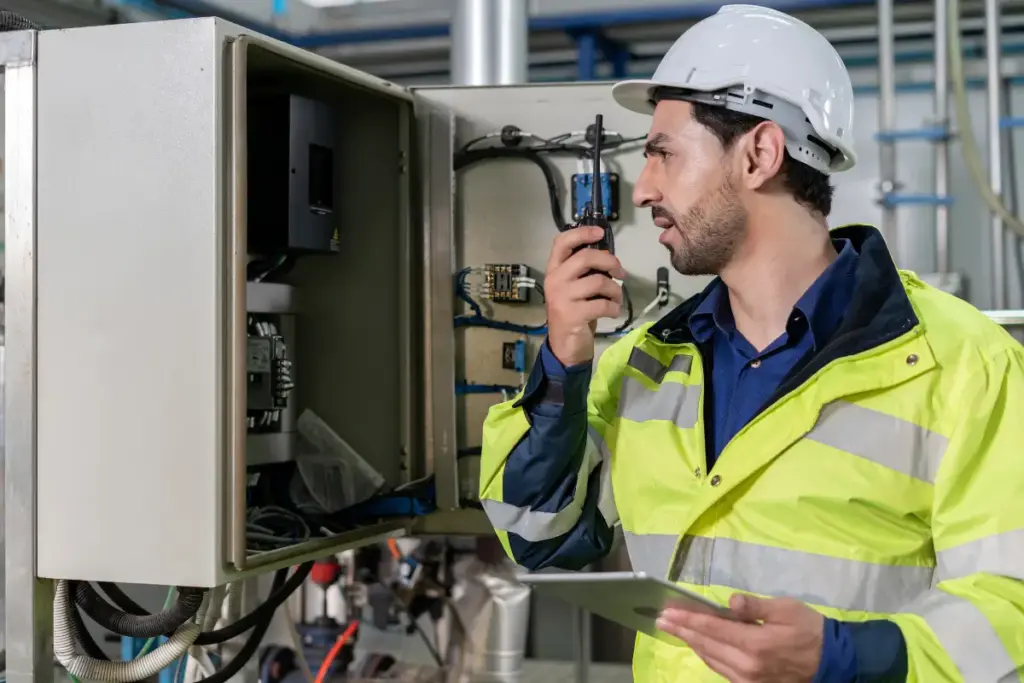
Understanding the specific regulations for different property types is a foundational step towards achieving compliance with current electrical safety laws. Property owners and managers must first identify the applicable codes that govern their type of establishment, whether residential, commercial, or industrial.
Next, conducting a thorough assessment of the electrical systems is essential. This involves evaluating installations, circuit integrity, and load capacities to guarantee they meet regulatory standards. Additionally, engaging certified electricians for installation and maintenance work assures adherence to safety protocols. Documenting all procedures and updates aids in demonstrating compliance during inspections.
Training staff on electrical safety practices empowers them to recognize danger and respond appropriately. Finally, establishing a schedule for ongoing compliance reviews keeps electrical systems updated and secure.
How Regular Inspections Support Electrical Safety Regulation Compliance
Regular inspections play an essential role in ensuring compliance with electrical safety regulations across various property types. These evaluations are essential for identifying possible risk, thereby safeguarding both property and individuals from electrical risks.
By conducting regular inspections, property owners empower themselves to maintain a safe environment while adhering to legal duties.
- Identify Hidden Issues: Uncover wiring problems or outdated systems before they escalate.
- Ensure Equipment Compliance: Verify that all electrical equipment meets safety standards.
- Mitigate Legal Risks: Reduce the likelihood of fines and penalties associated with non-compliance.
- Promote Safety Culture: Encourage awareness and energetic measures within the community or organization.
Through consistent inspections, property owners not only protect their interests but also contribute to a broader culture of safety. Ultimately, regular inspections serve as a cornerstone for achieving and maintaining compliance with electrical safety regulations.
Frequently Asked Questions
What Are the Penalties for Non-Compliance With Electrical Safety Regulations?
Penalties for non-compliance with electrical safety regulations can include hefty fines, legal action, and, in severe cases, imprisonment. Organizations may also face increased insurance premiums and damage to their reputation, impacting future business opportunities.
How Often Should Electrical Safety Inspections Be Conducted?
Electrical safety inspections should typically be conducted annually, though certain environments may require more frequent assessments. Regular inspections guarantee compliance and reduce risks, promoting a safe environment while allowing individuals the freedom to manage their electrical systems responsibly.
Can DIY Electrical Work Violate Safety Regulations?
Yes, DIY electrical work can violate safety regulations. Individuals undertaking such tasks without proper knowledge or certification risk compromising safety standards, possibly leading to hazardous situations and legal repercussions, despite a desire for personal freedom in home improvement.
What Qualifications Should Electricians Have for Compliance?
Electricians should possess relevant certifications, such as a journeyman or master license, and have completed training in safety standards and local codes. Continuous education guarantees they remain updated on evolving regulations and best practices in electrical work.
How Can I Report Electrical Safety Violations?
To report electrical safety violations, individuals should contact local regulatory agencies or safety boards, providing detailed descriptions of the issues. They may also document evidence and seek assistance from advocacy groups committed to ensuring compliance and safety.
Conclusion
In conclusion, electrical safety regulations are key for protecting individuals and property from electrical danger. By understanding the legal responsibilities and possible risks, property owners, employers, and contractors can encourage a culture of safety and guarantee compliance with established standards. Regular inspections and adherence to regulations not only mitigate the dangers of electric shocks and equipment malfunctions but also safeguard against legal repercussions. Ultimately, prioritizing electrical safety is imperative for creating secure environments for everyone.