

The EICR C2 classification highlights specific electrical issues that, while not immediately dangerous, require prompt attention. This designation suggests possible risks such as electrical shock or fire risk. Property owners and landlords must understand the implications of a C2 code and the necessary actions to take. What steps should be taken next to guarantee safety and compliance? The following sections will clarify these key aspects.
Key Takeaways
- EICR C2 indicates possible electrical issues that require prompt attention but are not immediately dangerous.
- Ignoring C2 classifications can lead to serious safety risks, including electrical shock or fire danger.
- Engage a qualified electrician to assess and implement necessary corrective measures promptly.
- Regular inspections can help prevent future C2 classifications and ensure ongoing safety compliance.
- Addressing C2 codes is essential for maintaining property value and ensuring tenant satisfaction.
EICR C2 Meaning Explained Clearly for Property Owners and Landlords
Understanding the implications of an EICR C2 classification is key for property owners and landlords. This designation indicates that there are possible issues within the electrical system that require attention. While not classified as immediately dangerous, a C2 rating suggests that remedial action is necessary to guarantee the safety and functionality of electrical installations.
Property owners must recognize that a C2 rating can impact property value and tenant satisfaction. Taking energetic measures to address the identified issues can promote a safer living environment, ultimately contributing to the freedom of both landlord and tenant from future complications.
Owners should prioritize timely repairs and consider consulting qualified electricians to rectify deficiencies. By doing so, they can navigate their responsibilities with confidence, guaranteeing compliance with safety regulations and promoting a sense of security for all occupants. Awareness and action regarding a C2 classification empower owners to maintain a safe, welcoming space.
What a C2 Code Indicates About Electrical Safety Risks
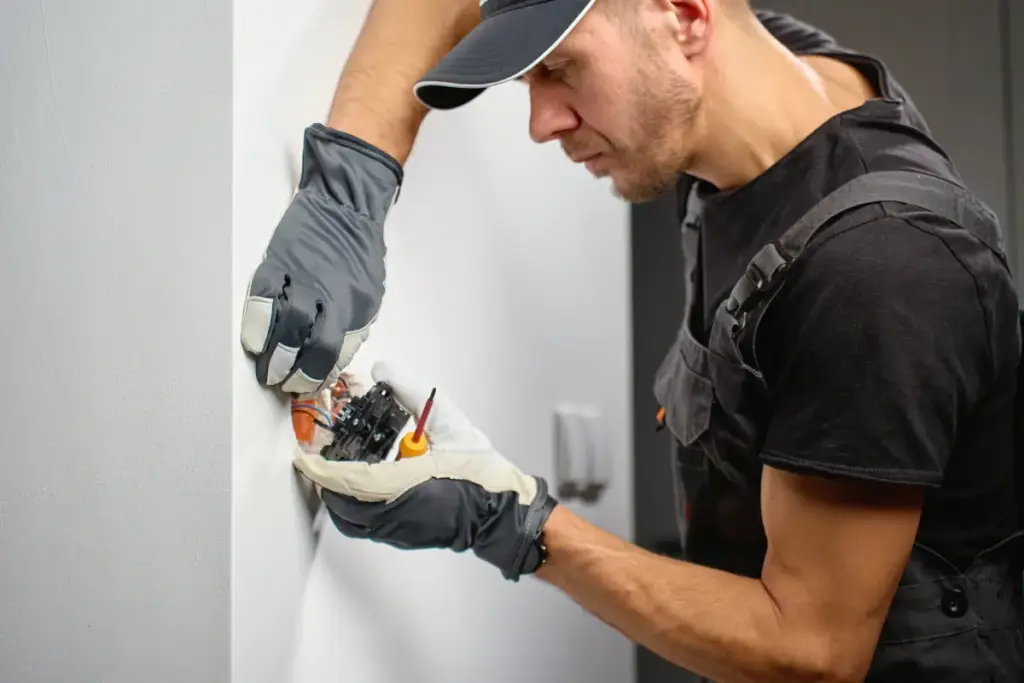
A C2 code signals possible electrical safety risks that warrant attention but are not yet classified as immediately dangerous. This classification serves as a reminder for property owners to remain vigilant about their electrical systems.
While the risks may not pose an urgent threat, addressing them promptly is essential for long-term safety and compliance.
Key indicators of a C2 code include:
- Possible for future issues: Left unaddressed, these risks may escalate into more serious problems.
- Need for corrective measures: Engaging a qualified electrician can help mitigate these risks effectively.
- Importance of regular inspections: Ongoing evaluations of electrical systems can prevent C2 codes from arising in the future.
Understanding these indicators empowers individuals to take energetic steps, ensuring their environments remain safe and secure.
Is a C2 Code Dangerous? Understanding Urgent Electrical Defects
The classification of a C2 code raises important questions about electrical safety and the urgency of associated defects. This code signifies that there are possibly dangerous conditions present, which could lead to electrical shock or fire if not addressed. While a C2 rating does not imply immediate danger, it indicates that the defects require prompt attention to prevent escalation into serious danger.
In understanding the implications of a C2 code, it is essential to recognize that such defects can compromise the integrity of an electrical system. For those who value their safety and the freedom to live without worry, addressing these urgent electrical defects is key.
Ignoring a C2 classification may result in significant risks, impacting not only personal safety but also the well-being of others. Consequently, awareness and energetic measures are essential in maintaining a secure and liberated living environment.
Why a C2 Observation Requires Immediate Electrical Action
C2 observations demand immediate electrical action due to their possible to escalate into serious danger if left unaddressed.
These classifications indicate significant risks that can compromise safety and lead to costly consequences. Addressing C2 issues swiftly guarantees not only compliance with regulations but also the safeguarding of lives.
- Risk of Fire: Faulty wiring or overloaded circuits can ignite, posing a severe threat to property and inhabitants.
- Electric Shock Hazard: Exposed wires or improper installations increase the likelihood of electrical shocks, endangering anyone nearby.
- Compliance Issues: Ignoring C2 observations can result in legal repercussions and hinder the ability to sell or insure a property.
Taking prompt action on C2 observations empowers individuals to maintain a safe and free environment. Ultimately, it promote a sense of security, protecting both personal well-being and the integrity of one’s property.
Common Electrical Issues That Lead to a C2 Classification
Identifying common electrical issues is essential for preventing C2 classifications during an Electrical Installation Condition Report (EICR). Frequent problems include outdated wiring systems that no longer meet safety standards, which can pose significant risks.
Loose or damaged connections often lead to arcing, resulting in possible fire danger. Overloaded circuits are another key concern, as they can lead to overheating and equipment failure. Additionally, the presence of non-compliant electrical equipment may contribute to a C2 classification, especially if it does not adhere to current regulations.
Faulty or inadequate earthing systems also increase the likelihood of electrical shock, demanding urgent attention. Regular inspections and energetic maintenance can address these issues before they escalate, promoting safety and efficiency.
Awareness of these common pitfalls empowers property owners to take necessary precautions, ensuring their electrical systems remain free from dangerous classifications and ultimately supporting their freedom to enjoy a secure environment.
How C2 Codes Affect EICR Pass or Fail Results
How do C2 codes influence the outcomes of EICR assessments? C2 codes represent possibly dangerous issues that require urgent attention. When an Electrical Installation Condition Report (EICR) includes a C2 classification, it may lead to a fail result, impacting the property owner’s freedom to continue utilizing electrical systems safely.
Key influences of C2 codes on EICR results include:
- Immediate Action Requirement: C2 codes necessitate prompt remedial work to guarantee safety.
- Impact on Insurance: A C2 rating may affect insurance policies, leading to possible coverage issues.
- Regulatory Compliance: Properties with a C2 classification must address concerns to adhere to legal and safety standards.
Understanding the implications of C2 codes can empower property owners to take necessary actions, guaranteeing both compliance and peace of mind regarding their electrical installations.
Legal and Safety Implications of Receiving a C2 Code
When a property receives a C2 code during an EICR assessment, it signifies not only an urgent need for remedial work but also carries significant legal and safety implications.
A C2 code indicates that the electrical installation poses posssible dangers, which can lead to serious accidents or injuries. For property owners, this creates a legal obligation to address the identified issues promptly.
Failing to rectify C2 issues may result in liability for any incidents that occur due to negligence, possibly leading to costly legal repercussions. Additionally, insurance policies may be affected, as claims could be denied if a C2 issue is not addressed.
Consequently, it is essential for property owners to prioritize corrective actions, not only to guarantee compliance with legal standards but also to safeguard the well-being of occupants.
Addressing C2 codes protects both personal freedom and communal safety, promoting a responsible and secure living environment.
What Happens After a C2 Is Identified During an Electrical Inspection
After a C2 code is identified during an electrical inspection, immediate action is required to mitigate the associated risks. This code indicates possible risk that need attention but do not pose an immediate danger.
Homeowners and property managers must prioritize safety by taking the following steps:
- Consult a qualified electrician: Engage a professional to assess the situation and recommend necessary repairs or upgrades.
- Prioritize repairs: Address the issues highlighted by the C2 code before they escalate into more serious problems, ensuring the safety of occupants.
- Document the findings: Keep a record of the inspection results and actions taken for future reference and compliance.
C2 vs C1 and C3: Understanding the Key Differences
Understanding the distinctions between C1, C2, and C3 codes is essential for comprehending the severity of electrical inspection findings.
C1 indicates an immediate risk of electric shock or fire, necessitating urgent action. It signals a condition that poses a direct threat to health and safety. C2, on the other hand, signifies a possible danger that requires attention but does not demand immediate intervention. This code highlights issues that need rectification to prevent future danger.
Finally, C3 denotes observations that are not detrimental but suggest improvements for overall safety and compliance. While C1 calls for swift measures, C2 allows for some leeway, and C3 focuses on enhancements rather than immediate concerns.
Understanding these differences empowers property owners to appreciate the urgency and nature of each code, enabling informed decisions about safety and compliance in their electrical systems.
How to Resolve a C2 Code and Achieve EICR Compliance
Addressing a C2 code is essential for guaranteeing electrical safety and achieving EICR compliance. This classification indicates possible issues that, while not immediately dangerous, could lead to dangerif left unresolved.
To effectively resolve a C2 code, individuals should take the following steps:
- Engage a qualified electrician: A professional can accurately assess the situation and recommend necessary repairs.
- Implement corrective measures: Address the identified defects, which may include upgrading wiring or replacing faulty equipment.
- Schedule a follow-up inspection: Once repairs are made, an EICR re-evaluation guarantees compliance and safety standards are met.
Frequently Asked Questions
How Long Does It Take to Fix a C2 Code?
Fixing a C2 code typically varies based on the complexity of the issue, but it generally takes a few hours to a couple of days. Timely resolution is essential for maintaining safety and compliance.
Can I Ignore a C2 Code Temporarily?
Ignoring a C2 code temporarily is not advisable. While it may seem convenient, it poses possible risks to safety and compliance. Addressing the issue promptly guarantees a secure environment and upholds necessary standards.
Will a C2 Code Affect My Insurance?
A C2 code may impact insurance coverage or claims, as insurers often require compliance with safety standards. Ignoring it could lead to complications, possibly resulting in increased premiums or denial of claims in the future.
What Qualifications Should My Electrician Have to Resolve a C2?
An electrician addressing a C2 code should possess relevant qualifications, such as being a registered member of a recognized trade organization, holding appropriate certifications, and having extensive experience in electrical safety and compliance regulations.
Are C2 Codes Common in Older Properties?
C2 codes are indeed common in older properties, as these structures often exhibit outdated electrical systems and components. Regular inspections can identify such issues, empowering homeowners to maintain safety and compliance in their living environments.
Conclusion
To summarize, an EICR C2 classification signals the need for prompt attention to electrical issues that pose risks but are not immediately dangerous. Property owners and landlords must prioritize addressing these concerns by engaging a qualified electrician to rectify the identified defects. By doing so, they not only increase safety and compliance but also protect their property value. Regular inspections can mitigate future risks, ensuring a safer living environment for all occupants.