

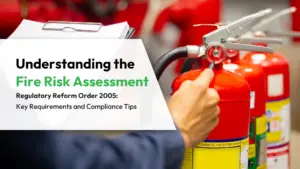
The Fire Risk Assessment Regulatory Reform 2005 establishes key guidelines to ensure safety across various premises. It mandates regular assessments to identify 9latent fire danger and vulnerable individuals. Compliance requires not only systematic documentation but also an ongoing commitment to encourage an outlay of fire safety. As building managers navigate these requirements, understanding the nuances of the order can make a significant difference in effective risk management and legal adherence. What steps should be taken to guarantee compliance?
Key Takeaways
- The Fire Risk Assessment Regulatory Reform 2005 places responsibility for fire safety on premises managers, eliminating the need for fire certificates.
- Regular fire risk assessments are required to identify danger and ensure adequate fire safety measures are in place.
- Documentation of fire risk assessments and action plans is essential for legal compliance and ongoing safety monitoring.
- Non-compliance can result in significant penalties, legal repercussions, and increased risk of fire incidents.
- Encouraging investment in safety and ongoing education on fire regulations is essential for effective compliance and risk mitigation.
Fire Risk Assessment Regulatory Reform Order 2005: What You Need to Know
The Fire Risk Assessment Regulatory Reform Order 2005 represents a significant shift in fire safety legislation, aiming to simplify compliance for businesses and property owners. This reform places the responsibility for fire safety squarely on the shoulders of those who manage premises, promoting an outlay of proactive risk management.
It abolishes the previous requirement for a fire certificate, empowering individuals to assess risks based on their specific environment. Property owners are now encouraged to conduct thorough fire risk assessments, identify latent risk, and implement necessary precautions.
The legislation emphasises a tailored method, allowing flexibility in the methods employed to guarantee safety. Furthermore, it fosters an understanding that fire safety is a shared responsibility among all occupants.

How the Fire Risk Assessment Regulatory Reform Order 2005 Affects Building Safety
While many may view fire safety regulations as burdensome, the Fire Risk Assessment Regulatory Reform 2005 significantly increased building safety by shifting risk management responsibilities to those directly responsible for the premises.
This shift empowers owners and managers to take proactive measures and encourage a civilisation of safety and accountability.
Key impacts of the Order on building safety include:
- Increased Awareness: Property managers must identify latent fire risks, promoting a vigilant approach to risk management.
- Increased Training: The Order requires staff training to ensure that all individuals understand fire safety protocols and emergency response procedures.
- Regular Assessments: Frequent fire risk assessments are mandated, establishing a routine that helps maintain safety standards and adapt to changing conditions.
A Complete Guide to the Fire Risk Assessment Regulatory Reform Order 2005
A thorough understanding of the Fire Risk Assessment Regulatory Reform 2005 is essential for anyone involved in property management or safety compliance. This legislation mandates that responsible persons conduct regular fire risk assessments to identify latent risk and implement necessary measures to mitigate risks.
Key components include evaluating the premises, identifying individuals at risk, and ensuring adequate fire safety provisions are in place.
The Order emphasises a responsive approach, requiring ongoing monitoring and review of fire safety measures. It promotes a culture of safety that empowers individuals to take responsibility for their environments.
Compliance involves documenting the assessment process and the actions taken to address identified risks, ensuring transparency and accountability.
Understanding the Impact of the Fire Risk Assessment Regulatory Reform Order 2005 on Fire Safety
Recognising the transformative effects of the Fire Risk Assessment Regulatory Reform 2005 on fire safety practices reveals its significance in enhancing overall public safety.
This legislation shifted the responsibility of fire safety to building owners and managers, encouraging a culture of accountability and proactive risk management. The impact of this reform is evident in several key areas:
- Increased Awareness: The Order has heightened awareness of fire risks, prompting regular assessments and informed decision-making.
- Tailored Safety Measures: Organisations are now encouraged to implement customised fire safety strategies that adapt to specific risks and conditions unique to each environment.
- Empowerment of Individuals: By placing responsibility on property owners, individuals are empowered to take action, ensuring a collaborative method to fire safety.
Key Changes Brought by the Fire Risk Assessment Regulatory Reform Order 2005
The Fire Risk Assessment Regulatory Reform 2005 introduced several key changes that reshaped the landscape of fire safety management. One significant alteration was the shift from prescriptive regulations to a more flexible, risk-based method. This empowered property owners to assess fire risks tailored to their specific environments.
Additionally, the order emphasised the necessity of regular fire risk assessments, mandating thorough evaluations and documentation.
Moreover, the order clarified the responsibilities of employers and duty holders, ensuring they take active measures to mitigate fire risks. It also facilitated employee involvement in the safety process, promoting a culture of awareness and accountability.
Another notable change was the integration of fire safety measures into the broader context of workplace health and safety. Collectively, these changes fostered a more responsive method to fire safety, encouraging a sense of autonomy and responsibility among property owners and managers.
Fire Risk Assessment Regulatory Reform Order 2005: Compliance Tips for Property Owners
Ensuring compliance with the Fire Risk Assessment Regulatory Reform 2005 requires property owners to adopt a systematic method to fire safety management.
By taking proactive measures, they can protect lives and property while maintaining their independence.
Here are three essential compliance tips for property owners:
- Conduct Regular Risk Assessments: Property owners should conduct thorough fire risk assessments periodically to identify risks and evaluate the effectiveness of existing safety measures.
- Implement an Action Plan: After evaluating risks, create a clear action plan to address identified issues. This plan should include timelines and responsibilities to guarantee accountability.
- Engage Staff and Tenants: Educate employees and tenants about fire safety procedures and the importance of compliance. Their awareness and cooperation are essential for effective fire risk management.
Why the Fire Risk Assessment Regulatory Reform Order 2005 Is Crucial for Your Building’s Safety
Fire safety is a fundamental aspect of property management, and the Fire Risk Assessment Regulatory Reform 2005 plays a key role in enhancing safety standards within buildings. This regulation mandates a thorough examination of fire risks, requiring property owners to identify possible risks and implement effective safety measures. By adhering to these requirements, buildings can considerably reduce the likelihood of fire incidents, thereby protecting occupants and property alike.
Moreover, the Order promotes a response to fire safety, encouraging regular assessments and updates to safety protocols. This not only fosters a civilisation of awareness among residents and staff but also empowers individuals with the knowledge to act in emergency situations.
Ultimately, compliance with the Fire Risk Assessment Regulatory Reform 2005 is not just a legal obligation; it is an essential step towards safeguarding lives and property, encouraging a secure environment that champions the freedom to live and work without fear.
How to Ensure Your Fire Risk Assessment Meets the Regulatory Reform Order 2005 Requirements
While conducting a fire risk assessment, property owners must prioritise compliance with the Fire Risk Assessment Regulatory Reform 2005 to effectively safeguard their buildings.
This commitment not only increases safety but also guarantees that residents and employees know that their well-being is valued.
To ascertain compliance, property owners should consider the following key steps:
- Identify risk: Thoroughly inspect the premises to recognise latent fire danger, including sources of ignition and combustible materials.
- Evaluate Risks: Assess the likelihood of fire incidents and their possible impact on occupants, and adjust safety measures accordingly.
- Implement Control Measures: Develop and enforce strategies to mitigate identified risks, such as installing smoke alarms, providing fire extinguishers, and conducting regular fire drills.

The Fire Risk Assessment Regulatory Reform Order 2005 Explained: Ensuring Legal Compliance
Understanding the Fire Risk Assessment Regulatory Reform 2005 is key for property owners aiming to maintain legal compliance and secure the safety of their premises. This order mandates that all non-domestic properties conduct a thorough fire risk assessment, identify possible risks, and implement measures to mitigate risks.
It emphasises the owners’ responsibility to ensure their premises are safe for occupants and visitors, promoting a response to fire safety. Key components include evaluating fire danger, considering the premises’ use, and verifying that appropriate safety measures are in place.
Failure to comply can result in significant penalties, including fines and legal repercussions. As a result, property owners must stay informed about their obligations under the order and regularly review and update their fire risk assessments.
Embracing these requirements not only fosters a civilisation of safety but also empowers owners to protect their outlay and the well-being of those who use their properties.
Fire Safety in the UK: Navigating the Fire Risk Assessment Regulatory Reform Order 2005
How can property owners effectively navigate the complexities of fire safety regulations in the UK? Understanding the Fire Risk Assessment Regulatory Reform Order 2005 is essential for safeguarding lives and property.
To achieve compliance and guarantee safety, property owners can focus on these key strategies:
- Conduct Regular Assessments: Regular fire risk assessments are essential. Identifying latent risks and evaluating existing safety measures helps mitigate risks effectively.
- Implement Preventive Measures: Once risks are identified, property owners should take proactive steps to improve fire safety. This includes installing fire alarms, maintaining fire exits, and providing fire training.
- Stay Informed and Updated: Compliance requires ongoing education about fire safety regulations. Property owners should stay up to date on legislative changes and best practices to adapt their safety protocols accordingly.
Frequently Asked Questions
Who Is Responsible for Conducting the Fire Risk Assessment?
The responsible party for conducting the fire risk assessment typically includes the owner or occupier of the premises. They must guarantee compliance with safety regulations and protect individuals from possible fire risk within the environment.
How Often Should Fire Risk Assessments Be Reviewed?
Fire risk assessments should be reviewed regularly, typically annually, or whenever significant changes occur in the premises. This guarantees ongoing safety and compliance, empowering individuals to maintain a secure environment free of fire risk.
What Qualifications Should the Assessor Have?
The assessor should possess relevant qualifications in fire safety, such as a NEBOSH diploma or equivalent, along with practical experience in conducting assessments. Continuous professional development is essential to stay up to date on regulations and best practices.
Are There Penalties for Non-Compliance With the Order?
Non-compliance with the order can result in significant penalties, including fines and possible legal action. The enforcement of these penalties underscores the importance of adhering to fire safety regulations to protect all individuals involved.
Can Tenants Request a Copy of the Fire Risk Assessment?
Tenants are entitled to request a copy of the fire risk assessment from their landlord. This transparency fosters a safer living environment, empowering tenants to be informed about fire safety measures in their residences.
Conclusion
To summarise, the Fire Risk Assessment Regulatory Reform 2005 is key to ensuring the safety of building occupants and compliance with legal standards. By understanding its requirements and implementing effective fire safety measures, premises managers can greatly reduce risks and encourage a civilisation of safety. Regular assessments, thorough documentation, and ongoing staff training are essential components for meeting these obligations and ultimately contributing to a safer environment for all users of the premises.