


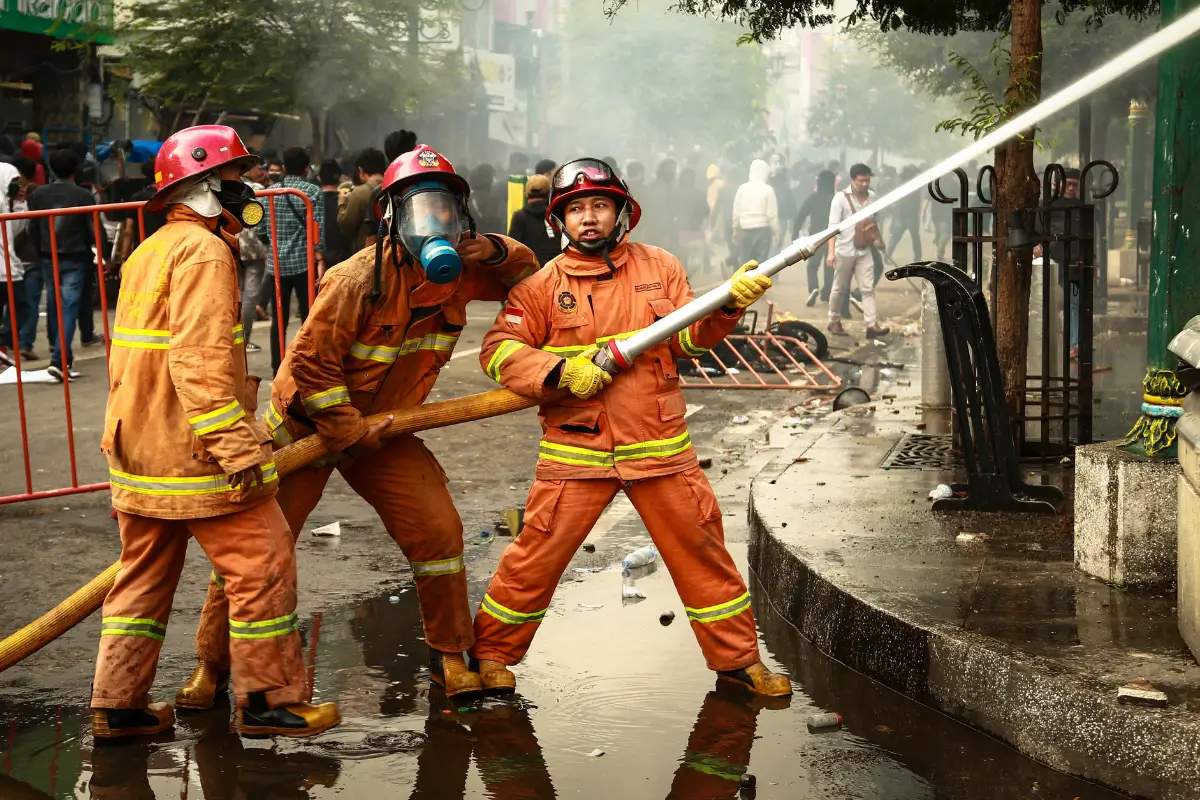
In London, commercial property owners must follow the Regulatory Reform (Fire Safety) Order 2005, which requires them to carry out thorough fire risk assessments and put Effective Fire Risk Strategies for Commercial Properties. These include installing reliable fire detection and suppression systems, keeping evacuation routes clear with proper signage and lighting, and providing regular staff training and emergency drills. Ongoing maintenance and inspection of all fire safety equipment are also essential to ensure everything works correctly. By keeping these measures up to date, business owners can significantly improve safety and emergency preparedness across their premises.
Key Takeaways
- Implement regular fire risk assessments to identify hazards and update safety measures.
- Install advanced fire detection and suppression systems tailored to specific property risks.
- Ensure clear, well-maintained escape routes and emergency signage throughout the property.
- Conduct frequent staff training and emergency drills to reinforce safety protocols.
- Maintain detailed records of all fire safety activities and equipment maintenance for compliance.
Understanding Fire Risk in Commercial Environments
In London, the significance of fire safety for commercial property owners is paramount, not only for asset protection but also for ensuring the safety of occupants.
This responsibility is governed by an extensive legal framework, which mandates strict adherence to fire risk management practices in the workplace.
Understanding and implementing these regulations is essential for maintaining a safe commercial environment and mitigating potential hazards.
Why fire safety matters for commercial property owners
Fire safety is crucial for commercial property owners, as it not only safeguards lives but also protects financial investments and ensures business continuity. In the bustling urban environment of London, where commercial properties often converge tightly, the potential for fire to spread rapidly presents a significant risk, underscoring the importance of strong fire safety measures.
Commercial properties, ranging from office buildings and warehouses to retail stores and hotels, host a high volume of human traffic. This increases the potential for fire incidents, driven by factors such as electrical faults, heating equipment, and cooking areas. Effective fire safety strategies guarantee that these risks are mitigated, protecting not only the physical structure but also the people within.
Moreover, the financial consequences of a fire can be devastating. Beyond the immediate damage to property and potential loss of life, the indirect costs, such as business interruption, loss of customer trust, and legal liabilities, can cripple a business financially.
Investing in thorough fire safety practices is not merely a regulatory compliance issue but a critical business strategy that preserves the asset value of the property and guarantees its operational viability in the long term.
The legal framework guiding workplace fire risk management
Recognising the importance of fire safety practices, it is equally important to take into account the legal framework that governs workplace fire risk management in commercial environments.
In the UK, the primary legislation is the Regulatory Reform (Fire Safety) Order 2005, which applies to all non-domestic premises, including offices, shops, and parts of the premises used for business purposes. Under this order, the responsibility for fire safety rests on the ‘responsible person’, typically the employer or the owner of the premises.
This individual is required to carry out a detailed fire risk assessment, identify potential fire hazards, and implement appropriate fire safety measures to mitigate these risks. The assessment must be regularly reviewed and updated, especially when notable changes occur in the layout or use of the premises.
Failure to comply with these legal obligations can result in heavy fines and even imprisonment. Furthermore, adherence to these laws not only guarantees compliance but also greatly enhances the safety of employees and property.
Business owners and managers must stay informed about these regulations and implement them diligently to avoid legal repercussions and ensure a safe working environment.
What are Effective Fire Risk Strategies for Commercial Spaces?
The following table provides a clear overview of the different components involved in effective fire risk management in commercial properties:
| Strategy Component | Description | Example |
| Fire-Resistant Materials | Use materials that can withstand high temperatures and resist burning. | Fire-resistant doors, glass, and insulation. |
| Detection Systems | Install systems that can quickly detect smoke or heat. | Smoke detectors and heat sensors. |
| Suppression Systems | Systems designed to extinguish or control fires. | Sprinkler systems and fire extinguishers. |
| Emergency Exits | Provide multiple clearly marked exits. | Emergency exit doors and illuminated exit signs. |
| Training and Drills | Regular training and drills for all employees. | Fire drill exercises and firefighting training. |
Adopting these strategies not only guarantees compliance with fire safety regulations but also enhances the overall safety of the environment, safeguarding both property and lives.
Fire Risk Assessments and Hazard Identification
Effective management of fire risks in commercial spaces begins with thorough fire risk assessments and meticulous hazard identification. Guaranteeing the safety of occupants and the protection of property in London’s bustling commercial districts necessitates a methodical approach. A commercial fire risk assessment, as mandated by the Regulatory Reform (Fire Safety) Order 2005, involves a detailed examination of a building to identify potential fire hazards and risks.
The process starts with identifying sources of ignition that could spark a fire, such as electrical equipment, heating systems, and open flames. Simultaneously, it considers combustible materials that are present, which could fuel a fire, including furniture, textiles, and flammable liquids. The assessment must also evaluate the effectiveness of current fire prevention measures in place, such as fire doors and escape routes.
Once hazards are identified, the next step involves analysing the risk associated with each hazard. This includes considering the likelihood of a hazard leading to a fire and the potential consequences it would have on the building’s occupants and structure.
It’s essential to assess various occupant groups, especially those who may require additional assistance, such as older people, children, or people with disabilities.
Finally, the assessment culminates in the formulation of an action plan. This plan details the measures that need to be implemented to manage and mitigate identified risks effectively. It also sets out a clear schedule for regular review and updates of the fire risk assessment to guarantee ongoing compliance and safety.
Fire Detection, Alarm, and Suppression Systems for Commercial Properties
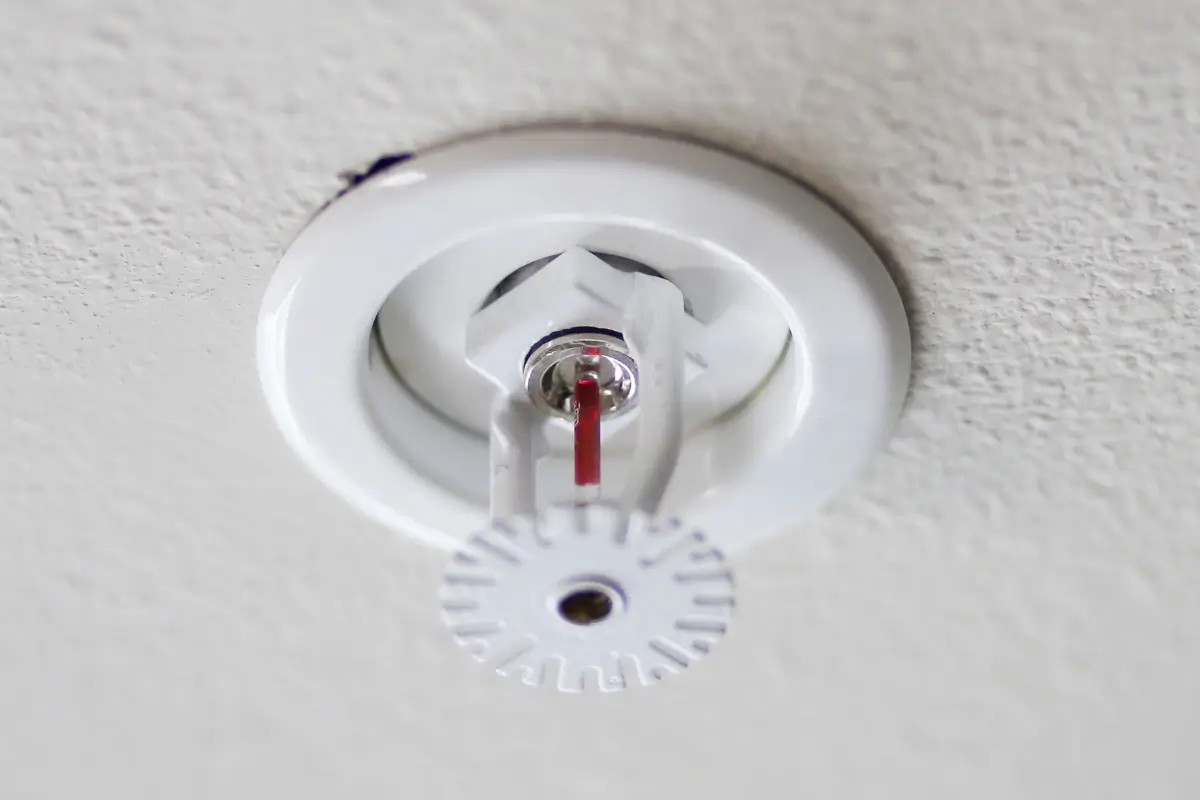
In the domain of fire safety for commercial properties, the implementation of advanced fire detection, alarm, and suppression systems is vital. These systems form the first line of defence against fire incidents, safeguarding both human life and property. Effective fire safety strategies incorporate state-of-the-art technologies tailored to meet the specific needs of a facility.
Fire detection systems play a significant role by providing early warnings. Smoke detectors, heat sensors, and flame detectors are strategically installed to identify fire signatures promptly, enabling quick response before the fire escalates. Coupled with this, modern alarm systems alert the occupants and relevant emergency services. These alarms are designed to be unmistakable and loud, ensuring they capture everyone’s attention in the building, even in noisy environments.
Suppression systems are equally important. They are activated following the detection of fire, with various systems like water sprinklers, gas-based or foam suppressants deployed depending on the nature of the commercial environment and the potential class of fire. The choice of suppression technology is vital, as it must effectively extinguish fires while minimising damage to property and guaranteeing the safety of occupants.
Key components of these systems include:
- Smoke and heat detectors: Install these throughout the property to guarantee early detection and response.
- Audible and visual alarms: Ensure these are loud and visible to alert all occupants effectively.
- Targeted suppression solutions: Choose appropriate suppressants (water, gas, foam) based on the specific risks associated with the property.
The integration of these systems into a cohesive fire safety strategy guarantees a robust defence against fire risks, ultimately contributing to a safer commercial environment.
Evacuation Routes, Signage, and Emergency Lighting
In the context of fire safety, the strategic design of evacuation routes is essential for ensuring safe and efficient exits during emergencies.
Proper signage and emergency lighting play pivotal roles in guiding occupants to safety, particularly in smoke-filled or power-loss scenarios.
These elements must be meticulously planned and seamlessly integrated within buildings to enhance visibility and accessibility, ultimately saving lives.
Designing Clear Evacuation Routes for Safe Exits
Designing clear evacuation routes within buildings, especially in densely populated areas like London, hinges on meticulous planning and adherence to safety standards. A well-defined evacuation pathway not only guarantees a quick response during emergencies but also minimises confusion and panic among occupants.
These routes must be straightforward and accessible to all users, including those with disabilities.
Effective evacuation routes share several key characteristics:
- Directness: Routes should be the most direct path to safety, avoiding complex turns or obstructions that could hinder an escape.
- Accessibility: All pathways must comply with regulations to accommodate people with various levels of mobility, guaranteeing that everyone can evacuate safely and efficiently.
- Visibility: While signage and lighting are integral (discussed later), the physical pathway should be clearly visible and well-marked to prevent any ambiguity during an evacuation.
The planning process involves collaboration between architects, fire safety consultants, and local authorities to align with both architectural constraints and stringent safety regulations.
The Importance of Signage and Lighting in Fire Emergencies
Highlighting the critical role of signage and lighting in fire emergencies, these elements considerably enhance the effectiveness of evacuation routes. Properly designed and strategically placed signage guarantees that occupants can quickly identify escape paths even in conditions of smoke or power failure.
Emergency lighting plays an equally crucial role, illuminating these routes to prevent falls or confusion during an evacuation.
The regulatory standards, such as those set by the London Fire Brigade and national building codes, mandate these installations not merely as a guideline but as a requirement for commercial properties. Compliance with these standards is not only about legal adherence but fundamentally about safeguarding lives.
In practice, illuminated exit signs and directional arrows should be visible from every point within a building. These signs must operate independently of the main power supply, typically through backup batteries or generators, to remain functional during an outage.
Similarly, emergency lighting systems should be tested regularly to guarantee they are operational when needed most.
For property owners and managers, investing in high-quality signage and emergency lighting systems directly enhances safety measures. It is a proactive approach to fire safety that preserves life and property by guiding occupants to safety efficiently and effectively.
Staff Fire Safety Training and Regular Drills
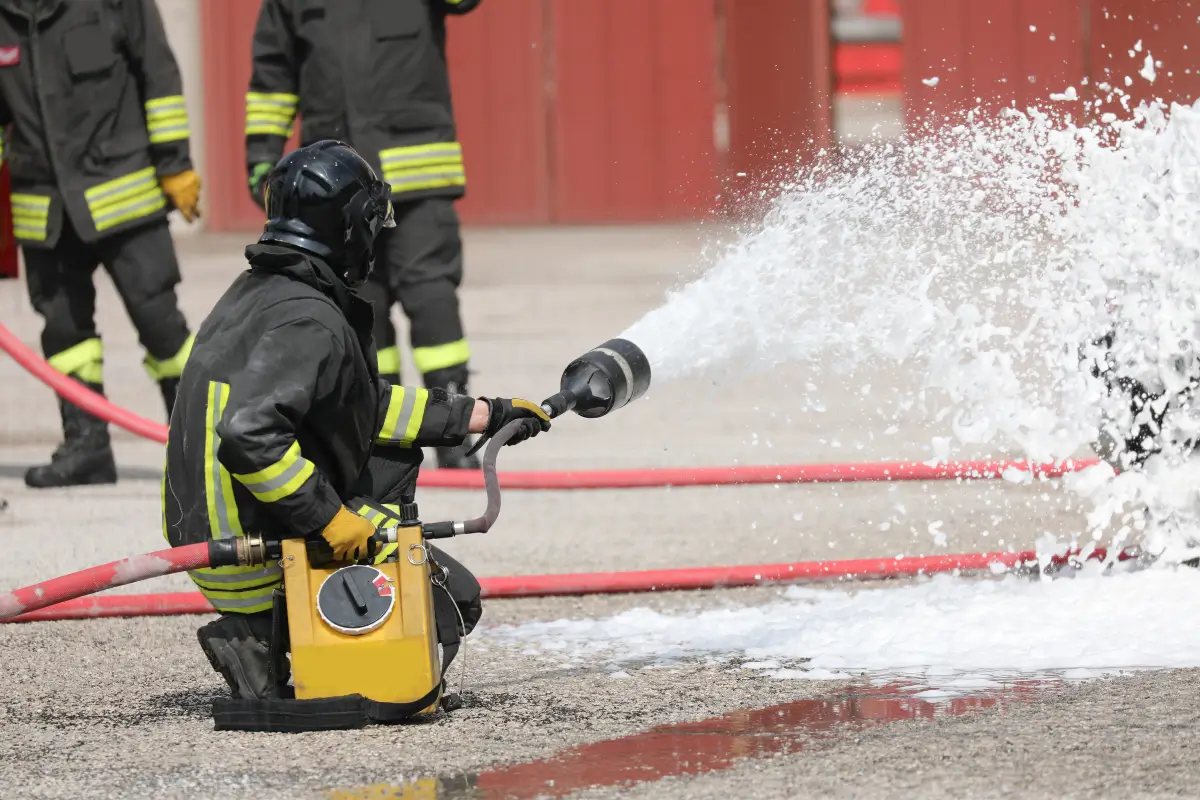
Effective fire safety training and regular drills are vital components of a fire risk management strategy for commercial spaces. Such training not only equips staff with the necessary skills to react swiftly in an emergency but also fosters a culture of safety that permeates every level of the organisation.
Incorporating thorough fire safety training sessions and frequent drills into the operational routine guarantees that all employees are prepared to handle potential fire outbreaks effectively.
Key aspects of effective fire safety training include:
- Understanding Fire Dynamics: Employees must understand how fires start, spread, and can be effectively controlled. Knowledge of different types of fires and the appropriate extinguishing methods is fundamental.
- Evacuation Procedures: Clearly defined roles and responsibilities are essential during an evacuation. Training should cover how to evacuate safely, recognising primary and secondary exit routes, and the importance of keeping these routes clear.
- Use of Fire Safety Equipment: Proper training on the use and location of fire extinguishers, fire blankets, and other safety equipment is vital. Employees should be comfortable with the operation of this equipment under stress.
Regular drills reinforce this training by simulating real-life scenarios, guaranteeing that theoretical knowledge is translated into practical skills.
These drills also help identify any weaknesses in the current fire safety plan, providing an opportunity for continuous improvement. By regularly updating training materials and drill procedures, businesses can maintain a high level of fire safety awareness and readiness, thereby protecting both human lives and property.
Routine Maintenance and Inspections for Fire Safety Compliance
Building on the foundation of staff fire safety training and regular drills, routine maintenance and inspections are equally important for guaranteeing fire safety compliance in commercial spaces. These processes are critical in identifying and mitigating potential hazards that could lead to a fire.
Regular maintenance guarantees that all fire safety equipment, including fire extinguishers, alarms, sprinkler systems, and emergency lighting, is in prime working condition and accessible in case of an emergency.
Scheduled inspections, conducted by qualified professionals, play a pivotal role in this safety ecosystem. These inspections should be thorough, covering every aspect of the property’s fire safety measures. The main objectives are to verify the functionality of fire suppression systems, ensure that all fire exits and escape routes are clear and well-marked, and confirm that fire-resistant materials and doors meet the required standards.
For commercial property owners, adhering to a routine inspection schedule is not just about compliance, but also about preventive care. Detecting issues early can prevent costly repairs and potential disasters.
Businesses should maintain a detailed log of all maintenance and inspection activities. This log serves as a record of compliance and can be invaluable during insurance claims and legal scrutiny.
Fire Safety Responsibilities Every London Landlord Should Know
Under the Regulatory Reform (Fire Safety) Order 2005, every landlord in London bears considerable legal responsibilities to guarantee the fire safety of their properties. This legislation mandates that landlords take proactive measures to prevent fire hazards and secure the safety of their tenants and any personnel on the premises. Compliance is not just a legal obligation but a vital component in safeguarding lives and properties.
Key responsibilities under this order include:
- Risk Assessment: Landlords must conduct thorough and regular fire risk assessments. These assessments identify potential fire risks and evaluate the risks to residents and visitors. These assessments must be carried out by competent persons and are kept up-to-date to reflect any changes in building use or structure.
- Fire Safety Measures: Based on the risk assessment, adequate fire safety measures must be implemented. This includes proper fire detection systems, clear fire escape routes, and the maintenance of fire extinguishers and other firefighting equipment.
- Training and Information: It is essential to guarantee that all residents and staff are informed about the fire safety procedures and their roles in the event of a fire. Regular training sessions can greatly enhance the effectiveness of the fire safety strategy.
Additionally, the importance of record-keeping cannot be overstated. Landlords must keep detailed records of all fire safety-related actions, including:
- Assessments and updates to fire risk assessments
- Maintenance and checks of fire safety equipment
- Training sessions and attendee records
Regular reviews of these records help in securing compliance with fire safety laws and can be invaluable during inspections by fire safety officers.
Landlords must treat these responsibilities with the utmost seriousness to not only comply with the law but to guarantee the safety and well-being of all occupants within their properties.
Frequently Asked Questions
How Does Weather Affect Fire Risk in London’s Commercial Buildings?
Weather greatly influences fire risk in commercial buildings. High temperatures and dry conditions increase fire likelihood, while high humidity levels can reduce it. Proper assessment and adaptation are essential for effective risk management.
Can Decorative Elements Increase Fire Risk in Offices?
Yes, decorative elements in offices can increase fire risk. Materials like fabrics and certain types of wood can ignite easily, and cluttered decorations can obstruct exits and firefighting efforts, exacerbating potential hazards.
Are Older Buildings at Higher Risk for Fire Incidents?
Yes, older buildings often present higher fire risks due to outdated electrical systems, a lack of modern fire suppression technology, and materials that don’t meet current fire safety standards. Regular assessments and upgrades are essential.
How Do Insurance Requirements Impact Fire Safety Measures?
Insurance requirements significantly impact fire safety measures by mandating specific standards and practices that property owners must follow, thereby enhancing overall safety and potentially reducing premiums for those who meet these requirements.
What Role Do Tenants Play in Fire Safety Compliance?
Tenants play an essential role in fire safety compliance by adhering to established fire safety protocols, reporting dangers, and participating in drills. Their proactive engagement is important for maintaining safety standards in commercial properties.
Conclusion
To summarise, implementing strong fire risk strategies in commercial properties in London is essential for ensuring safety and compliance with legal standards. Regular fire risk assessments, advanced detection systems, clear evacuation procedures, thorough staff training, and diligent maintenance are imperative. Adherence to the Regulatory Reform (Fire Safety) Order 2005 by maintaining detailed records and conducting periodic reviews further fortifies the effectiveness of these strategies, ultimately safeguarding lives and property against fire hazards.