

How Can You Test for Asbestos? Asbestos testing is an essential process for ensuring the safety of buildings, particularly those constructed before 1980. How can you test for asbestos requires a systematic method. Certified professionals must conduct thorough inspections and sample collection. The complexities of testing methods and the implications of results are significant. Understanding these aspects can clarify the next steps property owners should take. What might those steps entail, and why is accuracy so important?
Key Takeaways
- Engage certified professionals with specialised training and licenses for safe and accurate asbestos testing in buildings.
- Conduct a thorough visual inspection to identify possible asbestos-containing materials before collecting samples.
- Use proper sampling techniques to securely collect small material samples without contamination.
- Analyse samples in accredited laboratories using methods such as Polarised Light Microscopy (PLM) to obtain reliable results.
- Follow local testing regulations, especially in pre-1980 buildings, to ensure public safety and compliance.
What Materials Commonly Require Asbestos Testing
Asbestos, a hazardous material often found in older buildings, can be present in various construction elements. How can you test for asbestos is a common concern when dealing with materials such as insulation, particularly in attics and around pipes, and ceiling tiles, which may contain asbestos fibres.
Floor tiles, mastic, and adhesives used in installation are also possible sources of asbestos exposure. Additionally, textured paints and coatings found on walls and ceilings, often dating back several decades, may harbour this dangerous substance.
Other materials, such as roofing shingles and siding, are notable for their asbestos content, posing risks during renovation or demolition. Identifying these materials is essential to maintaining safety and preventing the health risks associated with asbestos.
Awareness of where asbestos might exist empowers individuals to make informed choices regarding property renovation and maintenance, ultimately encouraging a safer living environment.
How Asbestos Is Tested in Walls, Ceilings, and Floor Materials
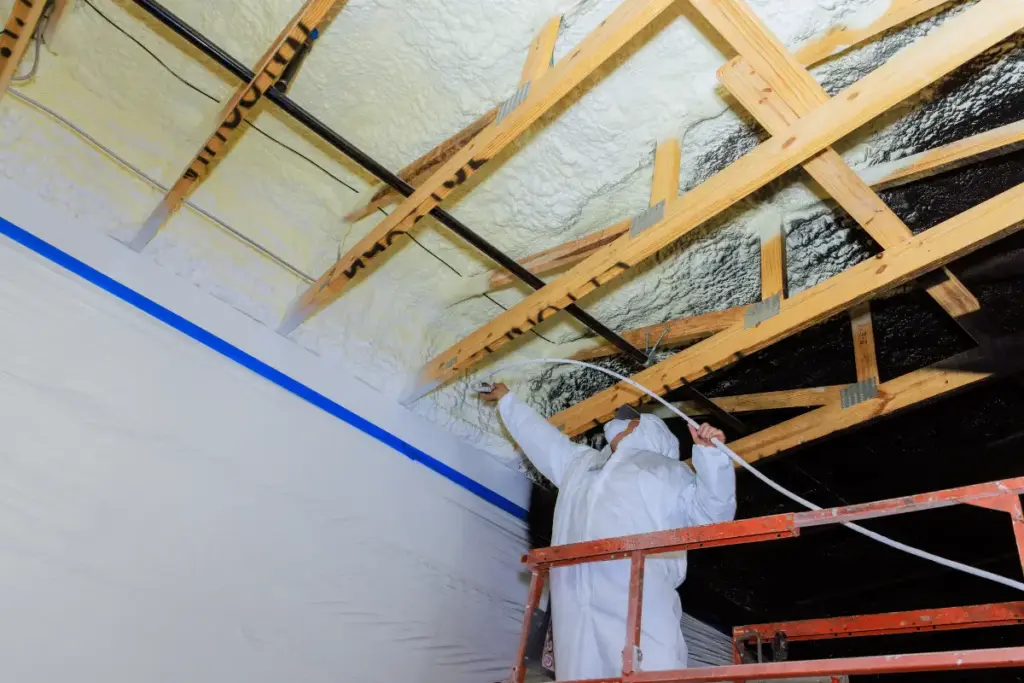
Testing for asbestos in walls, ceilings, and floor materials involves a systematic method to guarantee safety and compliance with health regulations. This process typically requires careful planning and execution to minimise risks associated with asbestos exposure.
Key steps in the testing process include:
- Visual Inspection: Trained professionals assess the materials for signs of asbestos-containing substances.
- Sample Collection: Small samples of suspect materials are securely collected using specialised tools to avoid contamination.
- Laboratory Analysis: Samples are sent to accredited laboratories for precise analysis using methods like polarised light microscopy (PLM) or transmission electron microscopy (TEM).
- Risk Assessment: Results are evaluated to determine the presence and percentage of asbestos, guiding further action.
- Documentation: Detailed reports are generated that outline findings and recommendations for safe management or removal.
This structured method guarantees accurate results while prioritising safety for everyone involved.
Who Is Qualified to Carry Out Asbestos Testing
Certified professionals play an essential role in conducting asbestos testing to ensure safety and regulatory compliance. How can you test for asbestos is a question best answered by trained individuals who typically possess specialised training and certifications, making certain they are equipped to handle hazardous materials responsibly.
Asbestos inspectors and assessors often hold licenses issued by relevant authorities, which validate their expertise in identifying and evaluating asbestos-containing materials (ACMs) in buildings.
In addition to formal qualifications, experience is key. Qualified professionals usually have a background in environmental science, industrial hygiene, or a related field, enabling them to method testing with a thorough understanding of possible risks.
Familiarity with local laws and industry standards is also important, as regulations can vary notably by region. Ultimately, engaging a qualified expert ensures that asbestos testing is performed safely, reducing exposure risks and helping property owners make informed decisions regarding remediation and management of their environments.
How Laboratory Analysis Confirms the Presence of Asbestos
Laboratory analysis plays an essential role in confirming the presence of asbestos within collected samples. This process is essential for ensuring that hazardous materials are accurately identified, enabling informed decision-making regarding health and safety.
Key methods employed in laboratory analysis include:
- Polarised Light Microscopy (PLM): This technique examines the physical properties of asbestos fibres.
- Transmission Electron Microscopy (TEM): A highly sensitive method that can detect smaller asbestos fibres.
- X-ray Diffraction (XRD): Used to identify the mineral composition of samples.
- Infrared Spectroscopy: Helps to determine the chemical structure of asbestos.
- Bulk Sample Analysis: Involves evaluating larger samples to confirm the presence and quantity of asbestos.
Through these methods, laboratories provide definitive analyses that support safe environments and protect individuals from possible asbestos exposure.
Accurate results empower stakeholders to take necessary actions to guarantee safety.
Situations Where Asbestos Testing Is a Legal Requirement
As regulations surrounding public health and safety evolve, how can you test for asbestos becomes a key requirement to confirm compliance with legal standards. Property owners and employers must conduct testing during renovations or demolitions of buildings constructed before 1980, as these structures often contain asbestos.
Additionally, if a building undergoes significant repairs, testing is required to ascertain that any disturbed materials do not pose a risk to workers or occupants.
Furthermore, schools and childcare facilities are obligated to perform regular asbestos assessments to protect children and staff. If a building experiences water damage or other incidents that may compromise asbestos-containing materials, immediate testing becomes essential.
Compliance with these legal requirements not only safeguards public health but also protects property owners from possible liabilities. By understanding these situations, individuals can navigate the complexities of asbestos regulations with greater awareness and confidence, guaranteeing a safe environment for all.
Risks Involved in Attempting Asbestos Testing Without Training
Attempting asbestos testing without proper training poses significant risks, as how can you test for asbestos safely is a concern for both the tester and those in proximity to the suspected materials.
Untrained individuals may inadvertently release harmful asbestos fibres into the air, leading to serious health risks. The following points highlight the dangers involved in untrained asbestos testing:
- Health Danger: Inhalation of asbestos fibres can cause serious diseases, including lung cancer and mesothelioma.
- Legal Consequences: Improper handling of asbestos may lead to legal liabilities and fines.
- Environmental Contamination: Testing without precautions can result in widespread contamination of living spaces.
- Inaccurate Results: A lack of expertise can yield misleading results, leading to unnecessary alarm or complacency.
- Inadequate Safety Measures: Untrained individuals may not use essential protective gear, increasing exposure risks.
For the safety of all, it is essential to engage certified professionals for asbestos testing and management.
How Can You Test for Asbestos During Property Refurbishment
How can property owners confirm that a refurbishment is safe when asbestos may be present? To safeguard safety, it is essential to conduct thorough asbestos testing before any renovation begins.
Property owners should engage certified professionals trained in asbestos identification and sampling. How can you test for asbestos is addressed when these experts use specialised techniques to collect samples from suspect materials, such as insulation, flooring, and ceiling tiles, while adhering to safety protocols.
Once collected, samples must be analysed in an accredited laboratory to determine the presence and concentration of asbestos fibres. Proper documentation of the testing process is essential for legal and safety compliance.
Property owners should also consider conducting testing outside of occupied hours to minimise exposure risks. By taking these measured steps, property owners can confidently method refurbishment projects, confirming that their environments remain safe and compliant with health regulations.
What Asbestos Test Results Mean for Next Steps
Receiving asbestos test results is an essential step in determining the next actions for property owners.
Depending on the findings, the course of action may vary considerably. If asbestos is detected, it’s imperative to carefully evaluate the situation to ensure safety and compliance.
- Immediate containment: Limit access to affected areas to prevent exposure.
- Professional consultation: Engage licensed asbestos professionals for assessment and remediation.
- Determine risk level: Assess whether the asbestos poses a considerable health risk based on its condition and location.
- Plan for removal or management: Decide whether to remove the asbestos or manage it in place, depending on the situation.
- Follow local regulations: Ensure all actions comply with local laws and guidelines on asbestos handling.
Cost Factors That Affect Asbestos Testing Services
When considering asbestos testing services, several cost factors can greatly influence the overall expense. The size of the property is a primary determinant; larger buildings typically require more extensive testing, which increases costs.
Additionally, the complexity of the structure can necessitate specialised equipment or more detailed analysis, further impacting the price. The chosen testing method bulk sampling, air testing, or laboratory analysis also affects costs.
Geographic location can affect pricing due to regional demand and the availability of certified professionals. How can you test for asbestos also depends on the urgency of the testing, which can lead to premium charges for expedited services.
Finally, any necessary follow-up inspections or remediation efforts will add to the total cost, underscoring the importance of considering both immediate testing and possible long-term implications when budgeting for asbestos testing services.
Why Accurate Asbestos Testing Matters for Long-Term Safety
Accurate asbestos testing is essential for guaranteeing long-term safety in any building. The presence of asbestos poses significant health risks, making precise identification essential. Neglecting proper testing can lead to hazardous exposure and compromise the well-being of occupants.
Key reasons why accurate asbestos testing matters include:
- Health Protection: Reduces the risk of asbestos-related diseases, such as mesothelioma and asbestosis.
- Informed Decision-Making: Enables property owners to make educated choices about renovations or demolitions.
- Legal Compliance: Guarantees adherence to local and federal regulations regarding asbestos management.
- Cost Efficiency: Prevents costly remediation efforts arising from undetected asbestos.
- Peace of Mind: Provides reassurance to occupants that their environment is safe and free from harmful materials.
In essence, thorough asbestos testing serves as a cornerstone for maintaining a safe, healthy living or working space.
Frequently Asked Questions
Can I Test for Asbestos Myself Using DIY Kits?
Testing for asbestos using DIY kits is possible, but not recommended. These kits may lack accuracy and fail to meet safety standards. Professional testing guarantees reliable results and minimises exposure risks, offering property owners peace of mind.
How Long Does the Asbestos Testing Process Take?
The asbestos testing process typically takes between 24 hours and several days, depending on the method used and laboratory processing times. Timeliness varies, but thoroughness remains essential for ensuring safety and accurate results.
What Should I Do if Asbestos Is Found?
If asbestos is found, the individual should immediately avoid disturbing the area, seek professional remediation services, and follow local guidelines for safe handling and disposal to guarantee the safety of all occupants.
Are There Any Safe Levels of Asbestos Exposure?
No safe level of asbestos exposure exists; even minimal contact can lead to serious health risks, including lung diseases. Awareness and prevention are essential for protecting oneself from the dangers associated with asbestos fibres.
How Often Should Buildings Be Tested for Asbestos?
Buildings should be tested for asbestos every few years, especially if renovations occur or if the structure is older. Regular assessments guarantee safety and compliance, safeguarding occupants from possible health risks associated with asbestos exposure.
Conclusion
In summary, how can you test for asbestos is essential to ensuring safe and accurate testing in buildings to safeguard health and comply with regulations. By engaging certified professionals to conduct thorough inspections and laboratory analyses, property owners can make informed decisions regarding renovations and remediation. Understanding the implications of test results is key for planning next steps. Ultimately, prioritising accurate asbestos testing contributes significantly to long-term safety and well-being for all occupants.