




How Thick Are Fire Doors in the UK? In the UK, fire door thickness is a key aspect of fire safety regulations. Typically, these doors range from 30mm to 68mm, depending on their fire-resistance rating. Understanding the specific requirements for fire-rated doors can be complex, especially when asking, How Thick Are Fire Doors in different settings. Property owners need to be aware of these standards to guarantee compliance and safety. What are the implications of choosing the wrong thickness? The answers may surprise you.
Key Takeaways
- Fire doors in the UK typically range in thickness from 30mm to 68mm, depending on their fire-resistance rating.
- FD30 fire doors are commonly 44mm thick, while FD60 doors measure 54mm for commercial properties.
- Higher fire-resistance ratings, such as FD120, require thicker doors, often reaching 68mm.
- Fire doors are thicker than standard doors and are constructed from solid materials like wood or steel for increased safety.
- Compliance with thickness requirements is essential for effective fire containment and overall safety in buildings.
Standard Fire Door Thickness: What Every Property Owner Should Know
Although it is important to study How Thick Are Fire Doors in the UK? fire doors play an important role in enhancing safety, many property owners may not be fully aware of the standard thickness requirements in the UK, often asking, How Thick Are Fire Doors. These thickness specifications are significant for guaranteeing that the doors can effectively contain fire and smoke, and therefore provide essential protection during emergencies.
Generally, fire doors are available in various thicknesses, commonly ranging from 30mm to 44mm. The thickness is determined by the fire rating, which indicates how long the door can withstand fire exposure. A higher fire rating typically necessitates a thicker door.
Additionally, the construction materials and design contribute to the overall effectiveness of fire doors. Property owners are advised to consult with professionals to guarantee compliance with building regulations and safety standards.
Understanding these thickness requirements is important for anyone responsible for maintaining a safe environment, as neglecting them could compromise the safety features intended to protect lives and property.
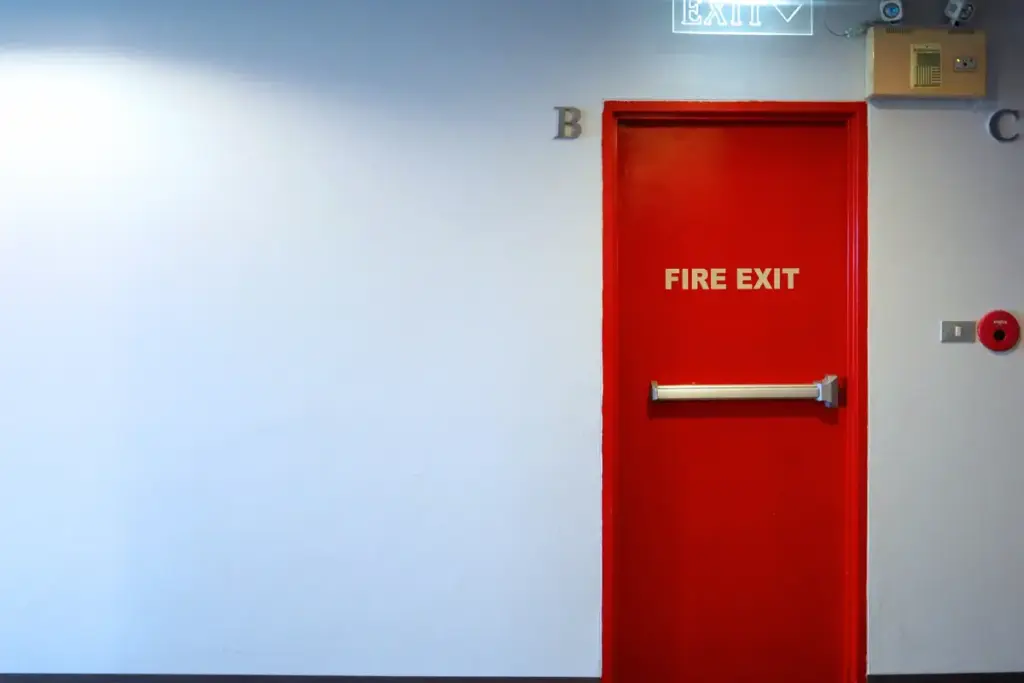
UK Fire Door Thickness Requirements Explained Simply
Understanding UK fire door thickness requirements is essential for guaranteeing safety in any property, especially when considering How Thick Are Fire Doors. Fire doors are designed to withstand the spread of fire and smoke, and their thickness plays a significant role in this function.
Generally, the thickness of fire doors varies depending on their fire rating, with common options being 30 minutes (FD30) and 60 minutes (FD60). An FD30 door typically has a thickness of around 44mm, while an FD60 door is often 54mm thick. These dimensions help assure that fire doors can effectively contain flames and prevent smoke from spreading, thereby providing reproving protection during a fire emergency.
Additionally, UK regulations mandate that fire doors must be fitted with appropriate hardware and maintained properly to function as intended. Property owners should be aware of these specifications to guarantee compliance and magnify safety within their premises.
Minimum Thickness Needed for a Door to Qualify as Fire-Rated
To qualify as fire-rated, a door must meet specific minimum thickness requirements that align with its designated fire-resistance rating. The thickness of fire doors is important in ensuring they can withstand high temperatures and provide adequate protection during a fire. Generally, the minimum thickness for a fire-rated door is 44mm, but this can vary based on the specific rating and materials used.
| Fire Rating | Minimum Thickness | Typical Applications |
| 30 minutes | 44mm | Residential areas |
| 60 minutes | 54mm | Commercial properties |
| 120 minutes | 68mm | High-risk environments |
These thickness measurements contribute to the door’s ability to resist flames and smoke, making them essential components in fire safety strategies, and often raise the question, How Thick Are Fire Doors. Ensuring compliance with these standards is key to both safety and regulatory adherence.
Fire Door Thickness vs Regular Doors: Key Differences That Matter
Fire doors differ considerably from regular doors regarding thickness, materials, and construction standards, leading many to ask, How Thick Are Fire Doors. Typically, fire doors are constructed to be thicker than standard doors, often measuring at least 44mm, which amplify their fire-resistance capabilities. This increased thickness is part of a broader design that includes specialised materials such as solid wood or steel, compared to the more common hollow-core construction of regular doors.
Additionally, fire doors are built to meet specific building regulations that guarantee safety during emergencies, such as the ability to withstand fire for a predetermined duration. Regular doors do not adhere to these stringent requirements and often lack the necessary seals and hardware that are integral to fire doors.
These differences are essential, as they directly impact the effectiveness of fire doors in protecting life and property, making understanding their distinct properties essential for safety compliance.
How Fire Resistance Ratings Influence Door Thickness
As fire resistance ratings play an essential role in determining the performance of a fire door, they directly influence the required thickness and materials used in its construction. Fire doors are classified based on their ability to withstand flames, heat, and smoke for specific durations. The higher the fire resistance rating, the thicker the door must be to guarantee adequate protection.
| Fire Resistance Rating | Recommended Thickness |
| 30 Minutes | 44mm |
| 60 Minutes | 54mm |
| 90 Minutes | 66mm |
| 120 Minutes | 78mm |
These thickness requirements are significant, as they not only increase the door’s ability to resist fire but also contribute to overall safety. Confirming compliance with these specifications helps protect lives and property, making it imperative for builders and property owners to understand the importance of fire resistance ratings in door selection.
Does Fire Door Thickness Affect Safety and Performance?
While many factors contribute to the effectiveness of a fire door, thickness plays an important role in enhancing both safety and performance, often prompting the question, How Thick Are Fire Doors. A thicker fire door typically provides greater protection against the spread of flames and smoke, as it is designed to withstand higher temperatures for longer durations. This increased mass can reduce the likelihood of structural failure during a fire, consequently offering more time for occupants to evacuate safely.
Moreover, the thickness of a fire door often correlates with its fire resistance rating. A higher rating indicates that the door can endure fire conditions for extended periods, making it a pivotal component in a building’s overall fire safety equipment’s.
Additionally, thicker doors can improve sound insulation and security, adding to their overall functionality. As a result, selecting an appropriately thick fire door is essential for ensuring both effective fire protection and increased safety in residential and commercial properties.
Thickness Guidelines for Fire Doors in Homes and Flats
When considering fire doors for homes and flats, adhering to specific thickness guidelines is essential for guaranteeing compliance with safety regulations and enhancing overall fire protection, especially when asking, How Thick Are Fire Doors.
In the UK, the minimum thickness for fire doors typically ranges from 30mm to 44mm, depending on the door’s fire rating. A 30-minute fire-resistance door usually measures at least 30mm, while a door rated for 60 minutes often has a minimum thickness of 44mm.
These thickness standards are significant as they contribute to the door’s ability to withstand fire and prevent its spread.
Additionally, the construction materials and core type, such as solid timber or mineral core, also influence the door’s overall effectiveness.
Homeowners and landlords must guarantee that any fire doors installed not only meet these thickness guidelines but are also properly fitted and maintained to uphold safety standards and protect occupants in the event of a fire.

Fire Door Thickness Standards for Offices and Commercial Buildings
Fire door thickness standards for offices and commercial buildings differ from those in residential settings, reflecting the unique safety requirements of these environments.
In the UK, fire doors in commercial spaces typically need to meet specific thickness criteria to guarantee adequate fire resistance, often leading to the question, How Thick Are Fire Doors. Generally, a minimum thickness of 44mm is recommended for fire doors that provide a one-hour fire rating, while those with a two-hour rating may require doors that are 54mm thick or more.
These standards are designed to limit the spread of fire and smoke, providing essential time for occupants to evacuate safely.
Additionally, the choice of materials, such as solid core wood or steel, plays an important role in achieving the necessary fire resistance.
Compliance with building regulations and fire safety codes is key to guarantee that fire doors function effectively in protecting lives and property within these commercial settings.
Common Mistakes When Choosing the Wrong Fire Door Thickness
Choosing the wrong fire door thickness can lead to significant safety risks and compliance issues in commercial buildings, often raising the question, How Thick Are Fire Doors. Many decision-makers make common mistakes that can compromise fire safety measures. Awareness of these pitfalls is essential for ensuring proper protection.
- Ignoring Regulations: Failing to adhere to local fire safety regulations can result in legal penalties and increased liability.
- Underestimating Fire Ratings: Selecting a door that does not match the required fire-resistance rating can jeopardise occupant safety.
- Overlooking Installation Requirements: Improper installation of a door, regardless of thickness, can diminish its protective qualities.
- Neglecting Maintenance: Fire doors require regular checks; a thick door that isn’t maintained can still fail in an emergency.
Ultimately, choosing the correct fire door thickness is crucial for compliance and safety, making informed decisions essential.
What Happens When a Fire Door Is Thinner Than Regulations Allow
A fire door that fails to meet regulatory thickness standards substantially compromises safety and compliance in a building, raising concerns about How Thick fire doors are. Thinner fire doors may not effectively contain smoke and flames, increasing the risk of fire spreading. This can lead to severe consequences, including property damage and possible loss of life. In addition, building owners may face legal ramifications and fines for non-compliance with safety regulations.
The following table illustrates the possible implications of using inadequate fire door thickness:
| Implication | Description |
| Safety Risk | Increased likelihood of fire spreading |
| Legal Consequences | Possible fines and liability claims |
| Insurance Issues | Claim denials due to non-compliance |
| Increased Damage | Higher costs for repairs and rebuilding |
| Reduced Property Value | Diminished market appeal and resale possible |
Frequently Asked Questions
Can I Install a Fire Door Myself, or Do I Need a Professional?
Installing a fire door requires careful adherence to safety regulations. While some individuals may attempt a DIY installation, hiring a professional is recommended to guarantee compliance with legal standards and ideal safety for occupants.
Are Fire Doors Required in Residential Properties?
Fire doors are typically required in certain residential properties, especially those with multiple dwellings or specific fire safety regulations. Their installation increases safety by containing fires and preventing smoke spread, ultimately protecting occupants and property.
What Materials Are Commonly Used for Fire Doors?
Fire doors are commonly constructed from materials such as steel, solid timber, and composite materials. These materials are specifically chosen for their fire-resistant properties, ensuring safety and compliance with relevant regulations in various buildings.
How Often Should Fire Doors Be Inspected and Maintained?
Fire doors should be inspected at least annually, with maintenance performed as needed. Regular checks guarantee proper functionality, compliance with safety standards, and effective fire protection, safeguarding both property and occupants from possible risk.
Do Fire Doors Come in Different Styles and Finishes?
Fire doors are available in various styles and finishes, including solid wood, metal, and composite materials. They can also feature different colours and designs, allowing for aesthetic integration within building interiors while maintaining essential safety functions.
Conclusion
To summarise, understanding the thickness of fire doors is essential for ensuring safety and compliance with UK regulations, especially when considering How Thick fire doors are. Fire doors come in various thicknesses depending on their fire-resistance ratings, with specific standards set for different types of buildings. Property owners must be vigilant in selecting the appropriate thickness to avoid possible danger, as using doors that do not meet regulatory requirements can lead to severe consequences during a fire. Prioritising the correct specifications ultimately increases fire safety for all occupants.