


how to wire a garage consumer unit? Wiring a garage consumer unit requires careful planning and adherence to safety protocols. UK homeowners must first confirm the power supply is turned off before proceeding. Understanding the essential components, such as circuits and breakers, is integral to a successful installation. With the right tools and materials at hand, one can navigate the complexities of wiring. However, the process involves more than just connecting wires; several key steps must be followed to guarantee efficiency and safety, all of which are central when learning how to wire a Garage Consumer Unit.
Key Takeaways
- Confirm the main power supply is off before starting the wiring process to ensure safety.
- Plan the wiring layout, identifying circuits for lighting and outlets before installation.
- Connect the incoming supply to the consumer unit, ensuring correct identification of live, neutral, and earth wires.
- Install circuit breakers for each circuit to prevent overloads and ensure safety compliance.
- Conduct thorough testing, including continuity and insulation resistance tests, to verify the integrity of the wiring.
How to Wire a Garage Consumer Unit? A Complete Step-by-Step Guide for Beginners
How to Wiring a garage consumer unit can seem intimidating for beginners, but with the right approach, it becomes a manageable task. To begin, one must guarantee that the power supply is turned off, promoting safety as the highest priority.
Next, carefully plan the layout of the wiring, taking note of the circuits needed for lighting and power outlets. Using the correct gauge of wire is essential for efficiency and safety.
Once the layout is established, connect the incoming supply to the consumer unit, guaranteeing that the live, neutral, and earth wires are properly identified and connected. Install circuit breakers for each circuit to protect against overloads.
After all connections are made, double-check each one to guarantee accuracy and safety. Finally, restore the power and test the unit, confirming that everything functions as intended.
This structured approach empowers individuals, allowing them to take control of their electrical needs.
Essential Tools and Materials You’ll Need Before Wiring a Garage Consumer Unit
Preparing for a garage consumer unit installation requires a selection of essential tools and materials that guarantee a smooth and safe process.
Having the right equipment not only enhances efficiency but also empowers homeowners to take control of their electrical projects.
Here are three key items to gather before beginning:
- Screwdrivers: A set of insulated screwdrivers is essential for securely fastening and loosening screws without risking electric shock.
- Wire Strippers: These specialised tools allow for precise stripping of insulation from wires, ensuring clean connections and reducing the risk of faulty wiring.
- Voltage Tester: This device is important for checking the presence of electrical current in the wires, ensuring that the working environment is safe before starting the installation.
Key Safety Steps to Follow When Working on a Garage Consumer Unit
Before initiating the installation of a garage consumer unit, prioritising safety is paramount. Homeowners should begin by confirming the power supply is completely turned off at the main breaker to prevent any accidental shocks.
Wearing insulated gloves and safety goggles is advisable, as these can provide essential protection against electric risk.
It is essential to work in a dry environment, as moisture can greatly increase the risk of electric shock. Additionally, homeowners should familiarise themselves with local regulations and standards to guarantee compliance, as this knowledge promotes both safety and functionality.
Using tools that are in good condition and specifically designed for electrical work is another important safety step. Homeowners are encouraged to have a clear workspace, free from clutter, to maintain focus and reduce distractions.
Ultimately, taking these precautions creates a safer environment, empowering homeowners to tackle their electrical projects with confidence.
How to Wire a Garage Consumer Unit? Understanding Circuits, MCBs, and RCD Protection
Understanding how to wire a garage consumer unit involves grasping the intricacies of electrical circuits, miniature circuit breakers (MCBs), and residual current device (RCD) protection.
A well-designed consumer unit enhances safety and efficiency, empowering homeowners to manage their electrical needs confidently.
- Electrical Circuits: Knowledge of series and parallel circuits is essential.
Circuits must be properly rated to handle the intended load, ensuring reliability.
- Miniature Circuit Breakers (MCBs): These devices automatically disconnect circuits in case of overloads or short circuits, protecting both the wiring and appliances from damage.
- Residual Current Device (RCD) Protection: RCDs prevent electric shock by cutting off the electrical supply if they detect a fault.
This feature is vital for any garage setup, especially where water or damp conditions may exist.
Step-by-Step Wiring Process for Installing a Garage Consumer Unit
Wiring a garage consumer unit requires a systematic approach to guarantee safety and compliance with electrical standards. The process begins by confirming the main power supply is turned off.
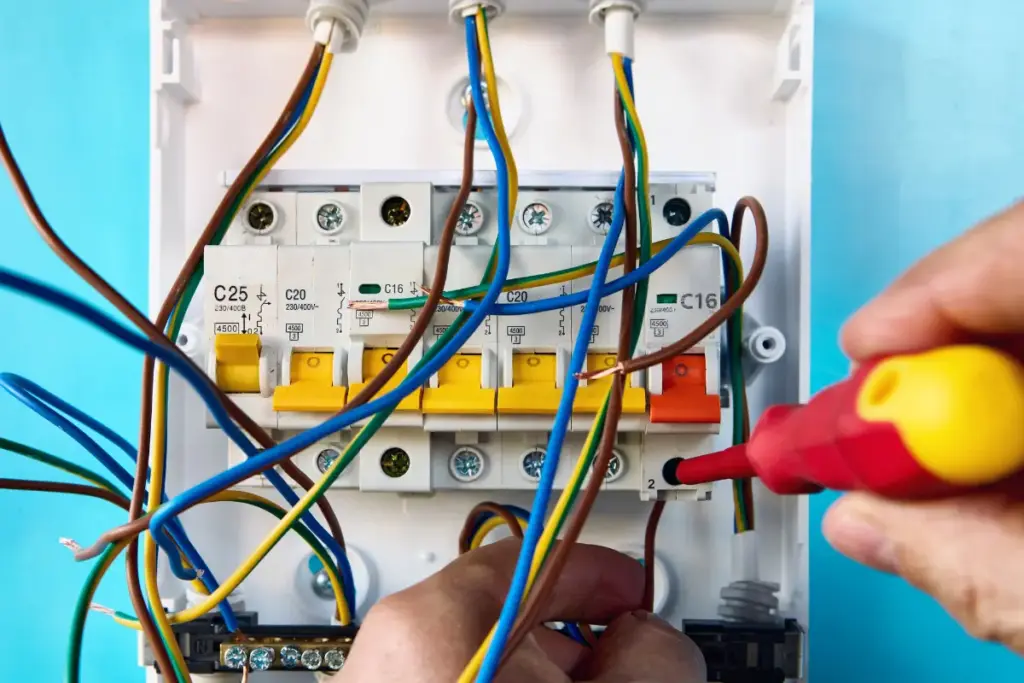
Next, the installer should mount the consumer unit securely in a dry, accessible location. Following this, they will connect the incoming supply cables, confirming proper identification of live, neutral, and earth wires.
Once the main supply is connected, the installer can proceed to wire the outgoing circuits. Each circuit should be fitted with an appropriate MCB and RCD for protection. The wires must be stripped and securely connected to the terminals, making sure there are no exposed conductors.
After all connections are made, the consumer unit door should be closed, and the power can be restored.
Finally, a thorough inspection of the installation and testing of circuits should be conducted to confirm functionality and safety before use.
The Most Common Wiring Errors in Garage Consumer Units and How to Avoid Them
While installing a garage consumer unit, common wiring errors can lead to safety danger and operational failures. Awareness of these pitfalls is essential for homeowners seeking independence in their electrical projects.
Here are three common wiring errors to avoid:
- Incorrect Wire Connections: Failing to match wires properly can cause circuit overloads and equipment damage. Always double-check connections as per the manufacturer’s guidelines.
- Neglecting Circuit Ratings: Using wires or breakers with insufficient ratings can result in overheating and fire risks. Verify all components are rated for the intended load.
- Poor Grounding Practices: Inadequate grounding can lead to electrical shocks. Grounding should be properly established to promote safety and equipment longevity.
How to Wire a Garage Consumer Unit? Cost Breakdown and What You Should Budget For
Installing a garage consumer unit requires careful planning and budgeting to guarantee a successful and safe setup. Homeowners should anticipate costs that cover various elements, including the consumer unit itself, which typically ranges from £100 to £300, depending on the brand and features.
Additionally, circuit breakers and RCDs can add £50 to £150 to the total.
Professional installation is a significant consideration, often costing between £200 and £500, depending on the complexity of the job. Tools and materials such as cables, connectors, and conduit may also contribute another £50 to £100.
Thus, a thorough budget could range from £400 to over £1,000, depending on choices and existing conditions. Homeowners are encouraged to plan for potential contingencies, ensuring they allocate enough resources for a safe and compliant installation, ultimately supporting their freedom to utilize their garage space effectively.
How to Wire a Garage Consumer Unit? Best Practices for Routing Cables and Load Management
Planning the routing of cables and managing load effectively are crucial steps in setting up a garage consumer unit. Proper cable management guarantees safety and efficiency, while load management prevents overloading circuits.
Here are three best practices to take into account:
- Route Cables Wisely: Use designated cable trays or conduits to keep cables organised and protected from damage. Confirm they follow a logical path to minimise bends and tangles.
- Distribute Load Evenly: Assess the total load of all connected devices and distribute them across different circuits. This helps to avoid overloading a single circuit and promotes balanced energy usage.
- Use Quality Components: Invest in high-quality cables, connectors, and circuit breakers. Reliable components enhance safety and reduce the risk of electrical failures, allowing for a more liberated use of the garage space.
How to Wire a Garage Consumer Unit? Professional vs DIY Installation / What’s Right for You?
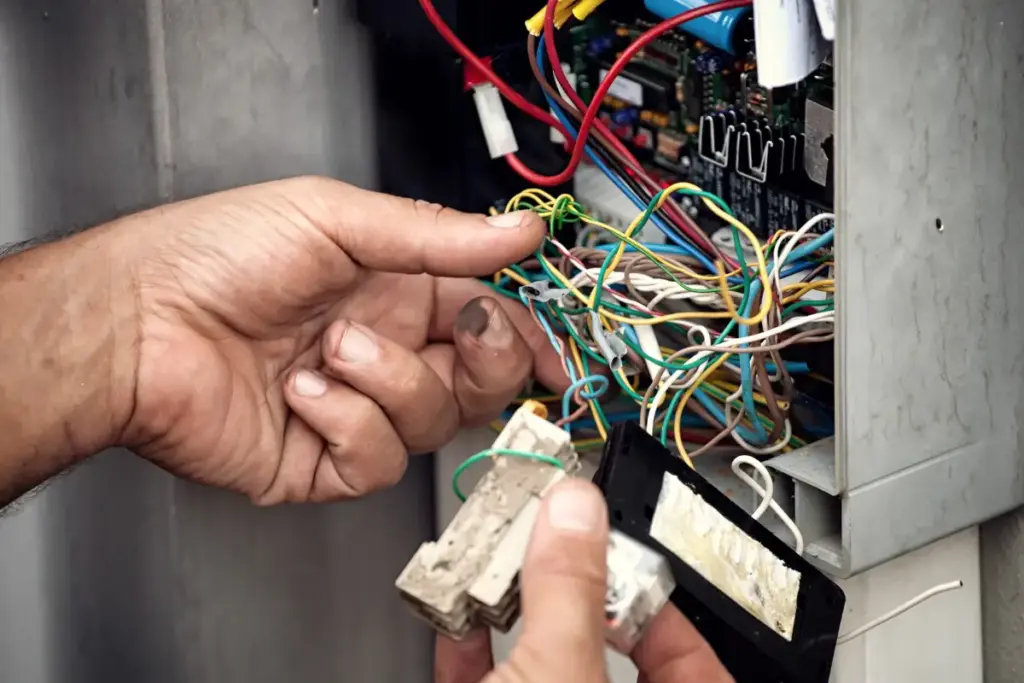
What factors should one consider when deciding between professional installation and a DIY approach for wiring a garage consumer unit? First, assess technical skills and electrical knowledge. A confident DIYer may enjoy the freedom and cost savings of handling the project, while others might prioritize safety and compliance with regulations by hiring a professional.
The following table highlights key considerations for both options:
| Factor | DIY Installation | Professional Installation |
| Cost | Generally lower | Typically higher |
| Skill Level Required | Basic to intermediate | Advanced |
| Compliance | Self-assured but risky | Guaranteed adherence to standards |
| Time Investment | Variable based on skill | Quicker due to expertise |
Ultimately, the choice hinges on one’s comfort level with electrical work, budget constraints, and the desire for a compliant, safe installation.
How to Wire a Garage Consumer Unit? Final Testing, Inspection, and Certification Steps
After completing the wiring of a garage consumer unit, the focus shifts to final testing, inspection, and certification steps to guarantee a safe and compliant installation.
These steps confirm that the system operates efficiently and adheres to regulations, allowing homeowners to enjoy their newfound freedom in their garage space.
- Perform Continuity Tests: Check that all circuits are properly connected and there are no breaks in the wiring.
- Conduct Insulation Resistance Tests: Verify that the wiring insulation is intact and can withstand potential faults, providing peace of mind.
- Obtain Certification: Engage a qualified electrician to inspect the installation and issue a compliance certificate, validating the work and confirming it meets local standards.
Frequently Asked Questions
Can I Wire a Garage Consumer Unit Without Prior Electrical Experience?
Wiring a garage consumer unit without prior electrical experience is risky. Knowledge of electrical systems is essential for safety and compliance. Seeking professional assistance or thorough training guarantees freedom from potential hazards and costly mistakes.
How Long Does It Typically Take to Wire a Garage Consumer Unit?
Wiring a garage consumer unit typically takes an experienced electrician between two to four hours, depending on the complexity of the installation and existing infrastructure, allowing homeowners to enjoy their space with minimal disruption.
What Are the Signs That My Garage Consumer Unit Needs Upgrading?
Signs of a garage consumer unit needing upgrading include frequent tripping, outdated fuses, visible wear or damage, insufficient capacity for modern appliances, and lack of RCD protection. These indicate potential safety hazards and inefficiencies requiring attention.
Are There Specific Regulations for Wiring in a Garage?
Yes, specific regulations govern garage wiring, including adherence to the IET Wiring Regulations. These guidelines guarantee safety, proper installation, and compliance, allowing homeowners the freedom to enhance their garages while maintaining electrical safety standards.
Can I Install a Garage Consumer Unit in a Detached Garage?
Yes, a garage consumer unit can be installed in a detached garage, provided it complies with local regulations and safety standards. Proper planning and professional guidance guarantee both functionality and adherence to electrical codes.
Conclusion
To sum up, wiring a garage consumer unit requires careful planning, adherence to safety standards, and an understanding of electrical components. By following the outlined steps, homeowners can successfully install and test their consumer unit, ensuring a safe and efficient power supply for their garage. Whether opting for a DIY approach or hiring a professional, proper execution of this project can enhance the functionality of the garage while providing peace of mind regarding electrical safety all of which are essential when understanding How to Wire a Garage Consumer Unit.