




Asbestos remains a significant concern for homeowners in the UK, especially in properties built before the mid-1980s. With an estimated 1.5 million homes unrealized harboring this hazardous material, understanding its presence and associated risks is imperative. This knowledge could impact renovation plans and safety measures. Homeowners may wonder, “Is Asbestos Still Commonly Found in UK Homes?”, what signs to look for, and how to manage dormant exposure. Exploring these aspects is essential for informed decision-making regarding home safety.
Key Takeaways
- Asbestos can still be found in approximately 1.5 million UK homes built before the mid-1980s, posing a hidden threat to homeowners.
- Homes constructed before 2000 are at a higher risk of containing asbestos materials, including insulation and flooring.
- Disturbing asbestos can release harmful fibers, leading to serious health conditions like asbestosis and mesothelioma.
- Professional inspections are recommended for homes suspected of containing asbestos, especially before renovations.
- Awareness of the risks and signs of asbestos is necessary for responsible homeownership and tenant safety.
Is Asbestos Still Commonly Found in UK Homes? What Every Homeowner Needs to Know
While many homeowners may believe that asbestos is no longer a concern, it remains a hidden threat in numerous properties across the UK, particularly those built before the mid-1980s. Is Asbestos Still Commonly Found in UK Homes? This question is especially relevant because asbestos was widely used in construction materials due to its fire-resistant properties and durability. Homes constructed during this period may contain asbestos in various forms, including insulation, floor tiles, and roofing materials.
Homeowners should be vigilant, as disturbance of these materials can release harmful asbestos fibers into the air, posing serious health risks. It is essential for homeowners to recognise the possible presence of asbestos and understand the importance of professional inspections.
If asbestos is suspected, engaging a certified specialist is important for safe identification and removal. Awareness and proactive measures can help mitigate risks associated with asbestos exposure, ensuring a safer living environment for residents. Therefore, understanding the presence of asbestos is fundamental for responsible homeownership.
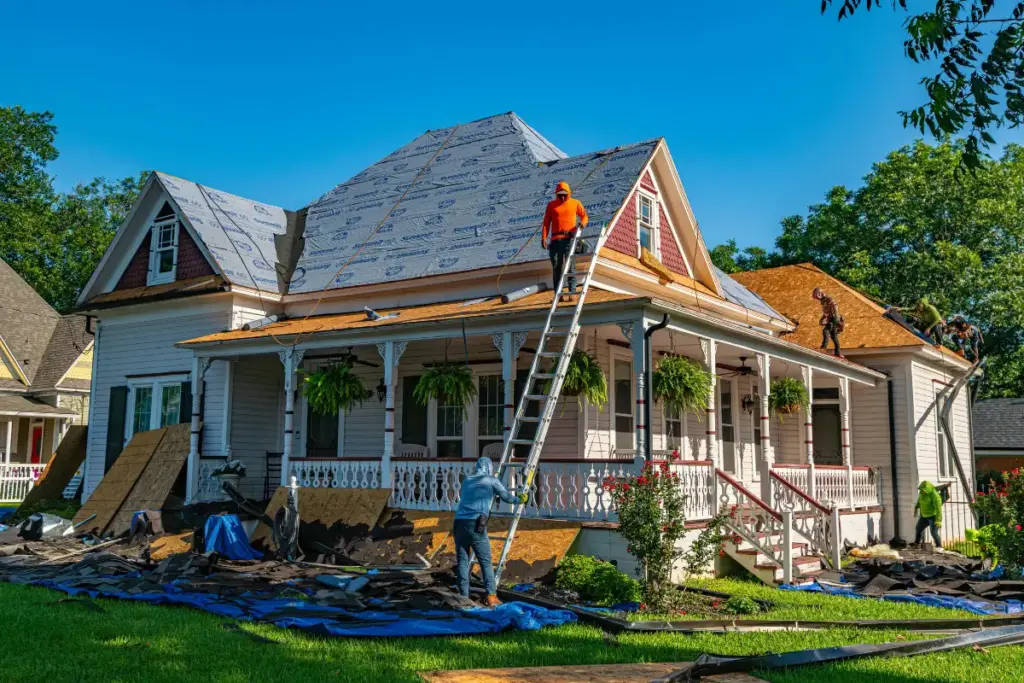
The Hidden Truth: How Common Is Asbestos in UK Homes Today
How prevalent is asbestos in UK homes today? Is Asbestos Still Commonly Found in UK Homes? Asbestos remains a significant concern, particularly in properties built before the year 2000. Estimates suggest that approximately 1.5 million homes in the UK may still contain asbestos materials, often hidden in places like insulation, floor tiles, and roofing.
Although the use of asbestos has been banned since 1999, many older homes retain these hazardous substances. Homeowners frequently overlook the presence of asbestos, making awareness vital. The risk of exposure increases during renovations or repairs, highlighting the importance of professional assessments before undertaking any work.
While not every older home will contain asbestos, the likelihood remains substantial, warranting careful consideration for those living in or purchasing such properties. Understanding the latent presence of asbestos is essential for ensuring safety and making informed decisions regarding home maintenance and renovations.Do Homeowners Need an Asbestos Report Before Renovation or Sale?
Is Asbestos Still Commonly Found in UK Homes? Key Warning Signs to Look Out For
Asbestos can still be found in many UK homes, especially those constructed before the late 1990s, making it essential for homeowners to recognise the key warning signs of its presence. Common indicators include textured ceilings, old insulation materials, and certain types of flooring. Identifying these materials can help in evaluating possible asbestos risks.
| Warning Sign | Description | Action |
| Textured Ceilings | Often found in homes built before the 1990s. | Consult a professional. |
| Old Insulation | Materials such as lagging or spray-applied insulation. | Avoid disturbing it. |
| Vinyl Flooring | Some older vinyl tiles may contain asbestos. | Have them tested. |
Homeowners should remain vigilant, as improper handling can lead to serious health risks. Awareness of these signs facilitates informed decisions regarding safety and maintenance.
UK Homes and Asbestos: Is It Still Common and What Should You Do About It?
Is it still a concern for homeowners? Asbestos remains a significant issue in many UK homes, particularly those built before the year 2000. Homeowners must be aware of the latent risks associated with asbestos exposure and take appropriate measures.
- Asbestos was widely used in construction materials.
- It can be found in insulation, roofing, and flooring.
- Disturbing asbestos can release harmful fibers into the air.
- Homeowners should consider professional inspections.
- Proper removal and disposal are key for safety.
Understanding the implications of asbestos is important for maintaining a safe living environment.
Homeowners are advised to educate themselves about the presence of asbestos in their properties and engage certified professionals for inspections if any materials are suspected to contain it.
Timely action can mitigate risks and guarantee that homes remain safe for current and future occupants.
Is Asbestos Still Commonly Found in UK Homes? A Detailed Guide for Buyers and Tenants
While many may assume that the dangers of asbestos are a relic of the past, the reality remains that it is still commonly found in UK homes, particularly those constructed prior to the year 2000. This persistent presence signifies the importance of awareness for both buyers and tenants.
| Material | Common Locations | Risks |
| Asbestos Insulation | Attics and walls | Lung diseases, cancer |
| Floor Tiles | Kitchens and bathrooms | Release of fibers |
| Ceiling Textures | Living areas | Respiratory issues |
| Pipe Lagging | Basements and boilers | Long-term exposure risks |
Understanding where asbestos may be located and its likely risk is essential for anyone engaging with properties built during this period. Home inspections and professional assessments can help mitigate health risks associated with exposure.

Buying or Renting? What You Must Know About Asbestos Still Found in UK Homes
When contemplating the implications of buying or renting a home in the UK, one essential factor often overlooked is the future presence of asbestos. Asbestos, used extensively in construction until the late 1990s, can still be found in older properties, posing significant concerns for both buyers and tenants.
Key points to take into account include:
- Age of the Property: Homes built before 2000 are more likely to contain asbestos.
- Asbestos Inspection: A survey can identify the presence of asbestos before purchase or lease.
- Renovation Risks: Disturbing asbestos during renovations can release harmful fibers.
- Legal Obligations: Landlords must guarantee that rental properties are safe from asbestos danger.
- Health Implications: Understanding the risks associated with asbestos exposure is essential for future occupants.
Awareness of these factors can help individuals make informed decisions regarding their housing options.
Is Asbestos Still Commonly Found in UK Homes? Understanding the Health Risks and Regulations
How prevalent is asbestos in UK homes today? Is Asbestos Still Commonly Found in UK Homes? Despite the ban on asbestos in the UK since 1999, it remains a concern in many properties built prior to this date.
Asbestos was commonly utilised in insulation, roofing, and flooring materials, making older homes particularly susceptible. Homeowners must be aware that undisturbed asbestos poses minimal risk; however, if disturbed, it can release harmful fibers that lead to serious health conditions, including asbestosis and mesothelioma.
Regulations surrounding asbestos management require that homeowners undertake proper assessments and maintain safety measures. The Control of Asbestos Regulations mandate that any work involving asbestos must be carried out by licensed professionals.
Therefore, understanding the presence of asbestos in one’s home is essential for safeguarding health and complying with legal obligations. Awareness and informed action can mitigate the risks associated with this hazardous material, ensuring safer living environments for all residents.
Is Asbestos Still Common in UK Houses? Expert Advice on Identification and Safety
What steps should homeowners take to identify asbestos in their properties? Recognising the presence of asbestos is essential for maintaining safety.
Homeowners are advised to follow these guidelines for effective identification:
- Inspect older materials: Check insulation, floor tiles, and ceiling textures in homes built before 2000.
- Look for labels: Some products may still have labels indicating asbestos content.
- Assess condition: Damaged or deteriorating materials pose higher risks; inspect for fraying or crumbling.
- Seek professional help: Engage licensed asbestos surveyors for accurate identification and testing.
- Avoid disturbance: If suspected asbestos is found, do not disturb it; instead, consult experts for remediation.
Is Asbestos Still Commonly Found in UK Homes? Why Older Properties Are More at Risk
Why are older properties more susceptible to containing asbestos? Is Asbestos Still Commonly Found in UK Homes? Homes built before the 1980s are at a higher risk due to the widespread use of asbestos in construction materials during that time. Asbestos was favored for its fire-resistant properties and durability, leading to its incorporation in insulation, roofing, flooring, and even wallboards asbestos surveys for commercial buildings.
Consequently, older properties may still house these hazardous materials, posing budding health risks to occupants.
Additionally, many renovations or repairs in older homes may disturb asbestos-containing materials, increasing the likelihood of exposure. Homeowners may be unaware of the presence of asbestos, especially if the materials remain undisturbed and in good condition.
It is essential for individuals living in older properties to recognise the presence of asbestos and to stay informed about its implications. Understanding this risk is integral for ensuring safety and making informed decisions regarding property maintenance and renovations.
Managing Asbestos Risks in UK Homes: What Modern Homeowners Need to Understand
Given the probable dangers associated with asbestos, modern homeowners must prioritise understanding how to manage the risks it poses in their properties. Being informed can prevent health risk and guarantee the safety of occupants.
Homeowners should consider the following key points:
- Identify Asbestos Presence: Engage professionals to assess if asbestos materials are present in the home.
- Do Not Disturb: If asbestos is found, avoid disturbing it; undisturbed materials are often safe.
- Professional Removal: Hire licensed contractors for any necessary asbestos removal or remediation.
- Regular Inspections: Schedule regular inspections for older homes to monitor the condition of materials.
- Stay Informed: Educate oneself about local regulations and guidelines related to asbestos management.
Frequently Asked Questions
How Can I Safely Remove Asbestos From My Home?
To safely remove asbestos from a home, individuals should hire licensed professionals trained in asbestos abatement. Proper containment, protective gear, and disposal methods are essential to minimise health risks associated with asbestos exposure during removal.
What Are the Costs Associated With Asbestos Removal?
Costs associated with asbestos removal vary widely, typically ranging from £500 to £3,000, depending on factors like the amount of asbestos, location, and necessary safety measures. Professional assessments can provide more accurate estimates for homeowners.
Are There Legal Obligations for Landlords Regarding Asbestos?
Landlords have legal obligations to manage asbestos risks in properties. They must guarantee safe conditions, conduct risk assessments, and provide information to tenants. Compliance is essential to avoid legal repercussions and guarantee tenant safety.
Can I Sell My Home if Asbestos Is Present?
Yes, a homeowner can sell a property with asbestos present. However, they must disclose its existence to possible buyers and may need to provide information about any management or remediation efforts undertaken.
How Do I Choose a Professional Asbestos Surveyor?
To choose a professional asbestos surveyor, one should verify qualifications, check for relevant experience, read client reviews, ascertain compliance with regulations, and request detailed quotes to compare services and costs effectively.
Conclusion
To sum up, asbestos remains a significant concern for homeowners in the UK, particularly in properties built before the mid-1980s. Is Asbestos Still Commonly Found in UK Homes? With millions of homes latent containing this hazardous material, awareness of its presence and the associated health risks is essential.
Homeowners should prioritise the identification and safe management of asbestos to protect themselves and their occupants. By understanding the regulations and seeking professional advice, homeowners can navigate the complexities of asbestos safely and responsibly.