



Wiring a consumer unit is a detailed process that must be carried out with great care and attention to safety. It’s a key part of any property’s electrical system and must follow Part P of the Building Regulations and BS 7671 (IET Wiring Regulations) to ensure full compliance. These rules exist to prevent electrical faults, fires, and other serious hazards. Because the standards are technical and precise, this type of work is best handled by a qualified electrician. Attempting it without proper knowledge can lead to dangerous mistakes and costly issues later on. Knowing how to wire a consumer unit professionally not only guarantees safety but also provides peace of mind, knowing your property meets UK electrical safety requirements.
Key Takeaways
- Ensure compliance with BS 7671 Wiring Regulations and Part P of Building Regulations for safe installation.
- Disconnect power before starting installation to prevent electrical hazards.
- Use a certified electrician to ensure professional installation and compliance with safety standards.
- Conduct thorough testing of connections, insulation, and polarity to verify the integrity of the wiring.
- Properly label all circuits and maintain a neat cable arrangement for easy future maintenance and safety.
What Is a Consumer Unit and Why Is It Important?
A consumer unit, commonly known as a fuse box, is a crucial component of London’s residential and commercial electrical systems, safely distributing electricity throughout a building. This essential piece of equipment manages the electrical power supply, ensuring electricity is distributed effectively and safely across multiple circuits.
The primary function of a fuse box is to protect against electrical overloads and short circuits, which can pose serious safety hazards, including the risk of fire.
The importance of a consumer unit in any electrical setup cannot be overstated. It enhances safety by incorporating protection mechanisms, such as circuit breakers and residual-current devices (RCDs). These features help detect and respond to electrical faults, immediately cutting power to prevent damage and maintain the safety of building occupants.
Moreover, here you go through 6 reasons why a fuse is a critical part of an electrical system. Managing electrical loads and preventing potential overloads guarantees that the system operates within safe parameters, thereby reducing the risk of electrical failures and extending the lifespan of the entire system.
Key Components Inside a Consumer Unit Explained
Understanding the key components inside a consumer unit is essential for ensuring proper installation and safety. We will explore their functions, relationships, and importance in the overall effectiveness of a consumer unit.
Consumer Unit Enclosure
The consumer unit enclosure is the outer box that contains all the key parts of an electrical system, including the main switch, circuit breakers, and safety devices. Its primary purpose is to keep these components safely contained and to protect users from electric shocks or fire risks. Modern enclosures are usually made from metal, following BS 7671 (Amendment 3) regulations, which require fire-resistant materials for extra safety.
A good-quality enclosure also keeps wires tidy and allows easy access for maintenance or inspection. It should be securely fitted to a non-combustible surface and placed where it can be reached safely. The strength and design of the consumer unit enclosure are essential for the long-term safety and reliability of any home or business electrical system.

Main Switch
The main switch in a consumer unit serves as the central control. It enables the complete disconnection of the electrical supply to a property for maintenance or emergency purposes. The main switch ensures power can be safely shut off and enables secure electrical work or quick shutdowns in critical situations.
It is located at the front of the consumer unit, which is easily accessible and straightforward to operate. The main switch acts as the gatekeeper for all incoming electricity. It is directly connected to the meter and often has a prominent on/off indicator for clear status recognition. The switch’s design enables swift action, which is essential for preventing electrical hazards.
RCDs
Within consumer units, Residual Current Devices (RCDs) enhance electrical safety by rapidly disconnecting power when a fault is detected. These devices are essential in preventing electric shock and fire hazards caused by earth faults.
RCDs monitor the electrical current and immediately disconnect the circuit if they detect an imbalance in the electrical flow, indicative of a leakage to earth. This quick action helps to protect both human life and property by reducing the risk of serious injuries and fire.
RCDs are particularly important in environments where the risk of electrical shock is elevated, such as bathrooms or kitchens, where water increases the risk. They are also indispensable in outdoor areas or when using power tools.
In installation, RCDs can be configured to protect individual circuits or groups of circuits, offering flexibility in protection levels based on the specific requirements of the environment and the devices in use.
Choosing the right RCD is vital. Factors such as the sensitivity rating, which typically ranges from 10 mA to 500 mA, and the type of RCD (e.g., Type AC, A, F, or B) should be considered to match the specific needs of the installation, ensuring compliance with electrical standards and enhancing safety.
MCBs
Safety and efficiency in electrical systems are greatly enhanced by Miniature Circuit Breakers (MCBs). MCBs serve as protective devices that automatically cut off electrical power in the event of overload or short circuit, ensuring the protection of both the electrical system and the premises. Unlike fuses, MCBs can be reset without replacement, making them both cost-effective and convenient for users.
Each MCB is designed to trip when the current surpasses a certain threshold, which varies depending on the requirements of the protected circuit. This specificity allows for precise control over different areas or appliances within a building, reducing the risk of widespread electrical failure. MCBs are commonly categorised by their trip characteristics, typically denoted as Type B, C, or D, each designed to handle different load types and response times.
Installation of MCBs requires careful consideration of the circuit’s total load, the nature of connected devices, and compliance with electrical standards. Regular maintenance and testing are also essential to maintain ongoing reliability and safety.
Busbars
Another integral component of the consumer unit is the busbar. They distribute power from the supply point to multiple circuits within the unit. Typically made of copper or aluminium, these metallic strips or bars ensure the safe and efficient transmission of electrical current through the consumer unit.
Busbars are designed to carry the full electrical current. Their capacity and size vary depending on the requirements of the building’s electrical system. In a consumer unit, busbars are positioned to connect directly to the main switch or isolator and extend to each circuit breaker. This setup allows for an organised and systematic flow of electricity, minimising resistance and heat generation, which are essential for safety and efficiency.
The configuration of busbars often includes protective coverings to prevent accidental contact, which could result in electric shock or short circuits. When installing or inspecting busbars, it is vital to confirm they are securely mounted and free from corrosion or damage, as these factors could impair their functionality.
Legal Requirements Before Wiring a Consumer Unit in the UK
Before installing a consumer unit in the UK, it is essential to comply with specific legal standards. How to wire a consumer unit safely in London homes depends on the primary regulations, including Part P of the Building Regulations, which ensure that all electrical installations in domestic environments are safe. Understanding the BS 7671 electrical safety certificate is important because it provides detailed standards for electrical installations.
The rules cover various aspects of installation, including the equipment’s IP (Ingress Protection) rating, thorough testing of electrical circuits, and the proper placement of the consumer unit to avoid hazards.
The following table highlights key aspects to take into account when planning the installation of a consumer unit:
| Consideration | Description |
| IP Rating | Ensure the consumer unit meets specified IP ratings to protect against environmental influences. |
| Testing | Extensive testing must be performed to confirm the safety and efficacy of the electrical circuits. |
| Placement | The unit must be positioned in a location that is accessible for maintenance but safe from general interference. |
| Compliance | Adhere to Part P and BS 7671 standards throughout the installation process. |
Understanding and implementing these considerations are essential for a compliant and safe installation.
Step-by-Step Overview of How a Consumer Unit Is Wired
A step-by-step guide on how to wire a consumer unit in London is a meticulous process that requires adherence to specific steps to guarantee safety and compliance with electrical standards. The procedure begins by isolating the power supply to secure the work environment, followed by carefully mounting the unit on a suitable surface.
Subsequent steps involve connecting mains supply cables, wiring individual circuits with appropriate protective devices, and thorough testing and labelling to facilitate future maintenance and safety checks.
Step 1 – Isolate the Power Supply and Ensure Site Safety
Before any work begins, the electrical supply must be completely isolated to prevent electric shock or injury. The main switch or supply fuse should be turned off and locked in the ‘off’ position, with clear warning signs posted to inform others that electrical work is in progress. This step ensures that no live wires are exposed during installation.
Once the power is off, the electrician performs basic safety checks to confirm there is no live voltage present. Proper personal protective equipment (PPE), such as insulated gloves and safety glasses, should be used. A workspace is also essential to maintaining safety throughout the process.
Step 2 – Mount and Secure the Consumer Unit in Position
The consumer unit should be mounted firmly on a non-combustible surface, such as plywood or fire-resistant board, to meet UK wiring regulations. The location must allow easy access for future maintenance while keeping the unit out of reach of children or unauthorised persons. It should also be installed at a suitable height, typically between 1350 mm and 1450 mm from the floor.
Once the position is chosen, the electrician marks the fixing points, drills the holes, and securely mounts the enclosure using screws and wall plugs. Correct positioning is essential to ensure that all incoming and outgoing cables can be routed neatly and safely without strain or obstruction.
Step 3 – Connect the Incoming Mains Supply Cables
After the unit is secured, the main supply cables live, neutral, and earth are connected to the main switch or isolator. These cables carry electricity from the meter to the consumer unit, so precision and secure connections are crucial. The electrician ensures that all terminations are tight and that the cable insulation is undamaged.
Proper cable glands or grommets are fitted where cables enter the enclosure to prevent wear or damage over time. The earth conductor is connected to the main earth terminal to ensure the property is safely grounded, reducing the risk of electric shock in case of a fault.
Step 4 – Wire the Individual Circuits and Install Protective Devices
Each circuit in the property, for example, lighting, sockets, and appliances, is then connected to its own protective device inside the consumer unit. These devices, such as MCBs (Miniature Circuit Breakers) or RCBOs (Residual Current Breaker with Overcurrent Protection), safeguard the circuits from overloads and faults.
The electrician carefully identifies and labels each circuit before making the connections. The live, neutral, and earth wires are connected to their respective terminals, ensuring firm, clean, and secure connections. This step is vital for organised wiring and for avoiding confusion during future inspections or repairs.
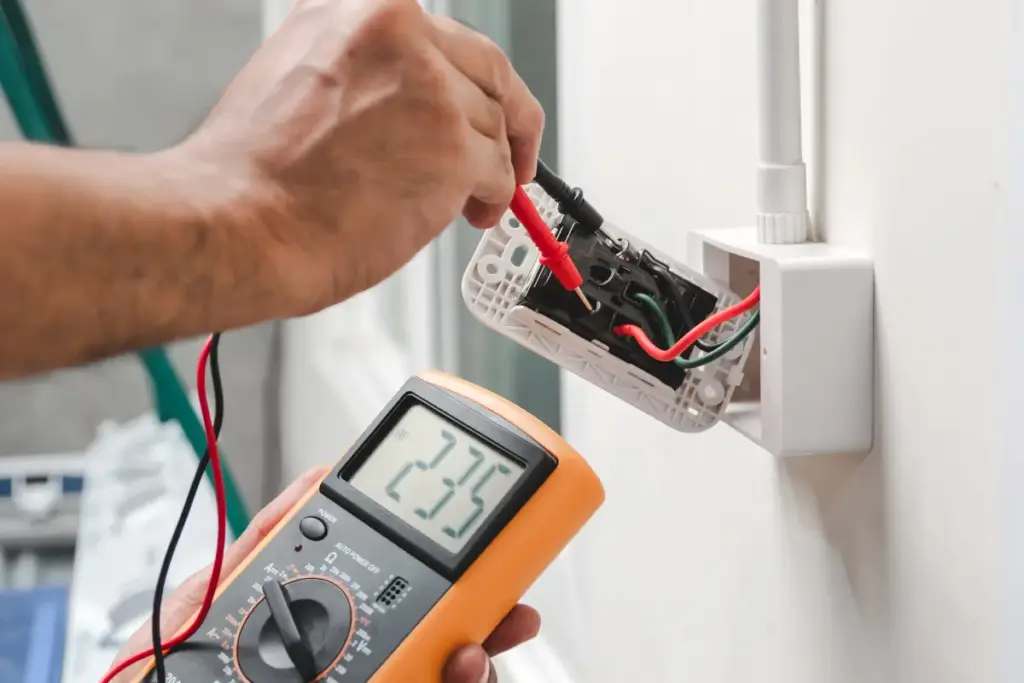
Step 5 – Test, Inspect, and Label the Consumer Unit
Having successfully connected and secured all individual circuits and protective devices, the next critical phase in wiring a consumer unit is to conduct thorough testing, inspection, and labelling. This process guarantees that the electrical installations meet safety standards and function correctly.
The following table summarises the key tests and their importance in the consumer unit setup:
| Test Type | Purpose |
| Continuity | Guarantees complete and secure connections |
| Insulation Resistance | Prevents potential electric shocks or fires |
| Polarity | Confirms correct connections of live and neutral wires |
| Labeling | Facilitates easy identification for maintenance |
| Visual Inspection | Checks for any physical damage or improper installations |
These measures collectively enhance the safety, compliance, and efficiency of the consumer unit’s operation.
Common Issues and Troubleshooting When Wiring a Consumer Unit
When wiring a consumer unit, common errors such as incorrect cable sizes, loose connections, and poor labelling can significantly compromise the system’s safety and functionality. These mistakes not only compromise the efficiency of the electrical system but also pose significant safety risks. Understanding and addressing these issues is vital for any professional involved in electrical installations.
Here are some key troubleshooting tips:
- Verify Cable Sizes: Incorrect cable sizing can lead to overheating and pose a fire hazard. Always check that the cable size matches the circuit’s current requirements using the latest wiring regulations as a guide.
- Secure All Connections: Loose connections can cause arcing and overheating. Ensure all connections are tight and secure to prevent electrical faults.
- Label Accurately: Proper labelling is essential for future maintenance and safety checks. Use durable, clear labels that accurately describe each circuit’s purpose and destination.
- Regular Inspection: Routine checks can help identify and rectify any of the above issues before they escalate. Incorporate a schedule for periodic inspection and testing into the maintenance routine.
Why Upgrade Your Consumer Unit?
Upgrading fuse boxes is constructive. Modern consumer units are designed with the latest safety standards in mind, incorporating features such as Residual Current Devices (RCDs) and Miniature Circuit Breakers (MCBs). These components are essential in protecting against electrical shocks and fire hazards by quickly cutting off power in the event of a fault.
Furthermore, older consumer units might not comply with current electrical regulations, which can compromise safety and may affect your home insurance. Upgrading ensures compliance with the latest standards, offers peace of mind, and may lower insurance premiums.
Additionally, modern units are better equipped to handle increased electrical loads from contemporary appliances and technology-driven devices, reducing the risk of overload and subsequent electrical issues. An upgraded consumer unit also provides more transparent, organised circuit labelling, which simplifies maintenance and troubleshooting. This is particularly beneficial during renovations or when adding new appliances.
Signs You Need a Replacement
Recognising the signs that your consumer unit needs to be replaced is essential for maintaining electrical safety and efficiency in your home. Over time, consumer units can become outdated or show wear, potentially compromising the safety of your electrical system.
Here are four key indicators that it might be time to contemplate replacing your consumer unit:
- Frequent Tripping: If your circuit breakers frequently trip without a clear overload, this can be a sign of a deteriorating consumer unit that struggles to handle current safely.
- Burn Marks or Smell: Any visible burn marks on the consumer unit or a persistent burning smell are critical indicators. These signs often suggest that the electrical components inside are failing and could potentially lead to electrical fires.
- Obsolete Components: Consumer units that contain rewirable fuses are considered outdated. Modern circuit protection devices offer enhanced safety features that older systems lack.
- Expansion Limitations: If your current consumer unit cannot accommodate additional circuits or RCDs for new appliances or renovations, it’s a clear sign that an upgrade is necessary to meet your home’s evolving electrical demands.
Understanding these signs and taking timely action guarantees the electrical integrity of your home, safeguarding your appliances and family. Learn more about the 3 things that indicate it’s time for fuse box replacement.
Benefits of Professional Consumer Unit Installation by Landlord Safety Certificate
Engaging professional consumer unit wiring services in London and choosing the Landlord Safety Certificate offers considerable benefits. When landlords choose to utilise expert services for such essential tasks, they guarantee not only the safety of their property but also the well-being of their tenants.
Here are four key advantages of professional consumer unit installation by Landlord Safety Certificate:
- Compliance Assurance: The installation meets all current electrical safety regulations, which can vary markedly from one locality to another. Professionals are up to date with these regulations, ensuring installations are compliant.
- Enhanced Safety: Qualified engineers have the expertise to identify potential hazards and implement solutions that prevent future electrical issues. This proactive safety management helps avoid accidents and electrical fires.
- Certification: Upon completion, landlords receive an official certificate confirming that the installation complies with legal standards. This is vital for insurance purposes and regulatory compliance.
- Long-Term Cost Savings: Proper installation and maintenance conducted by professionals can extend the lifespan of electrical systems, reducing the frequency and severity of repairs and replacements needed over time.
These benefits underscore the importance of choosing a certified, experienced service provider for consumer unit installation.
Who Is Qualified to Wire or Install a Consumer Unit?
While searching for “how to wire a consumer unit,” it is essential to confirm that the electricians performing the consumer unit wiring in London are fully qualified and certified. The wiring of consumer units is a critical component of a building’s electrical infrastructure and requires specific skills and knowledge to ensure installations are safe and comply with regulatory standards.
Only certified electricians are legally permitted to perform such tasks. These professionals are equipped to safely manage electrical complexities, adhering to national safety codes and regulations. Hiring someone without the proper certifications can lead to severe electrical failures, posing a risk of fire, electrical shock, and other significant hazards.
Moreover, certified electricians are required to stay up to date with the latest electrical standards and practices. This continuous professional development guarantees that any consumer unit installation or maintenance performed is compliant with the most current safety protocols, thereby protecting property and lives.
Frequently Asked Questions
Can DIY Modifications Affect My Consumer Unit’s Warranty?
DIY modifications to your consumer unit can void its warranty. Manufacturers typically require professional installation and adherence to specific standards for warranty validity. Always consult the warranty terms or a professional before making modifications.
How Often Should a Consumer Unit Be Inspected?
A consumer unit should be inspected at least every 10 years for domestic installations and every 5 years for commercial installations, or upon a change of occupancy, to ensure compliance with safety standards and regulations.
Are There Energy-Efficient Consumer Units Available?
Yes, energy-efficient consumer units are available, designed to reduce energy waste and improve overall efficiency. These units often incorporate modern technology and materials that comply with current energy conservation standards and regulations.
What Is the Average Cost to Replace a Consumer Unit?
Consumer unit installation and replacement costs in London typically start at £149.99, depending on factors such as unit specifications, regional pricing, and the complexity of the installation.
Can a Consumer Unit Affect My Home Insurance Policy?
Yes, a consumer unit can affect your home insurance policy. A modern, compliant unit may lower premiums thanks to enhanced safety features, whereas an outdated unit may increase premiums due to higher risk.
Conclusion
In summary, “how to wire a consumer unit” is a critical task that necessitates adherence to stringent safety and legal standards. Professional installation by certified electricians guarantees compliance with regulations such as Part P of the Building Regulations and BS 7671. This approach not only promotes electrical safety but also enhances the reliability and efficiency of the electrical system. Engaging experts minimises risks associated with improper installation, thereby safeguarding both property and inhabitants.