


Understanding What Qualifications to Perform EICR are necessary in the UK is essential for compliance and safety. The landscape of electrical standards requires specific certifications and knowledge. Various qualifications exist, yet not all electricians are equipped to conduct EICRs effectively. What separates a qualified electrician from an unqualified one? The answer lies in the details of certification and training that underpin these essential inspections.
Key Takeaways
- Qualified electricians must hold the City & Guilds 2391 certification to perform EICR in the UK.
- Familiarity with IET Wiring Regulations (BS 7671) is mandatory for compliance during inspections.
- A Level 3 Diploma in Electrical is essential for a comprehensive understanding of electrical systems.
- Continuing education is necessary to stay up to date with evolving regulations and standards.
- Property owners should verify electricians’ credentials to ensure legal compliance and safety.
What Qualifications to Perform EICR and Why They Matter
When considering What Qualifications to Perform EICR are required to perform EICR, it is essential to recognise that these credentials guarantee safety and compliance with UK regulations. A qualified individual typically holds relevant certifications, such as the City & Guilds 2391 or the IET Wiring Regulations (BS 7671). These qualifications signify a deep understanding of electrical systems and the intricacies of safety standards.
Moreover, having the right qualifications empowers professionals to conduct thorough inspections, identify possible risks, and ensure that installations meet legal requirements. This not only protects property and lives but also encourages peace of mind for clients seeking freedom from electrical risks.
In a world where autonomy and safety must coexist, embracing these qualifications becomes essential. Ultimately, the pursuit of freedom extends beyond personal choice to include the assurance of a secure environment, highlighting the importance of certified expertise in electrical assessments.
Who Is Legally Allowed to Carry Out an EICR in the UK
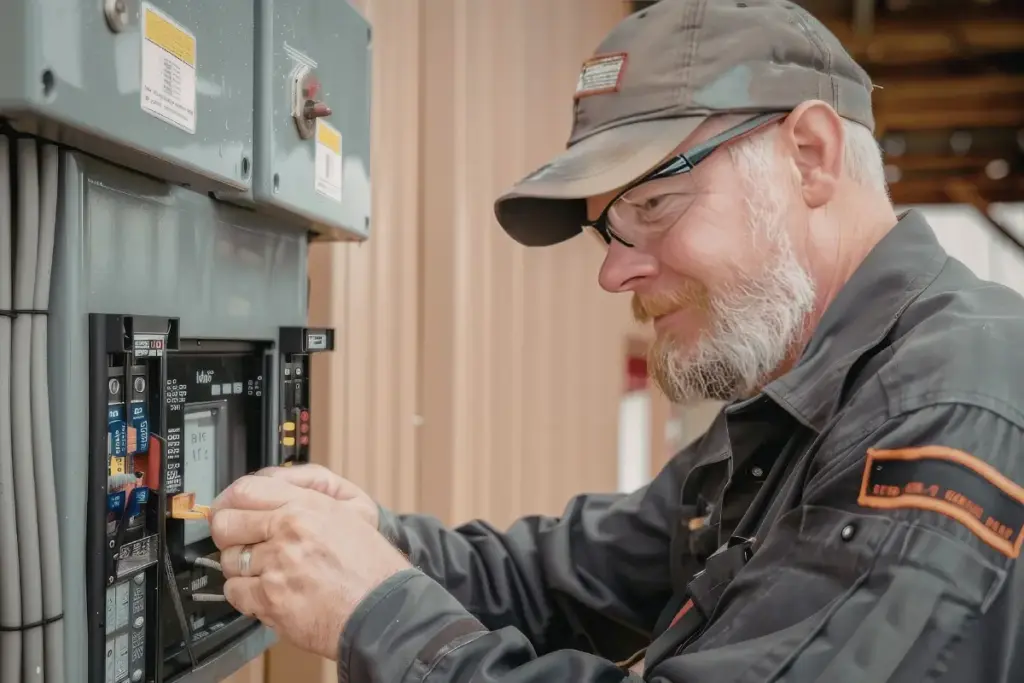
While various individuals may be involved in electrical work, only those with specific qualifications are legally permitted to carry out an Electrical Installation Condition Report (EICR) in the UK. This requirement guarantees safety and compliance with national standards. Typically, qualified electricians with the appropriate certifications, such as the City & Guilds 2391 or an equivalent, possess the necessary knowledge to perform an EICR effectively.
These professionals must also adhere to the IET Wiring Regulations (BS 7671), which govern electrical installations. Engaging a qualified individual not only safeguards property and individuals but also promotes accountability in electrical practices.
It is essential for property owners to verify the credentials of those they hire to ensure the work meets legal standards. By prioritising qualified personnel, the risk of electrical danger diminishes, ultimately promoting a safer environment for all.
Electrical Qualifications Required Before You Can Perform an EICR
To conduct an Electrical Installation Condition Report (EICR), professionals must possess specific electrical qualifications that confirm their competence and compliance with regulatory standards. These qualifications ascertain that the individual is well-versed in electrical safety, regulations, and testing procedures.
The following table outlines key qualifications required:
| Qualification | Description |
| City & Guilds 2391 | Inspection and Testing qualification |
| IET Wiring Regulations (BS 7671) | Knowledge of current wiring standards |
| Level 3 Diploma in Electrical | Thorough understanding of electrical systems |
Possessing these qualifications not only affirms the technician’s expertise but also increases the safety and reliability of electrical installations. It is essential for professionals to stay up to date on evolving regulations to maintain their ability to perform EICRs effectively.
What Qualifications Are Needed to Perform EICR for Landlord Properties
Landlords are required to ensure that the electrical systems in their properties comply with safety standards, making it essential to hire qualified professionals to conduct Electrical Installation Condition Reports (EICRs).
The professionals responsible for this should possess relevant qualifications and experience in electrical inspections. Specifically, they must hold the appropriate certifications and training that demonstrate their competence in evaluating electrical installations and identifying possible risks.
Furthermore, familiarity with the latest regulations and standards is essential to secure compliance. Landlords should seek individuals who have completed recognised courses, such as those accredited by the National Inspection Council for Electrical Installation Contracting (NICEIC) or similar bodies.
Level 3 and Level 4 Certificates Explained for EICR Work
Individuals seeking to perform Electrical Installation Condition Reports (EICRs) must often obtain specific qualifications, especially the Level 3 and Level 4 certificates. The Level 3 Certificate in Electrotechnical Technology is fundamental, focusing on the principles of electrical installations, safety regulations, and testing procedures. This qualification equips candidates with the knowledge to understand wiring systems and legal compliance essential for EICR assessments.
Conversely, the Level 4 Certificate explores deeper into the complexities of electrical systems, emphasising advanced testing methodologies and inspection practices. This certificate is designed for those who aspire to take on more responsibility and conduct thorough evaluations of electrical installations.
Both certifications are designed to guarantee that individuals possess the necessary skills and understanding to effectively assess and report on the safety and functionality of electrical systems, thereby promoting a safer environment for all.
Experience vs Qualifications, What Really Counts for EICR Testing
When it comes to conducting Electrical Installation Condition Reports (EICRs), the debate between experience and formal qualifications often arises. While both elements are essential, the balance can shift depending on individual perspectives.
- Practical Knowledge: Experience provides hands-on exposure to real-world electrical systems, promoting problem-solving skills that qualifications alone may not offer.
- Regulatory Understanding: Formal qualifications guarantee a thorough grasp of legal requirements and standards, which is essential for compliance.
- Industry Reputation: A qualified individual may be viewed as more credible, yet seasoned professionals can build a reputation through successful project completions.
Ultimately, the effectiveness of EICR testing hinges on a harmonious blend of both experience and qualifications.
While formal education lays the groundwork, practical experience enriches the ability to assess and report on electrical installations accurately.
This synergy empowers professionals to deliver reliable EICRs that meet safety standards.
Can Any Electrician Perform an EICR, or Are Extra Qualifications Needed
Can just any electrician conduct an Electrical Installation Condition Report (EICR), or What Qualifications to Perform EICR are actually necessary? While many electricians possess the foundational skills required for electrical work, conducting an EICR demands more specialised knowledge and training. Electricians must understand complex electrical systems, safety regulations, and inspection criteria to guarantee accurate assessments.
| Qualification Level | Description | Required for EICR |
| Basic Qualification | General electrical skills | No |
| Part P Certification | Domestic electrical work | Yes |
| City & Guilds 2391 | Inspection and testing skills | Yes |
| Relevant Experience | Hands-on field experience | Recommended |
| Continuous Learning | Ongoing education | Essential |
Possessing the right qualifications guarantees not only regulatory compliance but also the safety and reliability of electrical systems, offering peace of mind to property owners.
Approved Schemes and Registration Needed to Perform EICR
To carry out an Electrical Installation Condition Report (EICR) competently, electricians must also be part of approved schemes and hold appropriate registrations. These schemes ensure that electricians meet the required standards and are regularly assessed for competence. Without such affiliations, electricians may lack the credibility required to perform EICRs effectively.
Key requirements include:
- Membership in a Government-Approved Scheme: Electricians should be registered with a recognised body, such as NICEIC or ELECSA.
- Continuous Professional Development: Participation in ongoing training ensures electricians stay up to date on the latest regulations and practices.
- Insurance Coverage: Electricians must hold adequate insurance to protect against possible liabilities arising from their work.

Common Mistakes Electricians Make About EICR Qualifications
Despite their expertise, many electricians mistakenly overlook key aspects of EICR qualifications, which can lead to serious issues. One common error is assuming that previous experience in electrical work automatically qualifies them to conduct EICRs. This is misleading, as specific training and certification are key to ensuring regulatory compliance.
Additionally, some electricians fail to stay up to date with the latest legislative changes, leading to outdated practices that can jeopardise safety and legality. Another frequent mistake involves underestimating the importance of thorough documentation. Inadequate records can complicate future inspections and lead to disputes. Furthermore, electricians may fail to recognise the significance of using the correct testing equipment, which is essential for accurate assessments.
Ultimately, these oversights not only undermine the quality of service provided but also risk the safety of clients and their properties, prompting the need for a more conscientious method to EICR qualifications.
How to Get Fully Qualified to Perform EICR Step by Step
Achieving full qualifications to perform Electrical Installation Condition Reports (EICR) requires a structured method. Electricians aspiring to gain these credentials must follow a clear path to guarantee compliance with UK regulations and increase their skill set.
- Complete Initial Training: Enrol in and complete a recognised electrical training course to establish a solid foundation in electrical theory and safety standards.
- Obtain Relevant Certifications: Acquire essential qualifications, such as City & Guilds 2391-52 or equivalent, with a focus on inspection and testing procedures.
- Gain Practical Experience: Engage in hands-on experience by working under the supervision of a qualified electrician, which will solidify theoretical knowledge and build confidence in conducting EICRs independently.
Frequently Asked Questions
What Is the Purpose of an EICR?
The purpose of an EICR is to assess the safety and functionality of electrical installations, ensure compliance with regulations, identify possible dangers, and provide recommendations for necessary repairs or upgrades to increase safety and reliability.
How Often Should EICRS Be Conducted?
EICRs should typically be conducted every five years for rental properties or upon change of occupancy. Homeowners are advised to have them performed at regular intervals to ensure electrical safety and regulatory compliance.
What Happens if an EICR Fails?
If an EICR fails, the property owner must promptly address the identified issues. This may involve repairs or upgrades to ensure safety and compliance, protecting occupants from electrical danger and maintaining the property’s overall integrity.
Can Homeowners Perform Their Own EICR?
Homeowners can conduct their own EICR, but it’s generally unadvised due to possible safety risks and a lack of expertise. Professional assessments guarantee compliance and thoroughness, giving homeowners peace of mind regarding their electrical systems.
How Much Does an EICR Typically Cost?
An Electrical Installation Condition Report (EICR) typically costs between £100 and £300, depending on property size and complexity. Homeowners seeking safety and compliance may find the investment worthwhile for peace of mind and regulatory adherence.
Conclusion
In summary, understanding What Qualifications to Perform EICR in the UK requires specific certifications, including the City & Guilds 2391 and a thorough knowledge of the IET Wiring Regulations (BS 7671). Professionals must also possess a Level 3 Diploma in Electrical to guarantee compliance with safety standards. Understanding these qualifications is essential for electricians to carry out EICRs effectively, particularly for landlords, and to avoid common pitfalls in their practice.