



Certain working practices can be fire hazards in workplaces. Electrical hazards, such as faulty wiring and overloaded circuits, are significant risks, especially when regular maintenance and inspections are neglected. Inadequate storage and careless handling of combustible materials also serve to amplify these dangers, while poor housekeeping can leave flammable clutter unaddressed. Additionally, practices such as improper use of heating devices and insufficient safety training increase the risk. By thoroughly addressing these issues and fostering robust safety protocols, organisations can effectively mitigate these risks. Exploring additional measures and protocols could also provide insights into how to enhance workplace safety.
Key Takeaways
- Overloaded electrical sockets and circuits can overheat, posing a fire hazard.
- Poor storage of combustible materials can escalate fire risks in workplaces.
- Lack of regular maintenance for electrical and heating equipment increases fire hazards.
- Inadequate safety training fails to equip employees with the necessary fire prevention techniques.
- Misuse of heating devices, like placing them too close to flammable materials, poses significant fire risks.
Electrical Working Practices That Increase Fire Risk
Electrical working practices can significantly increase the risk of fire incidents when not properly managed. Common issues such as electrical wiring faults, overloaded sockets, and faulty equipment are primary contributors. In addition, the absence of regular inspections and adequate training exacerbates these risks, underscoring the need for stringent safety protocols.
Electrical Wiring Issues
Inadequate installation and maintenance of electrical systems are the main causes of workplace fire incidents. Faulty wiring and improper electrical setups not only pose serious risks but also break safety rules, potentially leading to serious outcomes. Businesses need to follow national electrical code standards, which provide guidelines for the proper installation and maintenance of electrical wiring.
One common issue is old wiring that can’t handle the current demand of modern appliances and equipment. This mismatch can lead to overheating and, eventually, a fire. Similarly, hidden dangers such as worn-out wires or loose connections may go unnoticed until a fire happens. Regular inspections by qualified electricians can spot and fix these risks before they become major problems.
Another important factor is how electrical wires are routed is also a part of the working practices can be fire hazards. Wires that run across floors or through busy areas can wear out, while those placed near flammable materials have a higher fire risk.
Ensuring that wiring is properly enclosed and routed away from potential hazards is important for maintaining a safe work environment. Awareness and proactive management of these electrical wiring issues are key steps in reducing workplace fire risks.
Overloaded Sockets
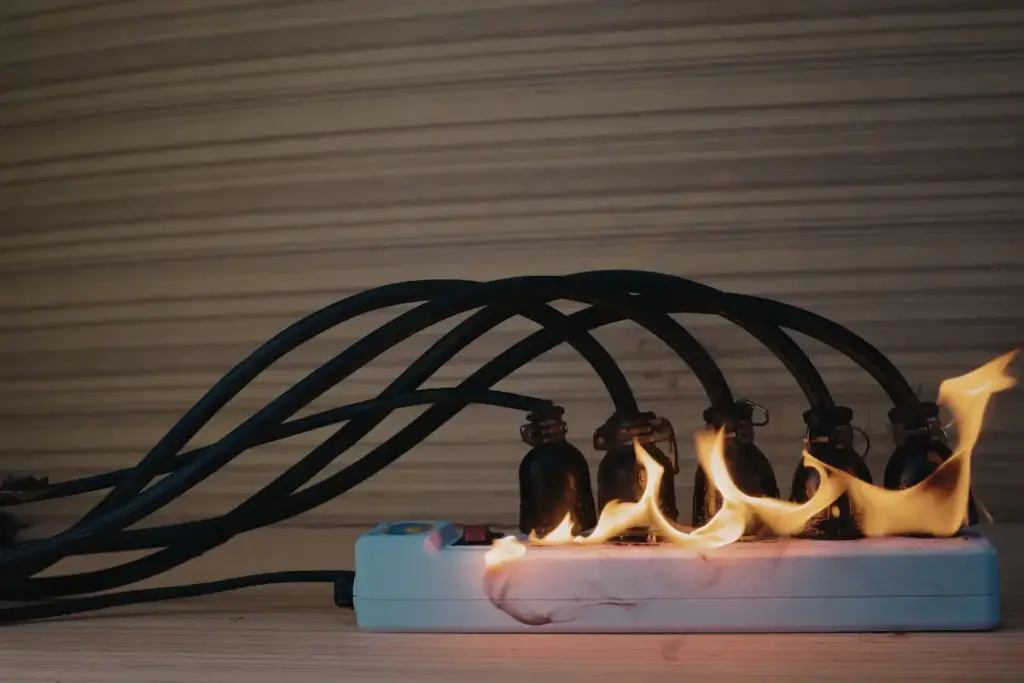
This common practice, often due to insufficient outlets to accommodate modern equipment, involves plugging too many devices into a single socket, either directly or via extension cords. The risk arises because each socket has a maximum power capacity, beyond which the electrical load can cause overheating and potentially ignite a fire.
Overloaded sockets are not always easily recognisable, making them a silent hazard. Indicators of potential danger include the use of multi-plug adapters, daisy-chained extension cords, and sockets with devices plugged into every available outlet. Hence, such working practices can be fire hazards. Heat generated by overloading can damage electrical insulation, which may not be immediately noticeable and can deteriorate over time, increasing the risk of a fire.
To mitigate this risk, workplaces should conduct regular assessments of socket loads, discourage the use of makeshift extensions, and invest in additional outlets where necessary. Implementing these practices can significantly reduce the risk of electrical overload-related fires.
Faulty Equipment
Faulty electrical equipment not only disrupts operations but also greatly increases the risk of fire. Such equipment often includes damaged wiring, malfunctioning devices, and improperly maintained machinery, all of which can lead to overheating or sparks. To highlight the importance of recognising and addressing equipment faults, here is a table outlining common faulty equipment and the associated fire risks:
| Faulty Equipment Type | Potential Fire Risk |
| Frayed Wiring | Sparks leading to the ignition of flammable materials |
| Overheated Motors | High temperatures are causing nearby combustibles to catch fire |
| Faulty Switches | Unexpected arcing that can ignite dust or gas |
| Damaged Insulation | Exposure of electrical components increases the chances of short circuits |
| Old or Corroded Connections | Increased electrical resistance that can generate enough heat to start a fire |
Workplace safety programs need to include regular checks and maintenance of all electrical equipment to promptly identify and rectify faults.
Lack of Training
Inadequate training in electrical working practices can be a fire hazard. Employees lacking proper knowledge and skills may inadvertently engage in unsafe electrical operations that predispose their environments to fire incidents.
The impact of inadequate training manifests in several critical areas:
- Improper Handling of Electrical Equipment: Untrained personnel may misuse electrical tools and devices, leading to overheating, short circuits, and ultimately fires.
- Neglect of Safety Procedures: Without a solid understanding of electrical safety norms, employees may overlook essential practices, such as de-energising circuits before beginning work or using non-conductive tools when necessary.
- Inability to Recognise Hazards: Training empowers workers to identify potential electrical risks before they escalate into major issues. Without this knowledge, signs of electrical faults, such as frayed cords, overloaded circuits, or unusual appliance behaviour, may go unnoticed.
Organisations must prioritise comprehensive training programs that combine theoretical knowledge with practical, hands-on experience, tailored to the specific needs of their operations.
Poor Housekeeping Practices That Contribute to Fire Hazards
Accumulation of combustible materials, when not regularly cleared, provides ample fuel for potential fires, while gaps in routine inspections may allow such hazards to go unnoticed. Inadequately stored materials, particularly flammable substances, can create conditions ripe for ignition, especially in environments lacking proper ventilation and containment.
Combustible Accumulation
In various workplaces, the accumulation of combustible materials from substandard housekeeping practices greatly increases the risk of fire.
Here are key areas where poor housekeeping can lead to dangerous accumulations:
- Storage Areas: Improperly managed storage rooms can quickly become overloaded with flammable materials. Regular checks and clear organisation protocols are necessary to guarantee these areas do not pose a fire hazard.
- Waste Disposal: Delayed or improper disposal of combustible waste materials can greatly increase fire risk. Facilities should enforce stringent disposal practices to prevent the build-up of potentially hazardous waste.
- Workspaces: Cluttered work environments not only slow down mobility but can also trap heat and obscure sources of heat or sparks. Maintaining clean and organised workspaces is critical to minimising fire risks.
Addressing these points through diligent housekeeping practices is fundamental for reducing the risk of fire in the workplace.
Inspection Gaps
Effective housekeeping protocols greatly mitigate fire hazards, yet gaps in regular inspections can undermine these efforts. Regular inspections are essential in identifying risky accumulations and unsafe conditions that may not be immediately obvious during daily operations. Without systematic inspection schedules, there is a significant risk that minor issues, such as improperly discarded waste materials or overlooked equipment malfunctions, can escalate into major hazards.
Inspection gaps often occur due to unclear responsibilities or an underestimation of the risks associated with poor housekeeping. Organisations may not prioritise inspections due to perceived cost constraints or a misunderstanding of the potential severity of fire risks. This oversight can lead to irregular monitoring and documentation, making it difficult to track the progression of potentially hazardous conditions.
Fire Hazards Due to Heating and Temperature Control Equipment
Heating and temperature control equipment, if misused or poorly maintained, can greatly elevate the risk of fire within a workplace. Regular maintenance of heating systems is essential to prevent malfunctioning components from igniting a blaze.
Misused Heaters
Misusing a heater is one of the working practices can be fire hazards. Heating equipment, when used without proper guidelines, can pose significant hazards, risking equipment and property and endangering lives. The misuse of these devices often stems from a lack of awareness or disregard for safety protocols, leading to catastrophic outcomes.
To mitigate these risks, it is essential to understand and prevent common misuses:
- Placement Near Combustibles: Heaters should be kept at a safe distance from combustible materials such as paper, curtains, and furniture.
- Unattended Operation: Leaving heating equipment running unattended, especially overnight or in unoccupied rooms, increases the risk of fire. It is important to turn off these devices when they are not in use and to monitor them when in use.
- Improper Power Sources: Connecting heaters to inappropriate power sources, such as overloaded circuits or extension cords not rated for their power demands, can lead to electrical fires.
Addressing these concerns can greatly reduce the risk of workplace fires caused by misused heaters.
Unsafe Equipment Use
Often, workplace fires are caused by unsafe use of heating and temperature-control equipment. Such equipment, critical to various industrial processes and office comfort, can become hazardous if not properly managed. The core issues generally stem from several common practices that compromise safety.
- Improper Installation: Equipment that is not installed in accordance with manufacturer specifications or local safety codes can be a major working practices can be fire hazards. Incorrect installation might affect the stability.
- Lack of Regular Maintenance: Heating and temperature control devices require periodic checks to verify they are functioning correctly. Failure to perform maintenance can lead to dust accumulation and component wear and tear, greatly increasing the risk of ignition.
- Inadequate Training: Operators and employees must be adequately trained on the correct use of heating equipment. This includes understanding the operational limits, emergency procedures, and proper equipment care. Untrained personnel are more likely to misuse or overtax the equipment, leading to overheating and potential fire outbreaks.
Storage and Handling Practices That Increase Fire Risk
In the workplace safety domain, improper storage and handling of materials can significantly increase the risk of fire. Specifically, the storage of flammable materials, the handling of various chemicals, and the processes involved in mixing materials must be managed with strict adherence to safety protocols to mitigate potential hazards.
Flammable Storage
Several common practices in the storage and handling of flammable materials greatly heighten the risk of fire in industrial and commercial settings.
To understand the risky practices more clearly:
- Inadequate Storage Facilities: Storing flammable materials in areas not designed for this purpose, such as regular rooms or corridors, can lead to accidental ignition. Flammable materials require specific containers and storage conditions to minimise risk.
- Poor Ventilation Systems: Proper ventilation is essential when storing flammable substances. Without adequate air circulation, fumes can accumulate, creating an explosive atmosphere.
- Proximity to Ignition Sources: Storing flammable materials near heat sources, electrical equipment, or areas where smoking is permitted can lead to disasters. It is essential to maintain a safe distance between flammable materials and any potential sources of ignition.
Adhering to regulatory guidelines and implementing strict storage protocols are critical steps in mitigating these risks.
Chemical Storage
Improper storage of chemicals are often considered as weird working practices can be fire hazards. The organisation and conditions under which chemicals are stored can greatly influence the likelihood and potential severity of a fire. For instance, storing oxidisers near flammable substances can lead to spontaneous ignition if they come into contact. Similarly, inadequate ventilation can allow fumes to accumulate, creating an explosive atmosphere.
Below is a table highlighting common mistakes in chemical storage and their potential consequences:
| Common Mistake | Potential Consequence |
| Storing incompatible chemicals together | Increased risk of chemical reactions leading to fires |
| Inadequate labeling and signage | Mishandling and accidental mixing, sparking fires |
| Poor ventilation | Buildup of flammable vapours, leading to explosions |
Smoking Practices That Cause Fire Hazards in the Workplace
Smoking is not only a health hazard; it also significantly contributes to workplace fires when not strictly regulated. It is vital to understand and mitigate the risks associated with smoking to guarantee safety and compliance with fire safety standards.
Firstly, designated smoking areas should be established away from flammable materials and main buildings. These areas must be equipped with appropriate receptacles for cigarette butts and matches, which should be regularly maintained to prevent the accumulation of flammable waste. All employees must adhere to the rule that smoking is permitted only in designated areas to prevent stray sparks from igniting nearby materials.
Cooking Appliances and Human Error in the Workplace
Cooking appliances in workplace kitchens often stand as silent witnesses to the hustle and bustle of daily corporate life. Yet, their misuse contributes substantially to fire hazards through human error. Employees, often pressed for time and distracted by their myriad responsibilities, may inadvertently leave these devices on or misuse them, leading to potential fire outbreaks. The common culprits include microwave ovens, toasters, and electric kettles. Businesses need to implement strict guidelines on the use of kitchen appliances and guarantee all employees are aware of these rules. Regular training sessions can instruct staff on proper operation and the risks associated with mishandling. Additionally, clear, visible instructions and warnings should be posted near all cooking equipment.
Human error is one of the biggest working practices can be fire hazards. Accumulations of grease, faulty wiring, and neglected repairs can all serve as fire starters. Employers must enforce routine checks and maintenance to mitigate these risks.
Fire Safety Equipment and Maintenance Failures
Fire safety equipment, critical to any emergency response plan, often fails due to inadequate or no maintenance. Missing extinguishers and unmaintained alarms greatly compromise a workplace’s ability to respond effectively to a fire.
Missing Extinguishers
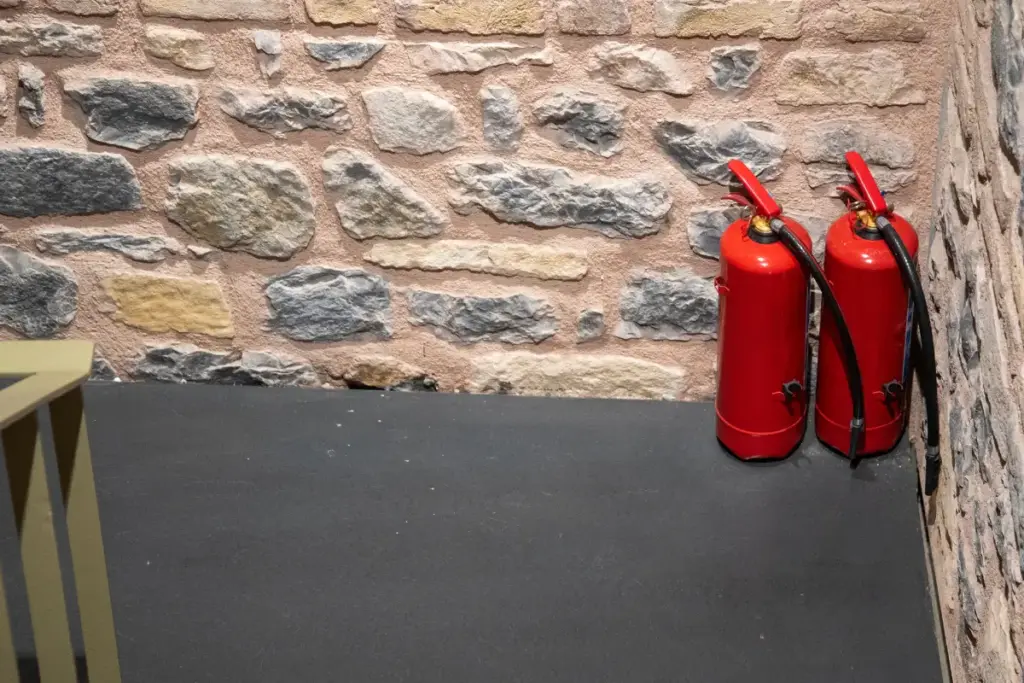
In many workplaces, the absence of adequate fire extinguishers is a significant oversight in safety protocols. Fire extinguishers play an essential role in the initial stage of firefighting, potentially preventing disasters before they escalate. The reasons for missing extinguishers can vary, but the impact on safety is uniformly negative.
The consequences of not having accessible fire extinguishers include:
- Increased Risk of Fire Damage: Without immediate means to douse small fires, the likelihood of them growing into larger, uncontrollable blazes is markedly higher.
- Legal Repercussions: Failing to provide necessary fire safety equipment can result in violations of workplace safety regulations, leading to fines and legal action.
- Endangered Lives: In the event of a fire, every second counts. The absence of extinguishers can lead to more severe injuries or fatalities, as initial fire suppression steps are delayed.
Unmaintained Alarms
A critical aspect of fire safety in any workplace is the regular maintenance of fire alarms. These devices are essential for early fire detection, providing significant time for evacuation and response. Unfortunately, unmaintained alarms can fail to operate in an emergency, leading to potentially catastrophic outcomes.
Alarm maintenance is not merely a safety practice but a legal requirement. Neglecting this duty can result in violations of workplace safety regulations, exposing businesses to fines and legal liability. Regular checks, scheduled maintenance, and immediate repairs of faulty systems are vital steps that cannot be overlooked.
The process involves testing alarm functionality, replacing batteries, and ensuring that the sensors are free from dust and other obstructions that could impair sensitivity. It’s also important to update systems to keep pace with technological advances and changes in building use or layout.
Training staff to recognise and report issues with fire alarms is equally important. Their first-hand experience of the working environment makes them invaluable for identifying less obvious faults. Encouraging a culture of safety and responsibility can enhance the effectiveness of fire alarm systems, thereby safeguarding both lives and property.
Understanding the Fire Triangle and Its Role in Fire Hazards
Understanding the fundamental principles of fire safety helps identify and control working practices can be fire hazards before they lead to disasters. The fire triangle illustrates the three elements that fires need to ignite and sustain themselves: heat, fuel, and oxygen.
By thoroughly understanding each component of the fire triangle, workplaces can implement more effective safety measures. Here are the key elements:
- Heat: The ignition source. In workplaces, this could come from electrical equipment, smoking, or machinery. Managing these heat sources through regular maintenance and safety checks is essential.
- Fuel: Anything that can burn is fuel. This includes paper, textiles, flammable chemicals, and even dust. Keeping work areas clean and free of clutter and properly storing flammable materials can greatly reduce fire risks.
- Oxygen: Fires need oxygen to continue burning. Though challenging to control, ensuring that ventilation systems are not contributing to fire spread and designing spaces to contain fires can help manage this element.
Understanding and managing these factors can dramatically reduce the likelihood of fires, promoting a safer workplace environment.
Frequently Asked Questions
How Do Workplace Layout Changes Affect Fire Risk?
Changes in workplace layout can markedly affect fire risk by altering escape routes and firefighting accessibility. Proper planning guarantees clear evacuation paths and unobstructed access to fire safety equipment, reducing potential hazards.
Can Modern Office Furniture Materials Increase Fire Hazards?
Modern office furniture materials, such as synthetic fabrics and dense foam, can pose fire hazards by burning more rapidly and producing toxic fumes, thereby affecting overall fire safety in office environments.
How Does Outdoor Work Impact Fire Safety Measures?
Outdoor work affects fire safety measures by requiring specific protocols due to variable environments and the potential for rapid fire spread, underscoring the need for mobile firefighting resources and thorough worker training in emergency response.
What Is the Role of Cybersecurity in Fire Prevention?
Cybersecurity plays an essential role in fire prevention by safeguarding systems that control fire alarms, suppression technologies, and emergency communication tools from unauthorised access and malicious disruptions that could impair their functionality.
Are There Specific Fire Risks Associated With Remote Work Setups?
Yes, remote work setups often involve multiple electronic devices, which can overload power outlets and increase the risk of fire. Poorly maintained or faulty equipment, as well as inadequate fire safety knowledge, can also pose hazards.
Conclusion
To summarise, the outlined working practices can be fire hazards and critical areas that significantly elevate fire risks in workplace environments. Addressing these issues necessitates stringent adherence to safety protocols, regular maintenance of fire safety equipment, and thorough training in fire prevention techniques. Ultimately, understanding and mitigating the elements of the fire triangle: fuel, heat, and oxygen, plays an indispensable role in reducing fire incidents, thereby enhancing overall workplace safety.