

A thorough Workplace Fire Risk Assessment for Student Accommodation is essential. It not only guarantees compliance with legal standards but also prioritises the safety of residents. Identifying possible fire risk and implementing effective safety measures can greatly reduce risks. In addition, understanding the specific legal requirements and best practices for fire safety is essential. What measures can be taken to increase fire preparedness in these living spaces? The answer may hold the key to safeguarding student lives.
Key Takeaways
- Document and assess existing fire safety measures to identify latent danger and improve compliance with legal requirements.
- Conduct regular fire risk assessments and inspections to ensure safety protocols are up-to-date and effective.
- Engage residents in fire safety training and encourage reporting of unsafe conditions to foster a civilisation of safety.
- Maintain clear, well-illuminated evacuation pathways, regularly inspecting them for obstructions and updating signage as needed.
- Implement and practice fire drill procedures, collecting feedback to refine emergency response strategies and increase resident preparedness.
Workplace Fire Risk Assessment for Student Accommodation: Why It’s Essential for Safety
Conducting a workplace fire risk assessment in student accommodation is essential for safeguarding the lives of residents and staff. This proactive measure identifies latent fire risks, evaluates them, and implements necessary controls to ensure a safe living environment. In a setting where individuals seek independence and freedom, the importance of safety cannot be overstated; a fire incident could disrupt the autonomy that students cherish.
Regular assessments empower accommodation providers to stay ahead of latent dangers, encouraging a civilisation of awareness and responsibility. It also guarantees compliance with legal obligations, promoting peace of mind among residents and their families.
Additionally, the Workplace Fire Risk Assessment for Student Accommodation can increase the overall living experience by making students feel secure in their surroundings. By prioritising fire safety, accommodation providers not only protect lives but also uphold the freedom that students value, allowing them to focus on their academic pursuits without fear of unforeseen dangers.
Steps to Prepare Your Student Accommodation for a Fire Risk Assessment
Preparing student accommodation for a fire risk assessment requires careful organisation and attention to detail, guaranteeing that all latent risk are adequately addressed. To facilitate this process, key steps can be summarised in the following table:
| Step | Description |
| Document Existing Safety Measures | Review and record current fire safety protocols and equipment. |
| Train Staff and Residents | Guarantee everyone understands fire safety procedures and evacuation routes. |
| Conduct a Pre-Assessment | Perform a preliminary check to identify any obvious risks or deficiencies. |
How to Identify Potential Fire Hazards in Student Housing
Identifying latent fire risk in student housing is key to ensuring the safety of residents and staff alike. A thorough examination begins with an evaluation of the physical environment. Common dangers include overloaded electrical outlets, improperly stored flammable materials, and malfunctioning appliances. A Workplace Fire Risk Assessment for Student Accommodation helps pinpoint these dangers and ensures the proper measures are in place.
Regular inspections should focus on communal areas, kitchens, and individual rooms, where students may use personal heating devices or cooking equipment. Additionally, the proximity of combustibles to heat sources must be scrutinised, as well as the condition of smoke detectors and fire alarms.
It’s essential to engage residents in this process and encourage them to report any unsafe conditions. Awareness campaigns can promote a civilisation of safety and responsibility, empowering students to take ownership of their living spaces.
Legal Requirements for Fire Safety in Student Accommodation
While regulations may differ by region, legal requirements for fire safety in student accommodation universally emphasise the need to maintain a safe living environment.
Landlords and accommodation providers must comply with fire safety legislation, which typically requires conducting regular fire risk assessments, implementing fire safety measures, and ensuring adequate escape routes. Compliance with local fire codes and standards is essential to protect residents and minimise liability.
Additionally, these regulations often mandate the installation of smoke detectors and fire alarms, as well as the provision of fire safety information to residents.
Regular inspections and maintenance of fire safety equipment are also essential to confirm functionality. Failure to meet these legal requirements can result in severe consequences, including fines or legal action.
Ultimately, prioritising fire safety not only fulfils legal obligations but also promotes a civilisation of safety and accountability within student accommodation facilities.
Best Practices for Conducting Fire Drills in Student Accommodation
Effective fire drills in student accommodation are essential for guaranteeing residents are prepared for emergencies, particularly given the unique living situations in these settings. To maximise the effectiveness of fire drills, several best practices should be followed:
| Best Practice | Description | Frequency |
| Clear Communication | Inform residents about drill schedules | Twice per semester |
| Realistic Scenarios | Simulate varied emergency situations | Once per semester |
| Resident Feedback | Collect input post-drill to improve procedures | After each drill |
| Staff Training | Guarantee all staff understand their roles | Annual training session |
| Emergency Exits Awareness | Regularly review the locations of exits | Monthly reminders |
Understanding the Role of Fire Safety Systems in Student Housing
Fire safety systems play an essential role in ensuring the safety and well-being of residents in student housing, as they are designed to detect, alert, and respond to fire danger.
These systems are key in creating a secure environment where students can thrive without the looming fear of fire emergencies.
Key components of effective fire safety systems include:
- Smoke Detectors: Early detection of smoke can prevent fire escalation.
- Fire Alarms: These alert residents promptly, allowing for swift evacuation.
- Sprinkler Systems: Automatic extinguishing systems can greatly reduce fire damage.
- Emergency Lighting: Illuminates escape routes during a power outage, guiding residents to safety.
Training Staff on Fire Safety Procedures for Student Accommodation
Training staff on fire safety procedures is essential for maintaining a safe environment in student accommodation. Effective training equips personnel with the knowledge and skills necessary to prevent fires and respond appropriately in emergencies. Regular training sessions can promote a dynamic of safety and empower staff to take proactive measures.
| Training Components | Purpose |
| Fire Prevention Techniques | Reduce the risk of fire incidents |
| Evacuation Procedures | Guarantee safe and orderly exits |
| Use of Fire Extinguishers | Enable staff to combat small fires |
| Emergency Contact Protocols | Streamline communication during crises |
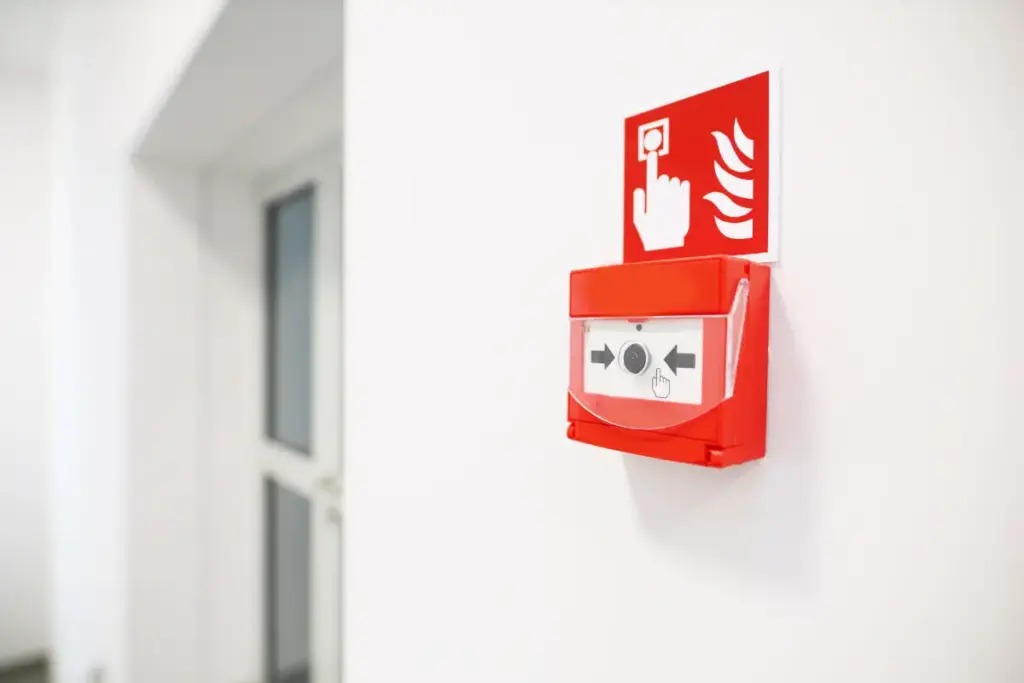
How to Handle Fire Emergencies in Student Housing
In the face of a fire emergency, swift and decisive action is key to guaranteeing the safety of residents in student housing. Effective response strategies can make a significant difference in minimising panic and possible injuries.
Fundamental steps include:
- Activate the Fire Alarm: Confirm the alarm is promptly triggered to alert all residents and initiate evacuation procedures.
- Evacuate Calmly: Encourage residents to leave their rooms and proceed to the nearest safe exit without delay, avoiding elevators.
- Use Fire Extinguishers Wisely: If trained, residents may use fire extinguishers on small fires, provided it is safe to do so.
- Call Emergency Services: Once it is safe, contact emergency services to report the fire and provide the necessary details.
The Impact of Fire Safety on Property Insurance for Student Accommodation
Ensuring robust fire safety measures in student accommodation can greatly influence property insurance premiums and coverage options. Insurance providers often assess the fire safety protocols in place when determining risk levels.
Properties with comprehensive fire safety systems, such as smoke detectors, sprinkler systems, and regular safety drills, may qualify for lower premiums due to reduced fire risk.
Conversely, accommodations lacking adequate fire safety measures may face higher premiums or limited coverage, reflecting the increased risk to both tenants and property. Insurers may also require proof of compliance with fire safety regulations, which can affect the property’s overall insurability.
Ultimately, prioritising fire safety not only increases students’ well-being but also serves as a financial strategy for property owners. By investing in fire safety, owners can secure better insurance terms, ensuring both financial protection and a safer living environment for students.
How to Improve Evacuation Routes in Student Housing During Fire Risk Assessments
Effective evacuation routes are essential for the safety of students living in accommodation facilities during fire emergencies. To increase these routes, property managers should conduct thorough evaluations and implement strategic improvements. This not only ensures compliance but also equips residents with the knowledge needed for safe exits.
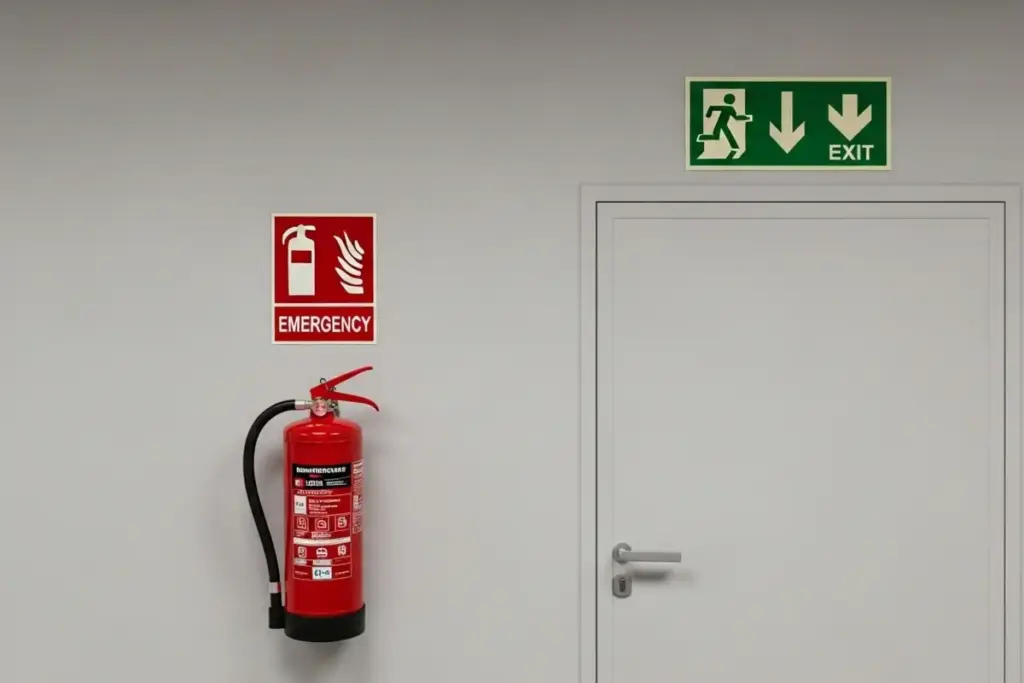
- Clear Signage: Verify that all exits and pathways are marked with visible, illuminated signs that guide residents effectively.
- Regular Drills: Conduct frequent fire drills to familiarise students with evacuation procedures and reinforce their confidence in their route knowledge.
- Unobstructed Pathways: Maintain clear paths free from furniture, decorations, or any obstacles that may hinder swift evacuation.
- Emergency Lighting: Install emergency lighting along evacuation routes to aid visibility during smoke or power outages.
Frequently Asked Questions
How Often Should Fire Risk Assessments Be Conducted in Student Accommodation?
Fire risk assessments in student accommodation should ideally be conducted annually, with additional assessments after significant changes or incidents. Regular reviews guarantee safety standards are maintained, promoting a secure living environment for all residents.
What Qualifications Should a Fire Risk Assessor Have?
A fire risk assessor should possess relevant qualifications, such as a Level 3 Certificate in Fire Safety, experience in fire safety legislation, and familiarity with risk assessment methodologies to guarantee thorough and effective evaluations of safety protocols.
What Are the Costs Involved in Fire Risk Assessments?
Costs for fire risk assessments vary widely, typically ranging from a few hundred to several thousand dollars, influenced by factors such as property size, complexity, and assessor expertise, ultimately ensuring safety and compliance for occupants.
How Can Students Contribute to Fire Safety in Their Accommodation?
Students can increase fire safety in their accommodation by adhering to fire safety regulations, participating in drills, reporting danger, maintaining clear escape routes, and educating peers about fire risks and proper emergency procedures.
What Resources Are Available for Understanding Fire Safety Regulations?
Numerous resources are available to understand fire safety regulations, including government websites, educational institutions, fire departments, and safety organisations. These sources provide essential information and guidance for individuals seeking to increase their knowledge of fire safety standards.
Conclusion
In summary, conducting a thorough Workplace Fire Risk Assessment for Student Accommodation is essential for guaranteeing the safety and well-being of residents. By identifying latent risk, adhering to legal requirements, and implementing best practices, accommodations can create a secure living environment. Regular training and drills increase preparedness, while effective evacuation routes guarantee swift responses during emergencies. Prioritising fire safety not only protects lives but also increases the living experience, ultimately encouraging a civilisation of safety within the community.