


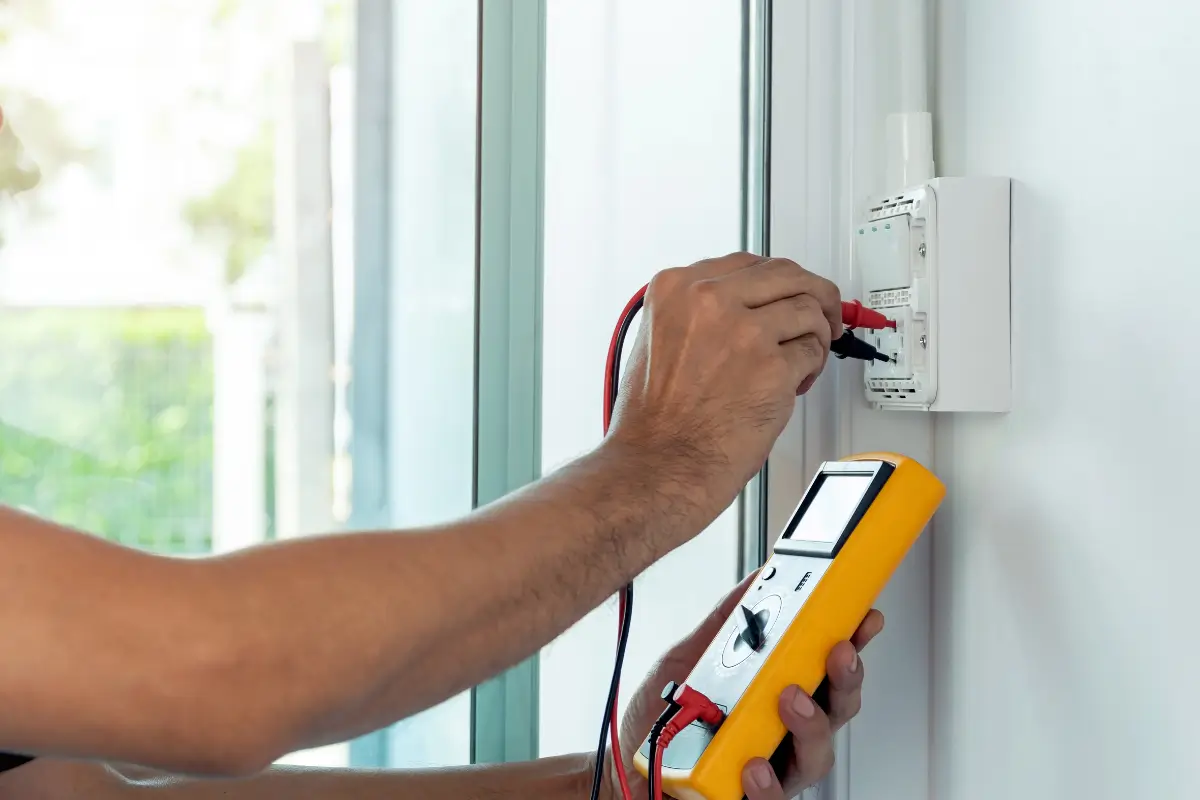
The Domestic Electrical Installation Certificate (DEIC) and the Electrical Installation Condition Report (EICR) are fundamental documents in the UK, designed to guarantee electrical safety but serving different purposes. The DEIC is issued after new electrical installations or significant modifications to existing systems, confirming that the work complies with current safety standards. In contrast, the EICR is a detailed review of existing electrical installations to assess their condition and safety, mandatory for landlords and recommended for homeowners. While the DEIC provides a snapshot of an installation at a specific time, the EICR offers ongoing assessments to identify potential hazards. Understanding the Domestic Electrical Installation Certificate vs EICR is essential for property management and ensuring electrical safety.
Key Takeaways
- DEIC is for new or significantly altered electrical installations, while EICR assesses the safety of existing systems.
- DEIC is issued immediately after installations; EICR is conducted every five years for landlords.
- DEIC confirms installation compliance with safety standards; EICR identifies possible hazards in existing setups.
- DEIC includes design details and test results; EICR uses fault classification codes to highlight urgent issues.
- Landlords require DEIC before leasing, whereas EICR is mandatory for continued compliance and safety checks.
Introduction: Why Electrical Certification Matters in the UK
Electrical certification in the UK is essential for ensuring the safety of both landlords and homeowners, aligning with strict compliance standards.
This introduction will explore the distinctions and functions of the Domestic Electrical Installation Certificate and the Electrical Installation Condition Report (EICR).
Understanding these certifications helps in maintaining the integrity and safety of electrical installations across residential properties.
The role of compliance in landlord and homeowner safety
Guaranteeing compliance with electrical safety standards in the Private Rented Sector (England) Regulations 2020 plays an essential role in safeguarding both landlords and homeowners in the UK. Adherence to these regulations is not only a legal duty but also a critical measure to prevent electrical accidents, which can cause severe injury or even fatalities.
For landlords, the obligation to comply with these standards is enforced under various housing laws that mandate regular electrical inspections and the issuance of safety certificates. This ensures that rental properties are safe for tenants, while also helping landlords avoid legal consequences and negligence claims.
For homeowners, although the immediate legal pressures may be less stringent than those for landlords, compliance with electrical safety standards remains equally crucial. It protects against the risks associated with outdated or faulty electrical systems, including fires and electric shocks.
Guaranteeing that their homes meet these standards through regular checks and necessary updates not only enhances safety but also optimises the functionality and efficiency of their electrical installations. Ultimately, compliance is a proactive approach that preserves property value, promotes safety, removes electrical faults at home, and provides peace of mind for all occupants.
Overview of the Domestic Electrical Installation Certificate vs the EICR
Navigating the rules and regulations of electrical safety in the UK, property owners encounter two pivotal certifications: the Domestic Electrical Installation Certificate and the Electrical Installation Condition Report (EICR). Each serves a unique purpose, essential for ensuring compliance and safety in electrical installations.
The Domestic Electrical Installation Certificate is primarily issued after the completion of new electrical installations or significant alterations and extensions to existing systems.
In contrast, the EICR is conducted on existing electrical installations to assess their condition and safety. This report identifies any defects, potential risks, and recommendations for improvement.
To better understand these documents, here’s a comparative table:
| Aspect | DEIC | EICR |
| Purpose | Certify new or altered installs | Assess the condition of existing installs |
| Issuance Frequency | Post-installation | At regular intervals (e.g., 5 years) |
| Primary Focus | Compliance with safety standards | Identifying potential hazards |
This distinction helps property owners manage their responsibilities effectively, ensuring that all electrical systems are both safe and compliant.
What is a Domestic Electrical Installation Certificate?
A Domestic Electrical Installation Certificate is a vital document that verifies the safety and compliance of electrical installations within a home.
It is particularly essential for homeowners or landlords in London who are preparing to rent or sell their property.
Who needs a domestic electrical installation certificate in London
Homeowners and landlords in London must obtain a Domestic Electrical Installation Certificate (DEIC) to guarantee their property’s electrical systems comply with safety standards. This requirement is essential for confirming that all electrical installations are safe and meet the current regulations outlined by the UK electrical standards.
The DEIC is particularly necessary for new electrical installations, major alterations, or additions to existing systems.
Landlords need to renew this certificate regularly, typically every five years, or with each change of tenancy.
Homebuyers are also advised to request a DEIC when purchasing a new property. This document demonstrates that the electrical system meets standards, potentially saving significant future costs on repairs and compliance issues.
What is an EICR and Why is It Important?
An Electrical Installation Condition Report (EICR) is an essential document that assesses the safety of electrical systems in a property.
For landlords in the UK, obtaining an EICR is not merely advisable but a legal obligation, ensuring that all electrical installations meet the current safety standards.
Understanding the EICR legal requirement for landlords in the UK
While many landlords are familiar with the basic requirements of property management, the Electrical Installation Condition Report (EICR) holds a specific legal significance.
Introduced as a mandatory requirement in England, the EICR is essential for guaranteeing that all electrical systems and installations in rental properties are safe before being leased and throughout the tenancy period.
This report identifies any deficiencies or safety concerns in the electrical installations and recommends necessary actions.
Failure to produce a satisfactory EICR can result in significant legal consequences, including fines up to £30,000.
The EICR must be renewed at least every five years or with each change of tenancy, whichever comes first. This regular assessment helps to minimise the risk of electrical hazards, protecting both the property and its occupants.
For landlords, staying informed and compliant not only upholds their legal responsibilities but also enhances the safety and appeal of their rental properties to prospective tenants.
Domestic Electrical Installation Certificate VS EICR
Understanding the difference between the Domestic Electrical Installation Certificate vs EICR is essential for property owners.
The former confirms the safety of new electrical installations, while the latter assesses the condition of existing electrical systems.
Knowing when to obtain each can greatly enhance the safety and compliance of your property.
Key differences between installation certificates and reports
The DEIC is primarily issued following the completion of new electrical installations or significant modifications to existing systems. It is a formal declaration by the responsible electrician that the installation has been executed according to standard regulations and is safe to use. This certificate is essential for validating the safety of the installation at the point of completion.
In contrast, the EICR is an assessment report that focuses on the condition of an existing electrical installation. It identifies any defects, potential compliance issues, or safety concerns. An EICR is typically required at regular intervals, depending on the type of property and its usage, to guarantee ongoing safety and compliance with current electrical standards.
This report is detailed and includes recommendations for any corrective actions necessary to bring the installation up to current standards.
Understanding these key differences helps in guaranteeing that the right documentation is used appropriately to maintain or establish electrical safety and compliance in residential or commercial properties.
When to request each type of document for your property
These documents serve different purposes and are required at various stages of a property’s lifecycle.
| Document Type | When to Request | Purpose |
| DEIC | After the new electrical installation | To certify that the installation is safe and complies with regulations. |
| DEIC | Major alterations or additions | Assures modifications meet safety standards. |
| EICR | At least every 5 years for homeowners | To assess the ongoing safety of electrical systems. |
| EICR | At least every 5 years for landlords | Required by law to assure tenant safety. |
| EICR | When purchasing a new property | To evaluate the condition of existing electrical systems. |

What Does a Domestic Electrical Installation Certificate Include?
The DEIC includes thorough test results that verify the safety and effectiveness of the electrical installations. These results are essential for guaranteeing that all components are operating correctly and safely before the system is officially powered up and used.
Additionally, the certificate outlines the design information, which covers the layout, materials used, and the configuration of the electrical system. This part ensures the installation meets planned specifications, facilitating future troubleshooting and modifications.
Circuit verification is another important component included in the DEIC. It confirms that there are no overloaded circuits.
This verification helps prevent electrical hazards and enhances the reliability of the electrical installation. Overall, the DEIC provides a crucial record that supports the safety and integrity of domestic electrical installations.
What Does an EICR Include?
Key components of the EICR process include fault classification codes, which help prioritise required actions based on the severity of detected issues. These codes are C1, C2, and FI, each indicating a different level of urgency and risk. Below is a table explaining these classifications:
| Code | Description | Action Required |
| C1 | Danger present | Immediate remedial action |
| C2 | Potential danger | Urgent remedial action |
| FI | Further investigation needed | Investigation without delay |
| C3 | Improvement recommended | No immediate action required, but improvements are advisable |
| N/A | No issues found | No action required |
This structured approach guarantees that all electrical issues are appropriately addressed to maintain safety and compliance with regulatory standards. Learn more about EICR codes: What is the meaning of the codes used in the EICR report?
Domestic Electrical Installation Certificate vs EICR Costs
When comparing the costs of a Domestic Electrical Installation Certificate and an EICR, it is important to take into account both the scope of the inspection and the type of property involved.
An EICR tends to be more thorough and hence might be priced higher than the installation certificate, which is generally issued after new electrical work has been completed.
Understanding these cost differences is essential for homeowners and property managers to budget appropriately for electrical safety and compliance.
How much does an EICR cost compared to an installation certificate?
When comparing the costs of a Domestic Electrical Installation Certificate (DEIC) and an Electrical Installation Condition Report (EICR), several factors influence the final price, including the size of the property, its age, and the complexity of the electrical systems involved.
Typically, a DEIC, which is issued after a new electrical installation or considerable modification, tends to have a cost that correlates directly with the scope of the work performed. Prices can vary widely, typically starting from around £250 for smaller jobs, with costs increasing as the project’s complexity and size grow.
On the other hand, the EICR, which assesses the safety and condition of existing electrical installations, typically starts at £69.99 for a standard domestic property. This price can rise considerably for larger or older properties where the electrical systems might be more complex or degraded, necessitating a more thorough inspection process.
In essence, while initial costs for DEICs are closely tied to specific installation projects, EICR pricing is more dependent on the property’s condition and size, reflecting the broader and potentially more intensive nature of the inspection required.
Legal Responsibilities for Landlords and Homeowners
In the UK, landlords are legally required to guarantee electrical safety in their properties, which includes obtaining an Electrical Installation Condition Report (EICR).
This report assesses the safety of the electrical systems and must be renewed at least every five years or with each change of tenancy.
Understanding and complying with these requirements is essential for landlords to avoid legal penalties and safeguard tenant safety.
Understanding the EICR legal requirement for landlords in the UK
For landlords in the UK, compliance with the Electrical Installation Condition Report (EICR) is a legal obligation that guarantees the safety and integrity of electrical systems in rental properties. This mandatory requirement is part of the UK government’s efforts to improve safety standards in the residential rental sector.
The EICR must be conducted by a qualified person every five years, or more frequently, depending on the age and condition of the electrical installation. The report identifies any defects, potential hazards, or non-compliances with current electrical standards that could pose a risk to tenants.
It categorises electrical faults into three codes: C1 indicating ‘danger present’, C2 suggesting ‘potential danger’, and C3 denoting ‘improvement recommended’. Landlords must address any C1 or C2 issues immediately to guarantee tenant safety.
Failure to comply with these regulations can lead to significant penalties, including fines and restrictions on renting out the property. The EICR is also essential during landlord-tenant disputes, serving as evidence that the landlord has met their legal responsibilities regarding electrical safety.
Choosing the Right Certificate for Your London Property
Selecting the appropriate certificate for your London property can greatly impact safety and compliance.
Whether your property needs a new Domestic Electrical Installation Certificate or an Electrical Installation Condition Report (EICR), consulting with local experts such as those at Landlord Safety Certificate London is essential.
Their guidance guarantees that your electrical installations meet legal standards and offer maximum safety for occupants.
Whether your project requires an installation certificate or EICR
Navigating through the Domestic Electrical Installation Certificate vs EICR, it is essential to understand that the specific requirements for electrical certification in London properties are vital when undertaking any electrical installation or renovation project. Determining whether a Domestic Electrical Installation Certificate or an Electrical Installation Condition Report (EICR) is necessary depends largely on the nature of the work being performed.
A Domestic Electrical Installation Certificate is required for all new electrical installations, as well as significant alterations or additions to existing systems that include new circuits. This certificate confirms that the installation complies with the UK national standard, BS 7671, and is safe to use at the time of certification.
On the other hand, an EICR is needed to evaluate the condition of an existing electrical installation and ensure it is safe and has not deteriorated. Property owners, especially landlords, must obtain an EICR at regular intervals as dictated by law to meet safety obligations.
This report is vital for identifying any wear and tear, defects, or non-compliance with current standards that might pose safety risks.
Choosing the correct certification guarantees not only the safety and compliance of your property’s electrical systems but also helps in maintaining the value and insurability of the property. Also, ensuring the electrical safety of the building is very important for both the landlord and tenants.
Guidance from local experts on the Landlord Safety Certificate
Traversing the complexities of electrical certification in London often necessitates expert guidance.
For property owners, choosing between a Domestic Electrical Installation Certificate (DEIC) and an Electrical Installation Condition Report (EICR) can be particularly challenging without professional advice. The team at Landlord Safety Certificate offers valuable insights to guarantee compliance and safety.
When deciding which certificate is appropriate for your property, consider the following:
- Property Type: DEIC is generally mandatory for new electrical installations in newly built properties or major renovations. EICR, however, is required for existing dwellings, especially when tenancy changes occur in rental properties.
- Legal Requirements: London’s regulations demand regular electrical checks. DEIC applies post-installation, while EICR is needed at least every five years for tenanted properties, or ten years for owner-occupied homes.
- Safety Standards: Both certificates attest that electrical systems are safe and up to current standards. However, EICR is more about ongoing maintenance, whereas DEIC confirms that a recent installation meets initial safety norms.
- Expert Recommendations: Consult with certified electricians at Landlord Safety Certificate London. They can provide a tailored recommendation based on your specific needs and legal obligations, guaranteeing that your choice aligns perfectly with local laws and safety guidelines.
Frequently Asked Questions
Can Homeowners Conduct Their Own EICR Tests?
Homeowners are generally not qualified to conduct their own Electrical Installation Condition Report (EICR) tests. These assessments require specific training and qualifications that professional electricians possess to guarantee safety and compliance with regulations.
How Often Should a Domestic Electrical Installation Certificate Be Updated?
A Domestic Electrical Installation Certificate should be updated every 10 years for owner-occupied homes, or every 5 years for rented properties, to guarantee ongoing safety and compliance with current electrical standards and regulations.
Are These Certificates Transferable When Selling a Property?
Certificates like the Domestic Electrical Installation Certificate are generally not transferable upon the sale of a property, as new owners must obtain their own certifications to guarantee compliance and safety standards are met.
What Training is Required to Issue These Certificates?
To issue these certificates, individuals must undergo extensive training as qualified electricians, typically including courses on electrical installations, safety standards, and regulations, followed by specific certification in electrical inspection and testing.
Do These Certifications Impact Home Insurance Policies?
Yes, these certifications can impact home insurance policies. Properly documented electrical safety can lead to reduced premiums and guarantee compliance with insurance requirements, potentially influencing claims related to electrical incidents.
Conclusion
In summary, the Domestic Electrical Installation Certificate vs EICR is essential for compliance with UK safety regulations. While the former is necessary after new electrical installations, the latter guarantees ongoing safety through regular inspections. Landlords and homeowners must understand their legal obligations to choose the appropriate certification, safeguarding both the safety of occupants and the integrity of their property’s electrical infrastructure.