

How to Get Rid of Asbestos. Asbestos should be assumed present in older insulation, vinyl tiles and mastic, textured ceilings, and some siding or roofing until testing confirms otherwise. The safest approach is to leave intact material undisturbed, restrict access, and avoid sweeping or vacuuming. If removal is needed due to damage or friability, local rules often require licensed abatement, containment, and proper PPE such as a fitted P100 respirator. Waste must be double-bagged, labeled, and taken to an approved facility; further details follow.
Key Takeaways
- Assume suspect materials contain asbestos; isolate the area and avoid sweeping, sanding, or vacuuming that can release fibers.
- Identify common ACMs in older homes, including pipe insulation, 9×9 vinyl tiles and mastic, popcorn ceilings, and asbestos-cement siding.
- Confirm with a certified inspector or accredited lab kit; if sampling, mist the area and use a fitted P100 respirator, gloves, and coveralls.
- Manage intact materials in place by sealing, encapsulating, or enclosing, but hire licensed abatement for friable, damaged, or large-area removal.
- Dispose of only at approved asbestos facilities using double-bagged or wrapped waste, secure covered transport, and keep manifests and receipts for compliance.
Spot Common Asbestos-Containing Materials at Home
Where is asbestos most likely to be hiding in a home? It often lurks in older materials built for durability and fire resistance, especially in houses from the 1920s through the 1980s.
Common suspects include pipe and boiler insulation, furnace wrap, duct tape, and cement flue pipes. Vinyl floor tiles (often 9×9 inches) and the black mastic beneath them may contain asbestos, as can resilient sheet flooring. Textured ceilings, popcorn finishes, and joint compound on drywall seams are frequent sources. Exterior risks include asbestos-cement siding, roofing shingles, felt underlayment, and soffit panels. Inside, look for heat-resistant boards behind stoves, around fireplaces, or in fuse boxes. Even window glazing putty and old gaskets can be asbestos-based.
Freedom-minded homeowners should treat any aging, brittle, or crumbly material as a potential constraint until identified. If you want to know about asbestos in detail, visit What is Asbestos? Identifying Risks in Residential and Commercial Properties Across London.
Test Suspected Materials for Asbestos (Before Touching)
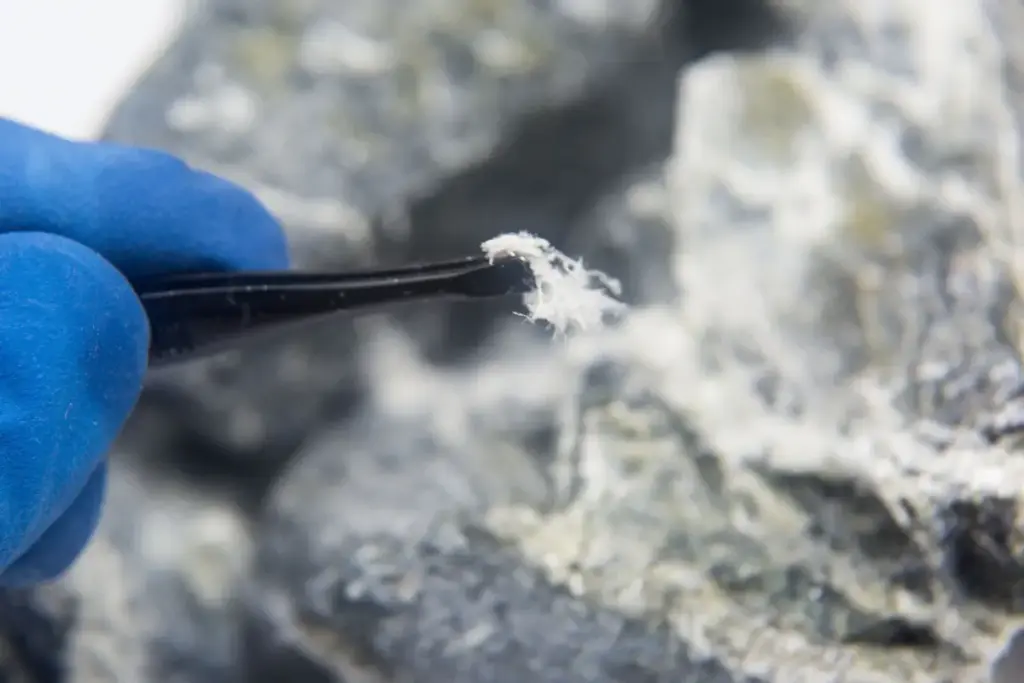
How can anyone know whether a dusty tile, brittle wrap, or textured ceiling contains asbestos without making the risk worse? The only reliable answer is testing, done with minimal disturbance.
How to Get Rid of Asbestos. First, assume “yes” until proven otherwise: keep people out, stop sweeping or vacuuming, and shut off fans that could move fibers. Photograph the material and note its location and condition. To confirm, use a certified asbestos inspector or a licensed laboratory mail-in kit that includes clear sampling instructions.
If a sample must be taken, wear a properly fitted respirator (P100), disposable gloves, and coveralls. Lightly mist the area with water and a drop of detergent, then remove the smallest possible piece without sawing or sanding. Seal the sample in a leak-tight bag, label it, and double-bag it.
Wipe tools with damp disposables and bag all waste for proper analysis. Visit our blog How Can You Test for Asbestos Safely and Accurately in Buildings to explore more about asbestos testing.
Know When Asbestos Removal Is Necessary (Or Not)
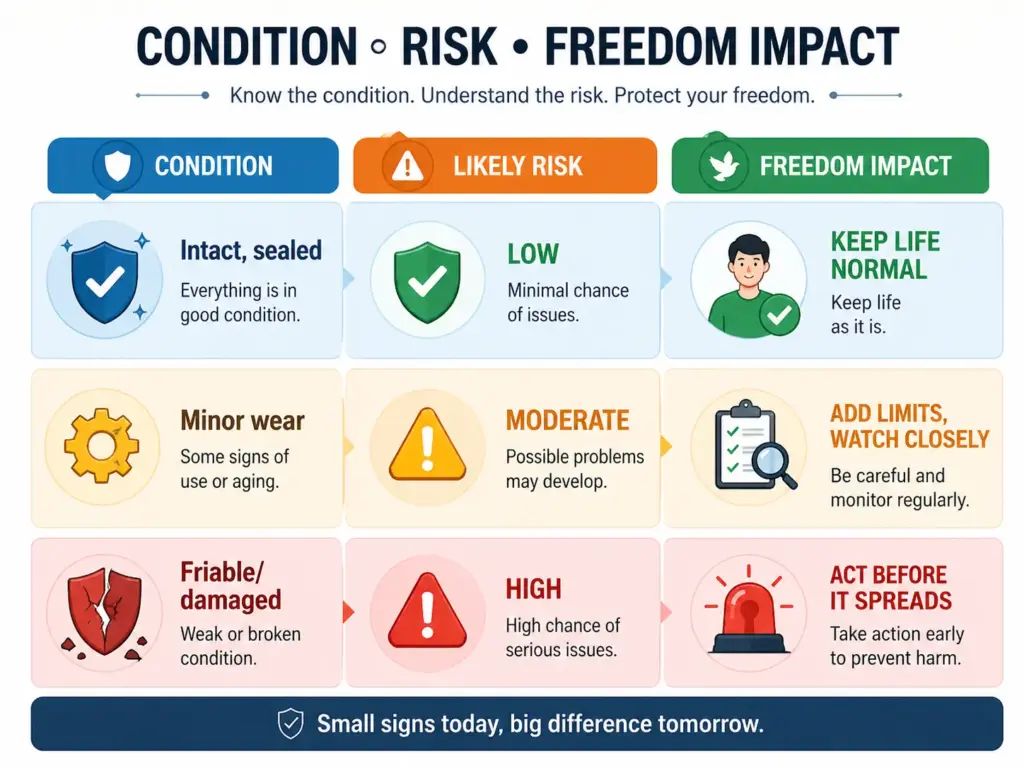
How to Get Rid of Asbestos. Often, the safest choice is not removal at all: asbestos-containing material only becomes a serious danger when it is damaged, friable, or likely to be disturbed. Intact, sealed, and out-of-the-way materials can often be managed in place with monitoring and clear boundaries, preserving choice while reducing risk.
Removal becomes necessary when fibers can escape crumbling insulation, sanding or drilling, water-damaged tiles, deteriorated pipe wrap, or renovation plans that will cut, scrape, or demolish. After testing confirms asbestos, the decision should weigh the condition, location, exposure pathways, and future work. Encapsulation or enclosure may offer control without tearing apart a home. When uncertainty remains, treating suspect material as hazardous until verified protects health and keeps options open.
DIY vs. Licensed Asbestos Removal: What’s Legal and Safe
Once removal is on the table because asbestos is damaged, friable, or certain to be disturbed by planned work, the next question is whether a homeowner can handle it or must hire a licensed professional.
Legality varies by state, province, and municipality, and rules often differ for single‑family homes versus rentals, multi‑unit buildings, or commercial sites. Many jurisdictions allow limited DIY work on small, non‑friable materials, but require notifications, specific work practices, and approved disposal.
Safety, however, is less negotiable. Friable insulation, sprayed coatings, duct wrap, and large surface areas typically warrant a licensed abatement contractor with documented training, insurance, and regulated waste handling.
A professional also reduces the risk of contaminating living spaces, triggering costly cleanup, or creating liability when selling a property. Contact Landlord Safety Certificate to get Asbestos Refurbishment/Demolition and Asbestos Management Surveys as we have the certified surveyors with years of experience in asbestos inspections.
For those who value independence, the practical path is to confirm the law first, then choose the least‑risk option that keeps control without gambling with health.
Set Up Containment and PPE for Asbestos Removal
How to Get Rid of Asbestos. Seal off the work area before any material is touched, because containment and personal protective equipment (PPE) are the two controls that prevent asbestos fibers from spreading through a home and being inhaled. Close HVAC vents, shut doors, and post clear warning signs so others can choose to stay out. Hang 6‑mil plastic sheeting to isolate the zone, tape seams tightly, and create a single controlled entry with a flap. Use a negative‑air machine with a HEPA filter when feasible to keep air moving into the space, not out of it.
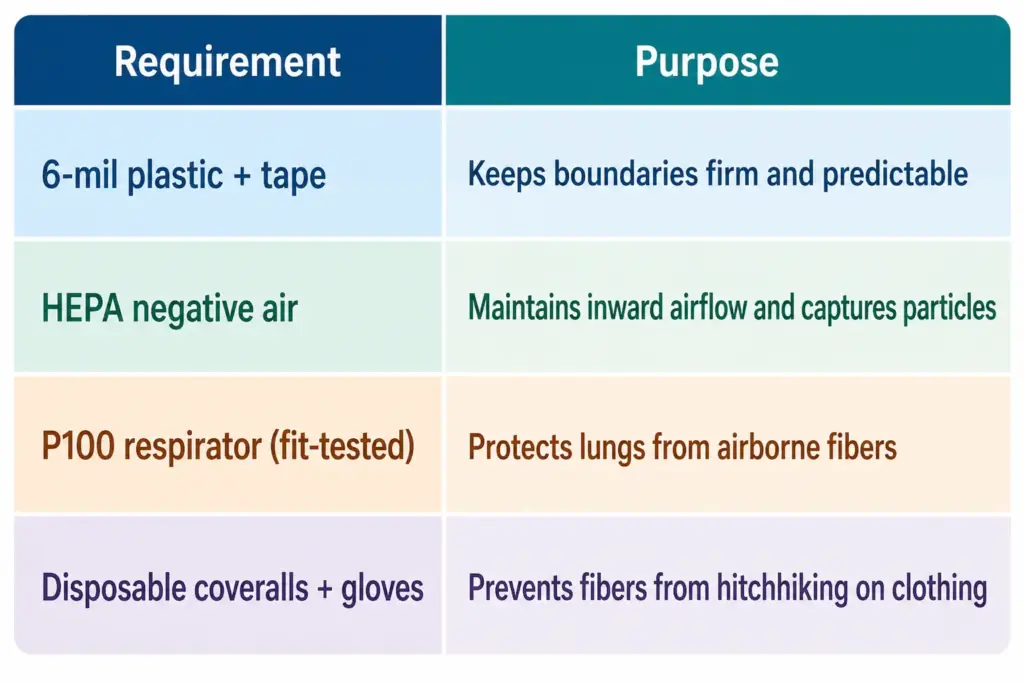
PPE should be donned and doffed in a designated spot, with waste bagged immediately for proper disposal later.
Minimize Fiber Release During Asbestos Removal (If Permitted)
Work slowly and keep asbestos-containing material intact whenever removal is legally permitted, because breakage and abrasion are what release the most fibers. The goal is simple: limit disturbance so occupants keep control of their air and their choices, rather than trading freedom for avoidable exposure.
- Mist the surface with amended water so it stays damp, not dripping; re-wet as needed to prevent dust.
- Use hand tools instead of power tools; pry fasteners gently and lift whole sections rather than snapping or grinding edges.
- Keep pieces supported: slide material onto a rigid backing or tray so it does not sag, crumble, or scrape against the framing.
- Maintain negative pressure and a clean workflow: HEPA vacuum frequently, wipe tools, and avoid tracking debris by changing gloves and boot covers at exits.
If material becomes brittle, delaminates, or cannot be removed intact, stopping and calling a licensed abatement professional preserves health and autonomy.
Bag, Label, and Store Asbestos Waste Correctly
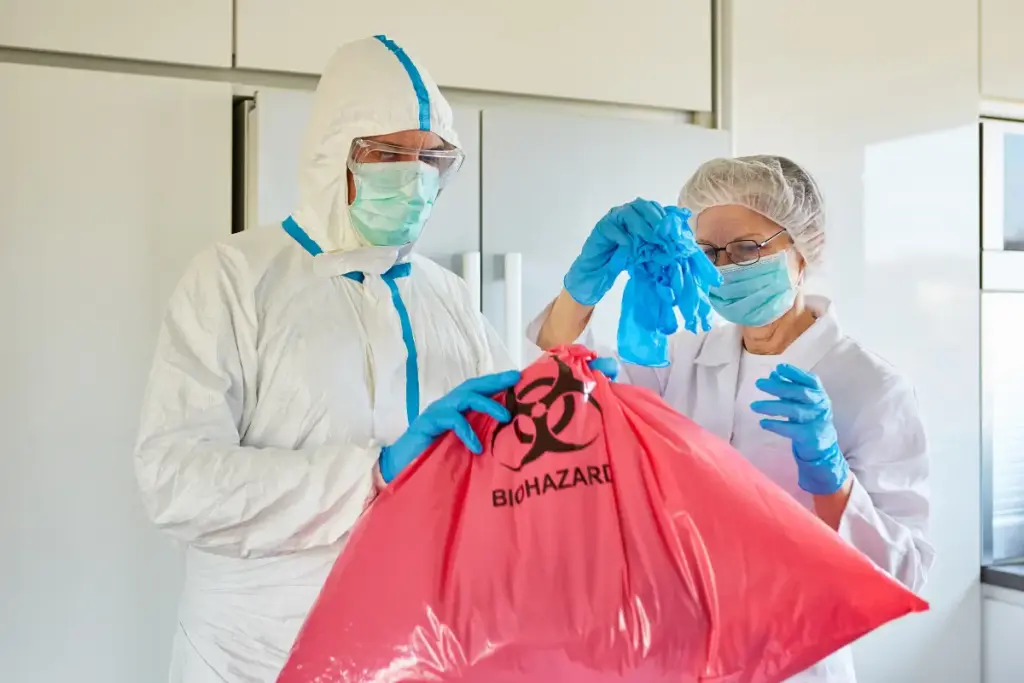
Treat asbestos debris like a contaminated product that must be contained, identified, and kept secure until disposal. Workers should use leak-tight, 6‑mil plastic bags or wrap, double-bagging sharp or dusty material and sealing seams with duct tape. Bags should never be overfilled; leaving headspace helps prevent ruptures and preserves control over the worksite.
| Task | What to do |
| Bag/Wrap | Double-bag or double-wrap; tape shut; wipe exterior. |
| Label | Mark “DANGER: ASBESTOS”; include location, date, contact. |
| Store | Lock in a dedicated area; keep dry; restrict access. |
Clear labels protect everyone’s right to make informed choices and avoid accidental exposure. Stored waste should sit on intact plastic sheeting, away from traffic, tools, and ventilation intakes. If a bag tears, it should be re-bagged immediately, and the surrounding surface should be wiped with damp rags or HEPA-vacuumed. Maintain a simple log to track counts and integrity checks.
Dispose of Asbestos Waste at Approved Facilities
Deliver asbestos waste only to facilities that are specifically permitted to accept it, since regular transfer stations and curbside pickup can spread fibers and violate disposal rules. Freedom comes from doing it right the first time: clear paperwork, a controlled route, and no surprise fines.
Before loading the vehicle, the handler should confirm the site’s rules and hours, then transport sealed packages in a way that keeps them intact and prevents them from entering public spaces.
At the gate, staff may inspect labels and require specific unloading steps; cooperation keeps the process quick and lawful.
- Call the approved landfill or hazardous-waste depot and verify acceptance criteria, fees, and appointment needs.
- Keep double-bagged or wrapped waste in a lined, covered vehicle; avoid crushing, dragging, or reopening.
- Bring required documents (waste manifest, generator ID, and proof of origin if requested).
- Follow on-site directions, unload gently, and retain receipts to prove compliant disposal.
Frequently Asked Questions
How Much Does Professional Asbestos Removal Typically Cost?
Professional asbestos removal typically costs $1,500–$5,000 per project, or $15–$40 per square foot, depending on material type, accessibility, and local rules. Choosing licensed contractors preserves personal freedom while avoiding fines and exposure.
Can Asbestos Exposure Symptoms Appear Years After Contact?
Yes, asbestos exposure symptoms can surface decades after contact due to long disease latency. People seeking bodily freedom should note that risks include asbestosis, lung cancer, and mesothelioma; medical evaluation is advised if exposure is suspected.
Does Homeowners Insurance Cover Asbestos Testing or Removal?
Homeowners insurance usually does not cover asbestos testing or removal, except when a covered peril exposes it. Policies vary, so homeowners should review exclusions, demand clear documentation, and choose independent inspectors to protect their options.
How Long Must a Home Stay Vacant After Asbestos Removal?
A home usually does not need to stay vacant beyond clearance, often 24–48 hours after abatement, once air tests pass and containment is removed. Occupants may return once professionals certify safe levels, in accordance with local rules.
Can I Sell a House With Asbestos, and What Must I Disclose?
Yes, a house can be sold with related hazards, past testing or abatement, and provide reports. Laws vary by jurisdiction; buyers may be unaware of the presence of asbestos. Sellers typically must disclose known asbestos or negotiate inspection contingencies, credits, or removal.
Conclusion
How to Get Rid of Asbestos. Removing asbestos safely depends on identifying likely materials, confirming asbestos through proper testing, and deciding whether disturbance is necessary. When removal is required, legal limits and health risks often make licensed professionals the safest option. If work is permitted, strict containment, appropriate PPE, and low‑dust methods help reduce fiber release. Waste must be sealed, labeled, and handled as hazardous material. Final disposal should occur only at approved facilities to prevent exposure.