




Blocked fire escape routes present serious safety risks and legal liabilities. Obstructions can hinder emergency evacuations, leading to panic and potential injuries. Compliance with fire safety regulations is vital; failure to maintain clear access can result in fines and legal repercussions. Regular inspections, staff training, and proper signage are essential to keep escape routes unobstructed. Understanding these aspects helps property owners mitigate risks effectively. Further insights into compliance and preventive measures await exploration.
Key Takeaways
- Regular inspections are essential to identify and remove obstructions from fire escape routes, ensuring compliance with safety regulations.
- Blocked fire escape routes can lead to increased panic, injuries, or fatalities during emergencies, highlighting the need for clear pathways.
- Compliance with the Regulatory Reform (Fire Safety) Order 2005 is crucial to avoid legal liabilities and fines associated with blocked escape routes.
- Implementing clear signage and staff training promotes awareness and ensures occupants know how to safely evacuate during emergencies.
- Establishing a routine maintenance schedule helps maintain clear escape routes and fosters a culture of safety within the property.
A Risk Assessment Identified Blocked Fire Escape Routes: What Should You Do Next?
Once a risk evaluation reveals blocked fire escape routes, it is essential for management to take immediate action to rectify the situation. The first step involves identifying the specific areas where obstructions exist and evaluating their impact on overall safety. Management should prioritise the removal of these obstacles, whether they are physical objects, locked doors, or inadequate signage.
Next, it is important to communicate with employees about the changes being made and the importance of maintaining clear escape routes. Regular training sessions can reinforce the importance of fire safety and encourage vigilance in keeping exits unobstructed.
Additionally, management must establish a routine inspection schedule to guarantee that escape routes remain clear and compliant with legal requirements. Documentation of these actions is critical for accountability and future reference. By taking these steps, management can greatly enhance safety and reduce risks associated with blocked fire escape routes.

Blocked Fire Escape Routes Explained: Fire Safety Risks and Prevention Measures
Blocked fire escape routes pose significant safety risks, endangering occupants during emergencies. These obstructions can include furniture, equipment, or construction materials, severely hindering evacuation efforts. In the event of a fire, every second counts; blocked routes can lead to panic, injury, or even fatalities. Moreover, failing to maintain clear escape paths may violate fire safety regulations, resulting in legal repercussions for property owners.
Preventive measures are essential to guarantee safety. Regular inspections should be conducted to identify and rectify any blockages. Clear signage indicating escape routes is crucial for guiding occupants quickly and efficiently. Training staff and occupants on emergency procedures can also enhance preparedness, reducing confusion during crises. Additionally, maintaining a proactive approach to fire safety through routine drills and assessments can help foster a culture of safety, ensuring that escape routes remain unobstructed and accessible at all times.
Fire Risk Assessment Findings: How to Deal With Blocked Escape Routes
When conducting a fire risk assessment, identifying and addressing blocked escape routes is essential for ensuring occupant safety. Blocked escape routes can impede evacuation during emergencies, increasing the risk of injury or fatalities. Assessors should meticulously inspect all potential exit paths, including hallways, stairwells, and doors, to identify any obstructions, such as furniture, storage items, or temporary barriers.
Once blocked routes are identified, immediate corrective actions must be taken. This includes removing physical obstructions and establishing clear signage to guide occupants to safe exits. Regular training sessions for staff on the importance of maintaining clear escape routes can further enhance safety.
Documentation of the findings and actions taken should be maintained for compliance and future reference. By prioritizing clear escape routes during fire risk assessments, organizations can greatly mitigate fire-related hazards and improve overall safety for all occupants. Fire Risk Assessment Checklist Easy Guide
Blocked Emergency Exits and Fire Escape Routes: A Complete UK Fire Safety Guide
Effective fire safety management in the UK requires a thorough understanding of blocked emergency exits and fire escape routes, as these obstructions can severely compromise occupant safety during an emergency. Legal frameworks, such as the Regulatory Reform (Fire Safety) Order 2005, mandate that all exits remain clear and accessible. Businesses must conduct regular inspections to identify potential blockages, which may include furniture, equipment, or even debris. Learn How to Do a Risk Assessment: Simple Guide for Businesses.
Inadequate signage or poorly designed escape routes can also contribute to confusion during evacuations. Training staff on the importance of keeping these routes unobstructed is essential. Additionally, organisations should implement clear protocols for reporting and rectifying blockages.
Maintaining unobstructed emergency exits is not only a legal requirement but also a critical component of ensuring the safety of occupants. By prioritising fire safety measures, businesses can reduce risks and enhance overall emergency preparedness.
What Happens When a Fire Risk Assessment Finds Blocked Escape Routes?
A fire risk assessment revealing blocked escape routes triggers immediate concern for occupant safety and compliance with fire regulations. Such findings necessitate swift action to mitigate risks and guarantee safe egress during emergencies. Failure to address these issues can have severe consequences, including potential legal ramifications and increased liability.
A fire risk assessment revealing blocked escape routes demands urgent action to ensure occupant safety and compliance with regulations.
Key actions to take when blocked escape routes are identified include:
- Immediate Clearance: Remove any obstructions to restore safe passage as quickly as possible.
- Notification: Inform relevant stakeholders, including management and safety personnel, about the hazards.
- Reassessment: Conduct follow-up evaluations to guarantee that escape routes remain clear and compliant with safety standards.
Addressing blocked escape routes promptly is essential for maintaining a safe environment and adhering to fire safety regulations, ultimately protecting both individuals and property.
Blocked Fire Exits: Responsibilities, Risks and Solutions for UK Properties
Blocked fire exits pose considerable challenges for property owners and managers in the UK, particularly regarding compliance with fire safety regulations. The Regulatory Reform (Fire Safety) Order 2005 mandates that all commercial properties guarantee clear access to escape routes. Failure to comply not only endangers lives but also exposes property owners to legal liabilities, including fines and potential criminal charges.
The risks associated with blocked exits include increased evacuation times, panic among occupants, and potential fatalities during emergencies. To mitigate these risks, property owners should conduct regular inspections to guarantee that escape routes remain unobstructed.
Implementing a clear maintenance schedule, providing staff training on fire safety protocols, and guaranteeing signage is visible can greatly enhance safety. Additionally, establishing a culture of safety awareness among employees and tenants fosters an environment where everyone understands the importance of keeping fire exits clear and accessible.
How Blocked Fire Escape Routes Increase Fire Safety Risks and What to Do
Obstructed fire escape routes greatly heighten safety risks during emergencies, complicating evacuation efforts. When routes are blocked, individuals may face increased panic and confusion, leading to potential injuries or fatalities. Recognising the specific risks associated with blocked escape routes is vital for maintaining safety in any building.
Key risks include:
- Delayed Evacuation: Obstructed pathways can markedly increase the time required for occupants to exit, heightening exposure to smoke and flames.
- Increased Panic: When individuals encounter unexpected barriers, the likelihood of chaos and injury during an evacuation rises sharply.
- Emergency Services Delays: Blocked routes can hinder first responders from accessing the building quickly, complicating rescue efforts.
To mitigate these risks, regular inspections and clear signage are essential. Ensuring that fire escape routes remain unobstructed is a fundamental responsibility for property owners and managers.
Fire Escape Routes Blocked? Understanding Your Legal Fire Safety Duties
Guaranteeing clear fire escape routes is not only a safety necessity but also a legal obligation for property owners and managers. Various regulations dictate that these routes must remain unobstructed and accessible at all times. Compliance with local fire codes helps mitigate risks associated with blocked exits, which can lead to severe consequences during emergencies. Property owners are responsible for conducting regular inspections to identify potential hazards, such as storage items or structural changes that impede access. Additionally, they must make certain that all occupants are aware of the designated escape routes and that proper signage is displayed. Failure to adhere to these legal responsibilities can result in significant penalties, including fines and liability in the event of an incident. Therefore, understanding these duties is vital for maintaining not only the safety of occupants but also legal compliance and peace of mind for property owners.
Keeping Fire Escape Routes Clear: Requirements for Landlords and Businesses
Landlords and businesses must prioritise the maintenance of clear fire escape routes to guarantee safety and compliance with legal standards. Ensuring these routes remain unobstructed is essential for effective evacuation during emergencies. The requirements for keeping fire escape routes clear include:
- Regular Inspections: Conduct routine checks to identify and remove any obstacles that may impede access to fire escape routes.
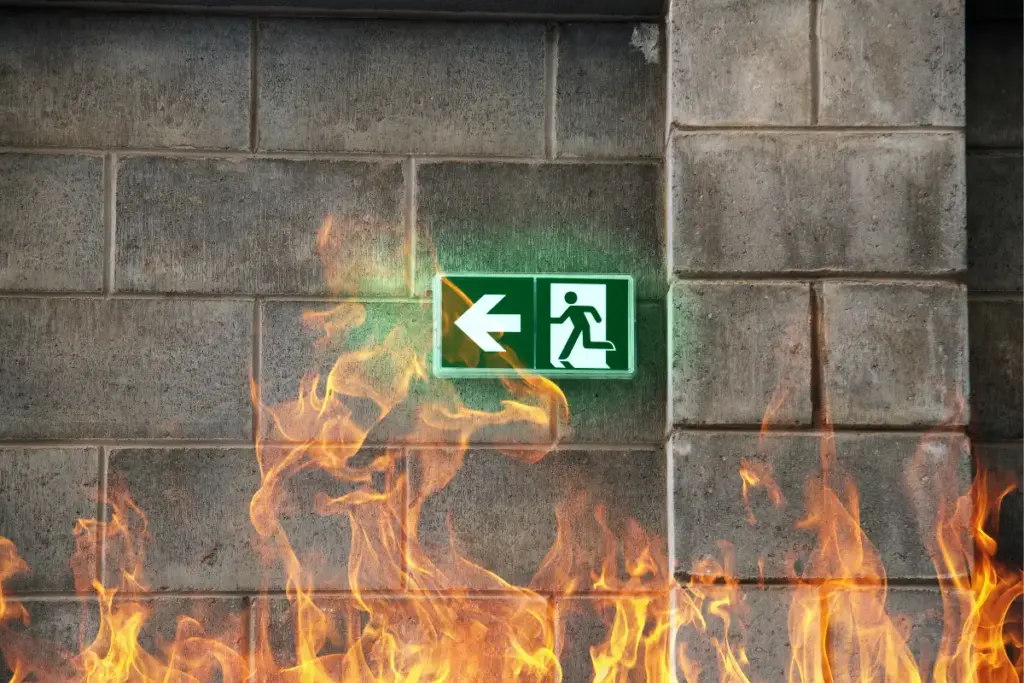
- Proper Signage: Install clear and visible signs directing occupants to the nearest fire escape, ensuring they are easily identifiable in low visibility conditions.
- Employee Training: Implement training programs for staff to familiarise them with escape routes and the importance of keeping these paths clear.
Blocked Fire Escape Routes: Common Causes, Risks and Compliance Solutions
Blocked fire escape routes pose significant hazards in various environments, often stemming from a lack of awareness, improper storage practices, or inadequate maintenance. Common causes include the stacking of materials, furniture obstruction, and construction debris, which can impede quick evacuation during emergencies. These blockages not only create physical barriers but also contribute to panic and confusion, increasing the risk of injuries or fatalities in a fire situation.
Compliance with safety regulations is essential for mitigating these risks. Regular inspections and employee training can enhance awareness and adherence to fire safety protocols. Businesses and landlords must guarantee that escape routes are clearly marked, unobstructed, and well-maintained. Additionally, implementing a routine maintenance schedule can help identify and rectify potential hazards before they pose a significant risk. By prioritising these compliance solutions, organisations can safeguard occupants and reduce liability associated with blocked fire escape routes.
Frequently Asked Questions
What Are the Penalties for Failing to Maintain Fire Escape Routes?
Penalties for failing to maintain fire escape routes can include fines, legal action, and increased liability in case of emergencies. Noncompliance may also result in heightened scrutiny from regulatory agencies and potential closure of the facility.
How Often Should Fire Escape Routes Be Inspected?
Fire escape routes should be inspected at least annually, according to safety regulations. However, additional inspections are advisable after significant alterations, during routine maintenance, or following incidents that may affect accessibility and safety.
Can Furniture Be Stored Near Fire Escape Routes?
Storing furniture near fire escape routes is strictly prohibited. The potential consequences of obstructed pathways create a chilling scenario, where quick exits are essential. Adhering to safety regulations guarantees everyone’s protection in emergencies.
What Types of Signage Are Required for Fire Escape Routes?
Fire escape routes require clear signage indicating exits, directional arrows, and accessibility information. Signs should be illuminated, easily visible, and comply with local regulations to guarantee safe navigation during emergencies, promoting prompt evacuation.
Who Is Responsible for Maintaining Fire Escape Routes in Shared Buildings?
In shared buildings, the responsibility for maintaining fire escape routes typically falls on property management or building owners. They must guarantee that these routes remain clear and compliant with safety regulations for all occupants.
Conclusion
A Risk Assessment Identified Blocked Fire Escape Routes: In the delicate dance of safety, blocked fire escape routes cast shadows of uncertainty. To navigate these potential pitfalls, vigilance is crucial; clear pathways must be cherished like lifelines. By embracing proactive measures and adhering to legal duties, landlords and businesses can guarantee that these corridors of refuge remain unobstructed. Ultimately, safeguarding these essential routes not only fortifies compliance but also nurtures peace of mind, allowing all to breathe easier in the face of unforeseen challenges.