






A battery calculation for fire alarm systems is an essential part of designing a reliable fire detection and alarm installation. Fire alarm systems must continue operating during a mains power failure, which means the standby batteries must have enough capacity to operate the system for the required period and still provide full alarm operation when needed.
A correctly calculated battery capacity ensures that the fire alarm control panel, detectors, sounders, manual call points and other connected devices continue functioning during an emergency. An incorrect calculation can result in insufficient backup time, system failure during a power outage or non compliance with relevant fire alarm standards.
In the UK, fire alarm battery calculations are typically carried out in accordance with BS 5839-1, which provides recommendations for the design, installation, commissioning and maintenance of fire detection and fire alarm systems in non domestic premises.
Understanding how battery calculations work helps designers, installers and responsible persons ensure that fire alarm systems remain dependable when mains power is unavailable.
Key Takeaways
- Fire alarm battery calculations determine the required battery capacity to operate the system during a mains failure.
- The calculation considers the standby period, alarm load, quiescent current and connected devices.
- BS 5839-1 provides guidance on standby and alarm operation requirements for fire alarm systems.
- Batteries must have sufficient capacity to maintain system operation and operate alarms during an emergency.
- Incorrect battery sizing can lead to reduced backup time and potential system failure.
- Regular inspection and replacement of batteries are necessary to maintain reliability.
What Is a Battery Calculation for a Fire Alarm System?
A battery calculation is a method used to determine the correct battery size required for a fire alarm system.
The calculation ensures that the batteries can provide enough power when the mains electrical supply fails. During a power cut, the fire alarm control panel automatically switches to standby batteries to maintain operation.
The calculation considers the amount of current used by the fire alarm system during normal standby conditions and the additional current required when the alarm activates.
A fire alarm system has two main operating conditions:
- Standby condition
- Alarm condition
During standby, the system uses a small amount of power to monitor detectors, control equipment and circuits.
During an alarm condition, power consumption increases because sounders, visual indicators and other alarm devices operate.
The battery must be large enough to support both conditions for the required duration.
Why Is Battery Calculation Important for Fire Alarm Systems?
Fire alarms are life safety systems, meaning they must operate correctly when they are needed most.
A mains failure can occur because of:
- Electrical faults
- Power outages
- Maintenance work
- Severe weather
- Building electrical issues
Without adequate battery capacity, a fire alarm system may stop functioning before power is restored.
A correct battery calculation helps ensure:
- Continuous fire detection during power failures
- Reliable alarm operation
- Compliance with design requirements
- Protection of building occupants
- Reduced risk of system failure
The battery is not simply a backup power source. It is a critical part of the fire alarm system design.
How Is a Fire Alarm Battery Calculation Completed?
A fire alarm battery calculation is based on the total current required by all components connected to the system.
The general calculation considers:
- Standby current
- Standby duration
- Alarm current
- Alarm duration
- Battery efficiency factors
The basic calculation formula is:
Battery Capacity (Ah) = (Standby Load × Standby Time) + (Alarm Load × Alarm Time)
Additional allowance is normally included to compensate for battery ageing and temperature effects.
The final battery size must be suitable for the specific control panel and system design.
What Factors Affect Fire Alarm Battery Size?
Several factors influence the battery capacity required for a fire alarm system.
Number of Devices Connected
The number of detectors, sounders, manual call points, interfaces and other equipment affects the total current demand.
A larger system with more devices will generally require greater battery capacity.
Standby Current
Standby current is the power used while the fire alarm system is operating normally.
This includes:
- Control panel electronics
- Detector circuits
- Monitoring circuits
- Communication devices
- Ancillary equipment
The longer the required standby period, the greater the battery capacity needed.
Alarm Current
Alarm current is the power consumed when the fire alarm activates.
During an alarm, sounders, strobes, beacons and other warning devices increase the electrical load.
A system with many sounders may require significantly larger batteries compared with a smaller installation.
Battery Standby Duration
The required standby time depends on the fire alarm system category, building type and applicable design requirements.
The system must maintain operation during a mains failure and still provide sufficient power for alarm operation.
What Battery Capacity Is Required for a Fire Alarm System?
The required battery capacity depends on the individual system design.
There is no single battery size suitable for every fire alarm installation.
For example:
A small conventional fire alarm system with fewer devices may require smaller batteries.
A large addressable fire alarm system with many loops, sounders and interfaces may require larger capacity batteries.
The designer must calculate the load rather than selecting batteries based only on the size of the building.
Example of Fire Alarm Battery Calculation
Consider a fire alarm system with:
- Standby current: 0.25 amps
- Standby period: 24 hours
- Alarm current: 2 amps
- Alarm period: 30 minutes
Standby calculation:
0.25 amps × 24 hours = 6 Ah
Alarm calculation:
2 amps × 0.5 hours = 1 Ah
Total:
6 Ah + 1 Ah = 7 Ah
Additional allowance is then added for battery ageing and operating conditions.
The final selected battery would normally be the next suitable standard capacity above the calculated requirement.
This example demonstrates the principle of calculation. Actual installations must use the manufacturer’s current consumption figures.
What Standards Cover Fire Alarm Battery Calculations?
Fire alarm battery calculations in the UK are mainly associated with:
BS 5839-1
BS 5839-1 provides recommendations for fire detection and fire alarm systems in non domestic premises.
It covers areas including:
- System design
- Power supply arrangements
- Installation
- Testing
- Maintenance
BS EN 54
BS EN 54 covers components of fire detection and fire alarm systems, including control and indicating equipment and power supply requirements.
These standards help ensure that fire alarm systems are designed and maintained to provide reliable operation.
What Happens If Fire Alarm Batteries Are Incorrectly Calculated?
Incorrect battery sizing can create several problems.
Possible issues include:
- Fire alarm failure during a power cut
- Reduced standby duration
- Failure of alarm devices to operate correctly
- Control panel faults
- Non compliance with system requirements
A battery that is too small may not provide sufficient backup time, while an unnecessarily large battery may not be compatible with the control panel charging system.
Correct calculation ensures the battery matches the system requirements.
How Often Should Fire Alarm Batteries Be Replaced?
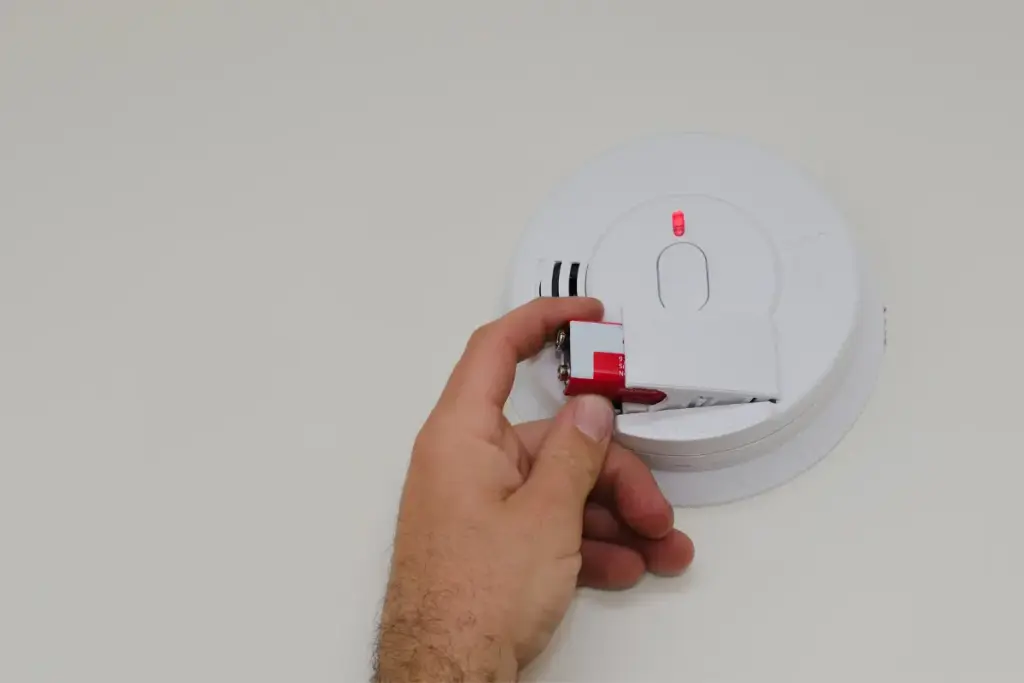
Fire alarm batteries have a limited service life and require regular inspection.
The replacement period depends on:
- Battery type
- Manufacturer recommendations
- Environmental conditions
- System performance
During routine fire alarm servicing, engineers check:
- Battery condition
- Voltage levels
- Signs of damage
- Charging performance
- Date of installation
Batteries should be replaced before they reach the end of their reliable operating life.
Difference Between Standby and Alarm Battery Requirements
The standby requirement relates to maintaining the fire alarm system during normal operation when mains power has failed.
The alarm requirement relates to providing enough power for the system to operate warning devices during an active fire alarm.
Both conditions must be included in the calculation because a fire could occur during a prolonged power failure.
A correctly designed system must remain operational throughout the standby period and still provide alarm operation when required.
Frequently Asked Questions About Fire Alarm Battery Calculations
What is a battery calculation for a fire alarm system?
A battery calculation determines the correct battery capacity required to operate a fire alarm system during mains power failure.
What formula is used for fire alarm battery calculation?
The basic calculation considers standby current multiplied by standby time plus alarm current multiplied by alarm time, with additional allowances applied.
How long should a fire alarm battery last during a power failure?
The required duration depends on the system design, building requirements and applicable standards.
Why do fire alarms need backup batteries?
Backup batteries allow fire alarm systems to continue detecting and warning occupants when the mains electrical supply fails.
What affects fire alarm battery size?
Battery size is affected by the number of connected devices, standby current, alarm current, required operating time and system design.
Can I use any battery in a fire alarm panel?
No. Batteries must be suitable for the specific fire alarm control panel and meet manufacturer requirements.
How often should fire alarm batteries be checked?
Fire alarm batteries should be inspected during routine fire alarm servicing and replaced according to manufacturer guidance and condition.
Which standard covers fire alarm battery calculations in the UK?
BS 5839-1 provides recommendations for fire alarm system design, including power supply arrangements and standby requirements.
Conclusion
A battery calculation for fire alarm systems ensures that the backup power supply is correctly sized to maintain system operation during mains failure.
The calculation considers standby current, alarm current, operating duration and additional factors such as battery ageing. Because fire alarm systems are life safety systems, accurate battery sizing is essential for reliability and compliance.
Following recognised standards such as BS 5839-1, carrying out regular servicing and replacing batteries when required helps ensure that fire alarm systems continue protecting occupants when they are needed most.