




Making a home more energy efficient involves several key steps. Evaluating energy performance identifies areas needing improvement. Upgrading to energy-efficient appliances can lower bills and enhance performance. Sealing drafts and improving insulation prevent energy loss. Installing smart thermostats optimises heating and cooling systems for savings. Additionally, considering renewable energy options like solar can further reduce costs. These actions not only save money but also increase home value. Explore additional strategies for a more energy-efficient haven.
Key Takeaways
- Conduct an energy audit to identify inefficiencies and areas for improvement in your home’s energy performance.
- Upgrade to energy-efficient appliances to lower utility costs and enhance overall performance.
- Improve insulation and seal drafts to reduce energy loss and maintain comfortable temperatures.
- Regularly maintain heating and cooling systems for optimal efficiency and reduced energy consumption.
- Explore renewable energy options to further enhance sustainability and decrease reliance on traditional energy sources.
Understanding Energy Efficiency: Why It Matters
Understanding energy efficiency is essential for homeowners aiming to reduce costs and environmental impact. Energy efficiency refers to using less energy to provide the same service or output, which can lead to significant savings on utility bills. By optimising energy consumption, homeowners can lower their monthly expenses while minimising their carbon footprint. This is particularly important in the context of climate change, where increased energy use contributes to environmental degradation.
Moreover, energy-efficient homes often have higher market values and can attract environmentally conscious buyers. Homeowners can achieve energy efficiency through various methods, such as improving insulation, sealing leaks, and utilising natural light. These measures not only enhance comfort but also prolong the lifespan of heating and cooling systems. Ultimately, understanding energy efficiency empowers homeowners to make informed decisions that benefit both their finances and the planet.
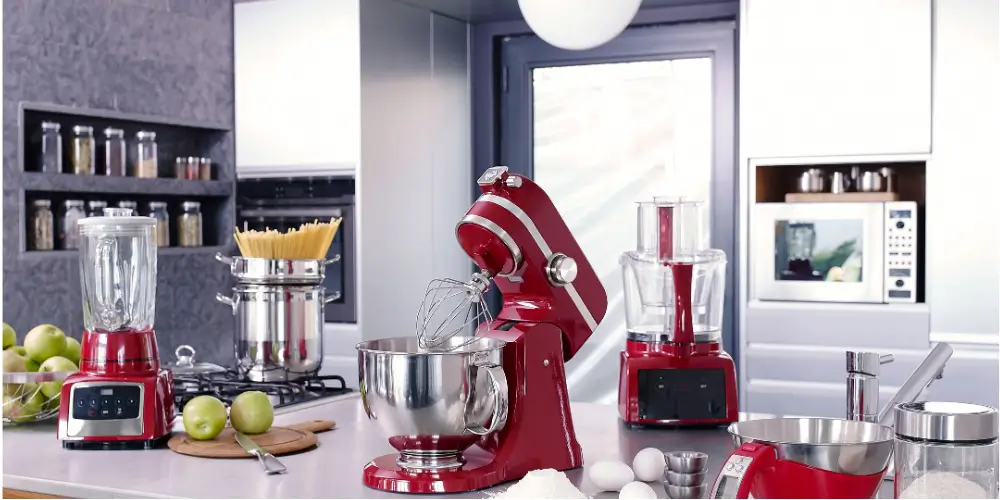
Upgrading Appliances: Choosing Energy-Efficient Models
Upgrading appliances to energy-efficient models can considerably reduce household energy consumption and costs. By selecting appliances that meet high energy standards, homeowners can contribute to a more sustainable environment while enjoying financial savings. Here are three key benefits to weigh:
- Lower Energy Bills: Energy-efficient appliances typically use less electricity or water, leading to significant reductions in monthly utility costs.
- Enhanced Performance: Many modern energy-efficient models offer advanced features that improve functionality and convenience, making daily tasks easier.
- Long-Term Savings: Though the initial investment may be higher, the durability and lower operating costs of energy-efficient appliances often result in savings over their lifespan.
Investing in these models not only supports better energy practices but also aligns with a growing commitment to sustainability. Homeowners should evaluate options carefully to maximise both efficiency and utility savings.
Smart Thermostats: How They Save You Money
Smart thermostats represent a significant advancement in home energy management, complementing the benefits gained from upgrading to energy-efficient appliances. These devices intelligently regulate heating and cooling systems, adapting to homeowners’ routines and preferences. By learning usage patterns, smart thermostats can optimise energy consumption, ensuring that heating or cooling occurs only when needed.
Many models allow remote access via smartphones, enabling users to adjust settings while away from home. This flexibility can lead to significant savings, as homeowners can lower temperatures during unoccupied hours or when on vacation.
Additionally, some smart thermostats provide energy usage reports, helping users understand their consumption patterns and identify areas for improvement. Integration with other smart home devices can further enhance efficiency, creating a cohesive system that works to minimise energy waste. Overall, smart thermostats represent a proactive approach to reducing energy bills while promoting a more sustainable lifestyle.
Simple Ways to Reduce Drafts and Air Leaks
While many homeowners focus on energy-efficient appliances and systems, addressing drafts and air leaks is equally essential for enhancing home comfort and reducing energy costs. Sealing these leaks can lead to significant savings and a more comfortable living environment. Here are three simple strategies to evaluate:
- Weatherstripping: Install weatherstripping on windows and doors to create a tight seal, preventing air from escaping or entering.
- Caulking: Apply caulk around windows, doors, and any gaps in the walls to eliminate unwanted drafts. This is especially effective for stationary elements.
- Outlet Seals: Use foam gaskets behind electrical outlets and switch plates on exterior walls to minimise air leaks.
Why Improve Your Home’s Insulation?
Improving a home’s insulation is essential, as it plays a significant role in maintaining a comfortable indoor temperature year-round. Proper insulation minimises heat loss during winter and keeps homes cool in the summer, leading to reduced energy consumption. This, in turn, lowers energy bills and promotes environmental sustainability.
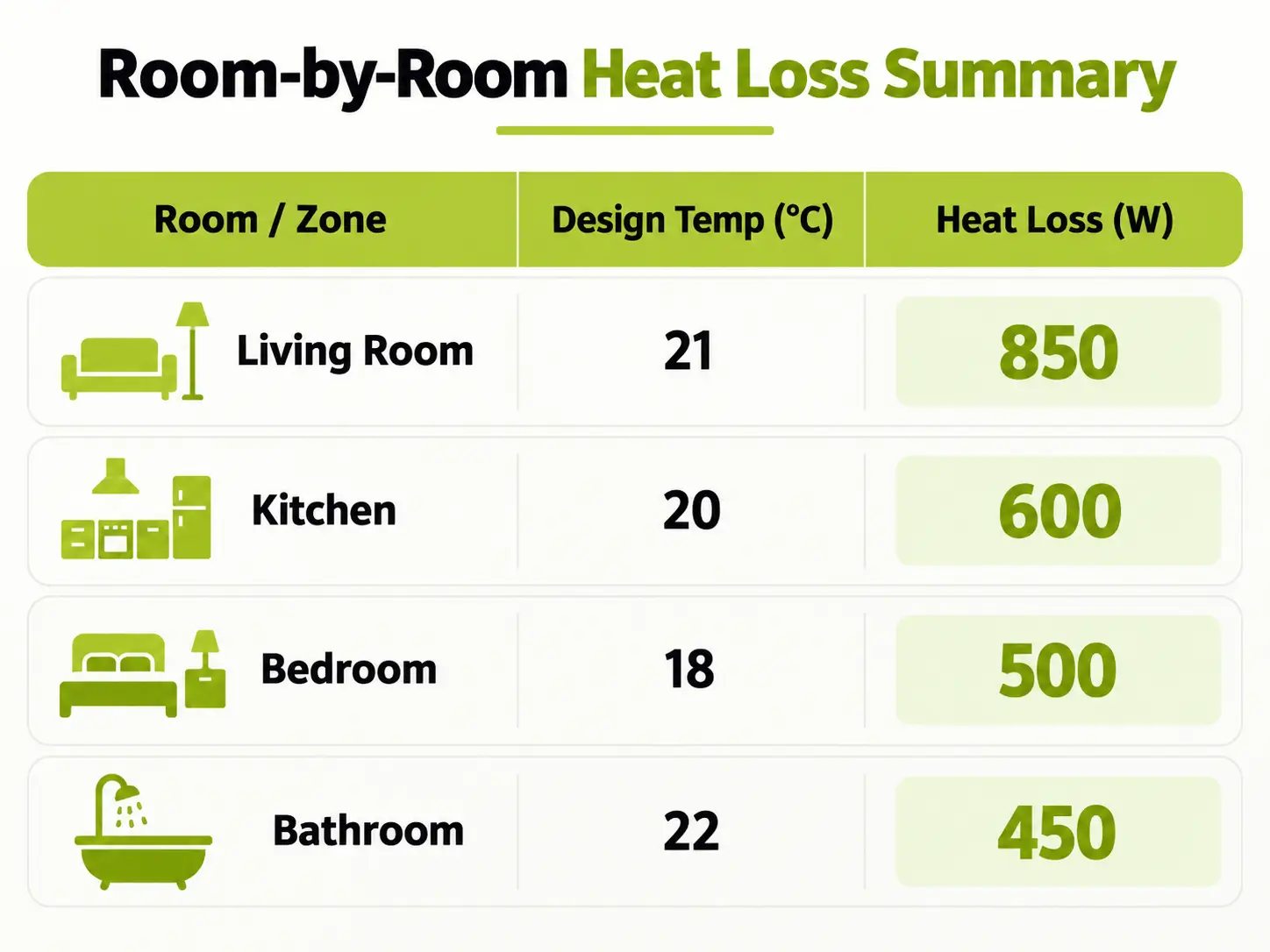
Investing in insulation not only improves comfort but also fosters a healthier planet by reducing energy demand. Enhanced insulation is a practical step towards energy efficiency in the home.
Is Solar Energy a Good Fit for Your Home?
Evaluating energy efficiency measures, homeowners often consider solar energy as a viable option. Before making this investment, several factors should be assessed to determine if solar is a suitable fit for their home.
- Roof Condition: A sturdy roof is essential for solar panel installation. Homeowners should check for any repairs needed before proceeding.
- Sunlight Exposure: Homes that receive ample sunlight throughout the day are prime candidates for solar energy. Trees or buildings that cast shadows can greatly reduce efficiency.
- Energy Consumption: Understanding current energy usage helps in evaluating the potential savings. Homes with high energy demands may benefit more from solar installations.
Efficient Lighting Solutions: Bright Ideas for Your Home
As homeowners seek to enhance their energy efficiency, exploring efficient lighting solutions becomes essential for reducing electricity costs and environmental impact. Shifting to LED bulbs is one of the most effective strategies, as they consume notably less energy and have a longer lifespan compared to traditional incandescent bulbs. Additionally, utilising smart lighting systems can optimise energy use by allowing homeowners to control lighting remotely and set schedules.
The following table outlines various lighting options and their benefits:
| Lighting Type | Benefits |
| LED Bulbs | Energy-efficient, long-lasting |
| CFL Bulbs | Compact, uses less energy |
| Smart Lights | Remote control, programmable |
| Motion Sensors | Automatic activation, energy-saving |
How Water Conservation Enhances Energy Efficiency
Water conservation plays an essential role in enhancing energy efficiency within homes. By reducing water usage, residents can lower their energy consumption, as water heating accounts for a significant portion of energy bills. Understanding this connection helps homeowners make informed choices. Here are three impactful ways water conservation contributes to energy efficiency:
- Reduced Heating Demand: Lowering water usage diminishes the need for heating, ultimately decreasing energy costs associated with water heaters.
- Efficient Appliances: Utilising water-efficient appliances, such as dishwashers and washing machines, minimises both water and energy consumption, leading to substantial savings.
- Landscaping Choices: Implementing drought-resistant landscaping reduces the need for irrigation, further conserving water and the energy required for pumping and treating it.
Evaluating Your Home’s Energy Performance: Next Steps
Many homeowners may not realise the importance of evaluating their home’s energy performance to identify areas for improvement. This assessment can reveal inefficiencies that contribute to higher energy bills. A detailed energy audit is an essential first step, which can be conducted by a professional or through self-assessment tools available online.
Homeowners should examine insulation levels, window seals, and heating and cooling systems to pinpoint areas where energy loss occurs. Additionally, reviewing energy bills over several months can highlight patterns and unusual spikes in consumption.
Once potential issues are identified, homeowners can prioritise upgrades based on cost-effectiveness and potential energy savings. Implementing these changes may involve simple fixes, like sealing drafts, or larger investments, such as upgrading to energy-efficient appliances. Ultimately, a thorough evaluation empowers homeowners to make informed decisions that enhance energy efficiency and reduce overall expenditures.
Frequently Asked Questions
What Are the Benefits of an Energy Audit for My Home?
An energy audit identifies inefficiencies in a home’s energy use, providing insights into potential improvements. Benefits include reduced energy consumption, lower utility bills, enhanced comfort, and increased property value, fostering a more sustainable living environment.
How Can Landscaping Improve My Home’s Energy Efficiency?
Landscaping can enhance a home’s energy efficiency by strategically placing trees and shrubs to provide shade, reduce wind exposure, and improve insulation. These natural elements can lower heating and cooling costs, promoting overall energy conservation.
Are There Government Incentives for Energy-Efficient Home Upgrades?
Yes, numerous government incentives exist for energy-efficient home upgrades, including tax credits, rebates, and grants. These programs aim to encourage homeowners to invest in sustainable improvements, reducing overall costs while promoting environmental stewardship.
What Small Changes Can I Make for Immediate Energy Savings?
Implementing small changes, such as sealing leaks, using energy-efficient bulbs, adjusting thermostat settings, and unplugging unused electronics, can lead to immediate energy savings. These adjustments require minimal effort yet greatly impact energy consumption and costs.
How Do I Choose the Right Contractor for Energy Efficiency Improvements?
To choose the right contractor for energy efficiency improvements, one should research qualifications, read reviews, obtain multiple estimates, and guarantee clear communication regarding project goals, timelines, and warranties, fostering a reliable and effective partnership.
Conclusion
To sum up, enhancing a home’s energy efficiency is a multifaceted approach that not only reduces energy bills but also contributes to environmental sustainability. By upgrading appliances, utilising smart technology, sealing drafts, improving insulation, considering solar options, adopting efficient lighting, and conserving water, homeowners can create a more comfortable living space while greatly lowering their energy consumption. Taking these steps not only benefits individual finances but also supports a broader commitment to a greener future.