

Types of Fire and Fire Extinguisher: A Complete Guide to Fire Safety
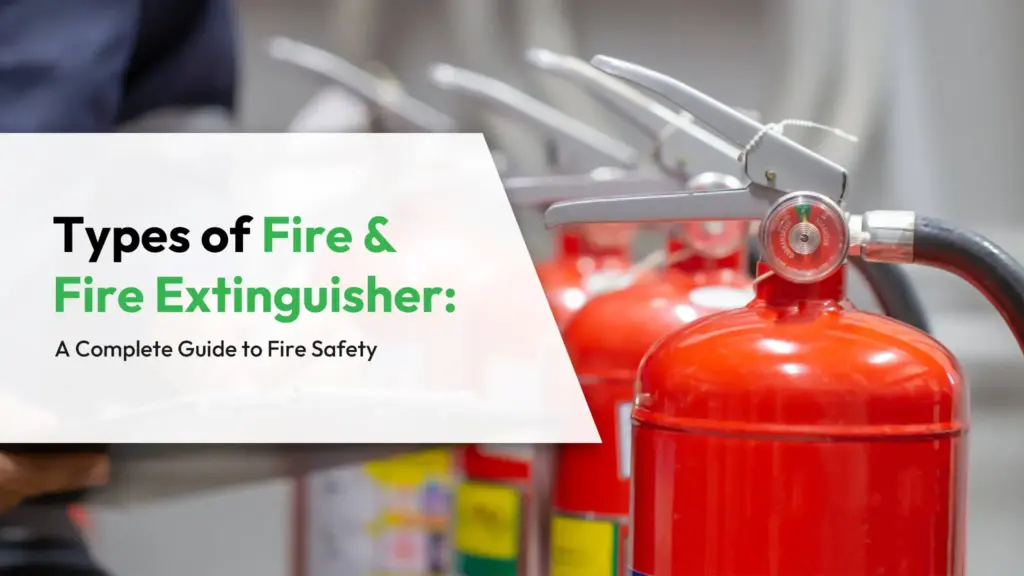
Understanding the types of fire and corresponding fire extinguishers is essential for safety. Fires are classified into five categories: A (ordinary combustibles), B (flammable liquids), C (electrical), D (metal), and K (cooking oils). Each class requires specific extinguishing methods, such as water for Class A and foam for Class B. Effective usage of extinguishers, along […]
Maintained Vs Non-Maintained Emergency Lighting: Which Is Right for You?
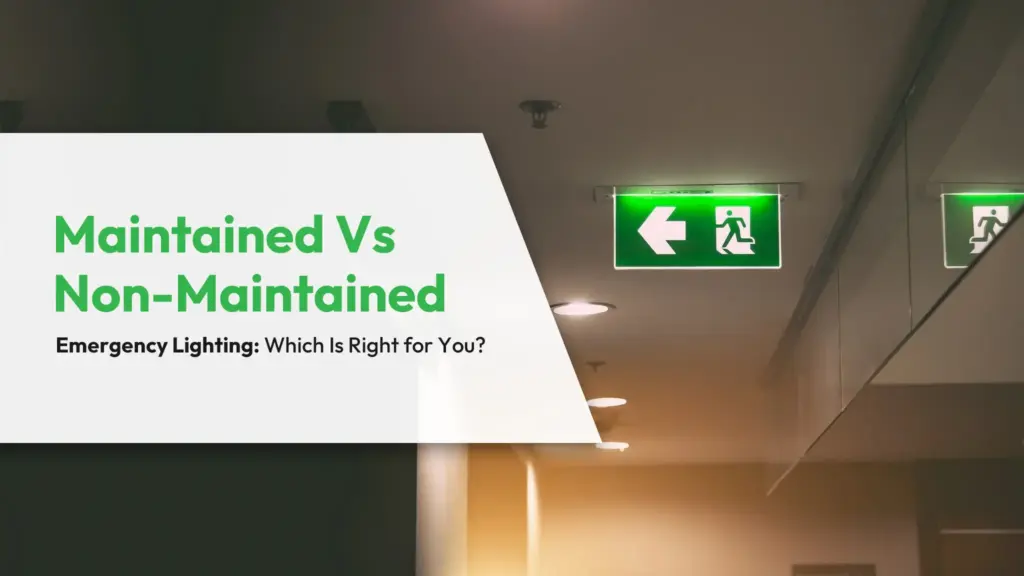
Choosing between maintained and non‑maintained emergency lighting depends on how a building is used, its legal duties and energy priorities. Maintained fittings stay on in normal use, ideal for busy or low‑light areas needing constant illumination. Non‑maintained fittings only light during power failure, cutting energy use and visual impact. Both need testing and battery care, […]
Smoke Alarm And Carbon Monoxide Detector
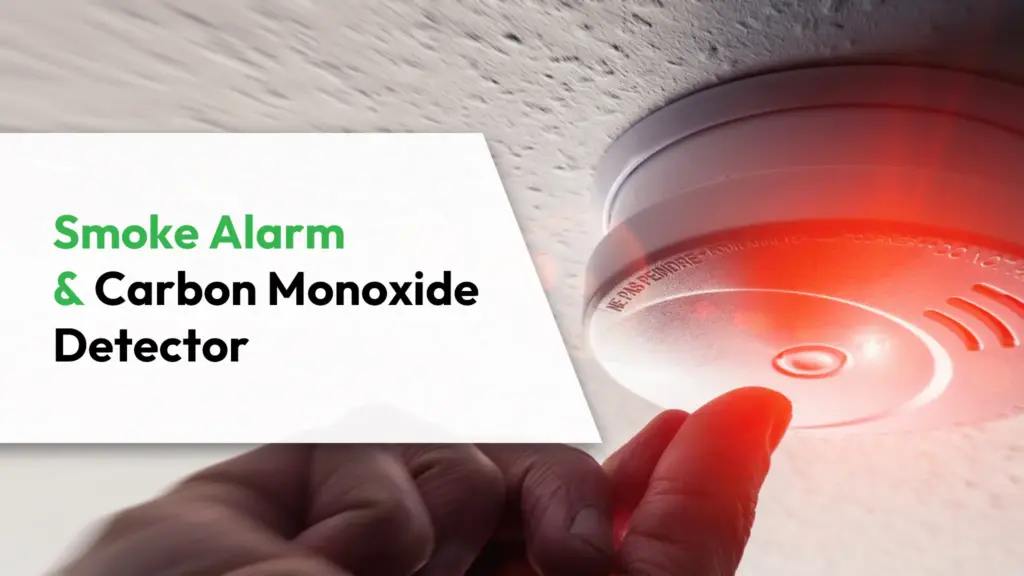
Smoke Alarm And Carbon Monoxide Detector protect against different threats: smoke alarms sense fire-related particles, while CO detectors measure dangerous carbon monoxide gas from fuel-burning appliances. One cannot replace the other, and most homes need both. A common minimum is smoke alarms on every level, inside each bedroom, and outside sleeping areas, plus CO detectors […]
Fire Safety Regulatory Reform Order 2005
The Regulatory Reform (Fire Safety) Order 2005 is the main fire safety law in England and Wales for non-domestic premises and the shared parts of residential buildings. It places duties on the “responsible person” (usually the employer or controller of the premises) to assess fire risks and implement suitable precautions. This includes alarms, safe escape […]
Regulatory Reform Fire Safety Order 2005: Key Changes and What They Mean for You
The Regulatory Reform (Fire Safety) Order 2005 is the main fire safety law for non-domestic premises in England and Wales. It replaces fire certificates with a continuous, risk-based duty on employers, landlords, and building controllers. A “responsible person” must assess fire risks, implement precautions, maintain equipment,t and train staff. Fire services enforce the rules and […]
The Importance of Fire Risk Compliance for Investors: Legal Duties, Risks, and Asset Protection
The Importance of Fire Risk Compliance for Investors is a key aspect of a backing strategy that cannot be overlooked. It involves a range of legal obligations designed to protect both properties and individuals. Investors face significant consequences if they neglect these responsibilities. Beyond the immediate risks, the implications of non-compliance can extend to financial […]
Understanding the Fire Risk Assessment Regulatory Reform Order 2005: Key Requirements and Compliance Tips”
The Fire Risk Assessment Regulatory Reform 2005 establishes key guidelines to ensure safety across various premises. It mandates regular assessments to identify 9latent fire danger and vulnerable individuals. Compliance requires not only systematic documentation but also an ongoing commitment to encourage an outlay of fire safety. As building managers navigate these requirements, understanding the nuances […]
Comprehensive Workplace Fire Risk Assessment for Student Accommodation: A Guide to Safety and Compliance
A thorough Workplace Fire Risk Assessment for Student Accommodation is essential. It not only guarantees compliance with legal standards but also prioritises the safety of residents. Identifying possible fire risk and implementing effective safety measures can greatly reduce risks. In addition, understanding the specific legal requirements and best practices for fire safety is essential. What […]
Regulation 38 Fire Risks Assessment: A Complete Guide for Property Owners”
Regulation 38 Fire Risks Assessment is a key component for property owners aiming to guarantee the safety of their tenants and properties. This assessment identifies the risk of energetic fire and establishes necessary safety measures. Understanding its importance can guide owners in compliance with legal standards and promote a proactive safety culture. However, many property […]
Understanding RC44 Fire Risk Assessments: Protecting Your Property From Fire Hazards
RC44 Fire Risk Assessments play an essential role in safeguarding properties from fire danger. These assessments systematically evaluate various elements, such as building structures and safety measures. By identifying possible risks, property owners can implement effective fire prevention strategies. Understanding the nuances of these assessments is important for compliance and safety. However, many may overlook […]