

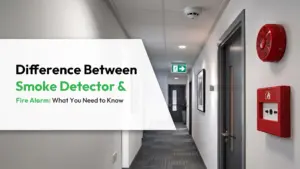


Smoke Alarm And Carbon Monoxide Detector protect against different threats: smoke alarms sense fire-related particles, while CO detectors measure dangerous carbon monoxide gas from fuel-burning appliances. One cannot replace the other, and most homes need both. A common minimum is smoke alarms on every level, inside each bedroom, and outside sleeping areas, plus CO detectors on every level and near bedrooms. Proper placement, monthly testing, and timely replacement improve reliability, with more practical tips ahead.
Smoke Alarm vs CO Detector: What’s Different?
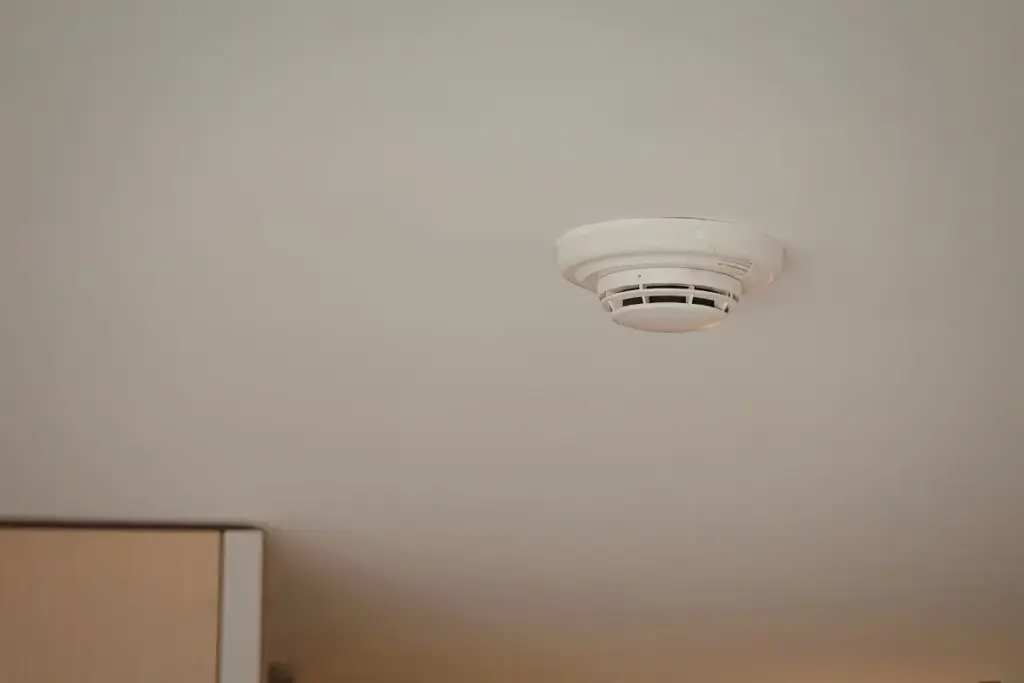
Although they are often installed side by side, a Smoke Alarm And Carbon Monoxide Detector respond to different hazards and use different sensing methods. A smoke alarm targets fire-related particles; common designs use photoelectric sensors to spot smouldering smoke or ionisation chambers to react faster to flaming fires. The goal is early warning when combustion products enter the air.
A CO detector targets an invisible, odourless gas produced by incomplete combustion. It typically uses an electrochemical cell whose output changes as CO concentration rises over time, mirroring how exposure accumulates in the body. Unlike smoke, CO may spread without visible cues, so the device relies on measured parts-per-million levels and timed thresholds rather than particle density. Because each unit monitors a different threat, their alarm patterns, placement guidance, and maintenance checks are not identical, even when combined into a single housing.
Do You Need Both Smoke Alarms and CO Detectors?
Because Smoke Alarm And Carbon Monoxide Detector are triggered by different conditions, no single device can fully replace the other. Smoke alarms respond to smoke and heat patterns linked to fire, giving occupants time to escape or act before flames spread. Carbon monoxide detectors respond to an invisible, odourless gas produced by fuel-burning appliances, vehicles, fireplaces, or blocked vents.
A home can have a deadly buildup of CO without any smoke, and a fast-moving fire can overwhelm a space before CO levels ever rise. Relying on a single device leaves a gap that undermines personal control over risk. Having both devices supports self-reliance: each monitors a separate threat and provides a clear alarm when conditions cross a danger threshold.
Combination units can be acceptable when they meet current standards and are installed and maintained as directed, but they must still reliably cover both hazards. Regular testing and timely battery replacement preserve that independence.
How Many Smoke Alarms and CO Detectors Do You Need?
How many alarms are enough to make a home genuinely safer? A practical baseline follows widely used safety codes: smoke alarms on every level and in each sleeping area, plus carbon monoxide (CO) detectors on every level and near sleeping areas when fuel-burning appliances or attached garages exist. That usually means at least three smoke alarms in a small home, and two CO detectors, with larger or multi-level layouts scaling upward. The goal is simple: independent layers of warning so residents keep control during a crisis, not guesswork.
| Home snapshot | Minimum count |
| Studio/1-level, 1 bedroom | 2 smoke, 1 CO |
| 2-level, 2–3 bedrooms | 3–4 smoke, 2 CO |
| 3-level or 4+ bedrooms | 5+ smoke, 3+ CO |
Local rules may require more; choosing interconnected units can strengthen autonomy by speeding notice without reliance on outside help.
Where Should Smoke Alarms Go (and Not Go)?
Where a smoke alarm is placed often matters as much as having one at all. Install alarms in each bedroom, in sleeping areas outside, and on every level, including basements. For best performance, mount on the ceiling or high on a wall, following the manufacturer’s spacing rules. Keep the path to exits covered so a fast-moving fire can’t steal escape time.
Avoid dead-air corners, where walls meet ceilings, and keep units away from fans, vents, and open windows that can push smoke past the sensor. Do not place alarms too close to kitchens, bathrooms, or fireplaces; nuisance alarms train people to silence devices and surrender independence.
Garages are also poor locations because vehicle exhaust and dust can trigger false alerts and shorten sensor life. In stairwells, place units near the top to catch rising smoke early. Test placement by ensuring alarms are audible behind closed doors.
Where Should Carbon Monoxide Detectors Go (and Not Go)?
Often overlooked, the placement of carbon monoxide detectors determines whether the alarm sounds in time to prevent exposure. Install a unit on every level of the home and outside each sleeping area, so occupants can act quickly and maintain control of the situation.
Place detectors in hallways near bedrooms, and add one in rooms with fuel-burning appliances or an attached garage, following the manufacturer’s height guidance. Keep them unobstructed, away from curtains, and in areas where household members can hear them.
Avoid placing detectors in garages or directly above or next to stoves, fireplaces, furnaces, or water heaters, where normal combustion byproducts can trigger nuisance alarms. Do not mount them in dead-air corners, behind furniture, or in areas with strong airflow, such as near HVAC supply vents, ceiling fans, or open windows. Skip humid spaces such as bathrooms and damp basements unless permitted, and keep units away from dusty workshops.
What to Buy: Sensor Type, Power, and Interconnect
Before comparing brands, it helps to narrow the choice by sensor type, power source, and whether the alarm can interconnect with others. For smoke, photoelectric sensors respond faster to smouldering fires, while ionisation units tend to react sooner to fast-flaming fires; dual-sensor models cover both profiles but add cost. For carbon monoxide, look for a listed electrochemical sensor and a clear end-of-life signal, as CO-sensing elements wear out.
Power determines autonomy and upkeep. Hardwired alarms with battery backup reduce reliance on memory and provide protection during outages; they also satisfy many building codes. Battery-only models offer simpler installation and fewer permissions, useful for renters or outbuildings, but require disciplined battery changes and unit replacement on schedule. Interconnect matters for response time. Wired or wireless linking lets one alarm trigger all, giving occupants a full-house warning and more options to act.
Are Combo Smoke/CO Alarms Worth It?
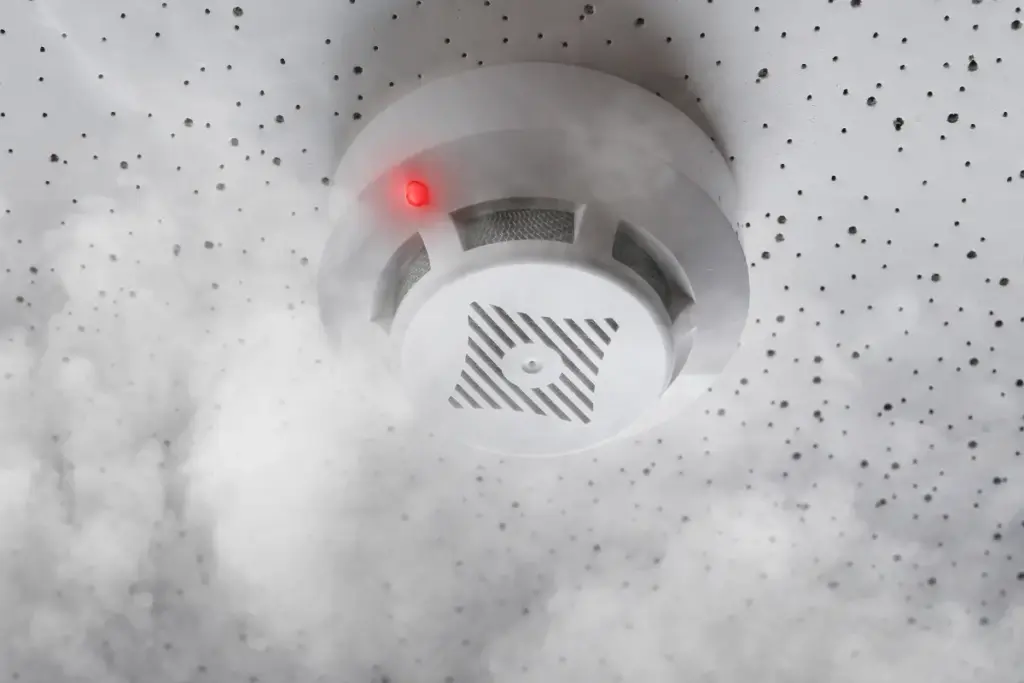
Although combo smoke/CO alarms can simplify installation by consolidating two devices into one, their value depends on placement needs and maintenance realities. Smoke detection is typically recommended in sleeping areas and on each level, while carbon monoxide monitoring is most relevant near fuel-burning appliances and adjacent to bedrooms. A single combo unit cannot always satisfy both ideal locations, so it may force compromises or require additional units.
Combo alarms also tie two protections to one housing and power source; if that unit is removed for replacement, both coverages disappear at once. Separate devices can preserve flexibility: a homeowner can add CO coverage where risk changes without relocating smoke alarms, or choose specialised models with preferred features. Still, combos can work well in straightforward layouts, rentals, and travel setups where fewer devices reduce clutter and simplify compliance. Cost, labelling clarity, and approvals should guide the decision.
Testing, Maintenance, and What to Do When Alarms Sound
Choosing separate units or a combo alarm is only part of the safety picture; reliability depends on regular testing, routine upkeep, and a clear plan for responding when an alarm sounds. Devices should be tested monthly using the test button, with every occupant learning the distinct patterns for smoke versus carbon monoxide. Batteries should be replaced at least once a year, or immediately when chirping starts; sealed 10-year models still require replacement at the end of life.
Units should be vacuumed gently to clear dust, kept free of paint, and replaced on schedule (often 10 years for smoke, 5–7 for CO, per label). When a smoke alarm sounds, everyone should exit fast, close doors, and call emergency services from outside. When a CO alarm sounds, occupants should get to fresh air, avoid reentry, and have fuel-burning appliances inspected before resuming normal life.
Frequently Asked Questions
Do Smoke Alarms and CO Detectors Expire, and When Should They Be Replaced?
Yes, they expire. Smoke alarms are typically replaced every 10 years; CO detectors every 5–7 years, or per the label. Battery units need yearly batteries. Replace sooner if malfunctioning, chirping, or recalled.
Can Pets or Cooking Fumes Cause False Alarms, and How Can I Prevent Them?
Yes, pets and cooking fumes can trigger nuisance alarms. Prevention includes placing units away from kitchens, using photoelectric sensors, keeping vents clear, cleaning regularly, and avoiding aerosols. They should keep the silence buttons accessible without surrendering safety.
Are Smoke and CO Alarms Required by Local Building Codes or Rental Regulations?
Smoke and CO alarms are often required by local building codes and many rental laws, though rules vary by city and state. A freedom-minded approach is to check statutes directly, then choose compliant placement and models.
What Should I Do if My Alarm Chirps Even After Replacing the Batteries?
If an alarm keeps chirping, they should reset it, clean it of dust, verify that the batteries are correct, and check for end-of-life signals. If it persists, they should replace the unit or contact maintenance, safeguarding choice and independence.
Can I Install Smoke/Co Alarms Myself, or Should I Hire an Electrician?
Most people can install them themselves if battery-powered or plug-in; hardwired units may warrant an electrician. They should follow local codes and manufacturer instructions, shut off the power, test monthly, and choose a trusted placement for autonomy.
Conclusion
Smoke Alarm and Carbon Monoxide Detector address different dangers and work best when used together as a coordinated safety system. Proper coverage depends on the home’s layout, fuel-burning appliances, attached garages, and sleeping areas, with correct placement helping prevent nuisance alarms and missed warnings. Choosing reliable sensors, appropriate power sources, and interconnected units improves response time. Combo alarms can be convenient when properly rated. Regular testing, timely battery replacement, and prompt action during alarms remain essential.