


The EICR Code Breaker serves as an analytical resource for understanding electrical inspection results. It provides clarity on various codes, each indicating specific safety and compliance issues. Property owners can benefit from recognising the significance of these codes, especially when prioritising necessary repairs. However, the implications of these classifications extend beyond immediate fixes. Exploring how these codes influence long-term safety and compliance practices reveals a deeper layer of responsibility for property management.
Key Takeaways
- The EICR Code Breaker categorises electrical issues using codes C1 to C4, indicating the urgency of necessary repairs and safety actions.
- Code 1 (C1) denotes immediate danger, while Code 2 (C2) indicates potentially dangerous conditions needing prompt resolution.
- Code 3 (C3) recommends improvements without immediate risk, and Code 4 (C4) suggests future monitoring without urgent action required.
- Engaging qualified electricians helps clarify EICR findings and determine appropriate responses to ensure electrical safety and compliance.
- Using the EICR Code Breaker prioritises repairs based on risk severity, functional impact, compliance requirements, and cost-effectiveness to support proactive safety measures.
Making Sense of Electrical Inspection Results for Property Owners
When property owners receive the results of an Electrical Installation Condition Report (EICR), understanding the implications of the findings can be challenging. These reports categorise electrical systems using coded evaluations, which can leave owners perplexed. Each code, ranging from C1 to C3, signifies different levels of urgency regarding safety and compliance.
For instance, a C1 indicates an immediate danger requiring prompt action, while a C3 indicates improvement recommendations without immediate risk.
Property owners must understand these codes to prioritise repairs and ensure their properties remain safe and functional. Engaging a qualified electrician can clarify these findings and help owners understand the essential steps needed to rectify the issues.
How Electrical Safety Codes Help Identify Hidden Risks
Understanding electrical safety codes is essential, as they serve to highlight possible danger that may not be immediately visible. These codes serve as a framework for identifying risks associated with electrical systems and ensuring safety standards are upheld. By adhering to established guidelines, individuals can discover issues such as faulty wiring, inadequate grounding, or outdated equipment that could compromise safety.
Electrical safety codes empower property owners to take proactive measures and promote a sense of autonomy in managing their electrical systems. When these codes are correctly interpreted, they reveal hidden dangers that might otherwise go unnoticed, allowing for timely interventions.
Implementing safety codes not only protects lives but also extends the lifespan of electrical installations. Ultimately, understanding these codes equips individuals with the knowledge to make informed decisions, thereby enhancing their freedom to create safe and efficient environments.
Understanding Fault Classifications in Electrical Condition Reports
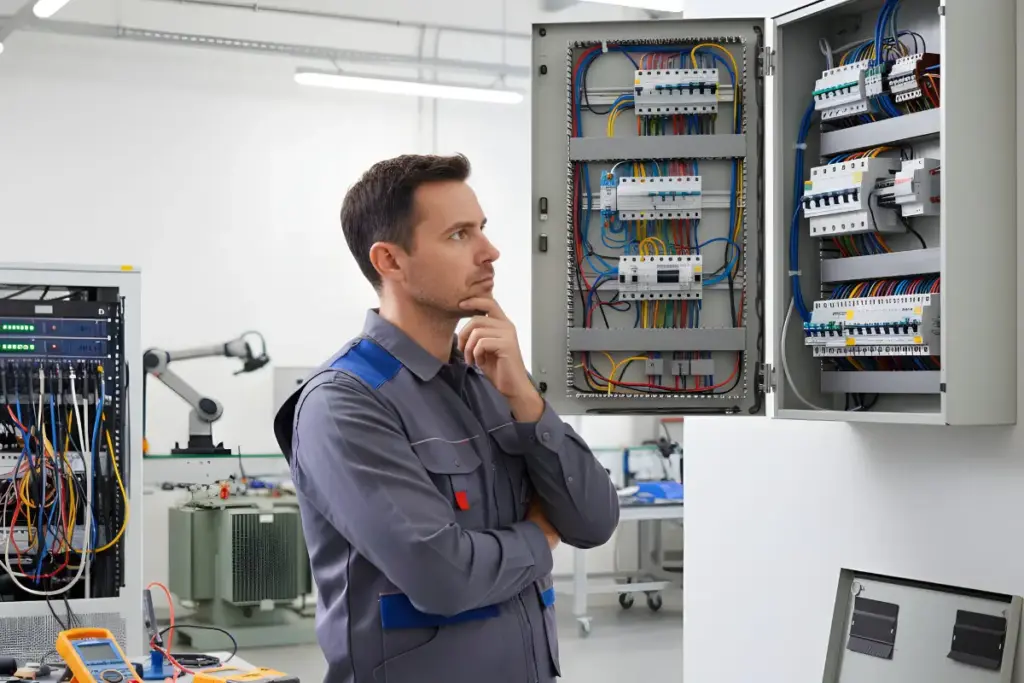
Clarity in fault classifications within Electrical Condition Reports is essential for practical assessment and remediation of electrical systems. Understanding these classifications helps stakeholders identify the seriousness of issues and prioritise necessary actions.
Key fault classifications typically include:
- Code 1: Immediate danger, requiring urgent attention.
- Code 2: Potentially dangerous, needing prompt resolution.
- Code 3: Improvement recommended, but not immediately hazardous.
- Code 4: No immediate action required, yet future monitoring is advisable.
These classifications not only guide electricians and property owners but also establish a common language for discussing electrical safety.
With a clear understanding of these codes, individuals can make informed decisions regarding their electrical systems and ultimately promote a safer environment.
What Electrical Inspection Codes Reveal About Property Safety
Electrical inspection codes serve as analytical indicators of property safety, revealing the overall condition of a building’s electrical system.
These codes provide essential insights into potential risk, regulatory compliance, and the effectiveness of current electrical installations. By adhering to established codes, property owners can guarantee their electrical systems are not only functional but also safe for occupants.
When codes highlight deficiencies, they serve as a call to action, urging timely interventions to prevent electrical failures or accidents, a key function of an EICR code breaker.
Furthermore, understanding these codes empowers property owners to make informed decisions about maintenance and upgrades, thereby enhancing the property’s safety profile.
Ultimately, electrical inspection codes play an essential role in safeguarding lives and property, encouraging a culture of accountability and awareness.
They encourage a proactive approach to electrical safety, guaranteeing that all systems are reliable and up to date, allowing individuals to pursue their freedoms without the shadow of electrical danger looming overhead..
Using an EICR Code Breaker to Prioritise Electrical Repairs
When property owners receive an Electrical Installation Condition Report (EICR), they often face the challenge of determining which repairs to address first.
Using an EICR Code Breaker can simplify this process, allowing for a focused approach to electrical safety.
Key considerations for prioritising repairs include:
- Severity of Risk: Identify issues that pose immediate danger to occupants.
- Impact on Functionality: Consider repairs that affect essential services, such as lighting and heating.
- Compliance Requirements: Address any violations of electrical codes to avoid penalties.
- Cost-Effectiveness: Prioritise repairs that prevent more extensive damage or costly future fixes.
Common Electrical Problems Uncovered During Safety Inspections
Though property owners often hope for a clean bill of health from safety inspections, many common electrical problems frequently come to light.
Wiring issues, such as frayed or exposed conductors, pose significant risks and require immediate attention. Overloaded circuits are another prevalent concern; if left unaddressed, they can lead to overheating.
Additionally, improper grounding can compromise safety, increasing the risk of electric shock.
Outdated electrical panels may fail to meet modern safety standards, posing a danger in homes and businesses. Moreover, the presence of inadequate or missing circuit breakers can leave properties vulnerable to electrical faults.
These issues, uncovered during inspections, serve as reminders that safeguarding one’s environment is paramount. By acknowledging and addressing these common electrical problems, property owners can increase safety and guarantee their freedom from potential danger.
Why Accurate Code Interpretation Is Essential for Compliance
Accurate interpretation of electrical codes is essential for guaranteeing compliance with safety regulations and standards. Proper understanding helps prevent accidents, protect property, and promotes a culture of safety within communities.
Non-compliance can lead to significant consequences, including legal ramifications and increased insurance costs.
Key reasons for accurate code interpretation include:
- Safety Assurance: Prevents electrical hazards that could lead to fires or shocks.
- Legal Compliance: Guarantees adherence to local and national regulations, avoiding fines or legal action.
- Property Protection: Safeguards homes and businesses from potential damage caused by faulty installations.
- Insurance Benefits: Reduces risk assessments, potentially lowering premiums and guaranteeing coverage during claims.
Explaining C1, C2, and C3 Codes With an EICR Code Breaker
Understanding the nuances of electrical inspection codes is essential for effective compliance and safety. C1, C2, and C3 codes provide analytic insights into the condition of electrical installations. Each code conveys a specific level of urgency and required action.
| Code | Description |
| C1 | Danger present; immediate action required. |
| C2 | Potentially dangerous; action needed soon. |
| C3 | Improvement recommended; no immediate danger. |
A C1 code indicates an urgent risk that requires immediate rectification to ensure safety. Conversely, a C2 code suggests a concern that needs attention but is not an immediate threat. Finally, a C3 code indicates that while the installation is safe, enhancements could improve overall safety and efficiency. Understanding these codes empowers individuals to make informed decisions about their electrical systems while promoting a proactive approach to safety and compliance.
How Proper Code Analysis Improves Electrical Safety Decisions
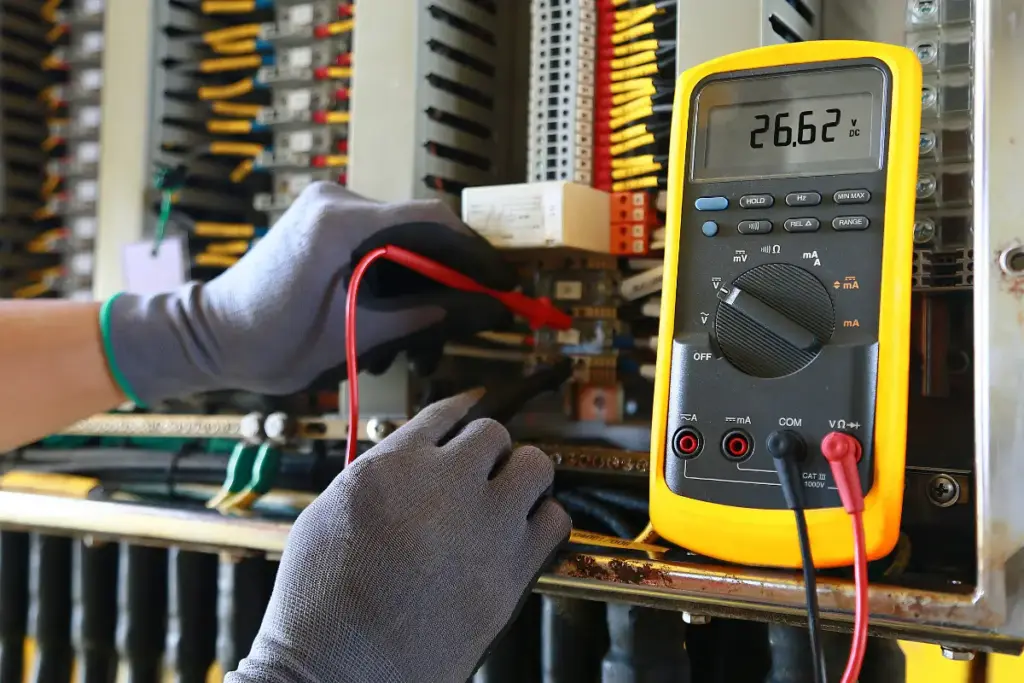
Practical analysis of EICR codes greatly increases electrical safety decisions within any environment. By meticulously interpreting these codes, stakeholders can identify potential hazards and make informed choices that prioritise safety without compromising autonomy.
This analytical approach promotes a proactive culture in which risks are addressed before they escalate into serious issues.
Key benefits of proper code analysis include:
- Increased Risk Assessment: Understanding codes helps in evaluating potential electrical hazards effectively.
- Informed Decision-Making: Stakeholders can make choices rooted in established safety standards, ensuring compliance and security.
- Increased Awareness: A thorough grasp of codes educates teams on electrical safety, promoting a culture of vigilance.
- Empowered Freedom: Knowledge of electrical codes allows individuals to navigate their environments confidently, ensuring they can act safely and freely.
Ultimately, a well-executed code analysis is crucial for creating safer spaces that respect individual freedoms while prioritising well-being.
Maintaining Long-Term Compliance Through an EICR Code Breaker Approach
While the initial implementation of EICR codes is essential, maintaining long-term compliance requires a proactive and systematic approach. An EICR Code Breaker can facilitate ongoing adherence by ensuring that electrical systems remain safe and effective. This approach encourages regular inspections, timely updates, and educating personnel on code changes.
The following table highlights key strategies for maintaining compliance:
| Strategy | Frequency | Responsibility |
| Regular Inspections | Annually | Qualified Electricians |
| Staff Training | Semi-Annually | Management and HR |
| Code Review Sessions | Quarterly | Compliance Officer |
| Documentation Updates | As Required | All Personnel |
| Risk Assessments | Bi-Annually | Safety Committee |
Frequently Asked Questions
What Are the Consequences of Ignoring EICR Code Findings?
Ignoring EICR code findings can lead to serious safety hazards, increased risk of electrical fires, potential legal repercussions, and costly repairs. Ultimately, neglecting these findings compromises both personal safety and the integrity of electrical systems.
How Often Should I Get an EICR Done?
An EICR should typically be conducted every five years for rental properties or upon change of occupancy. Homeowners might consider regular inspections to guarantee safety, though personal circumstances can dictate different frequencies based on usage and conditions.
Can I Perform My Own EICR Inspection?
Performing one’s own EICR inspection is not advisable due to complex regulations and safety standards. Professionals possess the expertise and tools necessary to ensure compliance and safety, ultimately protecting both individuals and property.
What Is the Cost Range for an EICR Inspection?
The cost range for an EICR inspection typically falls between £100 and £300, depending on factors such as property size and location. Individuals seeking freedom in electrical safety should consider professional evaluations for thorough insights.
Are EICR Codes Applicable to Commercial Properties as Well?
Yes, EICR codes apply to commercial properties as well. These regulations guarantee electrical safety across all types of buildings, protecting both occupants and businesses by adhering to established standards and maintaining operational integrity.
Conclusion
To sum up, the EICR Code Breaker is an indispensable resource for property owners, helping them effectively decipher electrical inspection results. By understanding and prioritising codes like C1, C2, and C3, individuals can address safety concerns, improve compliance, and make informed repair decisions. This proactive approach not only mitigates immediate risks but also promotes long-term electrical safety, ensuring that properties remain safe and compliant for years to come.