


The EICR F1 Code Guide for Landlords represents an analytical warning for landlords regarding severe electrical danger. This classification identifies immediate dangers that must be addressed without delay. Understanding the implications of this code is essential for property owners. Ignoring it can pose significant risks to both tenants and the landlord’s legal responsibilities. What specific actions must landlords take when faced with an EICR F1 Code, and how can they prevent such issues in the future?
Key Takeaways
- The EICR F1 code indicates immediate danger due to analytical electrical safety failures, requiring urgent attention from landlords.
- Common faults include exposed wiring, inadequate earthing, and faulty circuit breakers, posing risks of shocks and fires.
- Landlords must hire a qualified electrician to remediate issues and ensure compliance with safety regulations.
- Timely repairs can prevent escalating costs and legal consequences, safeguarding tenant safety and property integrity.
- Regular electrical safety checks and clear communication with tenants can increase safety awareness and encourage prompt reporting of issues.
What Is an EICR F1 Code? Understanding the Most Serious Electrical Safety Classification
The EICR F1 code represents a critical classification in electrical safety, indicating a failure to comply with essential safety standards. This designation serves as a clear warning that specific electrical installations pose significant risks, potentially endangering lives and property.
For landlords, understanding the implications of the F1 code is paramount, as it demands immediate attention and action to address hazardous conditions. This classification arises from exact assessments designed to uphold safety in rental properties.
Landlords are responsible for ensuring their electrical systems are not only functional but also safe for tenants. An EICR F1 code signifies an urgent need for remediation, compelling landlords to prioritise their occupants’ well-being.
EICR F1 Code Explained: Why It Indicates Immediate Danger in Electrical Installations
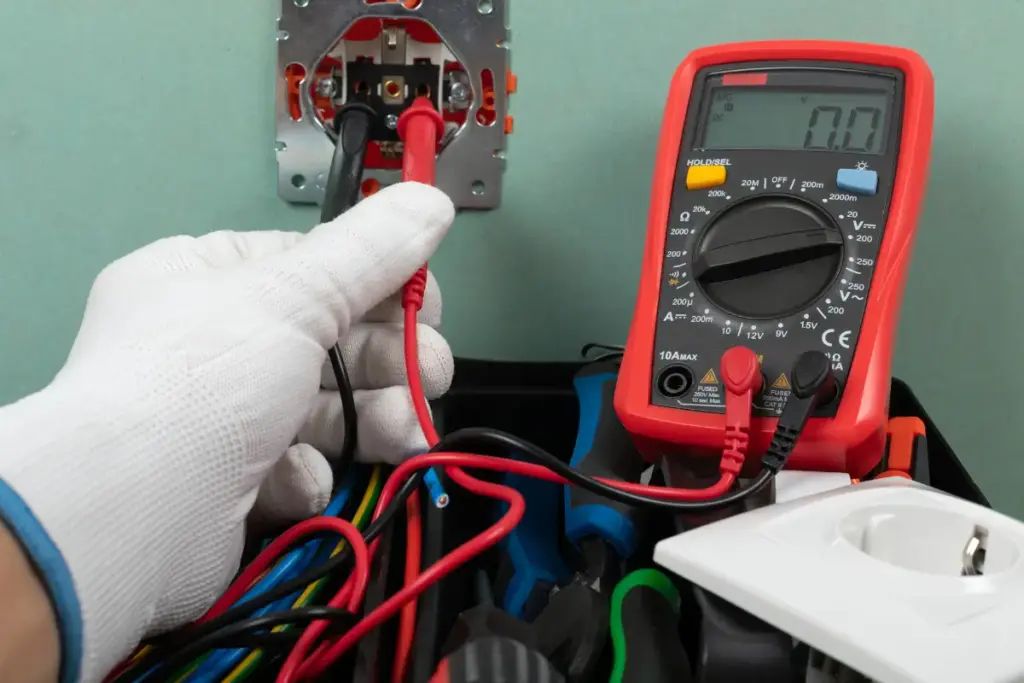
Safety is paramount in any electrical installation, and an EICR F1 code is a clear indicator of immediate danger. This classification indicates serious deficiencies in the electrical system that pose a risk to life or property.
An F1 code can arise from significant issues such as exposed wiring, inadequate earthing, or dangerously overloaded circuits. The implications of such faults are profound, as they can lead to electrical shocks, fires, or equipment failures.
Landlords must recognise the urgency of addressing an F1 code, as neglecting these issues not only endangers tenants but also violates legal responsibilities. Immediate action is required to address the identified risk and ensure the safety and well-being of all occupants.
Common Electrical Faults That Trigger an EICR F1 Code During Inspections
While various issues can arise within electrical systems, certain faults are more likely to trigger an EICR F1 code during inspections. Common culprits include exposed wiring, which poses a significant risk of electric shock or fire.
Additionally, faulty circuit breakers that fail to trip during overloads can lead to dangerous conditions. Inadequate earthing also presents risks, as it prevents the safe dissipation of electrical faults.
Overloaded circuits, where demand exceeds the circuit’s capacity, can cause overheating and pose a fire risk. Moreover, incorrect or poorly maintained installations may not meet safety standards, increasing the likelihood of failure.
Each of these faults not only jeopardises safety but also highlights the importance of vigilant inspections. Addressing these issues promptly can ensure tenant safety and protect landlords from possible liability.
Awareness of these common faults empowers property owners to maintain safer living environments.
Is an EICR F1 Code Illegal? Legal Implications for Landlords and Property Owners
What constitutes the legal status of an EICR F1 code for landlords and property owners? An EICR F1 code indicates an immediate danger, highlighting serious electrical issues that could pose a safety risk.
While the code itself is not illegal, failing to address it can lead to significant legal repercussions. Landlords are legally obligated to maintain safe living conditions; failing to comply with an EICR F1 code can result in penalties, including fines or even prosecution.
Compliance with safety regulations is essential for protecting tenants and preserving property ownership rights. Consequently, while the EICR F1 code may not be illegal in itself, the actions or lack thereof taken by property owners in response to it can lead to legal consequences.
Understanding these implications empowers landlords to take dynamic measures, ensuring safety and adherence to legal standards while helping create an environment of freedom and responsibility in property management.
What Happens If Your Property Receives an EICR F1 Code? Next Steps to Take
Receiving an EICR F1 code signals a serious electrical issue that requires immediate attention from landlords or property owners. This designation indicates an imminent risk to tenants and requires prompt action to ensure safety and regulatory compliance.
Next steps are essential to rectify the situation:
- Engage a Qualified Electrician: Contact a certified electrician to promptly assess and address the reported issues.
- Implement Necessary Repairs: Follow the electrician’s recommendations to address the identified risk and ensure the property meets safety standards.
- Re-test and Document: After repairs, conduct a follow-up EICR to confirm that all issues have been resolved, and keep records for future reference and legal compliance.
Energetic measures not only protect tenants but also uphold the integrity of the property, giving landlords peace of mind and guaranteeing freedom from future liabilities.
EICR F1 Code vs C1 and C2: Key Differences Every Property Owner Should Know
Understanding the distinctions between EICR codes is pivotal for property owners, as each code indicates different levels of electrical safety.
The EICR F1 code indicates a dormant, dangerous situation that requires immediate action, highlighting issues that could pose severe safety risks. In contrast, C1 and C2 codes represent less urgent conditions. A C1 code identifies a danger that requires urgent attention, while a C2 code signifies a non-immediate hazard that must be addressed but does not pose an immediate safety risk.
Property owners must recognise these differences to prioritise necessary repairs and guarantee compliance with safety standards. Knowledge of these codes empowers landlords to make informed decisions, safeguarding both their underwriting and tenants’ well-being.
Ultimately, understanding these codes promotes a sense of responsibility, enhancing electrical safety in rental properties while allowing owners to maintain their autonomy.
Can You Rent or Sell a Property With an EICR F1 Code?
Can a property owner proceed with renting or selling a property that has an EICR F1 code? The answer is no; an F1 code indicates immediate danger, making it illegal to rent or sell the property until the issues are resolved.
This code indicates that a serious electrical risk exists and requires prompt remediation for the safety of future occupants.
Before proceeding with any transaction, property owners must undertake the necessary repairs and obtain a satisfactory EICR report.
- An F1 code mandates immediate attention; safety is paramount.
- Renting or selling without rectifying the issues can lead to legal repercussions.
- Understanding the implications of an F1 code guarantees responsible property management.
In essence, landlords must prioritise addressing the problems associated with an EICR F1 code to maintain both legal compliance and tenant safety.

How Electricians Identify and Record an EICR F1 Code in Inspection Reports
During a thorough electrical inspection, electricians meticulously evaluate various components of a property’s wiring system to identify any danger that might warrant an EICR F1 code. This process includes checking wiring conditions, inspecting electrical connections, and examining safety devices. By documenting their findings, electricians guarantee that landlords are aware of any immediate dangers.
| Inspection Aspect | Description |
| Wiring Condition | Evaluating insulation and wear |
| Connections Integrity | Assessing junctions and fittings |
| Safety Devices Status | Testing RCDs and circuit breakers |
Electricians use standardised forms to record their observations, guaranteeing compliance with regulations. This structured method not only helps identify developing risks but also empowers landlords to take the necessary actions to ensure tenant safety. Ultimately, accurate reporting encourages an energetic stance on electrical safety, allowing landlords to maintain their freedom in property management while prioritising tenant well-being.
The Cost of Fixing an EICR F1 Code: Repairs, Timeframes, and Compliance
Addressing an EICR F1 code often involves a range of repair costs and timeframes, depending on the specific issues identified during the inspection.
Landlords should be prepared for likely expenses that can vary considerably depending on the severity of the electrical faults.
- Minor repairs may cost between £100 and £500 and can usually be completed within a few days.
- Major issues, such as rewiring or upgrading the electrical system, could cost £1,000 or more and extend repair times to weeks.
- Compliance with safety regulations is necessary, and delays in addressing the F1 code can lead to legal consequences and increased costs.
Energetic landlords understand that timely action not only guarantees tenant safety but also protects their investment, promoting a hassle-free rental experience.
Awareness of these costs helps landlords make informed decisions and maintain compliance with electrical safety standards.
How to Prevent an EICR F1 Code: Electrical Safety Tips for UK Properties
To prevent the occurrence of an EICR F1 code, landlords should prioritise regular electrical safety checks and maintenance in their properties. Conducting thorough inspections at least every five years guarantees that any possible risks are identified early.
Landlords should employ qualified electricians to perform these inspections, as they can provide expert insights into the condition of electrical systems.
In addition, landlords ought to encourage tenants to report any electrical issues promptly. This driven communication advances a sense of shared responsibility for safety.
Confirming that all electrical appliances comply with safety standards is key; landlords should provide guidance on proper use and maintenance.
Finally, installing residual-current devices (RCDs) can significantly reduce the risk of electric shock and fire.
Frequently Asked Questions
How Often Should an EICR Inspection Be Conducted for Rental Properties?
An EICR inspection for rental properties should be conducted every five years or at each change of tenancy. This guarantees electrical safety standards are maintained, providing peace of mind for landlords and tenants alike.
What Qualifications Should an Electrician Have to Perform EICR Inspections?
An electrician performing EICR inspections should possess relevant qualifications, including a Level 3 Certificate in Electrical Installation, competence in testing and inspection, and familiarity with current electrical safety regulations to guarantee thorough and compliant assessments.
Can Tenants Request an EICR Inspection if Not Provided by the Landlord?
Tenants can indeed request an EICR inspection if the landlord has not provided one. It is within their rights to seek assurance regarding electrical safety in their living environment, promoting their well-being and peace of mind.
What Documentation Is Needed for EICR Compliance?
To achieve EICR compliance, landlords must provide an Electrical Installation Condition Report that details inspection results, any identified issues, and the necessary remedial actions. Supporting documents may include previous reports, maintenance records, and certificates for completed electrical work.
Are There Different EICR Requirements for Commercial Versus Residential Properties?
Yes, there are different EICR requirements for commercial and residential properties. Commercial properties often face stricter regulations due to higher occupancy and usage demands, while residential properties have simpler compliance standards that prioritise tenant safety.
Conclusion
To summarise, the EICR F1 code serves as a warning to landlords about serious electrical risks that require immediate attention. By understanding the implications of this code and taking swift action to address any identified issues, landlords not only ensure their tenants’ safety but also protect their property and legal interests. Driven measures, such as regular inspections and adherence to safety standards, can help prevent an EICR F1 code in the future.