

F1 electrical findings, often recorded as an eicr f1 code, indicate analytic safety issues that require urgent attention. These observations highlight immediate threats, such as exposed wiring or malfunctioning circuit breakers, which can lead to severe consequences. Understanding the implications of these findings is essential for property owners and occupants alike. Ignoring them could result in legal and financial consequences. What specific actions must be taken to address these risks, and how can they be prevented in the future?
Key Takeaways
- F1 classifications indicate serious electrical risks that require immediate corrective action to prevent incidents such as shocks or fires.
- Common F1 findings include exposed wiring, faulty circuit breakers, and grounding issues that pose direct safety threats.
- Ignoring F1 findings can lead to legal liabilities, denied insurance claims, and increased risk of electrical fires.
- Prompt remediation of F1 issues helps mitigate risks, ensure safety compliance, and protect the organisation’s reputation.
- Regular maintenance and inspections can prevent F1 issues, extend the lifespan of electrical systems, and ensure operational safety.
What an F1 Observation Reveals About Immediate Electrical Danger
When an F1 observation, part of the EICR codes, is documented, often classified under an EICR F1 code, it indicates a significant immediate electrical danger that demands urgent attention. This classification highlights conditions that pose a direct threat to safety, often stemming from analytic faults in electrical installations. Such faults may include exposed wiring, improper grounding, or malfunctioning equipment, all of which can lead to severe danger like electrical shock or fires.
The presence of an F1 observation underscores the necessity for immediate remedial action to mitigate risk. This could involve disconnecting power sources, replacing damaged components, or employing protective measures to guarantee the safety of both individuals and property.
Electrical systems that receive an F1 classification are deemed unsafe for continued use until rectified. Awareness of these findings is essential for property owners and managers, as they highlight the urgent need to prioritise electrical safety and compliance with current regulations to prevent possible electrical accidents.
How Electrical Inspectors Identify Life-Threatening Defects in an EICR
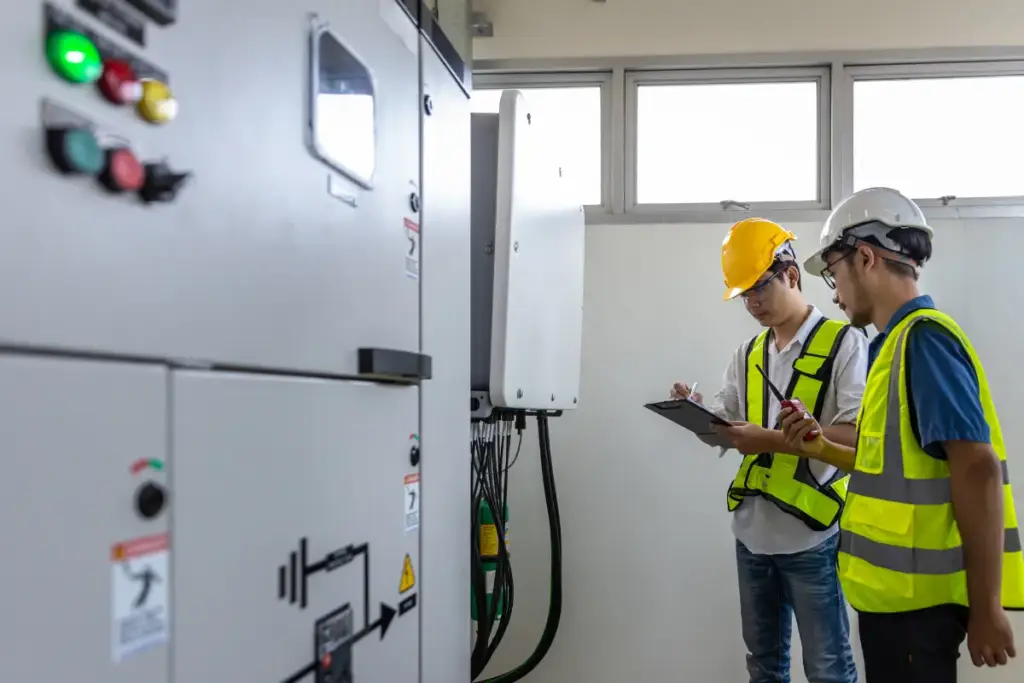
Electrical inspectors utilise a systematic method to identify life-threatening defects in an EICR inspection, ensuring that possible dangers are detected and addressed promptly, particularly those that may result in an EICR F1 code.
They begin by adhering to established guidelines and standards, such as those set by the IET Wiring Regulations. During inspections, they assess the overall condition of the electrical system, including wiring, circuit breakers, and protective devices.
Inspectors employ a combination of visual assessments and testing techniques to identify deficiencies. They look for signs of deterioration, improper installations, or non-compliance with regulations that could pose risks.
Additionally, they conduct tests to measure insulation resistance and continuity, determining whether the system operates safely under load.
The Difference Between an Unsatisfactory Report and an F1 Classification
While both an unsatisfactory report and an F1 classification indicate issues within an electrical system, they serve distinct purposes in evaluating safety and compliance, particularly when an EICR F1 code is involved. An unsatisfactory report may highlight various deficiencies, but does not necessarily imply immediate danger. In contrast, an F1 classification denotes a serious risk that requires immediate corrective action to prevent possible harm.
| Aspect | Unsatisfactory Report |
| Definition | Identifies deficiencies |
| Risk Level | Varies, does not indicate danger |
| Action Required | May require follow-up |
| Compliance Impact | Non-compliance, but not urgent |
Understanding these differences is essential for stakeholders, as it helps prioritise actions based on the severity of the electrical issues identified. Immediate attention to an F1 classification can prevent accidents and guarantee safety.
Real-World Examples of Faults That Receive an F1 Rating
Serious faults within electrical systems can lead to an F1 rating, often recorded as an EICR F1 code, signalling urgent danger that must be addressed promptly. These faults can arise from various sources; recognising them is essential for safety and compliance.
- Exposed live wires: Instances in which electrical conductors are not adequately insulated pose an immediate risk of electric shock or fire.
- Faulty circuit breakers: Malfunctioning breakers that fail to trip during overloads can result in overheating, possibly leading to electrical fires.
- Grounding issues: Inadequate grounding can leave systems vulnerable to electrical surges, increasing the risk of equipment damage and user injury.
Understanding these real-world examples of faults that receive an F1 rating highlights the importance of regular inspections and maintenance.
Addressing these issues can prevent serious accidents and guarantee the safety of both property and individuals.
Why Properties Cannot Be Occupied When an F1 Is Present
Safety is paramount when dealing with properties that exhibit an F1 rating, often identified as an EICR F1 code, as the presence of significant electrical faults poses an immediate risk to occupants. An F1 rating indicates severe electrical issues that can lead to dangerous situations such as electrical shocks, fires, or equipment failure.
These dangers arise from underlying problems such as faulty wiring, inadequate insulation, or compromised circuits, which can escalate rapidly if left unaddressed.
Moreover, the possibility of catastrophic incidents makes it essential to restrict access to such properties, particularly when an EICR F1 code has been identified. Occupants may unknowingly expose themselves to life-threatening conditions, highlighting the importance of immediate remediation.
Until a thorough inspection and necessary repairs are completed, the property remains unsafe for habitation. Consequently, adhering to safety protocols is crucial, ensuring that no occupants are put at risk from the detrimental effects of these electrical faults.
Only once the property is deemed safe should occupancy be reconsidered.
Legal and Safety Consequences of Ignoring an F1 Electrical Finding
Ignoring an F1 electrical finding, often recorded as an EICR F1 code, can lead to severe legal consequences and heightened safety risks for both property owners and occupants. When such findings are disregarded, liability issues may arise, placing the property owner at risk of lawsuits, especially if an incident occurs due to electrical faults.
Additionally, insurance claims may be denied, leaving property owners financially vulnerable.
The safety implications are equally concerning.
- The possibility of electrical fires increases, endangering lives and property.
- Occupants may experience electric shocks or injuries from faulty wiring.
- Long-term neglect can result in costly repairs and diminished property value.
Understanding these legal and safety consequences emphasises the urgency of addressing F1 electrical findings. Immediate action is not only a legal obligation but also an analytical step in safeguarding both individuals and properties.
Emergency Repairs Required After a Dangerous Electrical Defect Is Found
When a dangerous electrical defect is identified, often classified under an EICR F1 code, immediate emergency repairs become essential to mitigate risks and guarantee safety. Such defects can lead to severe danger, including electrical shocks, fires, and equipment malfunctions.
The first step in addressing the issue involves isolating the affected area to prevent further risks to personnel and property. Qualified electricians or technicians should be called upon to conduct a thorough inspection to determine the extent of the damage and the necessary repairs.
Depending on the severity of the defect, repairs may range from replacing faulty wiring or components to more extensive system overhauls. Prompt action not only assures compliance with safety regulations but also helps maintain operational integrity.
Organisations must prioritise these repairs to safeguard employees and assets, reflecting the importance of health and safety compliance and commitment to a secure working environment. Ignoring such defects can exacerbate problems, leading to catastrophic consequences.
How an F1 Finding Affects Insurance, Compliance, and Liability
An F1 finding can significantly impact an organisation’s insurance, compliance, and liability landscape, particularly by highlighting potential risks associated with electrical systems.
Insurers may view F1 findings as indicators of inadequate safety measures, leading to increased premiums or even policy cancellations. Compliance with electrical safety regulations is paramount, and an F1 finding can trigger audits or investigations, placing additional strain on resources.
Organisations must also be aware of their liability exposure. An F1 finding could imply negligence, making them more vulnerable to lawsuits if an incident occurs.
Key considerations include:
- Insurance Premiums: Increased costs due to perceived risks.
- Regulatory Compliance: Possible for audits and enforcement actions.
- Liability Risks: Higher likelihood of lawsuits stemming from negligence claims.
Addressing F1 findings promptly is pivotal to reducing these risks and guaranteeing ongoing operational safety and stability.
Steps Electricians Take to Remove Immediate Electrical Hazards
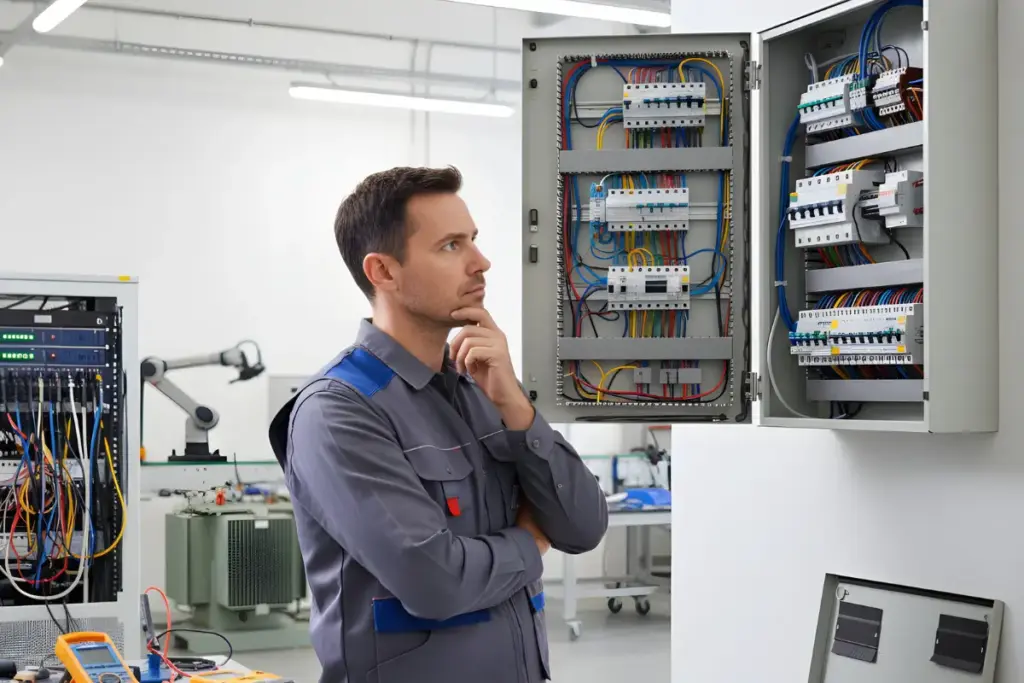
Electricians employ a systematic method to eliminate immediate electrical hazards, guaranteeing safety and compliance. Their first step typically involves conducting a thorough assessment to identify possible risks. Once hazards are recognised, appropriate measures are implemented to isolate the affected areas, often using lockout/tagout procedures. Following isolation, electricians will repair or replace defective components, guaranteeing that all work meets established safety standards.
The following table outlines key steps in the process:
| Step | Description | Purpose |
| Assessment | Identify risks through inspection | Recognise risks early |
| Isolation | Use lockout/tagout to secure affected areas | Prevent accidental exposure |
| Repair/Replacement | Fix or replace damaged equipment | Restore safe functionality |
| Testing | Conduct tests to guarantee safety | Verify compliance |
| Documentation | Record all actions taken | Maintain safety records |
How Proper Maintenance Helps Prevent High-Risk Electrical Failures
Maintaining electrical systems through regular inspections and servicing significantly reduces the likelihood of high-risk failures that could result in an EICR F1 code. Proper maintenance practices ensure potential issues are identified early, enabling timely repairs that can avert dangerous malfunctions. This response not only increases safety but also extends the lifespan of electrical components.
Key benefits of regular maintenance include:
- Early Detection of Faults: Routine checks can identify wear and tear or faulty connections before they escalate into major problems.
- Compliance with Safety Standards: Adhering to maintenance schedules helps organisations comply with industry regulations, guaranteeing safer environments for both workers and equipment.
- Cost Efficiency: By preventing significant failures, maintenance reduces the need for costly emergency repairs and downtime, ultimately saving resources.
Frequently Asked Questions
What Should I Do if I Receive an F1 Rating?
Upon receiving an F1 rating, one should promptly consult the relevant guidelines. It is essential to assess the implications, gather necessary documentation, and take appropriate corrective measures to address the identified issues effectively.
How Quickly Must I Act on an F1 Finding?
Immediate action on an F1 finding is analytic, ideally within 24 to 48 hours. Delays may exacerbate the issue, leading to further complications. Timely responses guarantee safety and compliance with necessary regulations and standards.
Can I Sell a Property With an F1 Classification?
A property with an F1 classification can be sold, but possible buyers may face challenges obtaining financing or insurance. Sellers should disclose the classification and address any associated safety concerns.
Who Is Responsible for Fixing F1 Electrical Issues?
The property owner is primarily responsible for fixing F1 electrical issues. However, they may delegate the task to licensed electricians, ensuring compliance with safety regulations and standards, ultimately safeguarding the property and its occupants.
Are There Specific Codes Governing F1 Electrical Findings?
Yes, specific codes govern F1 electrical findings, established by regulatory bodies like the FIA. These codes guarantee safety and compliance within the sport, mandating rigorous standards for electrical systems in Formula 1 vehicles.
Conclusion
To sum up, understanding F1 electrical findings, including the EICR F1 code, is essential for ensuring safety and compliance in properties. These classifications signal immediate dangers that demand urgent attention to prevent severe consequences, including fires and electrical shocks. By prioritising prompt repairs and adhering to maintenance practices, property owners can mitigate risks, protect occupants, and maintain compliance with safety standards. Addressing F1 findings not only safeguards lives but also helps prevent legal and insurance complications arising from negligence.