

Fire equipment safety is a fundamental aspect of workplace preparedness. Ensuring that fire extinguishers and alarms are easily accessible can significantly impact emergency outcomes. Regular inspections and employee training are often overlooked, yet they play an essential role in effective response strategies. Understanding the common pitfalls in fire safety practices can further increase workplace security. However, organisations still struggle to implement these essential guidelines effectively. What steps can be taken to bridge this gap?
Key Takeaways
- Ensure fire extinguishers are easily accessible and marked with clear signage to promote quick response during emergencies.
- Conduct regular monthly inspections and maintenance on fire equipment to ensure operational readiness and compliance with safety regulations.
- Provide comprehensive employee training on the proper use of fire extinguishers and emergency evacuation procedures to increase preparedness.
- Conduct regular fire drills to reinforce knowledge and confidence in handling emergencies, reducing the risk of panic.
- Promote a habit of safety by empowering employees to take responsibility for fire equipment and participate in safety initiatives.
Fire Equipment Safety Essentials Every Workplace Must Follow
Although fire safety may seem straightforward, the essentials of workplace fire equipment require careful attention and adherence to guidelines.
Every workplace should guarantee that fire extinguishers are conveniently located, easily accessible, and correctly maintained in accordance with manufacturer specifications. Regular inspections, at least once a month, are essential to confirm that equipment is operational and up to code. Employees should receive training on the proper use of fire equipment and be encouraged to maintain a sense of preparedness and independence in emergencies.
Additionally, workplaces must establish clear signage indicating the locations of fire equipment, reinforcing the message that readiness is paramount.
Creating an environment that prioritises fire safety empowers employees to take initiative, guaranteeing that everyone knows their role in preventing and responding to fires. By following these essentials, workplaces can cultivate a habit of safety and awareness, allowing individuals the freedom to work without fear of fire danger.

Why Fire Equipment Safety Is Critical for Preventing Workplace Emergencies
Fire equipment safety plays an essential role in safeguarding workplaces against latent emergencies. By ensuring that fire safety protocols are rigorously followed, businesses can create an environment where employees feel secure and empowered. This energetic method not only protects lives but also preserves the integrity of operations.
Key reasons why fire equipment is analytic include:
- Minimised Risk: Regular maintenance of fire equipment significantly reduces the likelihood of equipment failure during an emergency.
- Employee Confidence: Well-informed staff are more likely to act decisively in emergencies, knowing they have reliable equipment at their disposal.
- Compliance and Liability: Adhering to safety regulations helps organisations avoid legal repercussions and potential fines.
In encouraging a habit of fire equipment safety, workplaces not only increase their emergency preparedness but also promote a sense of freedom and responsibility among employees.
Common Fire Equipment Safety Mistakes That Put Lives at Risk
How can simple oversights in fire equipment safety lead to catastrophic outcomes? Common mistakes often stem from neglecting basic maintenance, such as failing to inspect fire extinguishers or allowing them to become obstructed.
Additionally, employees may not receive adequate fire equipment safety training, which can be confusing in emergencies. Mislabeling equipment or using the wrong type of extinguisher can exacerbate fires rather than extinguish them, placing lives in jeopardy.
Another prevalent error involves inadequate emergency exit planning. Blocked pathways and poorly marked exits can hinder evacuation, trapping individuals during a crisis.
Moreover, underestimating the importance of fire drills perpetuates a habit of complacency. When staff are unprepared, the consequences can be dire.
Recognising these mistakes is essential; awareness and energetic measures can significantly reduce risks, ensuring a safer workplace for all. Embracing responsibility in fire equipment not only protects individuals but also promotes an environment of freedom and security.
How Regular Inspections Improve Fire Equipment Safety Standards
Regular inspections of fire equipment are essential for enhancing safety standards within any organisation.
These systematic evaluations guarantee that fire safety measures are reliable and effective, ultimately providing peace of mind for all employees.
Regular inspections not only identify latent danger but also promote a culture of safety and responsibility.
Key benefits of regular inspections include:
- Early Detection of Issues: Identifying equipment malfunctions or deficiencies before they escalate.
- Compliance Assurance: Confirming that all equipment adheres to safety regulations and organisational policies.
- Magnify Preparedness: Keeping staff informed and ready to respond effectively in emergencies.
Fire Equipment Safety Requirements Under UK Health and Safety Laws
While ensuring a safe working environment, organisations in the UK must comply with specific fire equipment requirements outlined in health and safety legislation.
The Regulatory Reform (Fire Safety) Order 2005 requires employers to conduct fire risk assessments to ensure adequate fire safety measures.
Fire extinguishers must be suitable for the types of fires that could occur in the workplace, regularly inspected, and maintained in accordance with BS 5306.
Additionally, fire alarms and detection systems must be installed and routinely tested to guarantee functionality.
Clear and accessible escape routes are essential, as is the provision of clear signage indicating fire exits.
Organisations are also required to keep detailed records of fire safety measures and inspections to demonstrate compliance.
The Role of Employee Training in Fire Equipment Safety Compliance
Practical training is paramount for ensuring employee compliance with fire equipment protocols. When workers are well-informed, they are empowered to act confidently in emergencies and promote a habit of safety that resonates throughout the workplace.
Thorough training programs should focus on analytic areas, including:
- Proper use of fire extinguishers: Employees must understand the different types of extinguishers and their specific applications.
- Emergency evacuation procedures: Clear guidance on exit routes and assembly points can prevent chaos during a fire.
- Regular drills and refreshers: Ongoing practice reinforces knowledge, keeping safety practices top of mind.
Empowering employees through practical training not only increases compliance but also cultivates a sense of responsibility.
A well-prepared workforce is essential for maintaining a safe environment, allowing individuals to pursue their work with confidence and freedom, knowing they can respond effectively to fire emergencies.
How Poorly Maintained Equipment Compromises Fire Safety Systems
Neglecting the maintenance of fire safety equipment can severely undermine the effectiveness of fire protection systems. When equipment such as fire extinguishers, alarms, and sprinklers is not regularly serviced, it may fail during critical moments. This failure poses significant risks, not only to property but also to the safety of individuals within the premises.
Inadequate maintenance can lead to malfunctioning sensors or depleted extinguishing agents, rendering these tools ineffective in emergencies. Furthermore, poorly maintained systems can create a false sense of security, encouraging complacency among employees. This false confidence can be particularly dangerous, as individuals may underestimate the urgency of fire safety protocols.
Ultimately, employers are responsible for ensuring that fire safety equipment is meticulously maintained, encouraging an environment where freedom from danger is prioritised. Regular inspections and prompt repairs are essential to preserving the integrity of fire protection systems and safeguarding lives and assets.
Fire Equipment Safety Checks: What Should Be Inspected and When
How often should fire equipment undergo safety checks to secure peak performance? Regular inspections are essential and are typically conducted monthly, quarterly, or annually, depending on the type of equipment and local regulations.
These checks verify that all components function effectively, providing peace of mind in the workplace.
Key elements to inspect during these safety checks include:
- Extinguishers: Verify that they are charged, adequately mounted, and free from damage.
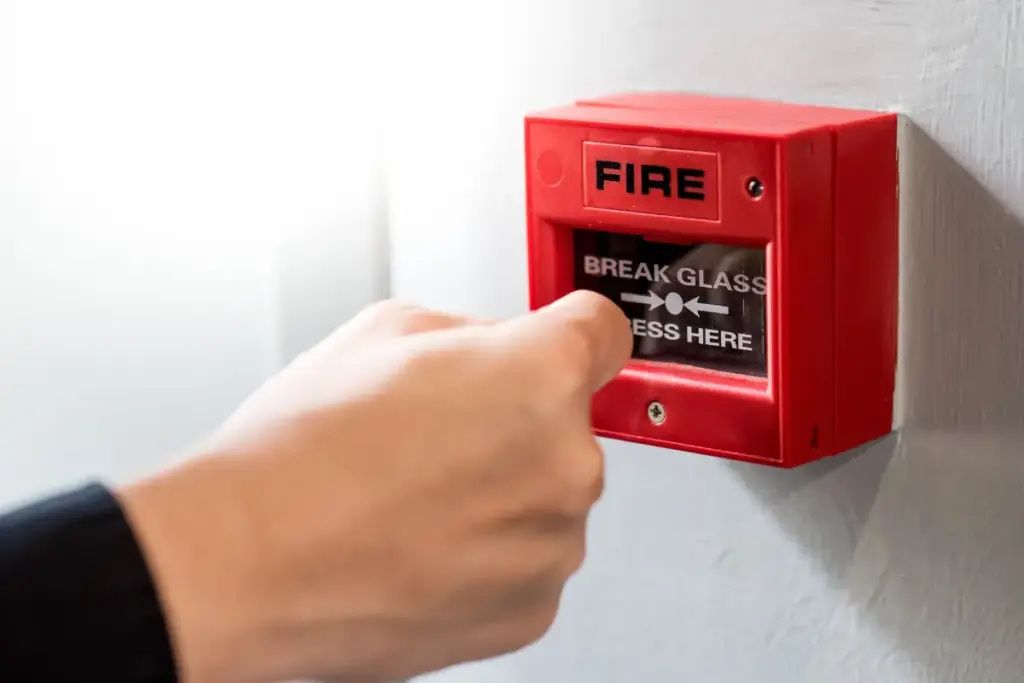
- Alarm Systems: Test alarm functionality and verify that batteries are replaced as needed.
- Sprinkler Systems: Inspect for obstructions and verify that valves are accessible and operational.
Choosing the Right Fire Equipment to Enhance Overall Safety
While selecting appropriate fire equipment may seem straightforward, it is essential to consider factors that significantly affect overall safety. These factors include the environmental type, the nature of latent fire risk, and the specific needs of the workforce.
| Factor | Considerations | Recommended Equipment |
| Environment | Indoor vs. outdoor | Portable extinguishers |
| Fire Danger | Flammable materials present | Class-specific extinguishers |
| Workforce Needs | Training and accessibility | Fire blankets and alarms |
Choosing the right fire equipment not only amplifies compliance but also promotes a customs of safety. It empowers employees, ensuring they have the tools to protect themselves and their surroundings. By making informed decisions, organisations can create an environment that prioritises safety and supports the freedom to work confidently.
How Fire Equipment Safety Protects People, Property, and Business Continuity
Effective fire equipment measures play an essential role in protecting individuals, safeguarding property, and guaranteeing business continuity.
When fire safety protocols are adhered to, the risks associated with fire incidents greatly diminish, allowing for a secure and liberated environment.
- Protection of Lives: Properly maintained fire equipment guarantees a rapid response, minimising injury and loss of life.
- Preservation of Assets: Adequate fire safety reduces property damage, protecting investments and maintaining workspace integrity.
- Sustained Operations: A well-prepared organisation can quickly recover from fire incidents, minimising downtime and preserving its reputation.
Frequently Asked Questions
How Can I Report Unsafe Fire Equipment in My Workplace?
To report unsafe fire equipment, individuals should notify their supervisor or safety officer immediately. Document the issue clearly and follow up with the appropriate department or regulatory body to guarantee proper investigation and resolution.
What Are the Signs of Faulty Fire Equipment?
Signs of faulty fire equipment include visible damage, outdated inspection tags, unusual noises during operation, inconsistent pressure readings, and malfunctioning indicators. Regular checks are essential to guarantee functionality and maintain safety standards in any environment.
Can I Use Home Fire Equipment at Work?
Using home fire equipment at work is generally discouraged due to differing standards and regulations. Proper workplace equipment guarantees compliance and safety, ultimately protecting both employees and assets from latent fire risks.
What Should I Do if a Fire Extinguisher Is Empty?
If a fire extinguisher is empty, the individual should promptly replace it with a fully charged unit, ensuring safety measures are maintained. Regular inspections are essential to prevent reliance on equipment that may not function effectively.
Are There Specific Fire Safety Guidelines for Different Industries?
Yes, specific fire safety guidelines vary by industry, addressing unique risks and requirements. Each sector, such as healthcare or manufacturing, must implement tailored strategies to guarantee effective prevention, response, and compliance with safety regulations for maximum protection.
Conclusion
To sum up, prioritising fire equipment is crucial for creating a secure workplace environment. By adhering to essential guidelines, conducting regular inspections, and ensuring proper maintenance, organisations can significantly reduce the risk of emergencies. Additionally, promoting a habit of preparedness among employees magnifies compliance with safety regulations, ultimately protecting people, property, and business continuity. Implementing these practices not only safeguards lives but also promotes operational efficiency and informed decision-making within the workplace.