

Use the official Gas Safe Register to search by postcode and job type, then verify that the engineer’s registration number matches the listing. Confirm their qualifications cover the exact work needed (for example, boilers, LPG, or commercial appliances) and check both sides of their Gas Safe ID card on arrival. Shortlist nearby engineers using detailed, recent reviews across platforms, and compare like-for-like quotes including safety checks, paperwork, and guarantees. Further guidance can help confirm the best choice for a Gas Safe Registered Engineer Near Me.
Key Takeaways
- Use the official Gas Safe Register, enter your postcode and job type, and shortlist nearby engineers with current listings.
- Verify their registration number matches the Gas Safe Register entry and their ID card photo, name, and licence details.
- Check their qualifications cover your specific work (boiler, cooker, LPG, commercial), and ask about recent similar jobs.
- Compare recent, detailed reviews across multiple platforms and avoid patterns such as missed appointments, poor communication, or pressure selling.
- Request like-for-like quotes that list parts, labour, safety checks, and paperwork, plus warranties and aftercare, before choosing.
Find a Gas Safe Engineer Near You on the Register
Where should a homeowner start when searching for a qualified gas engineer? The quickest route is the official Gas Safe Register, which lets people choose for themselves rather than rely on ads or word-of-mouth.
Using the “Find an Engineer” search, a homeowner can enter a postcode, select the type of work needed, and see nearby businesses registered on the register. Each listing typically shows contact details, the trading name, and a Gas Safe registration number that can be cross-checked. For added control, the homeowner can call directly, confirm that the number matches the listing, and note the service areas and availability before inviting anyone to the property.
The register also helps compare options on transparent grounds, distance, responsiveness, and professionalism, so the final decision stays with the homeowner, not a middleman or hard sell.
Make Sure the Engineer Is Qualified for Your Job
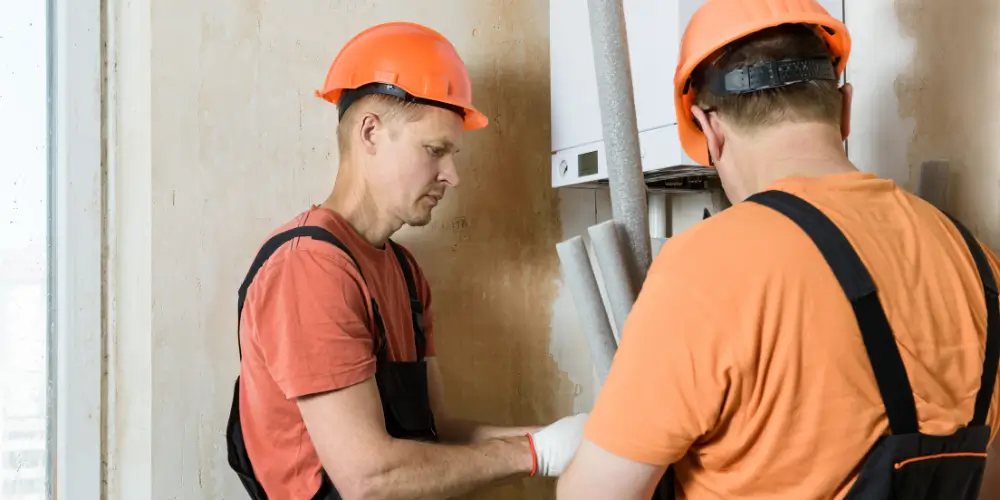
A Gas Safe Registered Engineer Near Me confirms legal competence to work on gas, but it does not automatically cover every appliance or task. Before booking, a homeowner should match the engineer’s listed categories to the exact job: boiler installation, boiler servicing, cooker connection, gas fire repair, or work on a warm-air unit.
Jobs involving LPG, caravans, boats, or commercial kitchens also require specific competencies, so it pays to ask directly whether that niche is included. Freedom comes from informed choice. A customer can request a clear description of recent, similar work and confirm the engineer is current on the relevant standards and manufacturer requirements.
If the job includes flue alterations, system upgrades, or commissioning a new appliance, the engineer should be able to explain the method, parts, timescale, and safety checks in plain language. If answers are vague, choose someone else. Landlord Safety Certificate has the Gas Safe Registered Engineers, visit us to get gas safety services and certificates.
Check the Gas Safe ID Card (Front and Back)
Before any tools are brought out, the Gas Safe ID card should be inspected front and back to confirm that the person at the door is the registered engineer and is authorised to carry out the specific gas work requested. The front should match the face, name, and licence number; the back should list categories (e.g., boilers, cookers, fires) so the homeowner stays in control of what is allowed on site.
| Card detail | What to check | Why does it protect freedom |
| Photo & name | Same person, no excuses | Stops impostors from entering |
| Licence number | Present and readable | Enables quick verification |
| Work categories | Includes the exact job | Prevents unauthorised work |
If anything looks off, blurred print, missing categories, or reluctance to show both sides, work should not proceed. A genuine engineer expects this check and will cooperate, keeping the decision firmly with the customer.
Shortlist Local Gas Safe Engineers With Reviews
Once registration has been confirmed, the next step is to shortlist a few local Gas Safe engineers by comparing recent, specific customer reviews across multiple sources. Priority should go to detailed accounts that mention the exact job, timekeeping, cleanliness, and how issues were resolved, rather than vague praise. Reviews should be checked on Google, trade directories, and local community groups to spot consistent patterns and filter out one-off rants or suspiciously perfect feedback. It also helps to note how the business responds publicly to criticism, as accountability often predicts a smoother experience.
- Relief comes from seeing repeated mentions of safe, tidy work and clear explanations, not last-minute surprises.
- Confidence grows when multiple reviewers report punctual arrivals and respectful behaviour at home.
- Freedom is protected by avoiding engineers linked to missed appointments, unfinished fixes, or pressure-selling.
Questions to Ask a Gas Safe Engineer Before Booking
After narrowing the shortlist using consistent reviews, the next step is to ask direct questions that confirm competence, scope, and working practices for the specific job. They should ask for the engineer’s Gas Safe registration number, then verify it independently, including the exact appliances and fuel types listed on the ID card. It is reasonable to ask how often they work on the same boiler brand or cooker type, and whether any specialist parts or access requirements are expected.
They can ask about the safety checks to be performed, such as tightness testing, ventilation assessments, and flue integrity checks where relevant. Clarify who will attend, the named engineer or subcontractor, and what paperwork will be provided, including Benchmark entries, commissioning records, or safety certificates when applicable. Ask about insurance, guarantees on workmanship, and how faults are handled after completion. Confirm working hours, parking needs, and how the site will be left clean and usable.
How to Compare Gas Safe Quotes Fairly
How can two Gas Safe quotes for the same job look so different?
Pricing often reflects scope, assumptions, and the level of control the customer retains. A fair comparison starts by forcing like-for-like details: the same appliance model, location, pipework route, and making-good expectations. Ask each engineer to break costs into labour, parts, certification, and disposal. Confirm whether the quote includes system checks, commissioning, and any required upgrades, rather than hiding them as “extras”.
Clarify timelines and access needs; a “cheap” quote that requires repeated visits can steal a day’s freedom. Compare value and price by checking what is guaranteed and for how long, and whether call-outs are charged.

Red Flags That Suggest Unsafe or Unregistered Gas Work
Although a low price and quick availability can look appealing, certain warning signs often indicate unsafe practices or a person operating outside Gas Safe registration. A reliable engineer welcomes scrutiny; a rogue operator pushes for rushed decisions, cash-only payment, or access without questions.
| Red flag | Why it matters |
| Won’t share Gas Safe ID details upfront | May be unregistered or hiding limits |
| Insists on cash only and no receipts | Reduces traceability and accountability |
| Skips ventilation and flue checks | Higher risk of carbon monoxide exposure |
| Suggests bypassing safety devices | Removes protections to “make it work” |
| Arrives with minimal tools, no analyser | Cannot properly test combustion |
Other clues include vague answers about scope, reluctance to isolate the supply, and pressure to accept “temporary” fixes that become permanent. Freedom comes from control: choosing someone who proves competence, respects boundaries, and treats safety as non-negotiable.
Get the Right Paperwork After Gas Work
Paperwork is often the clearest sign that gas work was carried out properly and by someone accountable, not a rogue operator cutting corners.
After any installation, service, or repair, the homeowner should ask for written proof before paying in full, keeping control of their own safety and choices. For boilers and notifiable work, evidence should include a Building Regulations compliance notice (or confirmation that it will be registered) and, where applicable, the manufacturer’s benchmark sheet from a Gas Safe Registered Engineer Near Me.
- A dated invoice stating the engineer’s Gas Safe number so responsibility can’t vanish overnight.
- A completed commissioning or service record means the system isn’t a mystery that traps the household later.
- Any certificates or notifications required for the job, so future buyers, landlords, or insurers can’t hold the property hostage.
If paperwork is delayed, unclear, or “not needed,” that is a warning. A reliable engineer explains what is issued, when it is issued, and why.
Frequently Asked Questions
How Often Should I Service My Gas Boiler to Stay Safe and Efficient?
Most households should service a gas boiler annually to stay safe and efficient. More frequent checks suit older units or heavy use. Regular servicing preserves choice, reduces breakdowns, and supports lower bills and freer living.
What Should I Do if I Suspect a Gas Leak Before an Engineer Arrives?
If a gas leak is suspected, they should open windows, shut off gas if safe, avoid switches or flames, evacuate freely, call the emergency gas line outside, and wait for professionals, keeping others away.
Can a Landlord Legally Charge Tenants for Annual Gas Safety Checks?
Generally, no: in the UK, landlords must pay for annual gas safety checks and cannot lawfully bill tenants, except for tenant-caused damage. Tenants may challenge unlawful fees, seek advice, and report noncompliance.
Are Gas Safe Engineers Allowed to Work on LPG Systems as Well as Natural Gas?
Yes, they may work on LPG as well as natural gas, but only if their Gas Safe registration includes LPG categories. Their ID card lists competencies. Without the correct category, they must refuse the job.
Does Home Insurance Require Gas Work to Be Completed by a Gas Safe Engineer?
Often yes: many UK home insurers require gas work to be carried out by a Gas Safe registered engineer, or they may limit cover after an incident. Policy wording varies, so they should check the terms, keep the invoices, and keep the certificates.
Conclusion
A reliable Gas Safe Registered Engineer Near Me can be found by checking the official register, confirming the right qualifications for the specific appliance, and verifying the ID card details. Local reviews help narrow the shortlist, while a few key questions and clear quote comparisons reduce surprises. Warning signs such as missing registration, vague pricing, or pressure to proceed should not be ignored. After any work, the correct certificates and records should be provided for safety and compliance.