

Understanding fire extinguishers is essential for effective emergency response, including knowing how to use fire extinguishers correctly. Knowing how to operate them safely can significantly reduce risks during a fire. Various types of extinguishers exist, each suited for specific fire scenarios. However, improper use can lead to dangerous outcomes. This raises questions about training and preparedness. What steps should individuals take to guarantee they are ready? The answers lie in thorough knowledge and practice.
Key Takeaways
- Proper training in fire extinguisher operation is key to effective emergency response and for reducing the risk of panic during crises.
- Familiarity with different fire types ensures the correct extinguisher is selected, preventing worsening fire situations.
- Regular maintenance and inspections of fire extinguishers ensure functionality and compliance with safety regulations.
- Utilising the PASS technique Pull, Aim, Squeeze, Sweep ensures effective fire suppression.
- Clear signage and documented procedures promote awareness and empower individuals to act confidently in emergencies.
What to Do the Moment You Reach a Fire Extinguisher
Upon reaching a fire extinguisher, an individual must first assess the situation to determine whether it is safe to engage the fire, a key step in using fire extinguishers effectively. This analytical evaluation involves observing the fire’s size, location, and intensity. If the flames are manageable and not obstructing escape routes, the individual may proceed. It is essential to guarantee that personal safety remains a priority, as freedom from harm is paramount.
Should the fire prove overwhelming or involve hazardous materials, retreating to safety is the wisest course. In such instances, alerting emergency services guarantees that trained professionals can handle the situation.
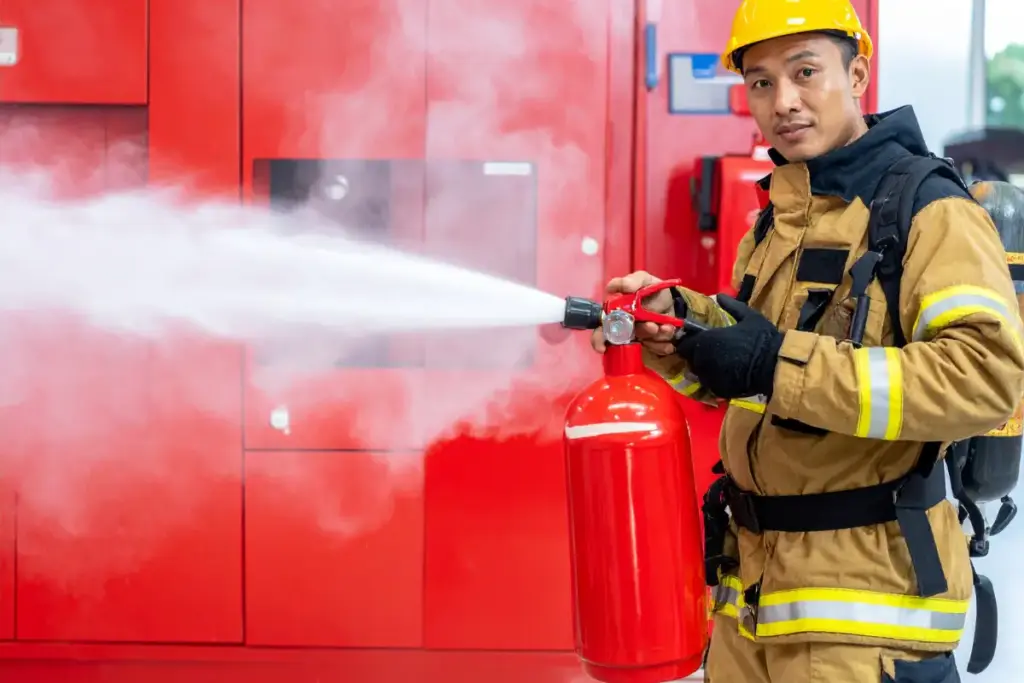
If the individual decides to act, they should grasp the extinguisher confidently, ready to employ the PASS technique: Pull the pin, Aim the nozzle, Squeeze the handle, and Sweep side to side.
This method empowers individuals to combat fires effectively, encourages a sense of autonomy in dangerous circumstances, and emphasises the importance of preparedness.
Matching Fire Types With the Right Extinguisher Choice
Choosing the proper fire extinguisher is Pivotal for effectively combating various types of fires. Different classes of fires require specific extinguishing agents to guarantee safety and effectiveness.
Class A fires, involving ordinary combustibles like wood and paper, necessitate water or foam extinguishers.
Class B fires, fueled by flammable liquids, demand foam or dry chemical extinguishers.
For electrical fires, classified as Class C, carbon dioxide or dry chemical extinguishers are appropriate, as water can create dangerous situations.
Class D fires caused by combustible metals require specialised extinguishing agents designed for metal fires.
Finally, Class K fires, common in kitchens, require wet-chemical extinguishers to extinguish cooking oils and fats effectively.
Understanding these classifications empowers individuals to make informed choices, enhancing safety and minimising risks.
Therefore, selecting the correct extinguisher not only aids in fire suppression but also aligns with the pursuit of freedom from danger.
Inside the Mechanics of Operating a Fire Extinguisher
Although understanding the types of fire extinguishers is essential, knowing how to use them effectively is equally important for ensuring safety during a fire emergency. Mastering the mechanics of using a fire extinguisher involves familiarising oneself with the PASS technique: Pull, Aim, Squeeze, and Sweep. Each step is essential for effective fire suppression.
| Step | Action | Description |
| Pull | Pull the pin | Removes the safety pin to activate. |
| Aim | Aim the nozzle | Target the base of the fire. |
| Squeeze | Squeeze the handle | Discharges the extinguishing agent. |
| Sweep | Sweep from side to side | Covers the area of the fire evenly. |
Effective operation can make the difference between a minor incident and a catastrophic event. Empowering oneself with this knowledge promotes confidence in managing fire threats.
Why Fire Extinguishers Fail When Used Incorrectly
Understanding how to operate a fire extinguisher is only part of the equation; knowing how to use fire extinguishers correctly can prevent failure during analytical moments. Many individuals underestimate the importance of identifying the appropriate type of extinguisher for specific types of fire. Using the wrong extinguisher, such as water on electrical fires, can exacerbate the situation.
Additionally, a lack of familiarity with the device can result in misapplication, such as failing to aim at the base of the flames or standing too far away.
Another standard error is neglecting to maintain extinguishers properly. Expired or damaged units may not function when needed, compromising safety. Panic during a fire can also cloud judgment, leading to rushed or incorrect actions.
As a result, understanding the operation, maintenance, and specific applications of fire extinguishers is essential. Awareness and preparation empower individuals to act decisively, ensuring the effectiveness of these key safety tools in emergencies.
Fire Scenarios Where Extinguishers Create More Danger
What happens when a fire extinguisher, intended as a tool for safety, inadvertently escalates a dangerous situation, particularly when there is a lack of understanding of how to use fire extinguishers? In some fire scenarios, using an extinguisher can exacerbate the threat. For instance, using water-based extinguishers on electrical or oil fires can lead to hazardous splashes, spread flames, and increase the risk.
Additionally, in confined spaces, the sudden release of extinguishing agents can obscure visibility, complicating escape routes and trapping individuals.
Furthermore, if a fire extinguisher is used without proper knowledge of how to use fire extinguishers, it may not address the root cause, allowing the fire to reignite once the extinguishing agents dissipate. In these instances, the intended safety measure transforms into a perilous choice.
The risk of injury or property damage escalates, highlighting the importance of knowing when to rely on extinguishers and when to prioritise evacuation or professional assistance. Awareness and caution are essential to minimise the possible dangers of fire extinguishers.
The Role of Hands-On Training in Fire Emergency Control
Hands-on training plays a pivotal role in effective fire emergency control, particularly in reducing the risks associated with improper extinguisher use and understanding how to use fire extinguishers correctly. Engaging individuals in practical scenarios empowers them with the confidence and skills necessary to act decisively in emergencies. This training promotes a sense of freedom, allowing participants to take control of dangerous situations.
Key benefits of hands-on training include:
- Increased Confidence: Participants gain the assurance to act swiftly when every second counts.
- Realistic Experience: Simulated fire scenarios prepare individuals for the unpredictability of real emergencies.
- Skill Mastery: Repeated practice guarantees proficiency in handling extinguishers effectively.
- Community Safety: Individuals trained in fire control contribute to a safer environment for everyone.
Understanding the PASS Method Without Technical Jargon
The PASS method simplifies the process of using a fire extinguisher, making it accessible for everyone and helping people understand how to use fire extinguishers effectively. This straightforward method empowers individuals to act swiftly and confidently in emergencies. It stands for Pull, Aim, Squeeze, and Sweep, guiding users through essential steps without overwhelming technical terms.
| Step | Description |
| Pull | Remove the safety pin. |
| Aim | Point the nozzle at the base of the fire. |
| Squeeze | Press the handle firmly. |
| Sweep | Move the nozzle side to side. |
Understanding the PASS method instils a sense of freedom, allowing anyone to take control during a crisis. Breaking the task into easy actions promotes a mindset essential to effectively combating small fires. Mastering this method can mean the difference between safety and danger, empowering individuals in the face of adversity.
Limiting Fire Damage Through Correct Extinguisher Action
Effective use of a fire extinguisher can significantly limit fire damage and protect lives, especially when individuals understand how to use fire extinguishers correctly. Quick, decisive action can transform a possible disaster into a manageable situation. The impact of using an extinguisher correctly can be profound, encompassing the well-being of individuals and the preservation of property.
Key actions to take into account include:
- Immediate Response: Acting swiftly prevents small flames from escalating.
- Proper Technique: Following the PASS method guarantees effective suppression.
- Awareness of Surroundings: Knowing the escape routes and possible danger is essential.
- Regular Training: Familiarity with extinguishers empowers individuals to act confidently and effectively.
Workplace Duties Around Fire Extinguisher Knowledge
Many employers underestimate the importance of employees’ knowledge of workplace fire extinguishers. Understanding the types, locations, and proper usage of extinguishers is an essential responsibility for all employees. It empowers individuals to act decisively in emergencies, possibly saving lives and minimising damage.
Each workplace should ensure that staff receive adequate training in identifying and operating fire extinguishers effectively, including understanding how to use fire extinguishers correctly. Regular drills and refreshers should be scheduled to reinforce this knowledge, cultivating a culture of preparedness and awareness.
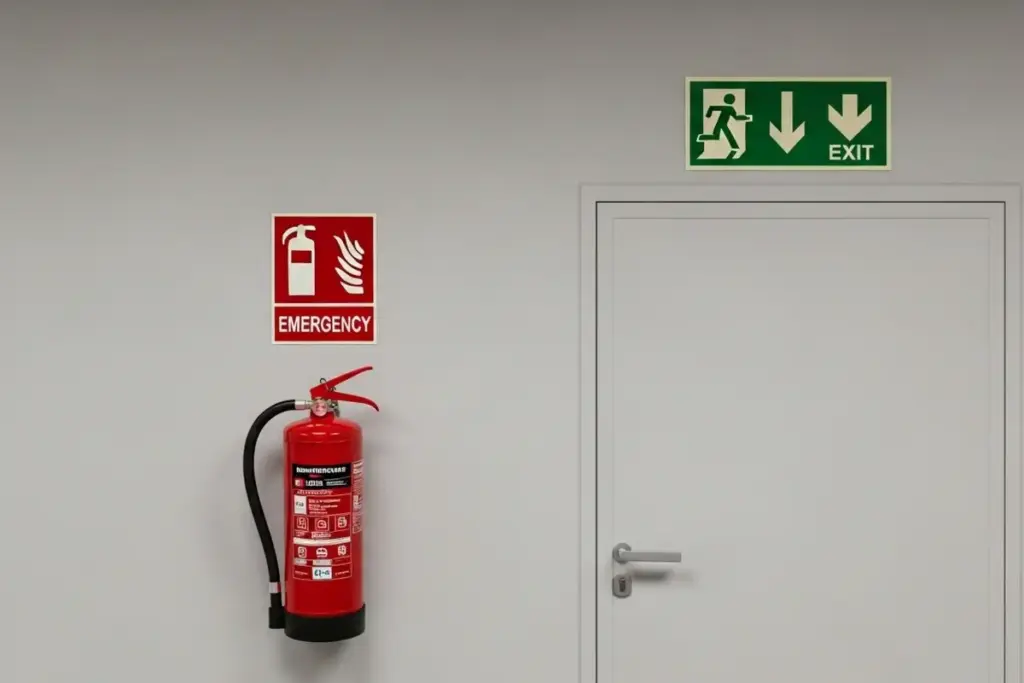
Employers must also maintain clear signage indicating the locations of extinguishers and their specific uses. Additionally, it is essential to conduct routine inspections of extinguishers to verify they are accessible and functional.
Building Confidence Before You Ever Face a Fire
Building confidence in fire safety is essential for every employee, as preparedness can make a significant difference in an emergency. When individuals feel equipped and knowledgeable, they are more likely to respond effectively rather than panic.
To promote this confidence, organisations can implement the following strategies:
- Regular Training: Providing hands-on fire extinguisher training guarantees employees understand how to use the equipment properly.
- Simulated Drills: Conducting fire drills helps employees practice their response, reinforcing their ability to act decisively.
- Clear Protocols: Having documented procedures readily available allows employees to reference steps during a crisis.
- Open Communication: Encouraging questions and discussions about fire safety promotes a culture of awareness and empowerment.
Frequently Asked Questions
How Often Should Fire Extinguishers Be Inspected?
Fire extinguishers should be inspected monthly for visible signs of damage or tampering. Additionally, they require an annual professional inspection to ensure functionality and compliance with safety regulations, promoting a secure environment for all.
Can I Use a Fire Extinguisher on Electrical Fires?
Yes, sure-fire extinguishers, specifically class C types, can be used on electrical fires. They are designed to prevent the passage of electricity, allowing individuals to safely and effectively combat such fires without risking electrocution.
What Are the Signs of a Malfunctioning Fire Extinguisher?
Signs of a malfunctioning fire extinguisher include a cracked or damaged casing, a missing or broken safety seal, an incorrect pressure gauge reading, and corrosion or rust on metal parts, all of which indicate possible failure.
Are There Expiration Dates for Fire Extinguishers?
Fire extinguishers typically have expiration dates, usually ranging from 5 to 15 years, depending on the type. Regular inspections and adherence to manufacturer guidelines ensure functionality and safety, empowering individuals to remain prepared in the event of a fire.
Where Should Fire Extinguishers Be Placed in a Building?
Fire extinguishers should be placed near exits, in high-risk areas, and on every floor of a building. They must be easily accessible, visible, and mounted at an appropriate height to guarantee a quick response during emergencies.
Conclusion
To sum up, comprehending the nuances of fire extinguishers is essential for effective emergency response, including knowing how to use fire extinguishers correctly. Proper training and adherence to the PASS technique empower individuals to act decisively, minimising panic and possible harm. Regular practice and inspections promote an energetic safety culture, ensuring extinguishers remain accessible and functional. By understanding the appropriate usage and limitations of extinguishers, individuals can confidently navigate fire. Emergencies ultimately limit damage and increase overall safety in their environments.