

The VIR Cable EICR Code is a key aspect of electrical safety that warrants careful consideration. It signals potential risks associated with outdated wiring, particularly in properties with ageing rubber insulation. Understanding the implications of this code is essential for property owners. As compliance with modern standards becomes increasingly important, the need for effective solutions arises. What options are available to address these safety concerns and intensify property value? The answers may surprise you.
Key Takeaways
- VIR wiring, prevalent in early to mid-20th-century properties, poses significant safety risks due to ageing insulation and the possibility of electrical failures.
- The EICR coding system identifies wiring risk, with C1 indicating immediate danger and C2 indicating issues requiring attention.
- Compliance challenges arise from outdated VIR wiring, risking fines and legal action for failing to meet current safety standards.
- Energetic assessments and engagement of qualified electricians are essential after identifying VIR to ensure safety and increase property value.
- Modern rewiring solutions, including high-performance cables and intelligent systems, increase safety and ensure compliance with current electrical regulations.
Understanding the Safety Meaning Behind a VIR Cable EICR Code
The VIR cable EICR code serves as an essential indicator of electrical safety and compliance. This code reflects the integrity of electrical installations, ensuring they meet established safety standards. By adhering to the EICR code, property owners can promote a secure, reliable environment, allowing them to embrace their freedom without the burden of electrical risk.
Understanding this code involves recognising its role in identifying possible risks linked to wiring and connections. It assesses circuit condition, revealing issues that might compromise safety. As a result, individuals can take energetic measures to address deficiencies, ensuring their electrical systems operate effectively and safely.
Ultimately, the VIR cable EICR code empowers individuals to maintain control over their environments, promoting a sense of freedom rooted in safety. Awareness of this code helps encourage a civilisation of responsibility and vigilance, enabling everyone to enjoy their spaces without fear of electrical malfunctions.
Why Older Rubber-Insulated Wiring Is No Longer Considered Reliable
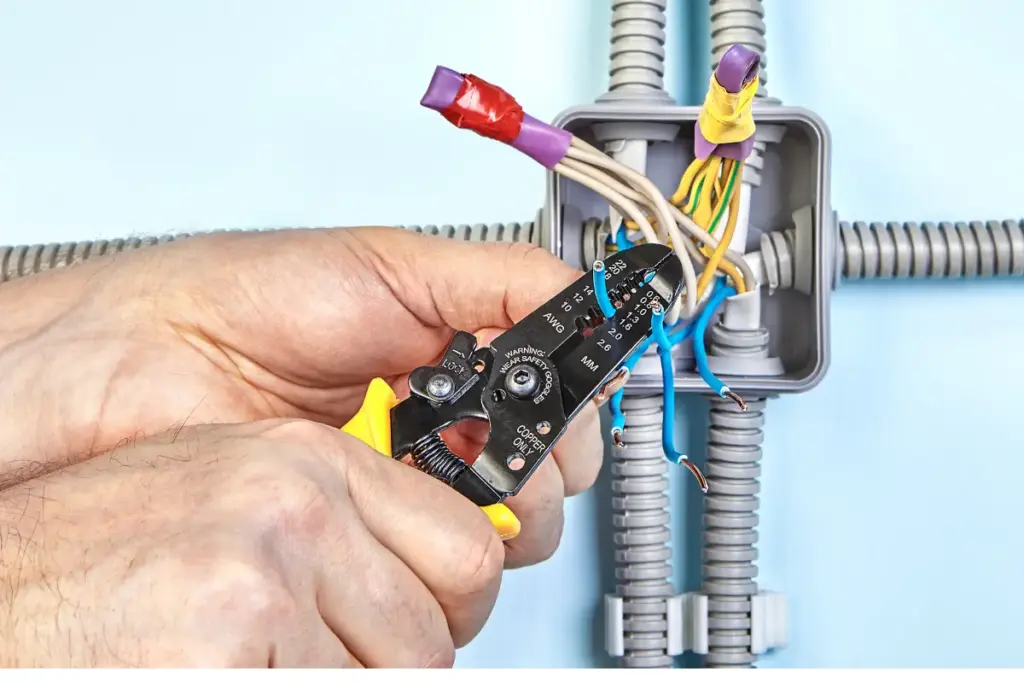
Older rubber-insulated wiring has become increasingly unreliable due to its susceptibility to deterioration over time, a condition often noted in VIR cable EICR codes during inspections. The natural ageing process leads to insulation cracking and loss of integrity, posing a safety danger. This deterioration can lead to electrical failures, short circuits, or even fire risk, making these systems inadequate for modern electrical demands.
The following table illustrates the common issues associated with older rubber-insulated wiring:
| Issue | Description | Consequence |
| Cracking | Insulation breaks down | Increased risk of short circuits |
| Hardening | Loss of flexibility | Reduced insulation effectiveness |
| Discoloration | Indicates thermal damage | Possible fire risk |
| Moisture Absorption | Insulation becomes porous | Higher risk of electrical failure |
In light of these risks, upgrading to modern wiring solutions is essential for ensuring safety and reliability in electrical systems.
Recognising VIR Cable Types During Electrical Condition Assessments
When conducting electrical condition assessments, recognising the various types of VIR (Vulcanised India Rubber) cables is essential for identifying possible risk and ensuring compliance with safety standards, particularly where a VIR cable EICR code may apply.
VIR cables, often found in older installations, may exhibit signs of deterioration, such as cracking, brittleness, or loss of insulation integrity. Assessors should be familiar with specific characteristics of these cables, including their distinctive black outer sheath and the presence of cotton or hessian layers beneath the rubber.
Understanding these attributes enables an accurate evaluation of the cable’s condition and the risks it poses. Furthermore, identifying the age and installation context of VIR cables helps determine their reliability.
This awareness empowers professionals to advocate for necessary upgrades or replacements, enhancing overall electrical safety. Ultimately, recognising VIR cable types is a key step in encouraging an environment where electrical systems can function safely and efficiently.
How EICR Coding Reflects the Risk Level of VIR Cable Installations
Although EICR (Electrical Installation Condition Report) coding primarily serves to categorise the safety and condition of electrical installations, it plays an essential role in reflecting the risk level associated with VIR cable installations.
The coding system, including classifications such as C1, C2, and FI, provides a clear framework for identifying possible danger associated with these cables. A C1 rating indicates immediate danger, prompting swift corrective action, while a C2 suggests possible issues that require attention but are not urgent. An FI rating indicates that further investigation is necessary and highlights areas of uncertainty.
By evaluating these codes, stakeholders gain insight into the integrity of VIR cable installations, enabling informed decision-making on maintenance, upgrades, or replacements. This responsiveness intensifies safety and compliance, ultimately promoting an environment where electrical systems function effectively and risk is minimised.
Consequently, EICR coding is an essential tool for promoting electrical safety.
The Hidden Dangers Associated With Deteriorated VIR Cable Insulation
Deteriorated VIR cable insulation poses significant hidden dangers that can compromise electrical safety and system reliability. As insulation breaks down over time, it becomes more susceptible to moisture and environmental factors, increasing the risk of electrical faults.
These faults can lead to short circuits, equipment damage, and even fire risk, endangering lives and property.
Moreover, the gradual degradation of insulation can result in intermittent electrical connections, causing erratic power supply and system failures, which are often highlighted through a VIR cable EICR code during inspections. This unpredictability may disrupt operations, especially in analytic settings such as industrial facilities or healthcare environments.
The lack of immediate visible signs of damage makes it challenging to identify these risks, leaving property owners unaware of lurking dangers.
Consequently, energy assessments and timely replacement of deteriorated VIR cables are essential to ensure a safe and reliable electrical system, allowing individuals to enjoy the freedoms of modern electrical use without compromising safety.
Compliance Challenges Property Owners Face With Legacy VIR Wiring
Many property owners face significant compliance challenges with legacy VIR wiring. Outdated technology often fails to meet current electrical safety standards, leading to legal consequences. Additionally, the scarcity of qualified electricians familiar with legacy systems complicates remediation efforts.
| Challenge | Implication |
| Outdated safety standards | Increased risk of electrical risk |
| Limited access to expertise | Delays in necessary upgrades and repairs |
| Regulatory pressures | Possible fines or legal actions due to non-compliance |
Property owners must navigate these hurdles while aiming for safety and compliance. The desire for freedom from legal entanglements and safety concerns drives modernisation. Embracing new solutions not only mitigates risks but also magnifies property value, aligning with a vision of responsible ownership that prioritises safety and compliance.
Situations Where VIR Cabling Triggers Immediate Remedial Action
Situations that require immediate action regarding VIR cabling include visible deterioration, such as frayed or cracked insulation, which demand urgent attention.
Any signs of overheating, such as discolouration or unusual odours, indicate a possible safety risk. If a circuit breaker frequently trips or fuses blow without a clear cause, it may signal underlying issues with the wiring.
Additionally, water ingress or damp conditions near VIR cables can lead to serious electrical risks, requiring prompt remedial measures. Regular inspections revealing non-compliance with the latest EICR standards should also trigger immediate intervention.
The presence of outdated or incompatible components further complicates the land’s safety, underscoring the necessity of swift action. Addressing these situations not only mitigates risks but also empowers property owners to maintain their autonomy and guarantee a safe environment for all occupants. Energetic measures are essential in safeguarding both property and personal freedom.
The Connection Between the Property Construction Era and VIR Wiring Use
Understanding the relationship between the era of property construction and the usage of VIR (Vulcanised Indian Rubber) wiring provides valuable insights into electrical safety standards and how a VIR cable EICR code is commonly identified during inspections.
Properties built in the early to mid-20th century often used VIR wiring, reflecting the technology and materials available at that time. This era marked a significant shift in electrical practices, with VIR being favoured for its insulation properties and durability under certain conditions.
However, as building codes evolved, concerns about the long-term reliability of VIR emerged, particularly regarding ageing and environmental factors. Properties constructed after the 1970s typically adopted safer, more efficient wiring solutions, thereby reducing the prevalence of VIR.
Recognising the construction era helps stakeholders understand possible electrical risks associated with older properties and inform decisions on necessary upgrades. Awareness of these historical contexts encourages a response to electrical safety, enhancing the freedom to live in safer environments.
Recommended Actions After a VIR Cable Is Noted in an EICR Report
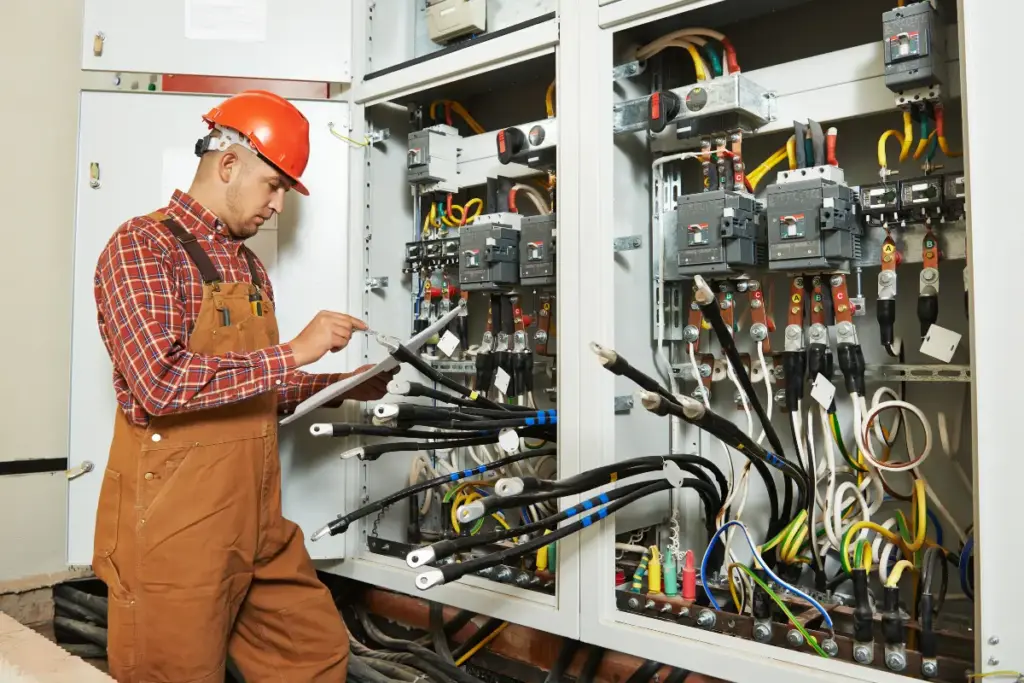
When a VIR cable is identified in an Electrical Installation Condition Report (EICR), immediate action is essential to mitigate possible safety danger. Property owners should prioritise a thorough assessment of the wiring’s condition, as deterioration can pose serious risks, such as electrical fires or shocks.
Engaging a qualified electrician to evaluate the situation is imperative; they can provide expertise to determine whether the cable requires replacement or whether temporary measures are necessary to ensure safety.
Additionally, property owners should document findings and communicate with relevant stakeholders, including insurers or real estate agents, to understand possible implications for property value and safety compliance.
It is also advisable to educate occupants about the risks associated with using outdated wiring. Ultimately, taking prompt, informed actions can increase overall safety, uphold compliance with current electrical standards, and encourage a secure environment for all.
Modern Rewiring Solutions That Resolve VIR Cable EICR Code Issues
Identifying VIR cables in an EICR report necessitates modern rewiring solutions that effectively address safety and compliance issues. Advanced methods, such as the use of flexible, high-performance cables, offer increased durability and reduce the risk of insulation failure.
Additionally, implementing creative wiring systems can facilitate real-time monitoring, enabling early detection of possible issues and promoting safety and compliance.
Eco-friendly materials play a significant role in contemporary rewiring, appealing to those who value sustainability alongside safety. These alternatives not only comply with regulations but also align with a desire for environmental responsibility.
Moreover, engaging skilled electricians trained in the latest technologies guarantees that installations meet current standards, providing peace of mind.
Shifting to modern rewiring solutions not only resolves VIR cable concerns but also paves the way for safe, efficient, and environmentally conscious electrical systems, empowering property owners to reclaim control over their electrical infrastructure.
Frequently Asked Questions
What Is the Lifespan of VIR Cables?
The lifespan of VIR cables typically ranges from 10 to 30 years, depending on environmental conditions, usage, and maintenance practices. Regular inspections can help guarantee their reliability and safety throughout their operational life.
How Can I Identify VIR Cables in My Property?
To identify VIR cables in a property, look for rubber insulation, inspect the wire colour coding, and check for manufacturer markings. Consulting an electrician can provide further clarity and assurance regarding cable types.
Are There Any Legal Requirements for VIR Cable Inspections?
Legal requirements for VIR cable inspections exist and focus on safety and compliance. Property owners must ensure regular assessments are conducted to comply with regulations, minimise risks associated with electrical faults, and maintain overall safety standards.
What Are the Costs Associated With Replacing VIR Wiring?
Costs for replacing VIR wiring typically include materials, labour, and possible additional expenses, such as system upgrades. Overall, estimates can range from hundreds to thousands of pounds, depending on the scope and complexity of the project.
Can I Perform an EICR Myself or Hire a Professional?
While individuals may attempt to conduct an EICR themselves, hiring a qualified professional is advisable for accurate results and regulatory compliance. Professionals possess the expertise to guarantee safety and reliability in electrical inspections.
Conclusion
To summarise, the VIR Cable EICR Code serves as an essential tool for identifying electrical safety risks associated with ageing wiring. Properties utilising older rubber-insulated cables face significant risk, necessitating prompt attention to C1- and C2-coded issues. Shifting to modern wiring solutions not only increases safety but also guarantees compliance with current standards, ultimately increasing property value. By addressing these concerns, property owners can promote a safer electrical environment and protect their investment for the future.