



Asbestos is a dangerous material that was once widely used in construction for its heat resistance and durability. However, its fibres can cause serious health problems when inhaled, including lung cancer and mesothelioma. In London, buildings built before 2000 often contain asbestos in materials such as insulation, floor tiles, or ceiling panels found in both residential and commercial properties. Identifying asbestos requires specialist surveys, including Management and Refurbishment/Demolition Surveys, which are essential for safety and legal compliance during renovations or demolitions. Understanding what is asbestos, its risks and how to manage it helps property owners and occupiers maintain a safe and compliant environment across London.
Key Takeaways
- Asbestos is a hazardous material that was historically used in building construction for its fire resistance and durability.
- Exposure to asbestos fibres can cause serious health issues, including lung cancer and mesothelioma.
- London properties built before 2000 are at higher risk of containing asbestos in materials such as insulation and floor tiles.
- Identifying asbestos requires professional surveys, especially before refurbishments or demolitions, to ensure safety and compliance.
- Property owners in London must manage asbestos risks legally and are advised to seek expert services for assessment and removal.
What is Asbestos and Why Does It Matter in London Properties
Asbestos, a once-popular building material, poses serious health risks, especially in London properties where it was commonly used in older constructions. Asbestos fibres, when inhaled, can lead to severe respiratory diseases, including asbestosis, lung cancer, and mesothelioma, a particularly aggressive form of cancer primarily affecting the lining of the lungs.
London’s vast number of older buildings, many constructed during the peak period of asbestos use, makes it a focal point for these health concerns.
Asbestos was favoured in the construction industry for its durability, fire resistance, and insulating properties. Up until the late 20th century, it was commonly used in various building components, from insulation and roofing materials to tiles and pipe lagging.
The material’s hazardous impact on health was not widely acknowledged or regulated until the 1980s, leaving a significant legacy of asbestos-containing materials in urban infrastructure.
For London property owners and managers, this presents a unique challenge. Ensuring the safety of buildings while complying with strict regulations for asbestos management requires a detailed understanding of the presence and condition of asbestos within properties.
This is particularly critical during renovations or demolitions, where disturbing asbestos-containing materials can release harmful fibres into the air.
The significance of addressing asbestos risks in London cannot be overstated. With a commitment to public health and safety, ongoing education, and adherence to asbestos management protocols, the potential hazards posed by this material can be mitigated, protecting residents and workers from its dangerous effects.

Where Asbestos is Found in Residential and Commercial Properties
What is asbestos, and where is it found in residential and commercial properties? It is found in a variety of building materials used in both residential and commercial properties, particularly those constructed before safety regulations were strengthened.
In homes and flats, it may be present in items such as insulation, floor tiles, and old pipe wrap.
Similarly, offices, restaurants, and warehouses often contain asbestos in roofing materials, ceiling tiles, and fireproofing products.
Common Asbestos-Containing Materials in Older Homes and Flats
In many older homes and flats, asbestos can frequently be found in a variety of common building materials used before its widespread ban in the late 20th century. These materials were favoured for their durability, fire resistance, and insulating properties.
Among the most prevalent asbestos-containing materials are floor tiles, particularly those installed in the 1960s and 1970s. Asbestos was also commonly used in pipe insulation, an essential area of concern for both heat retention and safety in older buildings.
Another significant source of asbestos is in the roofing and siding materials of period properties. These components often contain asbestos cement, which provided robust weatherproofing at a time when such features were hard to come by.
Inside, older homes may also have asbestos in textured coatings and plasters, particularly in ceilings and walls for fire protection and acoustic management.
Insulating boards used for fireproofing and thermal control around boilers, heaters, and fireplaces are also typical asbestos hotspots. These boards might still be present in the basements or utility rooms of older residential buildings.
Awareness and proper management of these materials are vital for safety, especially during renovations or demolitions where asbestos fibres can become airborne.
Asbestos Hotspots in Offices, Restaurants, and Warehouses
Besides homes and flats, asbestos exposure risks extend to commercial settings such as offices, restaurants, and warehouses, particularly those constructed or refurbished before asbestos use restrictions were fully implemented. Identifying specific asbestos hotspots within these environments is essential for maintaining safety and compliance with health regulations.
- Insulation Materials: Asbestos was commonly used in insulation products for pipes, boilers, and heating systems found in basements or service areas of older commercial buildings. It provided heat resistance and fireproofing, which were key concerns in densely packed commercial spaces.
- Ceiling Tiles and Panels: Suspended ceilings in offices and warehouses often incorporated asbestos-containing tiles due to their sound absorption and fire-resistant properties. These materials pose a risk during renovations, repairs, or accidental damage.
- Floor Tiles and Adhesives: Asbestos was a component in many floor tiles and the adhesives used to lay them down. Areas with significant foot traffic, such as public dining spaces in restaurants or walkways in warehouses, are particularly susceptible to wear and potential asbestos fibre release.
- Roofing Materials: Many commercial buildings have flat roofs with asbestos-containing roofing felt or shingles. Weathering or mechanical damage can expose these materials, releasing fibres into the air, which poses a significant health risk.
Understanding these vital areas helps in prioritising safety inspections and remediation efforts in commercial properties.
How to Identify Asbestos in Your Home or Workplace
Identifying asbestos in residential or commercial buildings is essential for maintaining a safe environment. Asbestos, a group of naturally occurring minerals once popular in construction for its fire resistance and insulation properties, can pose serious health risks if its fibres become airborne and are inhaled. Consequently, recognising potential asbestos-containing materials (ACMs) is significant, particularly in buildings constructed before 2000.
Common places to find asbestos include old floor tiles, ceiling tiles, roof shingles, and insulation around boilers, ducts, pipes, sheeting, and fireplaces. Asbestos isn’t always immediately visible, as it may be contained within another material. However, some indicators can help identify its presence.
First, consider the building’s age. Properties built or renovated before the late 1990s are more likely to contain asbestos materials. Look for textured coatings and tiles on ceilings and walls, as these were commonly made of asbestos. Check around boilers, pipes, and in the attic, where loose-fill insulation might have been used.
Another step is examining the condition of these materials. Asbestos is hazardous when disturbed or damaged, as it releases fibres into the air. If you find brittle, crumbly, or water-damaged materials, there’s a higher risk they contain asbestos.
If asbestos is suspected, do not attempt to remove or disturb it. Asbestos removal is a delicate process that requires professional handling to prevent contamination and exposure. Engaging with licensed asbestos removal experts guarantees safe management and compliance with health and safety regulations.
Asbestos Surveys for Homes, Offices, and Commercial Buildings in London
Understanding the types of asbestos surveys, namely Management, Refurbishment and Demolition, is essential for maintaining safety in London’s diverse properties.
A qualified surveyor employs specific methodologies to evaluate the presence and risk of asbestos in homes, offices, and commercial buildings.
This process guarantees that each property type receives a tailored assessment that aligns with its unique characteristics and usage requirements.
Types of Asbestos Surveys: Management vs Refurbishment and Demolition
In London, property owners and managers must choose between two primary types of asbestos surveys: management surveys and refurbishment and demolition surveys. Understanding the characteristics of each is essential for maintaining safety and regulatory compliance.
- Management Surveys: This survey type is the standard choice for ongoing occupancy without planned renovations. Its primary aim is to locate the presence and condition of any asbestos-containing materials (ACMs) that could be disturbed during normal occupancy and routine maintenance.
It involves careful sampling and analysis, guaranteeing materials are safe to remain in place or outlining necessary control measures.
- Refurbishment and Demolition Surveys: Required when the building is due for refurbishment or slated for demolition. This survey is more invasive and exhaustive than the management survey.
It aims to detect all ACMs within the building structure, involving extensive access to all areas, including those difficult to reach. The purpose is to ensure that no asbestos materials are overlooked before construction work begins, thereby preventing airborne contamination and exposure.
Choosing the appropriate survey type is vital for effectively managing asbestos risks. Each serves a specific purpose, tailored to the property’s conditions and plans.
How a Qualified Surveyor Assesses Risk in Different Property Types
When evaluating asbestos risks in different property types, a qualified surveyor tailors their approach to the specific characteristics and uses of each building.
Asbestos inspections in residential homes focus on areas where asbestos materials are likely to be present, such as insulation, tiles, and around old heating systems. The surveyor assesses the condition of these materials, their likelihood of disturbance, and potential exposure to occupants.
For office buildings, the assessment typically includes fireproofing materials, acoustic panels, and HVAC systems, which are more prevalent in commercial spaces. The surveyor considers the building’s age, the presence of original construction materials, and the extent of any previous renovations. This evaluation helps determine the scope of management or refurbishment surveys required.
In industrial or large commercial properties, the risk assessment is even more complex due to the scale and variety of potential asbestos-containing materials used in construction and machinery. Surveyors, such as those handling Landlord safety certificates, navigate vast areas, often while coordinating with ongoing operations, to guarantee thorough sampling without disrupting business activities.
Health Risks Linked to Asbestos Exposure
Several serious health risks are associated with asbestos exposure, highlighting the need for awareness and proactive measures. Asbestos, a group of naturally occurring fibrous minerals, was widely used in building materials for its durability and resistance to heat.
However, when these asbestos-containing materials are disturbed, microscopic fibres can become airborne and pose a significant health threat upon inhalation. The latency period between exposure and symptom manifestation can span decades, underscoring the importance of early detection and professional removal.
The following list details common asbestos-related diseases and the essential reasons for addressing asbestos hazards promptly:
- Asbestosis: A chronic lung disease resulting from the inhalation of asbestos fibres, causing lung tissue scarring and severe shortness of breath. Progression of the disease can lead to respiratory failure and death.
- Lung Cancer: Asbestos exposure notably increases the risk of developing lung cancer, particularly among smokers. Symptoms include persistent cough, chest pain, and difficulty breathing.
- Mesothelioma: A rare and aggressive cancer primarily affecting the lining of the lungs (pleura) or abdomen (peritoneum). Mesothelioma is almost exclusively linked to asbestos exposure, with no known cure and a poor prognosis.
- Pleural Thickening: Chronic inhalation of asbestos fibers can cause the pleura, the lining around the lungs, to thicken and calcify, restricting lung expansion and leading to breathing difficulties.
Understanding these risks reinforces the necessity of employing licensed professionals for asbestos detection and safe removal.
Early intervention not only mitigates health risks but also contributes to safer living and working environments, safeguarding public health.
Legal Duties for Landlords and Business Owners Under UK Asbestos Regulations
Why should landlords and business owners be particularly vigilant about asbestos management? The ramifications of neglecting asbestos in properties can be severe, both from a health perspective and legally. The UK’s Control of Asbestos Regulations 2012 places specific responsibilities on these property holders to manage the risk from asbestos in premises they own or control.
Under these regulations, landlords and business owners are designated as duty holders. They must take reasonable steps to determine the presence of asbestos in their properties, which involves identifying and evaluating the condition of any asbestos-containing materials (ACMs).
If ACMs are present, the duty holders must manage the risk by creating an asbestos management plan. This plan should detail how the risks from these materials will be managed and should be regularly updated.
Additionally, the regulations require that information about the location and condition of the ACMs must be provided to anyone liable to work on or disturb them. This is vital for maintenance workers or contractors who might undertake work that could affect these materials.
Record-keeping is another significant responsibility under the Control of Asbestos Regulations. Landlords and business owners must maintain detailed records about the presence of asbestos and any actions taken to manage its risks. These records help guarantee continuity in management and safety practices, even when property ownership changes.
Compliance with these legal duties is not only about adhering to the law but also about protecting health and preventing potential litigation. Consequently, understanding and implementing these regulations is essential for any landlord or business owner in managing their property safely.
How Professional Asbestos Inspection and Testing Services Help You Stay Compliant
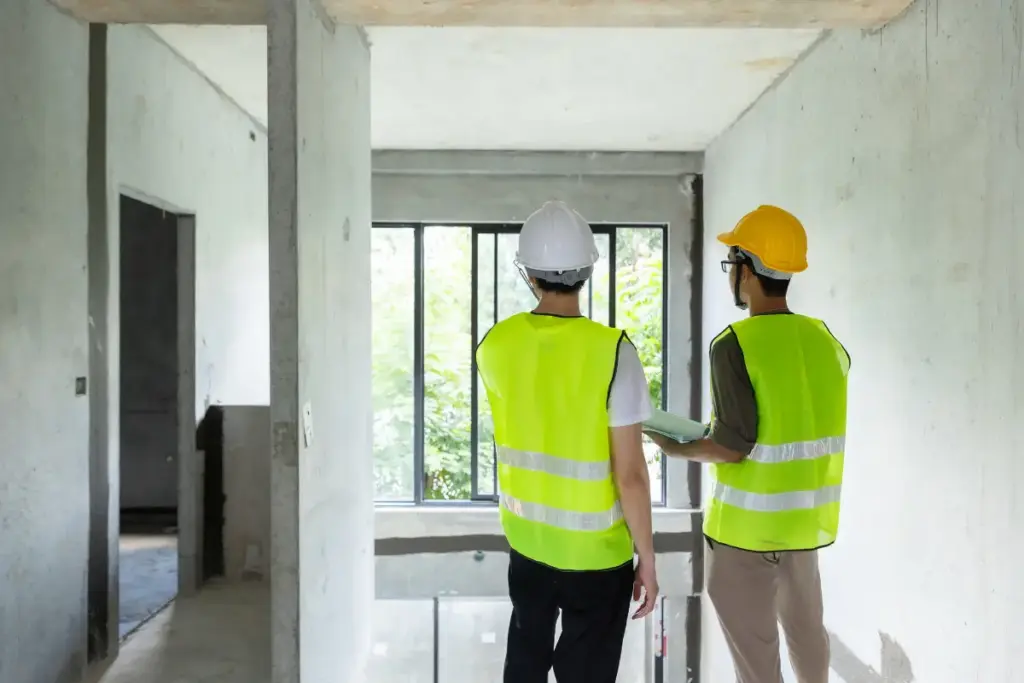
Engaging professional asbestos inspection and testing services is a vital step for landlords and business owners aiming to comply with the UK’s Control of Asbestos Regulations 2012. Compliance is not only a legal requirement but also a significant measure to guarantee the safety and well-being of occupants and employees.
Professional services provide a systematic approach to managing asbestos-related risks effectively.
Here are four key benefits of using professional asbestos inspection and testing services:
- Expertise and Accuracy: Professional asbestos inspectors are trained and certified to handle asbestos materials safely. They have the expertise to accurately identify asbestos-containing materials (ACMs) and assess their condition. This level of precision is essential for developing an effective management plan.
- Comprehensive Risk Assessment: These services conduct thorough inspections and tests to assess the risk of asbestos exposure on a property. Based on these findings, they can recommend appropriate measures to manage or remove asbestos safely.
- Documentation and Record Keeping: Professional services help in maintaining up-to-date records of the presence and condition of asbestos within your properties. These records are vital for compliance with legal requirements and can be invaluable during property transactions or renovations.
- Guidance on Legal Compliance: They not only identify and assess the risks but also provide advice on fulfilling your legal duties under the Control of Asbestos Regulations. This includes preparing a detailed asbestos management plan and advising on compliance strategies.
Utilising professional asbestos inspection and testing services guarantees that you adhere to legal standards, thereby protecting your property and those within it from the hazards of asbestos exposure.
Keeping London Properties Safe from Asbestos in 2025 and Beyond
As we look toward 2025 and beyond, ensuring the safety of London properties from asbestos becomes increasingly critical.
The implementation of a Landlord Safety Certificate is a pivotal measure, serving as a compliance and safety benchmark for property owners.
This certificate not only confirms the absence of hazardous materials but also reassures tenants about the safety of their living environments.
How Landlord Safety Certificate Ensures Safe and Compliant Properties
In London, the implementation of Landlord Safety Certificates serves as an important measure to ensure that rental properties are free from asbestos-related risks, aligning with stringent regulations set for 2025 and beyond.
These certificates play a vital role in ensuring landlords comply with health and safety legislation, particularly concerning the presence and management of asbestos in buildings.
The Landlord Safety Certificate includes several significant checks:
- Detailed Inspections: Qualified professionals conduct thorough inspections to detect any presence of asbestos in the property. This includes evaluating materials that are likely to contain asbestos, especially in older buildings.
- Risk Evaluation: If asbestos is found, a detailed risk evaluation outlines the potential dangers and the necessary steps to mitigate these risks, safeguarding tenant safety.
- Management Plans: A tailored management plan is developed for properties with asbestos. This plan specifies how asbestos will be handled, either through removal or safe containment.
- Regular Monitoring and Reviews: The property undergoes regular reviews and monitoring to maintain ongoing compliance with the latest safety standards, adapting to any new regulations.
This proactive approach not only enhances tenant safety but also protects landlords from legal repercussions, ensuring their properties meet all regulatory requirements.
Frequently Asked Questions
Can Painting Over Asbestos Materials Make Them Safe?
Painting over asbestos materials does not render them safe. While encapsulation can temporarily prevent fibre release, it is not a long-term solution. Professional removal or abatement by certified experts is strongly recommended for safety.
Are There Any DIY Methods for Asbestos Removal?
DIY methods for asbestos removal are strongly discouraged due to health risks. Professional removal guarantees safety through proper techniques and equipment, minimising the release of asbestos fibres into the environment. Always consult certified experts.
How Much Does Asbestos Removal Cost in London?
Asbestos removal costs in London vary widely, typically ranging from £50 to £200 per square metre, depending on factors like property size, asbestos type, and containment requirements. Always consult professionals for accurate quotations.
What Are the Penalties for Non-Compliance With Asbestos Regulations?
Penalties for non-compliance with asbestos regulations in London can include substantial fines and imprisonment. Enforcement actions are taken to guarantee public safety and adherence to legal standards for handling and removing hazardous materials.
Can Asbestos Affect Outdoor Air Quality?
Yes, asbestos can affect outdoor air quality if fibres are released during demolition or through the deterioration of buildings containing asbestos. Airborne fibres can pose health risks when inhaled by people in nearby areas.
Conclusion
To summarise, identifying “what is asbestos” and managing it in London properties is crucial for protecting public health and meeting legal requirements. Professional asbestos surveys and removal services play a key role in detecting and controlling asbestos risks in both residential and commercial buildings. As London moves towards 2025, following updated asbestos regulations will help safeguard occupants from health dangers while strengthening the overall safety and integrity of the city’s buildings.