

A microwave is unsafe when it shows electrical or structural failures that risk shock, fire, or leakage. Visible door damage, warped seals, broken latches, persistent arcing, sparks, smoke, or burning odors demand immediate stoppage and professional evaluation. Repeated power flicker, trips, odd noises, or uneven heating with cold spots also signal failing components such as the magnetron or interlocks. If basic checks and simple fixes don’t restore safe operation, replacement is recommended, with more guidance available below.
Key Takeaways
- Visible door damage, warped seals, or gaps that prevent a tight latch indicate compromised microwave containment and require replacement.
- Persistent arcing, sparks, smoke, burning smells, or loud unusual noises signal electrical failure; stop use immediately and replace.
- Repeated power flicker, tripping breakers, or inconsistent operation suggests internal shorts or component failure that make the unit unsafe.
- Persistent uneven heating, cold spots, or failure to heat despite normal settings indicate magnetron or waveguide failure needing replacement.
- Severely brittle, discolored seals, broken interlocks, or door latch failures that prevent proper closing are safety hazards requiring replacement.
Immediate Red Flags: Is Your Microwave Unsafe?
How can one tell if a microwave is unsafe? Observers should note clear, immediate indicators that justify retiring the appliance. Visible damage to the door, warped or bent seals, or gaps where the door meets the frame undermine containment of emissions and signal replacement. Flickering or inconsistent power, unusual noises not related to a turntable, and persistent arcing inside the cavity during normal operation are further red flags. Loose or exposed internal parts found after inspection suggest compromised integrity.
Controls that suddenly stop responding or behave erratically indicate failing electronics that could create hazards. If cooking results become uneven despite proper settings, or if food heats while the oven is off, that implies malfunction. Those who value autonomy favor decisive action: unplug and stop using the unit until a qualified technician verifies safety or the unit is replaced. Safety choices preserve freedom by preventing avoidable consequences.
Electrical and Fire Warning Signs: Smoke, Sparks, Burning Smells
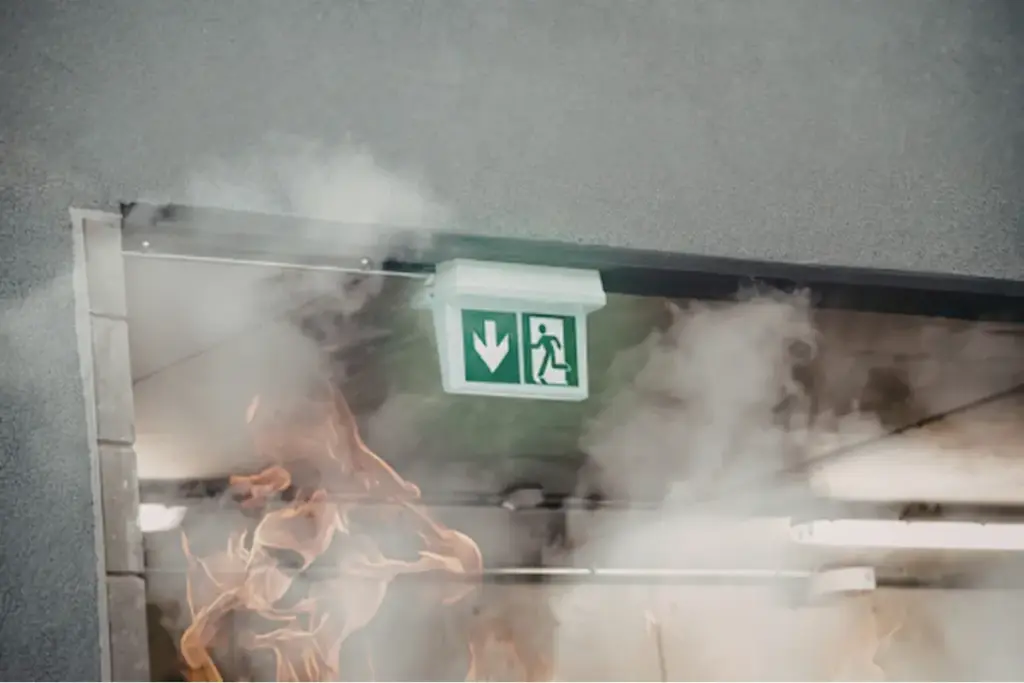
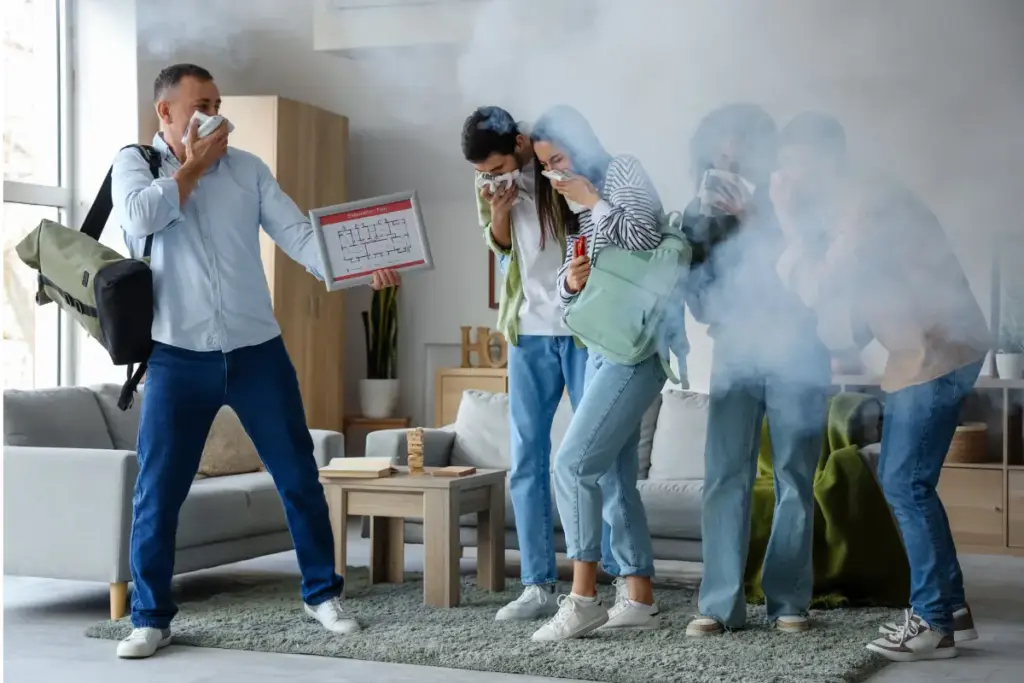
If smoke, sparks, or the odor of something burning emanate from a microwave, stop using it immediately. A microwave showing these signs indicates internal electrical failure, arcing, or overheating that threatens fire and safety. Unplug the appliance, ventilate the vents and area, and seek professional evaluation or replacement. Continuing to operate it violates personal freedom to remain safe and can jeopardise the home and occupants.
| Sign observed | Likely cause | Recommended action |
| Visible sparks inside | Arcing from metal, damaged waveguide, or electronics | Stop use; unplug; inspect for metal; consult technician |
| Smoke from vents | Overheated components or burning insulation | Evacuate smoke; unplug; ventilate; replace unit |
| Burning smell | Melted wiring or electronic failure | Do not reuse; arrange disposal/replacement |
| Repeated trips or flicker | Short circuit or failing transformer | Disconnect power; seek professional repair or replace |
Owners valuing freedom should not risk reuse; a compromised microwave deserves prompt replacement.
Door, Latch, and Seal Problems That Risk Leakage
Why should a microwave door, latch, or seal be treated as critical safety components? The door assembly prevents microwave energy from escaping the cavity; a damaged latch, warped door, or compressed seal compromises that barrier. Visible gaps, bent hinges, broken latches, or missing gasket material signal loss of containment and warrant immediate attention. Users who value autonomy should inspect these parts regularly and act decisively to repair or replace rather than tolerate risk.
Minor dents or loose trim near the door can hide more serious deformation affecting alignment. Difficulty closing or unusual rattling suggests the interlock switches may not engage reliably. Discolored or brittle seals indicate aging and reduced effectiveness. Because containment relies on precise mechanical fit, small defects can produce outside hazards. If inspection reveals any of these problems, stop using the unit until a qualified technician verifies safe operation or the unit is replaced to protect health and preserve the freedom to use appliances without compromise.
Uneven Heating and Cold Spots: Why They Matter
Uneven heating and cold spots in a microwave often indicate problems that go beyond simple inconvenience: they compromise food safety, degrade cooking performance, and can signal malfunctioning components. When food heats irregularly, bacteria in undercooked areas may survive, undermining a user’s control over what they eat.
Cold pockets also mean repeated reheating, wasting time and energy and limiting the appliance’s reliability for fast, independent meals. Mechanically, uneven heating can reflect failing waveguide covers, magnetron inconsistencies, or damaged turntable motors that prevent even exposure. Users who value freedom and self-reliance depend on predictable results; persistent hot-and-cold patterns erode that trust. Routine checks, stirring and testing with a thermometer, observing consistent rotation, and noting repeatable hot spots help determine whether repair or replacement best restores dependable performance. If corrective steps fail or safety is uncertain, replacing the unit preserves autonomy over food preparation and reduces risk.
Unusual Noises and Burning Smells: Failing Components
A low hum, sporadic popping, or the sharp zing of arcing paired with a distinct burning odor signals more than a minor annoyance: it often indicates failing microwave components such as the magnetron, diode, capacitor, or compromised waveguide and insulation. Such symptoms mean the appliance no longer behaves predictably; continuing to use it risks fire, electrical damage, or toxic fumes. Repairs may be possible, but parts are sometimes costly and labor-intensive compared with replacement. For people who value autonomy and clear choices, recognising these signs enables decisive action, either professional repair or buying a safer unit.
- Persistent buzzing or rattling during operation
- Intermittent sparks or visible arcing inside the cavity
- A sour or plastic-like burning smell after short use
- Heat or discoloration around vents and the door seal
If any of these occur, treat the microwave as compromised and prioritise safety over saving a marginal appliance.
Quick Safety Checks You Can Do at Home
How quickly can a user gauge whether a microwave is safe to keep using? A simple, focused inspection can reveal immediate hazards. Visually check the door seal and latch: gaps, bent frames, or damaged gaskets can leak microwaves. Test the door alignment by closing it slowly; it should click and sit flush. Inspect the interior for scorch marks, exposed metal flaking, or signs of arcing; these indicate unsafe operation.
Run a short water test: place a cup of water inside and run for 30 seconds; if the water doesn’t warm or the oven sparks, stop and unplug. After cooling, smell for persistent burning odors; lingering smells suggest internal damage. Listen for abnormal noises during a brief run; grinding, loud humming, or irregular clicks are warning signs. Confirm cords and plugs are intact, not frayed or melted. If any of these checks fail, take the appliance out of service to preserve autonomy and safety.
Repair vs. Replace: How to Decide
When should a microwave be repaired rather than replaced? A pragmatic assessment balances safety, cost, and the owner’s preference for autonomy. If the unit has a minor, well-defined fault like a faulty door latch, a worn seal, or a simple electrical component and a qualified technician can fix it affordably, repair preserves resources and personal choice. Conversely, pervasive damage, repeated failures, or repair costs approaching replacement suggest retiring the appliance. Warranty status, age, and parts availability also matter. Prioritise fixes that restore safety: door integrity, interlock switches, and power control. Consider personal freedom: some prefer to maintain devices; others opt for a fresh start.
- Repair when the issue is localised and can be fixed within a reasonable budget.
- Replace when safety-critical systems are compromised, or parts are obsolete.
- Choose repair to avoid waste and keep a trusted appliance in use.
- Choose replacement when reliability and up-to-date safety features are desired.
Choosing a Safer Replacement and Disposing of the Old Unit
If safety and longevity are priorities, selecting a replacement microwave should emphasise verified safety features, reliable construction, and proper disposal pathways for the old unit. The purchaser should seek models with safety certifications (UL, ETL), solid door seals, child locks, and clear shielding ratings. Energy-efficient options and stainless interiors reduce maintenance and extend usable life, supporting autonomy from frequent replacements. Warranties and accessible service networks preserve freedom to choose repairs rather than forced upgrades.
Disposing of the old unit should follow local regulations: recycling centers, municipal bulky-waste programs, or electronics take-back events prevent landfill hazards. Before transfer, personal data on smart models must be wiped and power cords detached. If functional, donation or resale returns value and limits waste. Documentation of disposal or transfer protects against liability. Prioritising certified replacements and responsible disposal aligns safety, independence, and environmental responsibility without unnecessary complexity.
Frequently Asked Questions
Can Microwaves Cause Cancer From Radiation Leakage?
No, microwaves do not cause cancer from typical leakage; microwave radiation is non-ionising and only heats tissue. Occasional exposure below regulatory limits is safe, though damaged or modified units should be repaired or discarded.
Can I Microwave Metal Objects Safely?
No; microwaving metal objects is generally unsafe. Sparks, arcing, fire, and appliance damage can occur. Some cookware with approved metallic trim may be allowed, but users preferring autonomy should consult manufacturer guidelines first.
Do Microwaves Affect Pacemakers or Medical Implants?
Microwaves typically do not interfere with modern pacemakers or implants; most are shielded. Nonetheless, manufacturers advise keeping devices at a sensible distance and consulting a physician or device manual if concerns arise, preserving individual autonomy and informed choice.
How Long Does a Typical Countertop Microwave Last?
A typical countertop microwave lasts about 7 to 10 years under normal use. Owners seeking independence may maintain it longer through careful cleaning, prompt repairs, and avoiding heavy continual high-power cycling to extend reliable service life.
Are Refurbished Microwaves as Safe as New Ones?
Refurbished microwaves can be as safe as new ones if professionally inspected, repaired with genuine parts, and tested to meet safety standards; buyers should verify certification, ask about warranty, and prefer reputable refurbishers for greater assurance.
Conclusion
A microwave showing smoke, sparks, persistent burning smells, or a damaged door, latch, or seal should be treated as unsafe and replaced promptly. Persistent uneven heating, loud unusual noises, or visible arcing indicate internal failure beyond simple fixes. After basic home checks, consult a qualified technician; if repairs are costly or safety is compromised, replacement is the wiser choice. Choosing a newer, safer model and recycling the old unit reduces risk and environmental impact.