

Frequent tripping usually signals an electrical fault, such as an overload, a short circuit, an earth‑leakage detected by an RCD, or aging/damaged wiring. The homeowner should isolate the affected circuit, unplug devices, and reset the circuit to see if an appliance is causing the trip. Look for burning smells, hot outlets, or visible damage and stop if unsafe. Simple load redistribution or replacing faulty leads can help, but persistent or unexplained trips need a qualified electrician. More details on causes and fixes.
Key Takeaways
- Overloads occur when too many appliances draw more current than the circuit breaker or fuse can handle, causing a trip.
- Short circuits (damaged or loose conductors that touch) cause surges and immediate trips, often with sparks or burning smells.
- RCD/RCBO trips indicate earth leakage or faulty appliances allowing current to flow to ground, especially in damp or damaged equipment.
- Aged, frayed wiring, loose connections, rodent damage, or moisture can cause intermittent arcing and repeated trips.
- Isolate the circuit, unplug devices, reset once, document patterns, and call a qualified electrician for persistent, unsafe, or unclear faults.
Immediate Steps If Your Electrics Keep Tripping
Begin by switching off or isolating the affected circuit at the consumer unit to prevent repeated trips and reduce the risk of damage. One step is to unplug all devices on that circuit to determine whether an appliance fault is causing the trip. Next, reset the breaker or RCD and observe: if it holds, reconnect devices one at a time to locate the culprit. If it trips immediately or soon after resetting, leave it off and avoid using that circuit. Check for obvious signs, such as burn marks, warm outlets, or a persistent burning smell and refrain from DIY repairs beyond basic visual inspection. For outdoors or wet areas, verify that the sockets and equipment are dry before testing. Maintain clear access to the consumer unit and keep any essential circuits labeled for rapid isolation. When uncertainty or danger exists, arrange for a qualified electrician to inspect and repair. These measured actions preserve safety and individual autonomy while minimising disruption.
Why Circuits Trip: Quick Overview
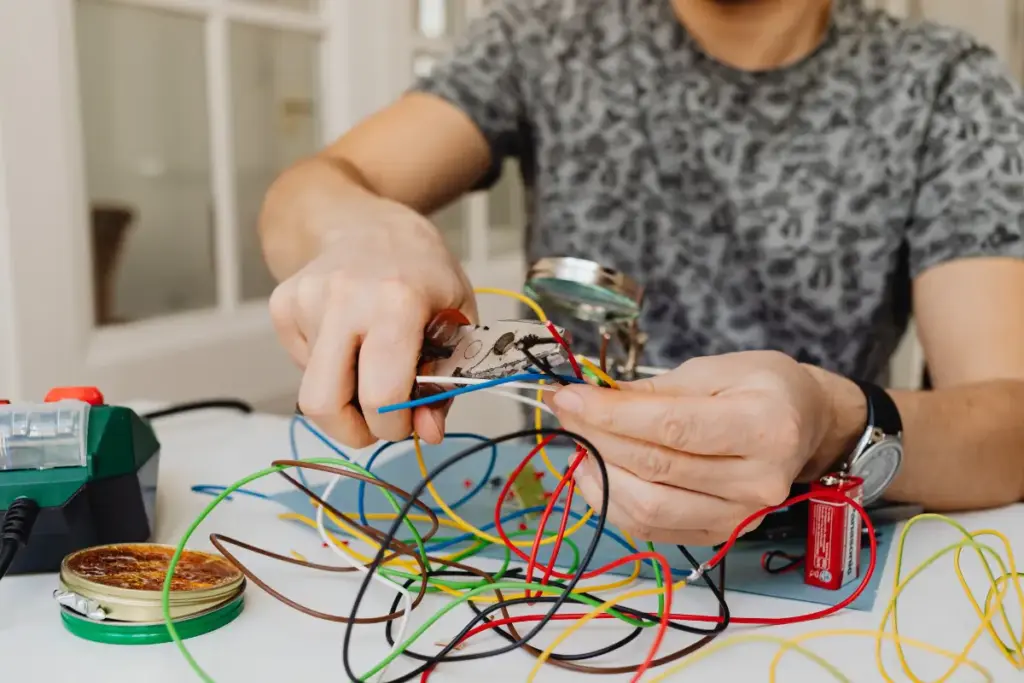
Several common electrical faults cause circuits to trip: overloads from too many devices drawing more current than the breaker’s rating, short circuits where live conductors touch each other or earth, and earth leakage that RCDs detect when current escapes the intended path. Circuits also trip due to aged or damaged wiring, loose connections that create arcing, and faulty appliances that introduce unexpected currents. Environmental factors, such as moisture ingress, rodents, or physical damage, can create paths to ground or intermittent faults. Protective devices themselves may trip from wear, incorrect settings, or incompatible replacements. Intermittent trips often point to marginal components or fluctuating loads rather than a single catastrophic failure. Safe troubleshooting follows isolation: identify which circuit trips, remove suspect loads, and observe whether the fault persists. If trips continue after sensible exclusion testing, a qualified electrician should inspect wiring, protective devices, and appliances. Clear, decisive action preserves freedom by restoring reliable, safe power without unnecessary restrictions.
Common Cause: Overloads and How to Fix Them
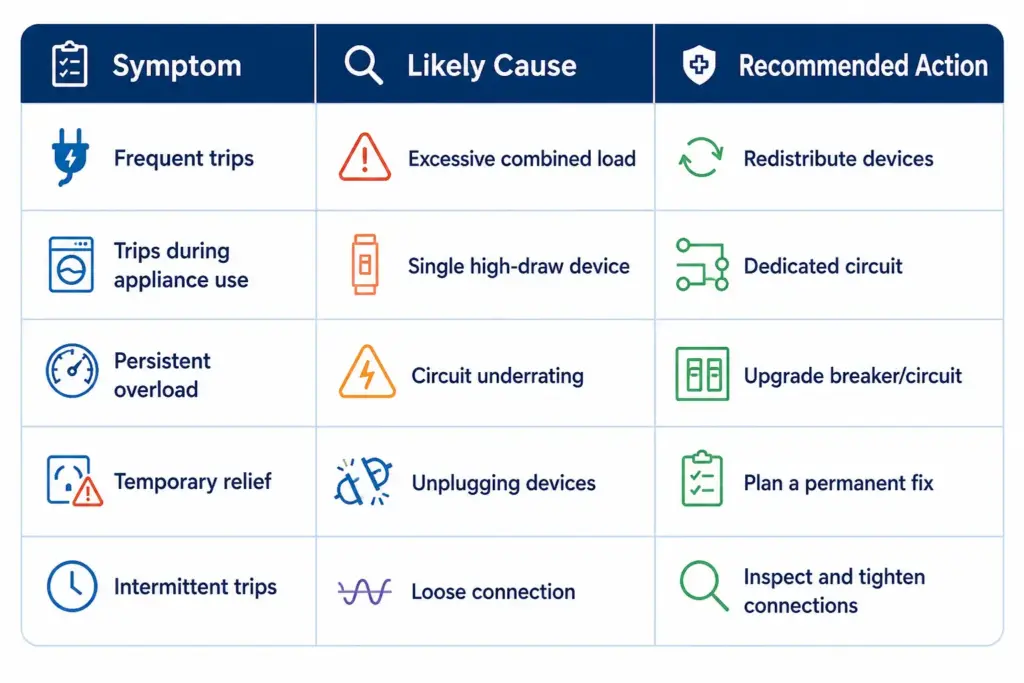
Overloading occurs when the combined current draw of devices on a circuit exceeds the breaker’s rated capacity, causing the breaker to trip to prevent overheating and a fire. The text explains that identifying overloads begins by mapping appliances to circuits and noting high-draw items (heaters, ovens, pumps). The detached voice recommends redistributing loads, using dedicated circuits for specific appliances, and upgrading to appropriately rated breakers or adding circuits when demands exceed safe limits. Temporary fixes include unplugging nonessential devices and using power strips with surge protection, while permanent solutions require a licensed electrician. The tone values autonomy: users are encouraged to assess usage and choose durable, compliant upgrades that preserve freedom from repeated interruptions.
Short Circuits: Sparks, Smells, and Immediate Shutdowns
What happens when wires touch, or insulation fails,s is abrupt, often violent: a short circuit creates a low-resistance path that allows a surge of current, producing visible sparks, burning smells, and an immediate breaker trip or fuse blow to stop further damage. A short typically stems from damaged conductors, loose connections, pinched cables, or metal contacting live parts. Symptoms are unmistakable, such as popping, smoking, a scorched odor, or an instant blackout and the protective device sacrifices continuity to prevent fire and equipment destruction. Troubleshooting prioritises safety and autonomy: isolate the circuit, cut power at the consumer unit, and visually inspect accessible wiring and appliances for charring, melted insulation, or loose terminals. Permanent fixes usually require replacing damaged cables, securing connections, or swapping faulty devices. Because faults can hide behind walls or inside equipment, exercising independence responsibly means engaging a qualified electrician for repairs beyond simple outlet swaps, ensuring freedom without risking catastrophe.
RCD (Earth‑Leak) Trips: What They Mean and What to Do
While short circuits are dramatic and immediate, many trips are subtler and caused by earth-leakage faults detected by Residual Current Devices (RCDs). RCDs monitor imbalance between live and neutral conductors; if current leaks to earth through damaged insulation, moisture, or conductive dust the device disconnects power rapidly to prevent shock and fire. A repeated RCD trip signals leakage somewhere on the protected circuit, not necessarily a catastrophic fault, but one that denies freedom to use appliances until addressed.
The recommended response is organised and cautious: note when and where trips occur, unplug nonessential equipment, dry damp areas, and restore power to see if the fault reappears. Persistent or unexplained leakage requires a qualified electrician to locate and repair wiring defects, replace degraded appliances, or reconfigure circuits. Respecting RCDs preserves safety without unduly restricting daily life; they act as guardians that enable confident use of electrical freedom.
How to Test and Isolate Faulty Appliances
How can a homeowner pinpoint whether an appliance is the cause of repeated RCD trips? The methodical approach begins with isolation: unplug all non-essential appliances and reset the RCD. If trips stop, reintroduce devices one at a time, observing which reintroduction triggers a trip. Note the specific socket and function (e.g., kettle, washing machine spin) when a fault recurs.
Next, swap the suspected appliance to a different known-good outlet or use a portable residual current tester to check for leakage. Visual inspection follows: damaged cords, burnt plugs, or loose connections may reveal causes. For appliances with internal water or heat, allow cooling and dry thoroughly before retesting.
Where safe testing is inconclusive or involves hardwired units, engage a qualified electrician to perform PAT tests or insulation resistance tests. This preserves autonomy while ensuring safety and avoiding misdiagnosis that could mask a broader electrical fault.
Aging Wiring & Consumer‑Unit Signs to Watch For
After isolating appliances, attention should shift to the fixed wiring and consumer unit, since deterioration in these areas often mimics appliance faults. Visual indicators include discoloured or brittle insulation, scorch marks around sockets, loose faceplates, and tripped breakers that reset repeatedly. In older homes, cloth‑insulated or unarmoured cables and fuses, rather than modern protective devices, signal an increased risk.
Consumer‑unit signs to watch for are persistent nuisance tripping, warm or vibrating enclosures, corroded connections, and the absence of residual current devices (RCDs) or modern circuit breakers. Recurrent earth faults, unexplained power loss to multiple circuits, and inconsistent neutral behaviour point toward internal wiring or distribution faults rather than individual appliances.
Recognising these symptoms empowers occupants to seek competent electricians and advocate for necessary upgrades such as rewiring, consumer‑unit replacement, and installation of RCD/RCBO protection, restoring safety and independence without delay.
Safe Step‑by‑Step Checks You Can Do Yourself (When to Stop)
What can a homeowner safely check before calling a professional? A homeowner can start by noting which circuits trip and when, then unplugging appliances on that circuit to see if the trip persists. Reset the breaker or RCD following the manufacturer’s sequence; if it won’t reset, stop and seek help. Inspect visible sockets and plugs for scorch marks, loose faceplates, or a burning smell if present, cease further tests. Test simple appliances on a different known-good circuit to rule out device faults.
Check overload causes: spread high-draw devices across circuits and observe whether tripping reduces. For extension leads, make sure they are rated and undamaged; replace any frayed cables. Avoid opening consumer units, touching wiring, or testing with improvised tools. If trips are intermittent, document times, appliance use, and weather conditions. When checks are inconclusive or hazards are identified, discontinue DIY work and arrange qualified assistance.

When to Call an Electrician and What Info to Give Them
When should a homeowner call a qualified electrician? A homeowner should call when trips are frequent, unexplained, or accompanied by burning smells, scorch marks, sparks, buzzing, or any sign of heat. Also seek help after repeated resets that don’t hold, water exposure, or if circuits trip immediately on reset. An electrician is necessary for panel faults, shared neutral issues, complex wiring changes, or if the homeowner lacks confidence to isolate circuits safely.
Provide concise, actionable information when contacting a pro: location of the problem (room, outlet, appliance), breaker label or number, frequency and timing of trips, recent work or storms, any odd sounds or smells, and whether GFCI/RCD outlets are involved. Note attempts already made which circuits were isolated, appliances unplugged, and whether the main breaker was tested. Include photos or short videos if safe to take. This equips the electrician to diagnose efficiently and preserves the homeowner’s freedom to restore safe, reliable power.
Frequently Asked Questions
Can a Faulty Light Switch Cause Frequent Trips?
Yes. A faulty light switch can cause frequent trips if it creates short circuits, arcing, or earth faults that overload protection devices. One should replace or inspect switches promptly to maintain safety and preserve electrical autonomy.
Do Tripping Patterns Vary With Weather or Humidity?
Yes. They note that tripping patterns often change with weather and humidity: moisture, lightning, temperature swings, and corrosion can provoke leaks, shorts, or ground faults, so trips increase during storms, damp seasons, or rapid temperature shifts.
Can DIY Rewiring Void My Home Insurance?
Yes. Unauthorised DIY rewiring can void home insurance if it breaches policy terms, lacks permits, or fails safety codes. The homeowner risks having claims denied; insurers may require certified electrician work and inspection records to maintain coverage.
Are Smart Breakers Helpful for Diagnosing Trips?
Yes. They provide remote trip logs, fault types, and circuit-level monitoring, enabling independent owners to pinpoint recurring issues, reduce guesswork, and decide targeted repairs while preserving autonomy over diagnostics and maintenance choices.
How Long Can I Safely Run a Partially Tripping Circuit?
They should not run it long; continued operation risks fire and equipment damage. A person valuing autonomy will cut power, isolate the circuit, and arrange swift professional inspection and repair rather than tolerate intermittent trips and danger.
Conclusion
Frequent electrical trips signal underlying faults that range from simple overloads to dangerous short circuits or earth leaks. Homeowners should perform basic, safe checks, resetting breakers, unplugging suspected appliances, and isolating circuits, but stop if sparks, burning smells, or repeated trips occur. Aging wiring and faulty consumer units warrant professional attention. Promptly hiring a qualified electrician, with details about trip patterns, affected circuits, and recent changes, guarantees an accurate diagnosis and prevents fire or shock risks.