

The question of whether a domestic installer can perform an Electrical Installation Condition Report (EICR) is more complex than it appears. Many property owners assume that any qualified installer is sufficient for this task. However, using an unqualified installer can lead to significant legal and safety issues. Understanding the qualifications required for a valid EICR may reveal surprising truths that could impact property safety and compliance.
Key Takeaways
- Domestic installers can perform EICRs, but may lack the specialised knowledge required for thorough assessments.
- Qualifications among domestic installers vary, and some may lack sufficient training for EICR evaluations.
- EICRs signed off by unqualified installers risk rejection, particularly if they are not members of recognised schemes.
- Compliance with IET Wiring Regulations (BS 7671) is essential for EICRs to be legally valid and accepted.
- Property owners should verify installers’ credentials to ensure the legitimacy of EICRs and avoid possible liability.
Can a Domestic Installer Do an EICR or Is That a Risky Assumption
Can a domestic installer truly be trusted to conduct an Electrical Installation Condition Report (EICR), or is this a risky assumption? This question weighs heavily on property owners considering electrical safety evaluations. Domestic installers, while often skilled in various electrical tasks, may not possess the specialised knowledge required for thorough EICR assessments. An EICR demands an understanding of electrical safety standards and regulations, which can vary by region.
Moreover, the qualifications of domestic installers can vary widely; some may lack sufficient training to conduct comprehensive inspections. As a result, property owners may face the risk of inadequate evaluations that could lead to safety danger. Ensuring that the chosen installer is certified and experienced in EICR procedures is essential for reliable results. Ultimately, entrusting an EICR to a domestic installer without verifying their credentials may expose property owners to unnecessary risks regarding their electrical safety.

Why This EICR Question Trips Up So Many Property Owners
Why do so many property owners find themselves confused about the qualifications needed for an EICR? The intricacies of electrical safety regulations can be intimidating, leading to misconceptions about who can perform an Electrical Installation Condition Report. Many property owners mistakenly believe that any qualified electrician can conduct an EICR without considering the specific qualifications and competencies required for this particular task.
The distinction between general electrical work and the specialised knowledge needed for EICRs often blurs in the minds of property owners, creating uncertainty. Additionally, the terminology surrounding electrical certifications can be confusing, with terms such as “registered” and “competent” often used interchangeably.
This lack of clarity can lead to significant concerns about the validity of an EICR performed by someone not appropriately qualified, prompting property owners to question the reliability of their electrical safety assessments. Ultimately, understanding these nuances is essential for ensuring compliance and safety in property management.
The Real Difference Between Being Registered and Being Competent for EICRs
While many property owners may assume that being registered as an electrician implies the ability to conduct Electrical Installation Condition Reports (EICRs), the reality is more nuanced. Registration indicates that an electrician meets certain standards but does not guarantee expertise in EICRs, which require specific skills and knowledge.
| Aspect | Registered Electrician |
| Scope of Work | General electrical installations |
| EICR Competency | May not possess EICR-specific training or experience |
| Regulatory Compliance | Registered but not necessarily qualified for EICRs |
Understanding this distinction is essential for property owners. A registered electrician may not have the necessary expertise to accurately assess and report on the condition of electrical systems. As a result, property owners should seek professionals specifically skilled in EICRs to guarantee compliance and safety.
Domestic Installer Scope Explained Without the Jargon
Understanding the role of a domestic installer is important for property owners seeking electrical services. Domestic installers are professionals qualified to undertake electrical work in residential settings. Their scope typically includes tasks such as installing lighting, sockets, and other electrical fixtures, as well as performing repairs and maintenance.
However, their expertise and qualifications may vary, and it is essential for property owners to verify that an installer holds the necessary certifications. Domestic installers must comply with safety regulations and industry standards to guarantee that their work meets legal requirements.
When it comes to specific assessments, such as Electrical Installation Condition Reports (EICRs), not all domestic installers are authorised to conduct these inspections. Consequently, understanding the limitations and capabilities of a domestic installer can help property owners make informed decisions about their electrical needs and ensure they engage qualified professionals for the tasks at hand.
Who Is Actually Allowed to Sign Off an EICR in the UK
Who can officially sign off on an Electrical Installation Condition Report (EICR) in the UK? The responsibility lies primarily with qualified electricians who meet specific criteria. These professionals must possess the necessary qualifications and experience to guarantee that electrical installations comply with safety standards.
The following table summarises who is permitted to sign off on an EICR:
| Qualification | Description |
| Registered Electrician | Must be a member of a recognised scheme (e.g., NICEIC, ELECSA). |
| Competent Person | Has appropriate training and experience in electrical work. |
| Chartered Engineer | Holds a recognised engineering qualification and expertise. |
| Approved Contractor | Certified by an approved body, guaranteeing adherence to regulations. |
| Domestic Installer | May sign off, but risks rejection without proper qualifications. |
Only those with the proper credentials and experience are authorised to sign off on an EICR, guaranteeing the safety and reliability of electrical systems in the UK.
What Most Electricians Will Not Tell You About EICR Authority
What is often overlooked in discussions about EICR authority is that many electricians may downplay the complexities of their qualifications. While domestic installers can perform Electrical Installation Condition Reports (EICRs), their authority is often perceived as limited compared to that of fully qualified electricians. This perception can stem from the lack of formal recognition of their training and expertise in specific areas of electrical safety.
Moreover, the nuances of regulations and standards can be overwhelming for those outside the profession. Electricians may not highlight that even minor discrepancies in an EICR can lead to significant implications for homeowners and property managers.Understanding the importance of thorough qualifications is essential. Not all electricians have the same level of proficiency, and this variation can affect the reliability of an EICR. Ultimately, it is critical for clients to seek clarity on qualifications to guarantee their safety and compliance with legal standards.
When an EICR Looks Valid but Is Not
While an EICR may appear valid at first glance, it may not accurately reflect the true condition of an electrical installation. Factors such as incomplete testing, lack of visual inspections, or incorrect documentation can lead to misleading results.
The table below outlines common reasons for a seemingly valid EICR that may not hold up under scrutiny:
| Reason for Misleading EICR | Description | Consequence |
| Incomplete Testing | Only partial circuits tested | Undetected faults |
| Visual Inspection Lapses | Missing essential visual checks | Hidden danger |
| Incorrect Documentation | Errors in reporting findings | Regulatory non-compliance |
| Outdated Standards | Failing to use current regulations | Increased safety risks |
| Installer Inexperience | Lack of knowledge on specific issues | Poor assessment reliability |
Such discrepancies can have serious implications for safety and compliance, underscoring the need for thorough, accurate assessments by qualified professionals.
How EICRs Get Rejected Due to Installer Status
Installer status plays a significant role in the acceptance of Electrical Installation Condition Reports (EICRs). If the installer is not recognised as qualified, the EICR may face rejection. This is particularly true when the installer lacks appropriate certifications or licenses, which are fundamental for validating the report’s findings. Regulatory bodies often require that EICRs be completed by professionals who meet specific criteria, guaranteeing that the assessments are accurate and comply with safety standards.
Furthermore, if an EICR is submitted without adequate proof of the installer’s credentials, it may be deemed invalid. Such rejections can stem from a lack of membership in relevant professional organisations or failure to adhere to industry regulations. Consequently, it is essential for property owners to verify that their chosen installer possesses the necessary qualifications to avoid possible complications when submitting EICRs for review. Compliance with these requirements is imperative for maintaining safety and reliability in electrical installations.
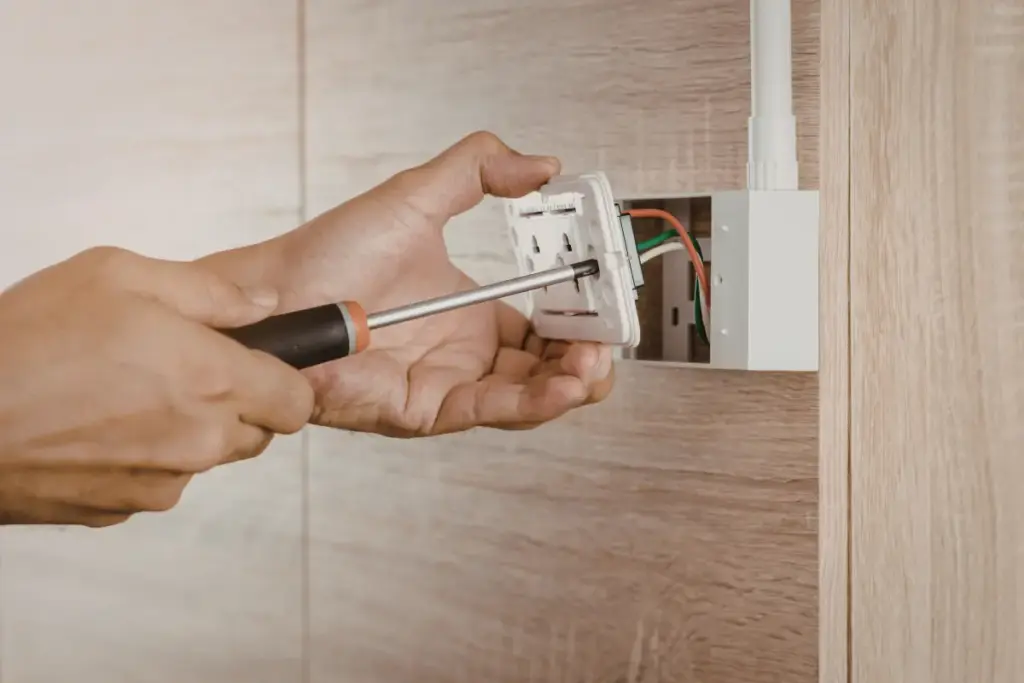
Can a Domestic Installer Do an EICR for Compliance Purposes
Can a domestic installer effectively conduct an Electrical Installation Condition Report (EICR) to meet compliance requirements? The answer lies in the qualifications and competencies of the installer. Domestic installers, typically qualified for basic electrical work, may lack the thorough training needed for EICR assessments. Consequently, while they can perform the task, it is essential to confirm they possess the necessary skills and certifications.
| Qualifications | Compliance Impact |
| Part P Certification | Generally acceptable |
| City & Guilds Level 3 | Increase credibility |
| Previous EICR Experience | Increases reliability |
Ultimately, an EICR conducted by a domestic installer may fulfil compliance requirements if they meet essential standards and demonstrate adequate expertise. Property owners should verify the installer’s credentials to confirm the report’s validity and acceptability.
The One Check That Decides If an EICR Holds Up Legally
The legal validity of an Electrical Installation Condition Report (EICR) hinges primarily on whether it has been conducted by a qualified individual who adheres to established standards. The key check that determines its legitimacy is the qualifications of the person performing the inspection. Only those who hold relevant certifications, such as NICEIC or equivalent, can produce an EICR that is legally valid.
Furthermore, the report must comply with the requirements of the IET Wiring Regulations (BS 7671). If the report is completed by an unqualified individual, it risks being disregarded in legal scenarios, possibly leading to liability issues. Additionally, the adherence to proper procedures and the thoroughness of the inspection are critical. To summarise, ensuring that the EICR is completed by a certified professional is the definitive check that guarantees its legal standing and acceptance in any formal context.
Frequently Asked Questions
What Qualifications Are Required to Perform an EICR?
To perform an Electrical Installation Condition Report (EICR), an individual typically needs relevant qualifications, such as City & Guilds 2391 or equivalent, along with experience in electrical testing and inspection to ensure compliance with regulations.
How Often Should an EICR Be Conducted?
An Electrical Installation Condition Report (EICR) should typically be conducted every three to five years, or sooner if there are changes in occupancy, significant alterations, or concerns about electrical safety, to ensure ongoing compliance and safety.
Can a Homeowner Request an EICR From Any Electrician?
A homeowner can request an Electrical Installation Condition Report (EICR) from any qualified electrician. It is essential, however, to guarantee the electrician holds the necessary certifications and experience to conduct the assessment accurately and safely.
What Are the Consequences of Using an Unqualified Installer for an EICR?
Employing an unqualified installer for an EICR can result in inaccurate assessments, safety danger, possible legal issues, and insurance complications. Proper qualifications guarantee compliance with regulations, protecting property and occupants from electrical risks.
Is There a Difference Between an EICR and a Periodic Inspection?
An Electrical Installation Condition Report (EICR) assesses the safety and condition of electrical installations, while a periodic inspection focuses on routine checks. Both serve different purposes, but an EICR is more thorough in evaluating overall safety.
Conclusion
In summary, while a domestic installer can technically perform an Electrical Installation Condition Report (EICR), the risk of rejection increases if they lack the proper qualifications and registration with recognised schemes. Property owners must prioritise verifying their installers’ credentials to ensure compliance and safety. Understanding the distinction between registration and competence is essential, as it directly affects the validity of the EICR and helps protect against legal complications arising from improper assessments.