


A question many property owners ask is, Does a plastic consumer unit fail an EICR? The answer isn’t always straightforward, as it depends on the unit’s condition, installation quality, and compliance with current safety standards. Plastic consumer units were once common across UK homes and businesses, but updated regulations now favour metal enclosures for improved fire resistance. This guide explains how EICR testing applies to plastic consumer units and what landlords, homeowners, and businesses need to know to stay compliant and safe.
Key Takeaways
- Plastic consumer units do not automatically fail EICR but must meet current safety standards.
- Amendment 3 (2015) favours metal units for enhanced fire safety compliance.
- Proper installation and maintenance of plastic units are critical for passing EICR.
- Upgrading to metal consumer units is recommended for better compliance and safety.
- EICR assesses the condition, compliance, and installation quality of consumer units, regardless of material.
What Is an EICR and Why Is It Essential for Electrical Safety
An Electrical Installation Condition Report (EICR) is a formal document generated after a thorough inspection and testing of the electrical installations within a building. This report assesses the safety of these installations.
After an EICR inspection, the report identifies defects or deviations from current standards and provides a basis for necessary corrective actions to maintain a hazard-free environment. It helps property owners comply with legal obligations while confirming the electrical infrastructure is reliable and up to code.
Regular updates through EICRs are essential as they not only guarantee ongoing compliance with evolving safety standards but also empower property owners with the knowledge and authority to make informed decisions about their electrical systems. Learn more about what the EICR report will show.
What Are Plastic Consumer Units? Common Use and Features
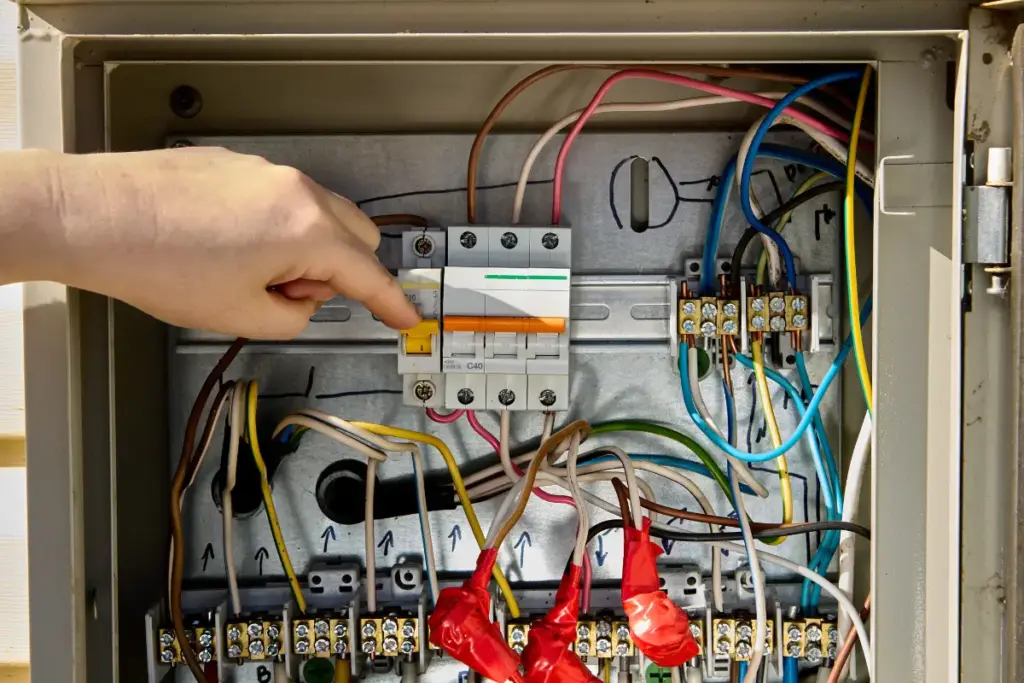
While discussing “does a plastic consumer unit fail an EICR”, it is also essential to examine the components of electrical installations, such as consumer units. These units, commonly found in both residential and commercial properties, play a crucial role in managing and distributing electricity throughout a building. Constructed from high-grade plastic, these consumer units house the circuit breakers, fuses, and RCDs (Residual Current Devices) that protect electrical circuits from overload, short circuits, and earth faults.
Plastic consumer units are popular because they are affordable and easy to install. Their lightweight design makes them easy to handle and fit, which helps with quick installations. However, property owners should know that while plastic units meet basic safety requirements, they do not offer the same fire resistance as modern metal consumer units.
The design typically includes multiple outgoing circuits, each protected by its own circuit breaker, easily accessible for maintenance or emergency shutoff. This setup not only promotes safety but also allows modifying or extending electrical systems as needed without significant disruption.
The Change In Regulations: Plastic vs Metal Consumer Units
Significant changes in electrical safety regulations came into effect with the 2015 Amendment 3 to BS 7671, mandating the use of metal consumer units in place of plastic ones in most installations. This shift was driven primarily by concerns over fire safety. Plastic units, while cost-effective and widely used, were found to pose a higher fire risk if electrical faults occurred. Metal consumer units, on the other hand, provide a higher level of protection against fire spread, as they are better at containing any flames that might arise from electrical faults.
The table below highlights key differences and considerations between plastic and metal consumer units:
| Feature | Plastic Consumer Units | Metal Consumer Units |
| Fire Resistance | Lower | Higher |
| Cost | Generally less | Generally more |
| Installation Prevalence | Common before 2015 | Standard post-2015 |
| Regulation Compliance | Varies | Meets Amendment 3 |
| Recommended Use | Limited | Broadly recommended |
Understanding this regulatory update empowers homeowners, landlords, and businesses to make informed decisions about their electrical installations, ensuring safety and compliance with current standards. While the freedom to choose between solutions remains, the emphasis on safety is clear, favouring metal units in new installations and in significant refurbishments. Concluding this, upgrading consumer units helps meet current safety standards.
Do Plastic Consumer Units Automatically Fail an EICR?
The presence of a plastic consumer unit in a property does not automatically mean the Electrical Installation Condition Report (EICR) will fail. While the shift to metal consumer units in 2015 aimed to enhance fire safety, existing installations with plastic units can still pass if they meet current safety standards and are in good condition.
Key considerations include:
- Condition: Is the plastic unit free from damage? A unit without cracks, deformation, or signs of thermal damage is more likely to pass.
- Compliance: Has the unit been modified or updated to comply with the latest safety standards? Strategic upgrades or retrofitting can extend the usable life of a plastic unit.
- Installation Quality: Was the unit installed by a certified professional? Proper installation guarantees that even older units operate safely within their design specifications.
- Surrounding Environment: Is the unit located in a low-risk area? Units in well-ventilated, low-humidity, temperature-controlled environments pose less risk.
Maintaining your property’s existing infrastructure can balance freedom with safety through diligent maintenance and adherence to regulations, offering both peace of mind and cost-effectiveness.
How Electricians Assess Consumer Units During an EICR
Understanding the process by which electricians evaluate consumer units during an Electrical Installation Condition Report (EICR) is fundamental to guaranteeing ongoing electrical safety. The examination begins with a visual inspection, during which the electrician checks for any obvious signs of damage, wear, or noncompliance with current electrical standards. This includes evaluating the condition of the unit’s casing, the unit’s security, and the integrity of its seals and locks.
Following the visual evaluation, the electrician conducts more detailed tests. These include earth-fault loop impedance testing to ensure that, in the event of a fault, the system can safely direct the fault current to ground. Insulation resistance testing is also performed to assess the quality of insulation around conductors and to prevent potential electric shocks.
Each component within the consumer unit is individually tested for functionality. Circuit breakers and RCDs (Residual Current Devices) are tested to verify they respond appropriately under fault conditions, ensuring they disconnect power quickly enough to mitigate the risk of electric shock or fire.
The results of these evaluations are then documented, with the consumer unit receiving a condition rating indicating whether urgent repairs are needed or whether it meets safety standards. This systematic approach empowers property owners with the knowledge to maintain a safe electrical environment.
EICR Implications for Landlords and Property Managers
Most landlords and property managers are now mandated by the Electrical Safety Standards in the Private Rented Sector (England) Regulations 2020 to confirm that all electrical installations in their residential properties are inspected and tested by a qualified person at intervals of no more than five years. This requirement is not only a statutory duty but also an essential measure to guarantee the safety and integrity of electrical systems, thereby providing peace of mind to both landlords and tenants.
Emotional Points to Reflect On:
- Security: Confirming that your properties comply with these regulations means providing a safe living environment for your tenants. This not only protects them from potential hazards but also secures your investment against the risks of electrical fires or failures.
- Trust: Regular, documented checks communicate reliability and responsibility to tenants, enhancing your reputation as a conscientious landlord who prioritises tenant welfare.
- Freedom: Staying ahead of mandatory inspections grants you the freedom to manage your properties on your terms, without the constraints of unexpected regulatory interventions.
- Peace of Mind: Compliance brings a sense of certainty and ease, knowing that you are upholding your legal responsibilities and safeguarding your property and its occupants.
EICR and Consumer Unit Rules for Businesses and Commercial Buildings
While the regulations governing electrical safety for residential landlords are well established, businesses operating in commercial settings, such as offices, shops, and industrial premises, are also subject to requirements. These guidelines ensure that every aspect of a business’s electrical system, including consumer units, complies with national safety standards, particularly the Electricity at Work Regulations 1989. For commercial entities, the responsibility to maintain electrical integrity is not just a legal obligation but a critical component of operational continuity and workplace safety.
Commercial EICR is mandated. It must be conducted at intervals recommended by a qualified electrician, typically every five years or earlier, depending on conditions. These inspections assess the condition of the electrical systems and identify any necessary modifications or repairs to meet current standards. Unlike in residential settings, where specific guidelines may allow greater flexibility, commercial environments often involve greater risks due to complex machinery and higher load demands, making compliance a top priority.
Business owners must verify that their consumer units are up to date and capable of handling the electrical demands of modern commercial equipment. Failure to comply not only risks penalties but could also significantly disrupt business operations, emphasising the importance of proactive electrical safety management.
EICR Codes: What They Mean
When conducting an Electrical Installation Condition Report (EICR), various codes are assigned to denote the condition of the electrical installation, including the status of consumer units. These EICR codes are critical for ensuring your electrical systems are not only efficient but also safe, offering peace of mind and the freedom to operate your property without looming safety concerns.
- Code C1 – ‘Danger Present’: This indicates an immediate threat to safety, requiring urgent attention. It evokes a sense of urgency and responsibility, ensuring swift action to protect lives.
- Code C2 – ‘Potentially Dangerous’: This code suggests that while not immediately hazardous, there is a potential risk that could escalate. It promotes a proactive approach, empowering you to address issues before they worsen.
- Code C3 – ‘Improvement Recommended’: Although this code does not imply immediate danger, it identifies opportunities for enhancements. It encourages ongoing improvement and adaptation, ensuring your installation meets evolving safety standards.
- FI – ‘Further Investigation Required’: Sometimes, an issue cannot be fully assessed during the inspection. This code highlights the importance of freedom in seeking additional expertise to ensure a thorough and accurate assessment.
Understanding these codes liberates you to make informed decisions regarding the safety and efficiency of your property’s electrical systems.
Book an EICR Inspection with the Landlord Safety Certificate
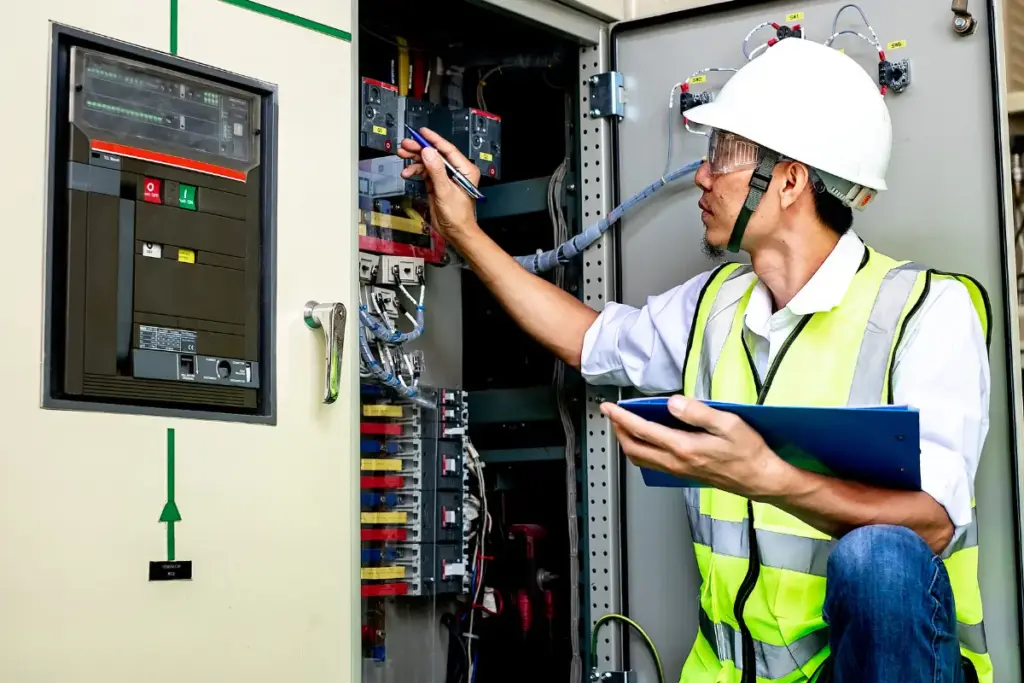
Booking an Electrical Installation Condition Report (EICR) with Landlord Safety Certificate is an important step in checking whether your electrical system meets current safety standards. During the inspection, our qualified electricians carefully assess your consumer unit, wiring, sockets, and other fixed installations to ensure everything is safe and compliant. A common question we receive is whether a plastic consumer unit will pass or fail an EICR. The outcome largely depends on factors such as its overall condition, how well it was installed, and whether it still meets current fire safety and wiring standards.
At Landlord Safety Certificate, we specialise in identifying whether your existing plastic consumer unit meets EICR requirements or needs upgrading to a modern metal unit. Our inspections help you stay compliant while protecting your tenants, property, and business from electrical risks. Once the EICR is complete, we provide a detailed report highlighting any issues and clear guidance on how to maintain electrical safety and compliance across your property.
Frequently Asked Questions
How Much Does Replacing a Plastic Consumer Unit Cost?
Replacing a plastic consumer unit typically costs between £149.99, depending on the system’s complexity and specifications, local labour rates, and any additional safety features required.
Can I Upgrade My Plastic Unit to a Metal One Myself?
Upgrading a plastic consumer unit to a metal one yourself is possible, but not recommended. It requires technical knowledge and adherence to safety standards. Professional installation guarantees compliance with electrical regulations and assures safety.
Are There Insurance Benefits to Having a Metal Consumer Unit?
Upgrading to a metal consumer unit can lower insurance premiums by enhancing fire safety. It’s advisable to consult your insurance provider for details on the specific benefits under your policy.
What Are the Signs of Wear in Plastic Consumer Units?
Signs of wear in plastic consumer units include discolouration, warping, and cracking. Frequent tripping and melted components can also indicate degradation, potentially compromising safety and requiring timely assessment to guarantee ongoing electrical integrity.
How Often Should Consumer Units Be Replaced?
Consumer units should be replaced based on their condition and compliance with current regulations, typically evaluated during periodic electrical inspections, which are generally recommended every 10 years, or when significant faults or upgrades are necessary.
Conclusion
In summary, answering the question “Does a plastic consumer unit fail an EICR?”Plastic consumer units do not automatically fail an EICR; their efficiency must comply with the latest safety regulations. Regular inspections are essential for identifying potential hazards and ensuring electrical safety. Switching to metal consumer units enhances fire safety compliance, aligns with current standards, and significantly mitigates risk, thereby safeguarding both occupants and property investments in residential and commercial settings.