


In 2026, the cost of an electrical installation condition report typically ranges from £120 to £350 for an average UK home, with larger or complex properties sometimes reaching £400 to £800. Flats are often cheaper than houses, and prices rise with more circuits, older wiring, or difficult access to consumer units and rooms. The inspection tests fixed wiring circuit by circuit and can take from a couple of hours to a full day. Next comes how quotes, rules, and remedies affect the total cost of electrical installation condition report.
Key Takeaways
- Typical 2026 EICR costs range from £120 to £350 for average homes, with larger or complex properties often costing £400–£800+.
- Flats usually cost less than houses; one-bed flats £120–£200, two-bed £150–£250, while small terraced houses often cost £180–£300.
- Pricing rises with more circuits, older wiring, and difficult access, because inspections take longer and require more documentation.
- The electrician tests fixed wiring circuit-by-circuit; small properties take a couple of hours, while larger installations may take a full day.
- If the report is unsatisfactory, expect extra costs for remedial work, retesting, and certification, so request an itemised quote with clear inclusions.
How Much Does an EICR Cost in 2026?
In 2026, EICR costs typically range from around £120 to £350 for an average home, with larger properties and complex installations often reaching £400–£800 or more. Pricing varies by region, the availability of electricians, and whether the property is a flat, terrace, or multi-storey house. London and the South East often sit at the higher end, while some areas in the Midlands and North can be cheaper.
Cost is also shaped by consumer choice: a fixed-price quote can protect budgets, while hourly charging may suit small, straightforward systems. Landlords with multiple units may secure per-property discounts, whereas homes with older wiring, extensive outbuildings, or unusual layouts can attract higher fees. Same-week bookings, evening visits, and urgent turnaround usually add a premium. To preserve flexibility, many homeowners compare written quotes, verify registration, and confirm what paperwork is included.
What an EICR Includes (and How Long It Takes)
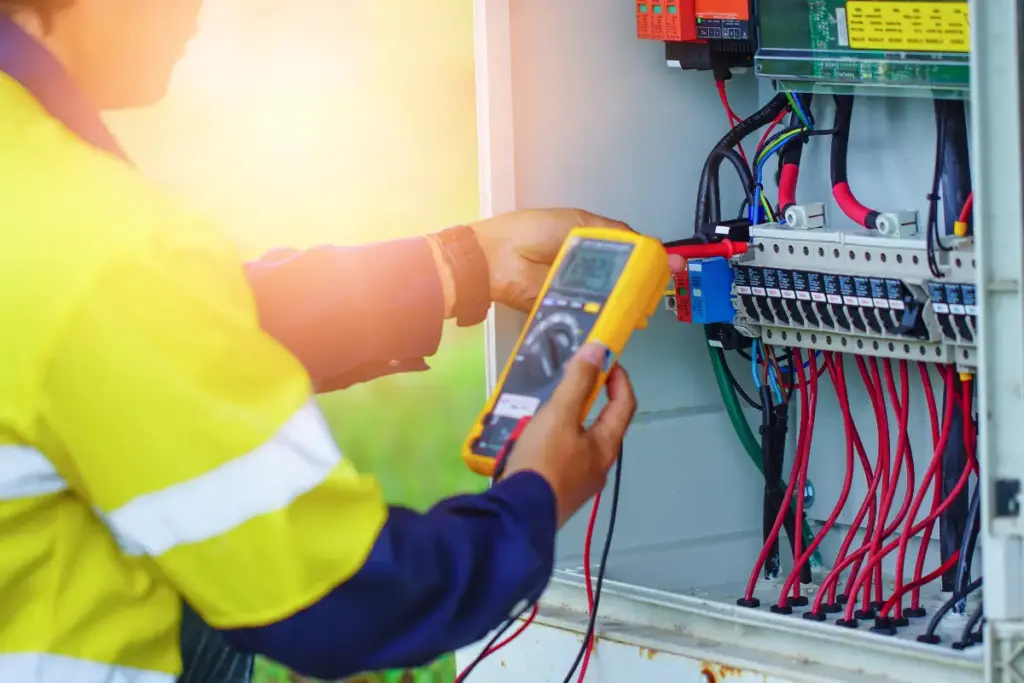
How exactly is an EICR carried out, and what should a homeowner or landlord expect on the day of the inspection? A qualified electrician inspects the fixed wiring and accessories, then runs a set of standard tests to confirm the installation is safe to use and free from hidden faults that could limit independence or peace of mind. The visit usually begins at the consumer unit, where protective devices, earthing and bonding are checked, along with signs of overheating.
Next comes a circuit-by-circuit assessment: sockets, switches, lighting points, and any permanently wired equipment. Testing may include continuity, insulation resistance, polarity, and RCD trip times. Power may be briefly isolated for safe testing, so occupants should plan for short interruptions. Time on site depends on access, the number of circuits, and whether previous alterations are clearly labelled. A small, straightforward installation can take a couple of hours; larger or heavily modified systems may take most of a day. A written report follows, with coded findings and clear remedial priorities. Know about the EICR report by visiting our blog What will the EICR report show?
How Much Is an EICR for a Flat vs a House?
Typically, an EICR for a flat costs less than for a house because flats tend to have fewer circuits, shorter cable runs, and simpler earthing and bonding arrangements. In many areas, a one-bedroom flat typically costs around £120–£200, while a two-bedroom flat may be closer to £150–£250, depending on location and access.
Houses usually cost more because they have more rooms, outbuildings, and a wider range of installation ages, which increases inspection time. A small terraced house might be £180–£300, while a three- to four-bedroom semi or detached home can be £250–£450+.
Older properties, consumer unit location, and the need for safe isolation can push quotes upward. For those who value independence and certainty, it helps to request a fixed-price quote that states what is included, whether the report is digital, and how soon the certificate will be issued after testing.
Do More Circuits Make an EICR Cost More?
Circuit count is one of the main reasons EICR quotes vary even between properties of similar size, because each circuit must be identified, safely isolated where necessary, and tested with results recorded. More circuits typically mean more time on-site, more measurements, and more documentation, which pushes labour costs up, affecting the cost of electrical installation condition report.
A consumer unit feeding separate circuits for sockets, lighting, cooker, shower, outbuildings, EV charging, or solar equipment will generally take longer to inspect than a simpler setup in which loads share fewer paths. Extra circuits can also increase access requirements, as the electrician may need to trace each circuit and confirm that protective devices match the connected load. For clients who value control over their time and budget, providing accurate circuit schedules, clear labelling, and access to all areas can keep the process efficient and reduce avoidable hours on the quote.
Does Old Wiring Increase Your EICR Price?
Although age alone is not a fault, older wiring often increases the cost of electrical installation condition report because it tends to require slower, more cautious inspection and additional testing to confirm safety and compliance with current standards. Installations using ageing rubber, lead-sheathed, or early PVC cables can show heat damage, brittle insulation, or undersized conductors, prompting more investigative checks and clearer reporting.
Where earthing and bonding predate modern practice, inspectors must verify fault protection carefully to preserve occupants’ freedom to use power without hidden risk. More time on site and more measured verification typically translate into a higher fee.
| Older feature | Why can it raise costs? |
| Rubber/cloth insulation | Fragile; needs gentler testing |
| Aluminium conductors | Extra checks for terminations/overheating |
| Mixed wiring generations | Longer tracing and identification |
| Legacy consumer units | More verification of protection devices |
What Access Issues Can Raise the EICR Cost?
Even when the installation itself is straightforward, poor access can increase the EICR price because the electrician needs more time to safely reach, isolate, and test the equipment. Any obstruction that limits independent movement around the home slows inspection, raises labour time, and may require return visits once areas are cleared. Common access problems that increase cost include:
- Consumer units hidden in cupboards, behind shelving, or boxed in with no safe working space
- Locked rooms, lofts, garages, or outbuildings where circuits originate or terminate
- Fixed furniture, appliances, or stored items blocking sockets, switches, or bonding points
- Height or confined-space constraints, needing ladders, crawling boards, or extra safety controls
If power isolation points are hard to reach, testing must be staged carefully to avoid disruption and risk. Clear routes, available keys, and moved belongings give the occupier more choice over timing and reduce avoidable charges.
Landlord EICR Cost: Rules and Renewal Cycles
Compliance is the starting point for landlord EICR cost, because legal rules set out when inspections must be carried out and how often they must be renewed. In England, most private rented homes require an EICR at least every five years, or sooner if the report specifies a shorter interval.
A new tenancy does not automatically reset the five-year clock, but landlords must guarantee a valid report is in place for incoming tenants and be ready to supply it on request. Renewal cycles shape budgeting and choice. A longer recommended interval can reduce repeat fees, while complex or older installations often justify earlier rechecks.
Costs also vary with property size, number of circuits, and region, so landlords gain flexibility by obtaining itemised quotes and booking inspections outside peak periods. Keeping clear records of previous reports and inspection dates helps avoid rushed bookings, enforcement pressure, and unnecessary repeat visits.
If an EICR Fails, What Costs Come Next?
When an EICR returns an “unsatisfactory” outcome, where do the extra costs usually arise? They typically follow the EICR coded observations (C1, C2, FI) that must be put right before the installation can be declared safe. The main expense is remedial labour and parts, with access time and disruption often adding more than expected. Common post-fail cost drivers include: 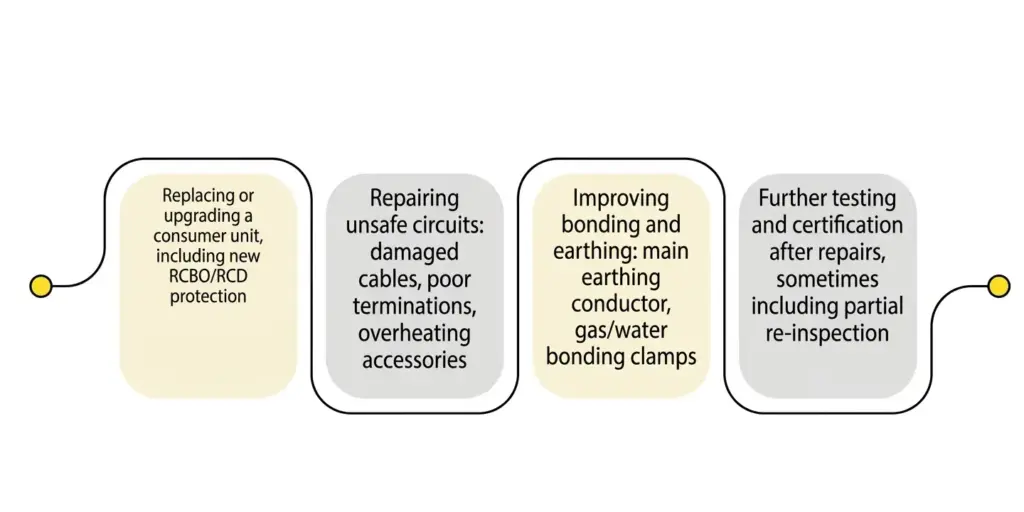 If urgent C1 hazards are found, immediate isolation or temporary making safe may be required, bringing rapid call-out costs. Where defects sit behind fixed furnishings or within the fabric of the building, making access can become the hidden bill.
How to Compare EICR Quotes (and Avoid Add-Ons)
Although two EICR quotes may look comparable on price, the scope and assumptions behind them often differ. So a proper comparison starts with checking exactly what is included property size and board count, the number of circuits to be tested, whether access limitations are noted, and whether the fee covers the full report paperwork, circuit schedules, and any return visit for retesting or minor remedials.
Next, the customer should demand itemised pricing and clear exclusions: replacement consumer units, bonding upgrades, smoke alarms, labelling, and any “urgent” call-out fee. Quotes should state the testing standard, expected duration, and whether the electrician is registered and insured. To avoid being boxed in later, it helps to confirm hourly rates for additional work and the trigger points for extra charges (locked rooms, lofts, outbuildings, or old wiring requiring dismantling). A transparent quote preserves choice, prevents surprise invoices, and keeps control with the property owner.
Frequently Asked Questions
Who Is Legally Qualified to Carry Out an EICR Inspection?
Legally, an EICR must be completed by a competent, qualified electrician, typically registered with an approved scheme, and trained in inspection and testing. Landlords must choose someone independent, properly insured, and able to certify compliance.Visit our blog How to choose a qualified electrician?
Will the Power Be Turned Off During the EICR Testing?
Power may be turned off briefly during EICR testing, especially for circuit isolation and safety checks, though inspectors aim to minimise disruption. Advance notice is usually given, allowing occupants to plan freely around short interruptions.
Can I Stay in the Property While the EICR Is Completed?
Yes, occupants can usually stay during an EICR. They may choose to move freely between rooms while circuits are tested. Brief interruptions to lighting or sockets can occur, so sensitive equipment should be managed.
How Soon Will I Receive the EICR Certificate After Inspection?
Most clients receive the EICR certificate within 24–72 hours after inspection, though complex sites or remedial notes can extend it to a week. They can request a firm timeline upfront to stay in control.
What Documents Should I Provide to the Electrician Before the EICR?
They should provide previous EICR reports, installation certificates, recent invoices for electrical work, circuit schedules, user manuals for fixed equipment, landlord/tenant access details, and any known faults. This allows the electrician to inspect more freely, faster, and more accurately.
Conclusion
The cost of electrical installation condition report in 2026 will vary by property type, circuit count, wiring age, and site access. Flats are often cheaper than larger houses, while older installations and restricted access can increase time and price. Landlords should factor in legal testing intervals and renewal dates. If the report returns unsatisfactory, remedial works and a re-test may be required. Comparing quotes carefully helps avoid unexpected add-ons and inflated call-out fees