


Reasons for an EICR: An Electrical Installation Condition Report (EICR) identifies worn, damaged or incorrectly installed components and records defects with severity ratings to reduce fire and shock risks. It combines visual checks, electrical tests and sometimes thermal imaging to find hidden deterioration, poor earthing, high-resistance connections and overloaded circuits. Landlords, employers and property sellers use it for legal compliance, insurance and buyer confidence. Urgent items demand immediate action, while others guide maintenance; the following sections explain this in more detail.
Key Takeaways
- Detect hidden electrical faults (worn insulation, poor connections, overheating) before they cause fires or shocks.
- Verify earthing, bonding, and insulation to ensure circuits meet safety standards and reduce risk.
- Provide documented proof of compliance for landlords, employers, insurers, and mortgage processes.
- Prioritise defects with C1/C2 classifications so urgent hazards are repaired promptly.
- Support budgeting, record-keeping, and maintenance planning with clear recommendations and test results.
Why an EICR Reduces Fire and Shock Risks
Inspecting electrical installations through an EICR identifies worn, damaged, or incorrectly installed components that could cause overheating, arcing, or exposed live parts primary causes of fires and electric shocks.
The report systematically records defects, rates their severity, and prescribes remedial actions, enabling owners to prioritise urgent repairs that remove immediate hazards. By verifying earthing, bonding, insulation resistance, and protective device operation, an EICR confirms that circuits will interrupt fault currents as designed, reducing thermal stress and the chance of sustained arcing. Regular testing also detects hidden deterioration, ageing cables, degraded connections, or moisture ingress before it manifests as an ignition source.
Clear documentation supports informed maintenance planning and legal compliance, improving overall safety culture. For landlords, businesses, and homeowners, this focused assessment translates into measurable risk reduction: fewer electrical faults, lower likelihood of fire initiation, and minimised exposure to electric shock. The process thereby protects property, occupants, and continuity of operations through targeted remediation. Here are the 5 Reasons an EICR is Worth Every Penny.
Do You Need an EICR Now? Timing and Triggers
When should an EICR be arranged? An EICR becomes necessary when factors indicate elevated electrical risk or regulatory need. Landlords must obtain one before granting new tenancies and at regular intervals thereafter; guidance commonly suggests every five years for private rented homes and more frequently for higher-risk properties. Occupiers should consider an EICR after significant alterations, such as extensions or major appliance upgrades, or when new circuits are installed. Visible signs of repeated tripping, burning smells, scorched sockets, or flickering lights also trigger an immediate inspection.
Reasons for an EICR: Commercial premises follow statutory schedules tied to use, occupancy changes, or insurer requirements. Emergency events, including flood damage or fire, warrant a prompt assessment before reoccupation. Even without clear symptoms, properties with aging wiring, previous unsatisfactory reports, or a history of DIY electrical work benefit from timely testing. Prioritising these triggers helps owners and managers plan inspections proactively, reducing disruption and ensuring compliance.
How an EICR Finds Hidden Wiring Faults and Deterioration
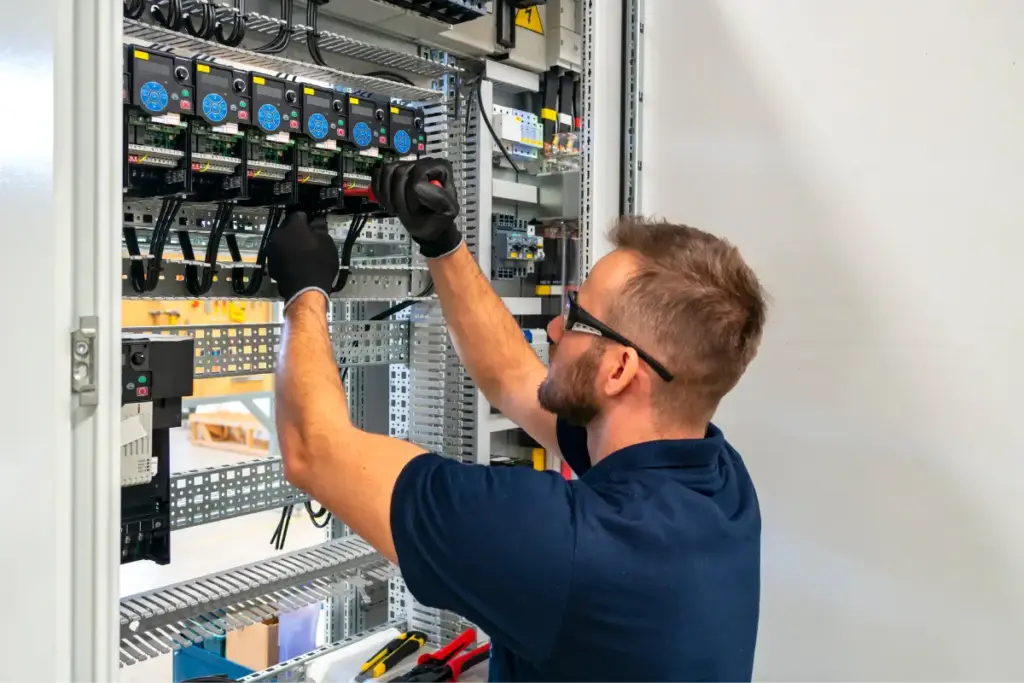
After identifying triggers for testing, attention turns to how an EICR uncovers hidden wiring faults and deterioration. The inspection combines visual examination, continuity and insulation resistance tests, and polarity and earth fault loop measurements to reveal problems not apparent to occupants. Visual checks expose overheating, mechanical damage, poorly supported cables and degraded insulation in accessible areas. Electrical tests quantify insulation breakdown, high-resistance connections and inadvertent earths that indicate concealed degradation. Functional testing of protective devices shows if circuits will trip under fault conditions, indirectly pointing to wiring weaknesses.
Where necessary, non-invasive tools such as thermal imaging highlight hotspots behind panels or in ceilings, guiding targeted investigation. Test results are compared against standards and age-related expectations to distinguish acceptable wear from progressive failure. By systematically mapping and testing circuits, an EICR converts observable and measured anomalies into actionable findings, enabling repairs or monitoring before faults escalate into outages or fire risks.
Reading an EICR: Key Findings and What They Mean
An EICR presents a concise summary of circuit conditions, categorised results and recommended actions that translate technical measurements into practical priorities. The report typically opens with an overall assessment, then lists individual circuits with codes C1 (danger present), C2 (potentially dangerous), C3 (improvement recommended) and FI (further investigation required). Each entry includes measured values (insulation resistance, earth continuity, polarity, RCD trip times) and clear notes on non-compliances. Recommended actions range from immediate disconnection and urgent repair for C1/C2 issues to planned upgrades for C3 items. Photographs, locations and dates help track defects. The FI designation flags ambiguous readings needing targeted testing before a definitive code is assigned. Readers should prioritise C1/C2 items for safety and treat C3 as part of maintenance planning. Understanding codes and test results enables informed decisions about repairs, scheduling and budgeting without needing deep technical expertise. Learn in detail the EICR codes and their meaning in report.
Landlords & Employers: EICR Legal and Regulatory Requirements
Although specific duties vary by jurisdiction, landlords and employers are commonly required by law to guarantee electrical installations are safe and periodically inspected, with EICRs serving as the primary documented proof of compliance. Authorities set inspection intervals, remedial action expectations, and record-keeping obligations; failure to comply can lead to fines, remediation orders, or liability for injury. The EICR provides objective evidence of condition, identifies required repairs, and timestamps compliance cycles, informing maintenance planning and legal defence.
| Duty holder | Typical requirement | Record expectation |
| Landlord | Periodic EICR for rented properties | Retain report, remediate defects |
| Employer | Verify workplace electrical safety | Keep reports, act on dangerous findings |
| Responsible person | Arrange competent inspection | Demonstrate compliance to inspectors |
Compliance practices include scheduling inspections before tenancy or after significant changes, prioritising dangerous observations, and keeping accessible documentation to satisfy regulators and reduce legal risk.
How an EICR Helps Insurance, Mortgages and Property Sales
When lenders, insurers and prospective buyers evaluate a property, a recent EICR functions as clear, dated evidence of electrical safety and maintenance standards, often influencing underwriting decisions, mortgage approvals and sale negotiations. A valid report demonstrates that installations meet accepted safety criteria, reducing perceived risk and potential insurance premiums. It can speed mortgage processing by providing verifiable documentation and can prevent last-minute renegotiation during conveyancing. For sellers, presenting an up-to-date EICR can increase buyer confidence and marketability; for buyers, it offers a factual basis for offer decisions and budgeting for any recommended remedial work.
- Confirms documented electrical condition to third parties
- Lowers perceived insurer risk, possibly affecting premiums
- Simplifies lender risk assessments during mortgage underwriting
- Reduces chances of sale delays or price reductions from safety concerns
- Provides an itemised basis for negotiating repairs or price adjustments
An EICR consequently operates as practical evidence in financial and transactional contexts, clarifying responsibilities and informing decisions.
Choosing an Electrician for Your EICR: Qualifications and Checks
Given the weight an EICR carries in lending, insurance and sales, selecting the right electrician to perform the inspection matters as much as obtaining the report itself. The reader is advised to verify registration with a recognised scheme, such as NICEIC or NAPIT, confirm relevant qualifications (City & Guilds 2391/2394 or equivalent), and check professional indemnity insurance. Experience with domestic or commercial installations should match the property type. Clear communication about inspection scope, timescales and a written quotation helps avoid misunderstandings. References and recent sample reports provide insight into thoroughness and clarity. Can a Domestic Installer Do an EICR or Will It Be Rejected
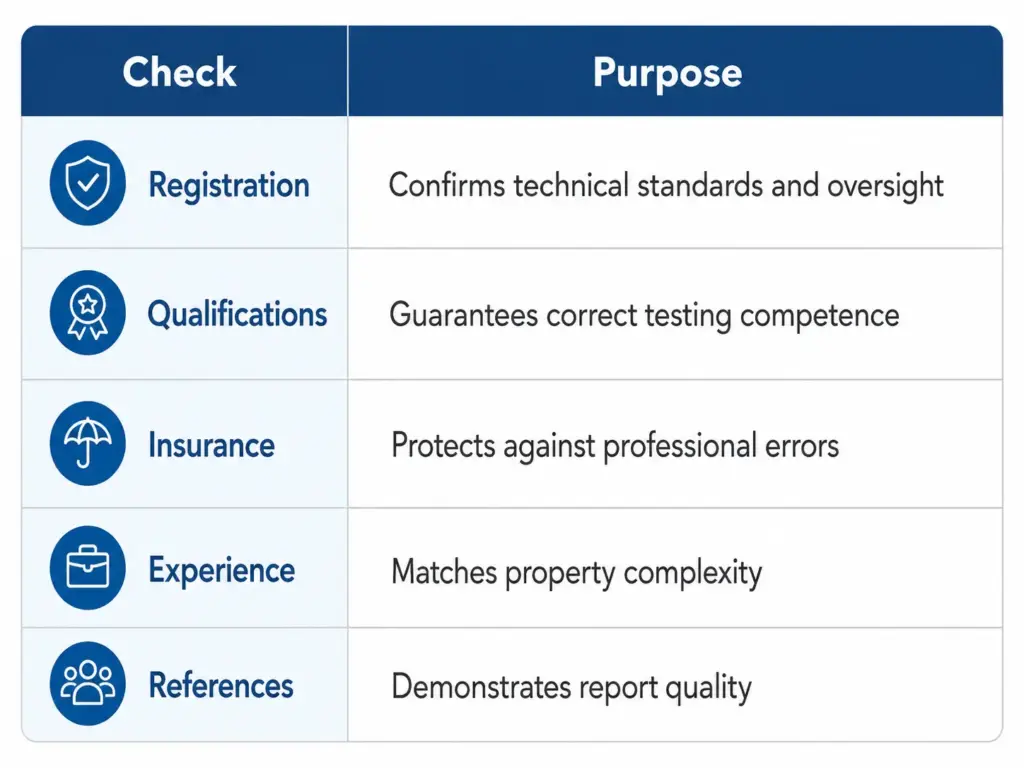
A concise vetting process reassures stakeholders that the EICR will be robust, defensible and useful for lending, insurance and sales decisions.
After the EICR: Prioritise Repairs, Costs and Record-Keeping
Prioritise defects from an EICR by categorising them according to risk and required timescale: immediate danger (e.g., exposed live conductors, C1) demands swift remedial action, significant potential hazard (C2) should be scheduled promptly, and observations or advisory notes can be programmed into routine maintenance. After the report, decisions focus on safety, cost and compliance. The property owner or manager evaluates the recommended remedial works, obtains quotes from a competent electrician, and schedules repairs in order of severity. Budgeting considers immediate safety needs first, then medium-term fixes and optional upgrades. Accurate records of actions taken, dates, invoices and the electrician’s identity support future inspections and legal compliance. Retaining photographic evidence and updated certification helps demonstrate due diligence. Clear communication between responsible persons and contractors reduces delays and misunderstandings. What Happens If an EICR Fails in the UK?
- Address C1 items without delay.
- Schedule C2 work within a documented timeframe
- Log all repairs and receipts
- Keep amended circuit diagrams and photos
- Review maintenance intervals after completion
Frequently Asked Questions
Can I Perform Parts of an EICR Myself to Save Money?
They should not perform core EICR tasks themselves; only simple visual checks and basic maintenance are appropriate. Qualified electricians are required for testing, certification and safety-critical inspections to guarantee compliance and avoid legal or safety risks.
How Long Is an EICR Report Valid Beyond Its Stated Expiry?
An EICR has no legal validity beyond its stated expiry; its findings remain informative, but after expiry the certificate should be treated as outdated, and a new inspection is recommended to guarantee compliance and safety.
Will an EICR Cover Electrical Appliances Plugged Into Sockets?
No; an EICR does not cover portable appliances plugged into sockets. It assesses fixed electrical installation safety only, though the inspector may note visible appliance defects. Portable appliance testing is a separate inspection and certification process.
Do Portable Appliance Tests (PAT) Replace the Need for an EICR?
No, portable appliance testing does not replace an EICR. PAT inspects individual appliances for safety; an EICR assesses the fixed electrical installation. Both complement each other to guarantee thorough electrical safety and compliance.
Can an EICR Be Done Remotely Using Photos or Video Inspection?
No, an EICR cannot be fully completed remotely; the inspector requires on-site access to test circuits, inspect consumer units and earthing, and perform live/insulation tests. Photos or video can only supplement, not replace, physical examination.
Conclusion
Reasons for an EICR: An Electrical Installation Condition Report (EICR) provides clear, practical assurance about safety and compliance, identifying hidden faults, wear, and non-compliant work that could cause fire or shock. Timely testing meets landlord, employer and insurer obligations, supports property transactions, and guides prioritised repairs and budgeting. Selecting a qualified electrician and keeping accurate records guarantees defects are addressed and documented, reducing liability and long-term costs while preserving occupant safety and regulatory peace of mind.