


An EICR is a structured, certified document detailing a property’s fixed electrical installation, the inspector’s credentials, and the inspection date, including contents and photographs for verification. It opens with client and property details, then a clear summary verdict (satisfactory, improvement required, potentially dangerous) and coded findings (C1, C2, C3, FI) listing locations, severity, and remedial actions with suggested timescales. Landlords get prioritised safety guidance and cost/time expectations, and further sections explain common faults and repair steps if they want to learn more.
Key Takeaways
- An EICR opens with property and inspector details, inspection date, contents list, and an executive summary verdict.
- It uses codes (C1, C2, C3, FI) to classify faults by urgency and required action.
- Each fault entry shows location, description, severity, photographic evidence, and recommended remedial action.
- The report prioritises safety, listing immediate dangers first and suggesting realistic repair timescales.
- Cost and repair-type guidance (socket fixes, unit swaps, partial/full rewires) supports landlord planning and tenant coordination.
What Is an EICR and Why Landlords Need One
An Electrical Installation Condition Report (EICR) is a formal assessment produced by a qualified electrician that records the condition of a property’s fixed electrical installations, identifying defects, deterioration, and non-compliant work. The EICR supplies landlords with an objective snapshot of safety and compliance, highlighting items that require immediate attention or planned maintenance. It documents circuit integrity, earthing, bonding, and protective devices, enabling informed decisions about repairs and upgrades.
For landlords who value autonomy over their portfolios, the report reduces uncertainty about liability, tenant safety, and regulatory exposure. Routine EICRs support proactive asset management, help prioritise investments, and can lower insurance and legal risks by demonstrating due diligence. Observation formats and coding guide clear action: dangerous, improvement recommended, or satisfactory. While the EICR does not replace ongoing inspections or tenant reporting, it provides the authoritative evidence landlords need to act confidently, schedule competent contractors, and maintain properties that meet statutory obligations and personal standards of stewardship. Here is the guide on Reasons for an EICR: Why Electrical Installation Condition Reports Matter.

EICR Report Layout: A Landlord’s Quick Tour
A clear EICR report is organised to guide landlords quickly from headline findings to actionable steps. The layout typically begins with identification: property details, inspector credentials and inspection date. Next comes a table of contents that lets readers jump to sections without wading through technical text. Visual evidence accompanies photographs and circuit labels, allowing landlords to verify locations at a glance. Test results and measurements are presented in concise tables, showing pass/fail statuses and relevant readings. Observations are itemised with unique codes and short explanations; each item links to the recommended action and estimated urgency.
Diagrams or schedules map circuits to rooms, aiding rapid decision-making about repairs or tenant communication. Appendices contain full test data, definitions, and legal references for those who choose a deeper review. The final pages summarise required remedial work, compliance deadlines and contact details for the inspector, enabling landlords to act efficiently and preserve independence in property management.
Reading the Summary and Overall Condition
Having scanned the report layout and how details are organised, the reader next turns to the summary and overall condition, which condenses the inspection into a clear verdict and priorities. This section gives a snapshot: whether the installation is satisfactory, potentially dangerous, or requires improvement, with concise rationale. It highlights immediate actions, timescales and any restrictions on use, enabling decisive choices about repairs or tenant safety. Key findings are prioritised—C1 (danger present), C2 (potentially dangerous), C3 (improvement recommended) and FI (further investigation) so the landlord can act without wading through technical detail. Observations on earthing, bonding, consumer units and exposed wiring are summarised alongside risk implications. The tone remains factual, empowering the reader to allocate resources or defer non-critical work. References to specific pages or photographs guide follow-up. Ultimately, this part of the report functions as a decision tool, delivering freedom to manage property risk efficiently and confidently.
Reading the Report Front Page and Client Details
The report front page and client details present the essential identifiers: property address, client name, inspection date, and the electrician or firm responsible, so the reader can immediately confirm the document’s relevance and validity. The section typically lists contact details, client reference numbers, and the unique report or certificate number, enabling quick cross-checks with booking records and tenancy files.
A clear front page also notes the scope of the inspection and any limitations or exclusions, allowing landlords to understand what was and wasn’t covered without wading into technical sections. Signatures, qualifications of the inspector, and accreditation logos furnish proof of competence and accountability. Where photos or diagrams appear, they serve as immediate visual confirmation of the inspected location.
Landlords who value autonomy appreciate concise, factual presentation here: it permits prompt decisions about record-keeping, tenant communication, or commissioning follow-up work without needing to interpret the full technical content.
EICR Codes: C1, C2, C3, and FI – Meaning and Urgency
EICR fault codes C1, C2, C3, and FI summarise defects by severity and required action, giving landlords an immediate, standardised indication of safety risk and urgency. C1 denotes danger present: an immediate risk requiring urgent remedial action or disconnection. C2 flags potentially dangerous situations that need prompt correction but may not require immediate isolation. C3 indicates improvement recommended where installations do not meet current standards but pose no immediate danger.
FI (further investigation) signals that the inspector could not determine safety without additional, often intrusive, checks; this must be resolved before a clear code can be assigned. Landlords benefit from treating C1 and FI with the highest priority, arranging swift professional intervention. C2 should be scheduled promptly to reduce liability and protect tenants. C3 items can be planned into maintenance cycles, balancing safety upgrades with cost and timing. Clear record-keeping guarantees compliance and freedom to manage properties proactively.
Common EICR Faults Landlords See (With Real Examples)
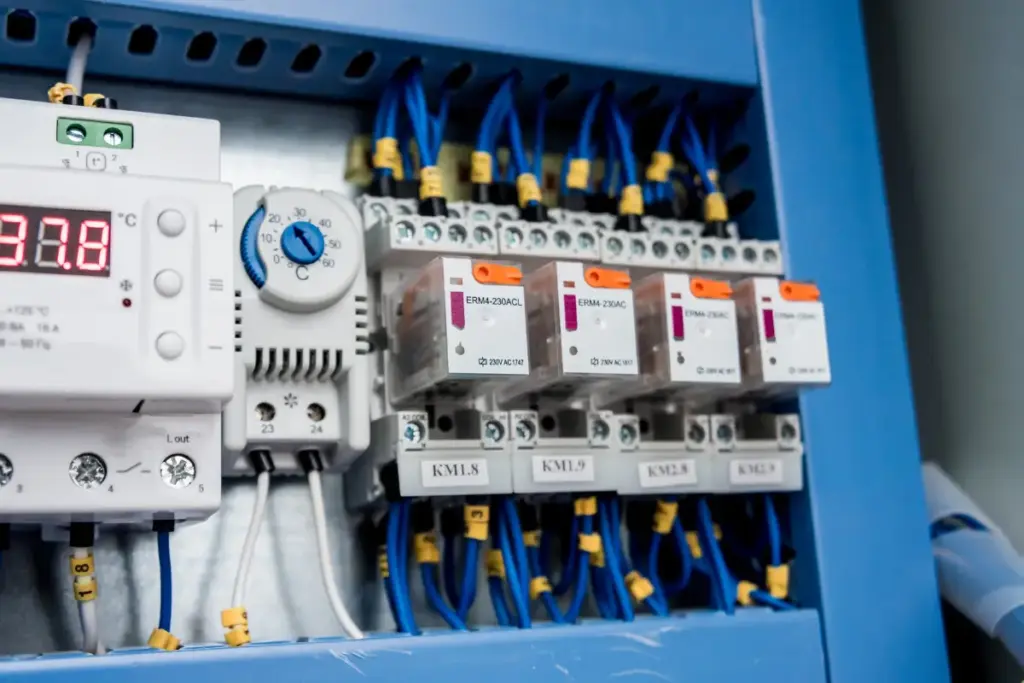
Many landlords encounter a predictable set of faults on electrical inspection condition reports, ranging from minor non-compliances to hazards requiring immediate attention. The report often lists clear examples: loose connections at sockets, outdated consumer units, and overloaded circuits. Each entry pairs a fault with its code and a brief description, enabling decisive, freedom-oriented choices about repairs and upgrades.
Common real-world findings include:
- Exposed wiring behind skirting causing abrasion risk and failing insulation tests.
- A consumer unit with no RCD protection for ring circuits, dated and non-compliant with current regs.
- Multiple high-load appliances on a single radial circuit leading to overheated junctions and marginal Earth loop impedance.
Entries typically note location, severity, and recommended remedial action timeframe. Landlords benefit from concise photos and test readings included in the EICR, which empower swift, informed decisions without unnecessary dependency on others.
What to Do Immediately If an EICR Flags Danger
Act quickly when an inspection report highlights a dangerous fault: isolate the affected circuits, inform occupants, and arrange urgent professional intervention. The landlord secures freedom by acting decisively: switch off identified isolators or trip breakers to remove immediate risk, post clear notices at fuseboards, and restrict access to hazardous areas. Tenants receive concise, calm communication explaining the hazard, the steps taken, and interim safety measures; this preserves trust and autonomy.
Next, a qualified electrician endorsed by a recognised body must be contacted for emergency attendance. The landlord documents all actions, times, and communications for legal protection and rental records. If there is an immediate danger to life or property, emergency services are called without delay. Insurance providers and relevant letting agents are notified as required. These steps prioritise safety while enabling swift return to normal occupancy, ensuring the landlord maintains control and tenants retain the freedom to live without undue risk. Get to know about Remedial Electrical Works for Landlords – UK Compliance Guide.
Typical Repair Timelines and Cost Expectations
After addressing immediate dangers, attention shifts to expected timelines and costs for repairs. The report typically categorises faults by urgency, guiding landlords toward swift action or scheduled work. Simple fixes replacing sockets, tightening connections often conclude within a day or two with modest costs, preserving autonomy over budgeting. More involved tasks rewiring circuits, installing new consumer units can take days to a week and require permits or certified electricians, so planning flexibility is essential. Major overhauls for older properties might span weeks, affecting tenancy arrangements and cash flow; freedom-minded landlords should build contingency reserves.
- A lone electrician replacing a socket under clear conditions: morning to afternoon, low cost.
- A partial rewire or consumer unit swap: several days, moderate expense, permit steps.
- Full rewire in an older building: one to three weeks, higher cost, tenant coordination.
Estimates vary by region, property age, and scope; comparing quotes preserves choice and control.
Frequently Asked Questions
How Long Does an EICR Remain Valid for Rental Properties?
An EICR typically remains valid for five years for rental properties, unless advised sooner due to observed deterioration, significant changes, or specific landlord-tenant agreements; tenants and landlords should respect autonomy while ensuring timely reinspection for safety.
Can Tenants Request a Copy of the EICR Report?
Yes; tenants can request a copy of the EICR, and landlords are encouraged to provide it promptly. The tenant’s right to see safety documentation supports transparency and informed autonomy within the rental relationship.
Who Is Qualified to Sign and Issue an EICR?
A qualified, competent person, typically a registered electrician or an engineer accredited by a recognised certification body, may sign and issue an EICR, exercising professional judgment while respecting occupants’ autonomy and landlords’ responsibility for safe electrical systems.
Are Portable Appliance Tests (PAT) Included in an EICR?
No, portable appliance tests (PAT) are not included in an EICR. The detached observer notes that EICRs assess fixed electrical installations; PATs inspect movable appliances separately, typically by trained personnel, safeguarding tenant autonomy and safety through distinct certification.
Will an EICR Affect My Home Insurance Premiums?
Yes; an EICR can influence premiums. Insurers may lower risk assessments if an EICR shows compliance, or raise premiums or refuse cover if it reveals hazards. The homeowner should notify their insurer and keep records.
Conclusion
To summarise, an EICR provides landlords with a clear, structured snapshot of electrical safety, highlighting priority codes and specific faults that need attention. By understanding the report layout, summary, client details and common issues, landlords can prioritise urgent remedial work, comply with regulations and protect tenants. Prompt action on C1/C2 and FI findings, realistic repair timelines and budgeting for typical costs guarantee continued safety and legal compliance, reducing liability and increasing tenant confidence.