



Class 1 and Class 2 appliances vary in safety features and design. Class 1 appliances require grounding, providing enhanced protection against electric shock. They are often heavier and suited for high-power applications. In contrast, Class 2 appliances utilise reinforced insulation, favoring portability and lower costs for low-power use. Understanding these distinctions is crucial for selecting the right appliance. More details on their respective benefits and best use scenarios await further exploration.
Key Takeaways
- Class 1 appliances require grounding, while Class 2 relies on reinforced insulation, enhancing safety without needing an earth connection.
- Class 1 devices are safer in moist environments due to their grounding mechanism, reducing electric shock risks.
- Class 2 appliances are lighter and more portable, appealing to users prioritizing convenience and mobility.
- Cost differences exist, with Class 1 generally being pricier for high-power uses, whereas Class 2 is suited for low-power applications.
- Identifying appliances is easy: Class 1 has a three-prong plug, while Class 2 features a two-prong plug with double insulation.
Class 1 Vs. Class 2 Appliances: Key Differences
When comparing Class 1 and Class 2 appliances, it becomes evident that their fundamental differences lie in construction and safety features. Class 1 appliances are designed with a connection to earth ground, ensuring that any fault current has a safe path to the ground. This grounding feature is essential for reducing the risk of electric shock, particularly in environments where users may be exposed to moisture. In contrast, Class 2 appliances operate without a ground connection, relying instead on reinforced insulation to prevent electrical shock. This makes them lighter and often more portable, appealing to those who value convenience. Additionally, Class 2 devices typically have a lower risk profile, which can be attractive for personal use. Ultimately, the choice between these classes hinges on the user’s need for safety versus mobility, reflecting a balance between security and freedom in appliance use.
Essential Safety Features of Class 1 Appliances
Class 1 appliances are equipped with several essential safety features that enhance user protection. These features are designed to mitigate risks associated with electrical hazards, ensuring a safer experience for the consumer.
- Grounding Mechanism: Provides a safe path for electrical faults, reducing shock risks.
- Insulation: High-quality insulation prevents unintended contact with live components, safeguarding users.
- Overcurrent Protection: Circuit breakers or fuses cut off power during excessive current flow, preventing overheating and fires.
- Robust Construction: Durable materials enhance resistance to wear and environmental factors, prolonging appliance life and safety.
These safety features collectively empower users to engage with Class 1 appliances confidently, knowing that their well-being is prioritised. By understanding these components, consumers can make informed choices, embracing the freedom that comes with safe electrical usage.
Why Grounding Is Essential for Class 1 Devices?
Grounding plays a pivotal role in the safety and functionality of Class 1 devices. These appliances incorporate a ground connection to ensure that any fault current is safely directed away from the user, reducing the risk of electric shock. This connection is crucial for devices that have conductive parts, offering an essential layer of protection.
| Aspect | Importance |
| Fault Protection | Directs fault current safely away |
| User Safety | Reduces risk of electric shock |
| Equipment Longevity | Minimises damage from electrical faults |
Understanding Reinforced Insulation in Class 2 Appliances
Reinforced insulation serves as a key safety feature in Class 2 appliances, ensuring that users remain protected from potential electrical hazards. This type of insulation is designed to provide an extra layer of safety, eliminating the need for grounding. Understanding reinforced insulation is crucial for appreciating its role in electrical safety. Key aspects include:
- Double Layer: Reinforced insulation incorporates two layers of insulating material, enhancing protection against electrical shock.
- Durability: The materials used are often more robust, offering resistance to wear and tear over time.
- User Safety: With no grounding required, users enjoy greater flexibility in placement without compromising safety.
- Design Versatility: This insulation allows for more compact and lightweight designs, catering to modern consumer demands.
Advantages of Class 2 Appliances Over Class 1
The safety features inherent in reinforced insulation make Class 2 appliances particularly advantageous compared to their Class 1 counterparts. One significant benefit is their reduced risk of electric shock. Without the need for a grounding connection, users enjoy greater flexibility in placement and usage. This freedom allows for optimal appliance use in various environments, including those where grounding may be impractical.
Additionally, Class 2 appliances are generally lighter and more portable, making them ideal for individuals seeking convenience. Their design often results in lower manufacturing costs, which can translate to savings for consumers.
Maintenance is also simplified; the absence of grounding requirements means fewer components to inspect. This ease of use and lower risk appeal to those who prioritise safety and practicality in their daily lives. Ultimately, Class 2 appliances offer a compelling choice for those valuing both usability and electrical safety.
Examples of Class 1 and Class 2 Appliances
Class 1 and Class 2 appliances serve distinct purposes, reflecting their differing safety standards. Class 1 appliances rely on basic insulation and require a ground connection for safety, making them essential for high-risk environments. Examples include:
- Power tools: Such as drills and saws that require grounding for user protection.
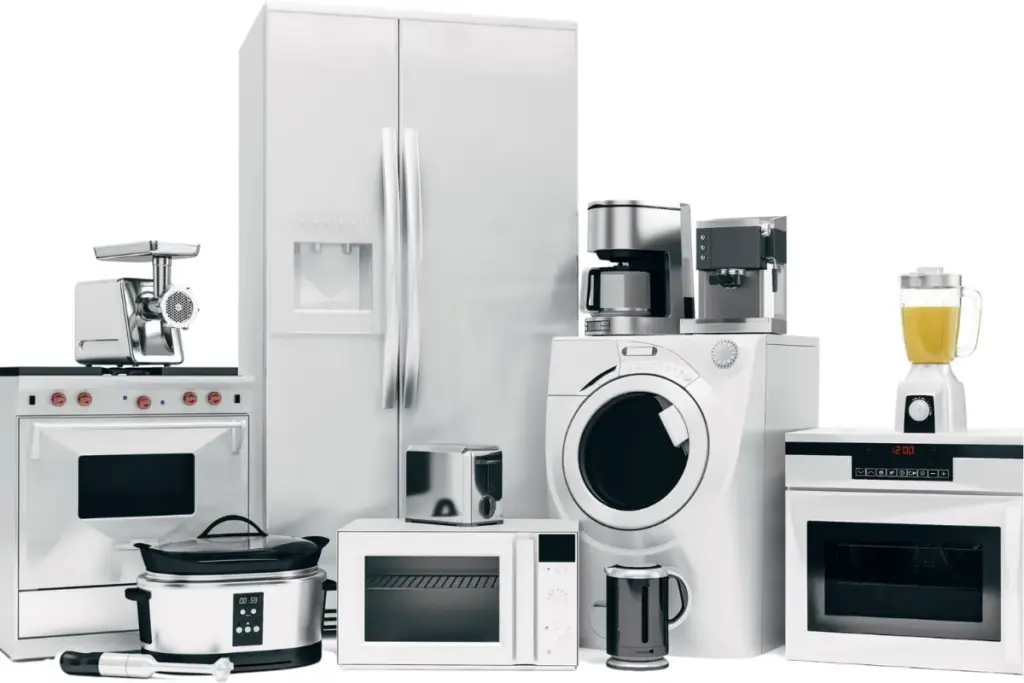
- Computers: Desktop models generally classified as Class 1 due to their metal casing.
- Kitchen appliances: Like toasters and microwaves that utilise grounding for safety.
- Heaters: Electric space heaters are typically Class 1 to prevent shock hazards.
Conversely, Class 2 appliances operate with enhanced insulation and do not require a ground connection, offering a different safety profile. Notable examples include:
- Mobile phone chargers: Lightweight and portable, without grounding needs.
- Hairdryers: Designed with double insulation for user safety.
- Laptops: Often categorised as Class 2 due to their design.
- Electric shavers: Featuring double insulation for added security.
How to Identify Class 1 and Class 2 Appliances
How can one easily distinguish between Class 1 and Class 2 appliances? The primary factor lies in their construction and design. Class 1 appliances incorporate a grounding mechanism, typically featuring a three-prong plug, which connects to the earth for safety. This design aims to protect users from electric shock by providing a path for fault currents. In contrast, Class 2 appliances lack this grounding feature. They often possess a two-prong plug and rely on double insulation to prevent electrical faults, ensuring user safety without the need for an earth connection.
Visual cues can also aid identification; Class 1 devices usually display a symbol indicating their grounding capability, while Class 2 devices often carry a symbol for double insulation. Understanding these distinctions empowers individuals to make informed choices regarding electrical safety, ultimately fostering a sense of freedom in using appliances confidently and responsibly.
Testing Requirements for Class 1 Vs. Class 2 Devices
What distinguishes the testing requirements for Class 1 and Class 2 devices? The fundamental difference lies in their grounding and insulation methods, which directly influence their safety evaluations. Class 1 devices require rigorous testing to ensure proper grounding and protection against electrical shock. In contrast, Class 2 devices rely on reinforced insulation, reducing the need for grounding.
Testing requirements include:
- Ground Continuity Testing: Ensures a reliable ground connection in Class 1 devices.
- Dielectric Strength Testing: Verifies that Class 2 devices can withstand high-voltage separations.
- Insulation Resistance Testing: Assesses the integrity of insulation in both device classes.
- Leakage Current Testing: Measures any unintended current flow, crucial for safety in both types.
These testing protocols not only aim to protect users but also empower them to choose appliances that align with their safety preferences and lifestyle.
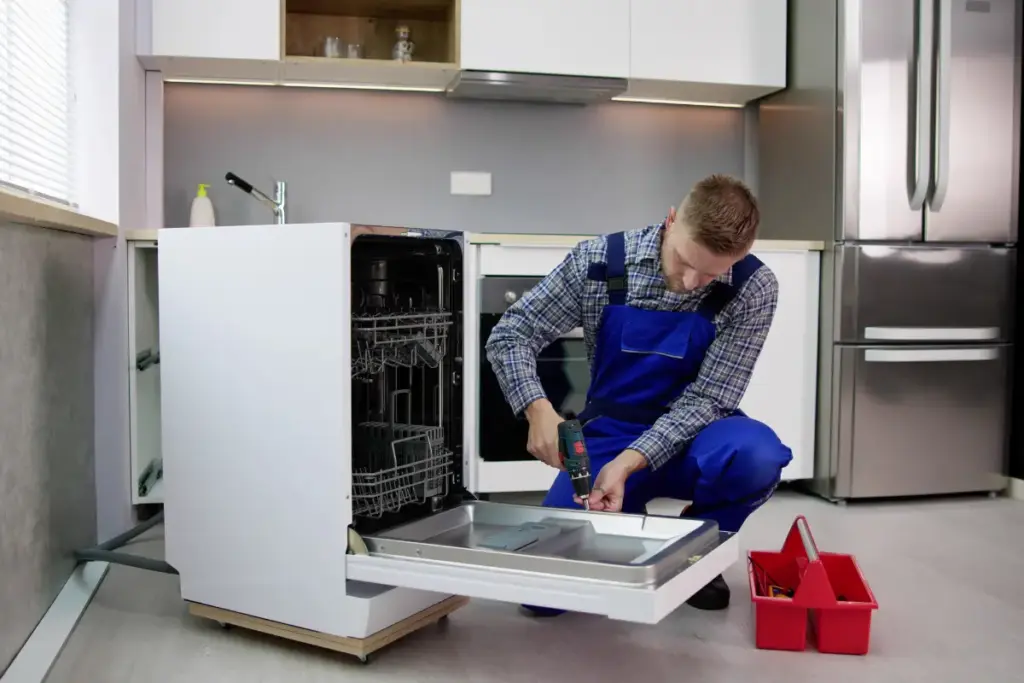
Choosing the Right Appliance: Class 1 or Class 2?
When deciding between Class 1 and Class 2 appliances, consumers often wonder which option best suits their needs and safety concerns. Class 1 appliances typically offer a grounding feature, enhancing safety for high-power devices. Conversely, Class 2 appliances, known for their double insulation, provide a lightweight alternative without the need for grounding.
To aid in this decision, the following table summarises key differences:
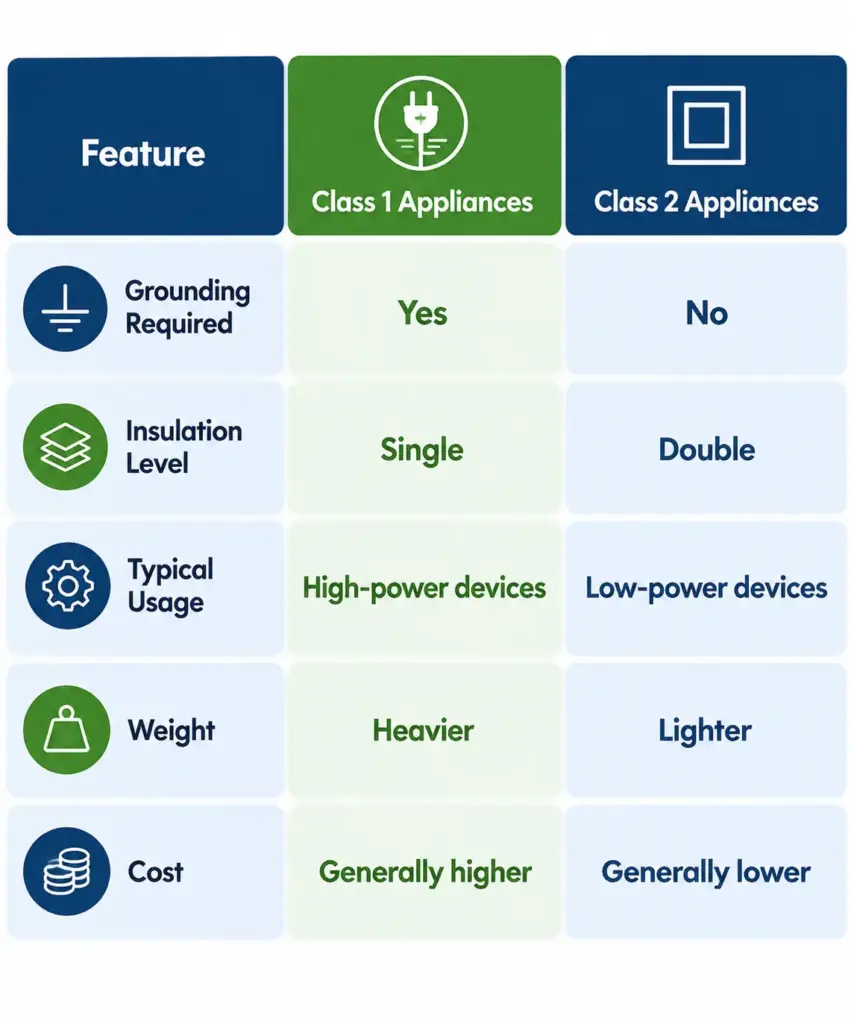
Ultimately, the choice depends on individual preferences and specific usage scenarios, allowing consumers to prioritise safety and convenience according to their lifestyle.
About Class 1 and Class 2 Appliances
Understanding the nuances between Class 1 and Class 2 appliances can raise several questions for consumers. These inquiries often revolve around safety, functionality, and compatibility. Here are four common questions:
- What defines Class 1 appliances? Class 1 appliances are grounded and have a protective earth connection, ensuring safety against electric shock.
- What are the characteristics of Class 2 appliances? Class 2 appliances are double-insulated, meaning they do not require a ground connection for safety.
- Are Class 2 appliances safer than Class 1? Both classes are designed with safety in mind, but Class 2 appliances offer additional insulation.
- Can I use Class 2 appliances outdoors? While some Class 2 appliances are safe for outdoor use, it’s crucial to check specific product guidelines for environmental suitability.
These questions highlight the importance of understanding appliance classifications for informed choices. Check out How Long do Household Appliances Last?
Frequently Asked Questions
Can Class 1 Appliances Be Used Outdoors Safely?
Class 1 appliances can be used outdoors, but caution is necessary. They require proper grounding and protection from moisture. Users should ensure compliance with safety standards to minimise risks associated with outdoor electrical use.
Are Class 2 Appliances More Energy-Efficient Than Class 1?
Class 2 appliances often demonstrate greater energy efficiency compared to Class 1, as they utilise advanced technology and design. This efficiency can lead to lower energy consumption, promoting both cost savings and environmental sustainability.
How Do I Maintain My Class 2 Appliances?
To maintain Class 2 appliances, regularly clean surfaces, check for damage, ensure proper ventilation, and follow manufacturer guidelines. This proactive approach enhances performance, longevity, and safety, allowing users to enjoy their devices without unnecessary concern.
What Happens if a Class 1 Appliance Is Not Grounded?
If a Class 1 appliance is not grounded, it poses a significant risk of electric shock. Without grounding, excess current may not safely dissipate, potentially leading to equipment damage, electrical fires, or serious injury.
Are There Any Certifications for Class 2 Appliances?
Yes, Class 2 appliances often receive certifications from organisations like Underwriters Laboratories (UL) or the International Electrotechnical Commission (IEC), ensuring they meet safety standards. These certifications provide reassurance about the product’s design and operational safety.
Conclusion
In summary, understanding the distinctions between Class 1 and Class 2 appliances is crucial for ensuring electrical safety. Class 1 devices rely on grounding for protection, while Class 2 appliances utilise reinforced insulation to mitigate risks. Each class has unique advantages, making it important for consumers to choose the right appliance based on safety features and intended use. By recognising these differences, individuals can make informed decisions that prioritise both functionality and safety in their electrical devices.