

Vape aerosol can trigger some fire alarms, especially in enclosed spaces or with heavy, dense exhalations near detectors. Photoelectric and aspirating systems can detect scattered droplets; ionization units may also respond to dense plumes. Factors like ventilation, humidity, detector type, placement, and maintenance affect sensitivity. Using lower-output devices, directing exhaled vapor away from ceilings, and keeping distance reduces risk. Continued information covers detector specifics, prevention tips, and potential legal or safety consequences.
Key Takeaways
- Yes, dense vape clouds can trigger some smoke alarms, especially photoelectric and aspirating systems sensitive to scattered particles.
- Ionization alarms are less likely but can still respond to very dense or charged aerosol plumes.
- Exhaling directly at ceiling-mounted detectors or vaping in confined spaces greatly increases alarm risk.
- Use lower-wattage devices, cool coils, open windows, and fans to reduce local vapor concentration and false alarms.
- Clear policies, signage, and proportionate enforcement help prevent incidents and reduce the costly consequences of false alarms.
Can Vaping Set Off a Smoke or Fire Alarm? (Short Answer)
Can vaping set off a smoke or fire alarm? The short answer: yes, under certain conditions. The vapor cloud produced by electronic cigarettes contains fine particles and droplets that can trigger optical (photoelectric) sensors when the density is high near a detector. Ionization alarms are less likely to respond, but heavy, concentrated exhalations directed directly at a device or into confined spaces with poor ventilation increase the likelihood. Environmental factors, such as humidity, air currents, and proximity, influence detection. Some alarms include sensitive multi-sensor systems that more readily register non-combustion aerosols. Users who prize autonomy should recognise that discretion, distance from detectors, and ventilation reduce false alarms but cannot guarantee avoidance. Building policies and safety priorities supersede individual convenience; intentionally attempting to defeat detectors risks property damage, penalties, and danger. In short, vaping can trip alarms; consequences depend on context, equipment sensitivity, and user behavior.

How Smoke Detectors Detect Particles: And Why Vapes Look Different
Having established that vapor can sometimes trigger alarms, it helps to examine how detectors actually sense particles and why vapor behaves differently from smoke. Ionization and photoelectric detectors respond to particulate matter, but they detect different properties. Ionization units sense charged particles that disrupt an electric current; fine, electrically charged combustion aerosols from flaming fires register strongly. Photoelectric devices detect light scattered by particles; dense, larger soot and smoldering combustion products scatter light more effectively.
Vapor from e-cigarettes is primarily an aerosol of liquid droplets—propylene glycol, glycerin, flavorings that are often larger, transient, and uncharged compared with combustion particulates. Those droplets evaporate quickly and may not persist in the sensing chamber long enough or in sufficient concentration to trigger many alarms. However, under certain conditions, poor ventilation, high output, or proximity, the droplet density can mimic smoke signatures enough to produce false alarms. Understanding these detection mechanisms clarifies why vaping behaves differently around alarm systems. Check out the Types of Smoke Alarms That are Being Used in Businesses or Home.
Which Detector Types Are Most Likely to Be Set Off by Vaping?
Which detectors are most vulnerable to vapor depends on the sensing method and configuration. Ionization detectors, tuned to small particles and rapid flame-produced aerosols, can respond to dense vape plumes more readily than photoelectric units in some cases. Photoelectric detectors, which detect scattering from larger particles, are generally less sensitive to thin, translucent vapor but may trigger if droplets coalesce into sizable particles. Aspirating systems with active sampling and highly sensitive particle counters are most likely to alarm from low-concentration aerosols, while beam detectors and heat-only alarms are least affected by vapor alone. Placement, age, and maintenance influence vulnerability: units near typical vaping locations, with dirty chambers or older components, are more likely to false-trigger. Users seeking freedom to vape indoors should understand which technologies are present and consider responsible behavior, local policies, and ventilation to reduce unwanted alarms without compromising safety.
When Vape Aerosol Trips Alarms: Density, Distance, and Ventilation
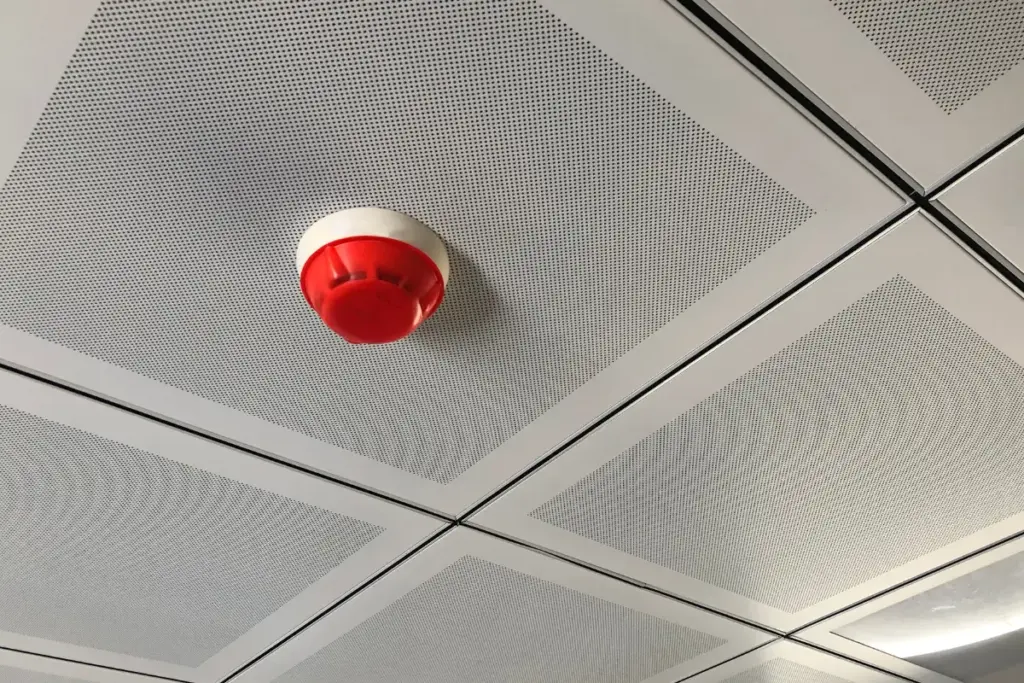
Different detector technologies respond not only to particle size but also to the concentration of aerosol, the distance between the vapor source and the sensor, and how well the space is ventilated. In practice, a dense plume released near an optical sensor can produce the same light-scattering signature as smoke, while dispersed, low-concentration aerosol often goes unnoticed. Distance matters: proximity raises local particle concentration at the sensing chamber, increasing alarm likelihood; even brief puffs aimed toward a ceiling-mounted detector can trigger a response. Ventilation dilutes and removes particles; active HVAC or open windows lower the chance of alarms by reducing peak concentrations and maintaining airflow away from detectors. Air currents and reflective surfaces can carry aerosol into sensitive zones unpredictably, so placement and room geometry influence outcomes. Understanding these variables helps explain why identical vaping behavior may set off an alarm in one setting but not in another.
How to Vape Indoors Without Setting Off Smoke Alarms
Can one reduce the risk of triggering a smoke alarm while vaping indoors? A practical approach emphasises responsible choices and respect for shared spaces. Vapers can minimise aerosol concentration by choosing lower-wattage devices, cooler coils, and e-liquids with higher PG and lower VG ratios; these produce thinner, less persistent vapor. Exhaling near open windows, using fans to direct airflow away from detectors, and remaining at a greater distance from ceiling-mounted alarms reduce local particle density. Avoiding exhalation directly toward vents, ceiling corners, or enclosed closets prevents accumulation. Routine maintenance, cleaning devices,s and replacing coils keep emissions consistent and predictable. Portable air purifiers with HEPA and activated carbon filters lower particulate load when used properly. Mindfulness about legal and building rules, and selecting designated indoor areas where vaping is permitted, balances personal freedom with others’ safety and comfort. These steps lower alarm risk without compromising responsible enjoyment.
If You Accidentally Set Off an Alarm: What to Do Now
Act quickly and calmly: if a vape triggers a smoke alarm, the person should move away from the detector, ventilate the area by opening windows and doors, and stop vaping immediately to prevent further aerosol buildup. Next, silence the alarm if possible and safe use the designated hush or silence button, or temporarily disable a battery-powered unit per manufacturer guidance. Avoid tampering with hardwired systems. Inform others nearby of the false alarm so they remain aware but not alarmed. Understand How To Turn Off Fire Alarm.
Assess the situation: confirm there is no real fire, lingering heat, or smoldering materials. Continue ventilating until the alarm resets and normal air clarity returns. If the alarm persists after clearing aerosols, replace batteries or consult building maintenance. Keep records of the incident when in shared housing to demonstrate responsibility and transparency. This measured response preserves personal freedom while respecting communal safety and minimising disruption.
Legal and Safety Consequences: Fines, Evictions, and Fire Risk
A triggered fire alarm from vaping can carry legal and safety consequences that extend beyond embarrassment: tenants or visitors may face fines, lease violations, or even eviction in properties with strict no-smoking policies, while repeated false alarms increase emergency response costs and can erode landlord tolerance. Authorities may issue citations when alarms summon fire departments unnecessarily, and insurers can view frequent false alarms as increased risk, potentially raising premiums or denying claims after damages. Landlords and building managers may enforce lease clauses, impose penalties, or pursue eviction for breach of terms; tenants seeking autonomy should note that freedom to choose vaping does not override contract terms or public-safety laws. Beyond administrative penalties, vaping near detectors poses real fire risks if devices malfunction, batteries fail, or improper charging occurs. The combination of legal liability, financial exposure, and potential physical danger underscores that exercising freedom responsibly includes respecting rules and safety systems designed to protect everyone.
How Building Operators Can Reduce Vaping-Related False Alarms
Prevention starts with clear policy, targeted detection strategies, and consistent enforcement to minimise vaping-triggered false alarms. Building operators should craft concise rules that respect occupant autonomy while emphasising communal responsibility: designated vaping areas, explicit no-vape zones near detectors, and transparent consequences. Signage and lease amendments reinforce expectations without heavy-handed surveillance.
Technological measures can align freedom with safety. Operators may adjust detector placement, use aspirating or photoelectric detectors less prone to vape particles, and employ alarm verification features to reduce nuisance activations. Regular maintenance and prompt removal of residual aerosols near sensors maintain reliability.
Education and community engagement promote voluntary compliance. Briefings, digital notices, and peer-led reminders frame rules as mutual agreements rather than imposed bans. Enforcement should be proportionate and consistent: warnings, fines, or revoked privileges applied fairly. Data-driven reviews of incidents enable incremental policy refinement, balancing individual liberty with collective protection while minimising disruptive false alarms.
Frequently Asked Questions
Can Flavored E-Liquids Make Alarms More Likely to Trigger?
Yes. They increase particles and aerosols; flavored e-liquids with sweeteners or dense VG produce thicker vapor, raising the likelihood of optical smoke detectors triggering. The individual accepts responsibility for choices and risks when vaping.
Do Nicotine-Free Vapes Affect Smoke Detectors Differently?
No nicotine-free vapes don’t inherently affect smoke detectors differently; detectors respond to particle density and aerosol composition, so any vape producing sufficient vapor or residues can trigger alarms regardless of nicotine content, leaving individual choice intact.
Can Vape Pen Malfunctions Cause Electrical Fire Alarms?
Yes. He notes vape pen malfunctions can trigger electrical fire alarms if battery failures, short circuits, or overheating produce sparks, smoke, or electrical noise; maintaining devices and avoiding damaged batteries reduces risk while preserving personal autonomy and responsibility.
Are Hotel Room Detectors More Sensitive to Vaping Than Homes?
Yes, hotel detectors are often more sensitive; they favor stricter, commercial-grade photoelectric or ionization systems and tighter maintenance standards, so their alarms can trigger more readily from vaping aerosols than many residential detectors.
Do Vaping Pods Leave Residue That Damages Detectors Over Time?
Yes. He notes that vaping pods can deposit oily residue and particulates on sensors over time, potentially impairing detector sensitivity. Maintenance and proper ventilation mitigate buildup, preserving detector function and occupants’ autonomous safety choices.
Conclusion
Vaping can sometimes trigger smoke or fire alarms, though not as reliably as combustion smoke. Because vape aerosol contains tiny particles and can be dense and humid, optical (photoelectric) and ionization detectors may respond if aerosol reaches their sensing chambers. Factors such as proximity, the volume of exhaled vapor, and poor ventilation increase the risk. Awareness, careful ventilation, and adherence to building policies reduce false alarms, while operators can mitigate risks through detector placement and tenant education.