


EICR Fuse Box Requirements: An EICR assesses a property’s consumer unit for enclosure integrity, correct labelling, suitable protective devices (fuses, MCBs, RCDs), and proper earthing and bonding. Inspectors note corrosion, moisture, overloading, obsolete fuses, and missing RCD protection, classifying findings by risk and recommending remediation. After a failure, dangerous items should be isolated and a registered electrician engaged for a written remedial scope and re-test. Continue for practical steps on compliance, replacement options, costs and timelines.
Key Takeaways
- Consumer units must be secure, correctly labelled, and use appropriately sized protective devices (MCBs/fuses) for each circuit.
- RCD protection is required for most circuits; missing or obsolete RCDs will be flagged on an EICR.
- Proper earthing and bonding arrangements must be present and clearly documented in the EICR.
- Signs of corrosion, moisture damage, or obsolete components need immediate assessment by an electrician and likely replacement.
- After remedial work, schedule a re-test and obtain an updated EICR certificate for compliance and records.
Who This Guide Is For and How to Use It
Who is this guide intended for and how should it be used? This guide targets UK property owners, landlords, and responsible persons seeking clear, actionable knowledge about EICR-related fuse box requirements. It serves those who value autonomy in managing safety and compliance, offering concise reference rather than exhaustive regulation texts. Readers are expected to use it as a practical checklist to understand obligations, identify when professional assessment is necessary, and prepare properties for inspection without replacing certified electrician advice. It facilitates informed decisions about maintenance, upgrades, and record-keeping while preserving the freedom to choose service providers and timelines within legal limits. The tone remains neutral and factual; EICR Fuse Box Requirements: recommendations prioritise safety, cost-effectiveness, and regulatory alignment. By focusing on responsibilities and next steps, the guide empowers individuals to act decisively, secure properties against electrical risk, and maintain compliance with minimum statutory expectations.
EICR Basics: What Inspectors Check on Fuse Boxes
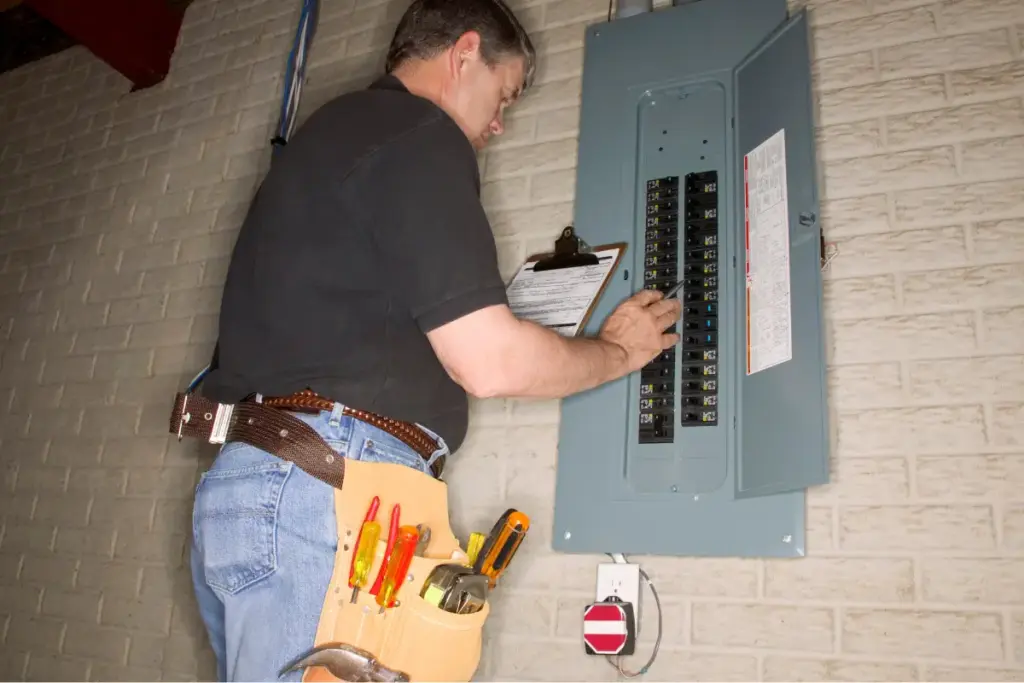
When evaluating fuse boxes (consumer unit) during an Electrical Installation Condition Report (EICR), inspectors focus on condition, configuration, and safety features to determine compliance and risk; they inspect enclosure integrity, correct labelling, clearances, and evidence of overheating or damage, verify the presence and correct operation of protective devices (fuses, MCBs, RCDs), check bonding and earthing arrangements, and confirm that circuits are appropriately segregated and documented to match the consumer unit schedule. The inspector records identification of live parts, secure terminations, and correct conductor sizing relative to protective device ratings.
Evidence of unauthorised alterations, improvised repairs or non-standard accessories is noted. Functional testing of RCDs and confirmation of continuity for protective conductors and bonding are performed where access allows. Observations are classified by severity, with recommendations or immediate actions stipulated when risks to persons or property are identified. Reports aim to empower owners to prioritise safe, practical remedial work without unnecessary restriction.
Consumer Unit Features That Pass an EICR
A compliant consumer unit presents a secure, labelled enclosure with correctly sized and installed protective devices MCBs and RCDs clear circuit identification, reliable earthing and bonding, and evidence of proper segregation between high-risk circuits (such as kitchens and outdoors) and general lighting or socket circuits. Inspectors look for modern, manufacturer-marked devices with correct trip characteristics and no signs of overheating or corrosion. Labelling must be durable and unambiguous, linking each device to its circuit and location. Earthing and bonding connections should be intact, with protective conductors sleeved and routed to minimise mechanical stress.
EICR Fuse Box Requirements: Suitable means of isolation and a readily accessible main switch are required to allow occupants autonomy in isolating supplies. Space and arrangement within the enclosure should permit safe work and future modifications without disturbance. Incoming supply terminals must be correctly rated and secure. Where residual current protection is provided, its type and rating should match the circuit risk profile. Documentation, such as circuit diagrams or certificates, supports a clear record for freedom to manage changes.
Common Fuse Box Faults and What They Mean
Identify common fuse box faults quickly to prevent safety risks and costly repairs. A detached inspection reveals corrosion, overloaded circuits, and obsolete protective devices as frequent issues that limit occupant independence and increase hazard. Recognising symptoms early preserves freedom to use power safely and avoids unexpected disruption.
- Corrosion and moisture damage: Rusted terminals and damp ingress cause poor connections, intermittent supply, overheating, and increased fire risk; replacement or sealing is typically required.
- Overloaded circuits and nuisance tripping: Repeated trips indicate load imbalance, undersized circuits, or faulty appliances; load assessment and redistribution restore reliable operation.
- Obsolete fuses and missing RCD protection: Non-compliant fuse types and absence of residual current devices reduce protection against shock; upgrading to modern protective devices aligns with current safety expectations.
Clear, prompt action testing, professional diagnosis, and targeted upgrades safeguards occupants and maintains the electrical autonomy that property users value.
How Property Type and Age Affect EICR Requirements
Because building type and construction era determine wiring methods, protective devices, and expected wear, they directly influence the scope and focus of an EICR. Older properties often retain legacy wiring cloth-insulated cables, radial circuits, or non-ring mains so inspections prioritise insulation condition, bonding, and suitability of protective devices. Period homes may lack modern earthing arrangements, requiring careful assessment of metalwork bonding and PME risks.
Modern flats and newly built homes typically feature contemporary circuit layouts, RCD protection, and consumer units compliant with current standards, so EICRs concentrate on installation conformity, correct labelling, and RCD testing. High-occupancy or mixed-use buildings introduce distribution complexity and load considerations, prompting checks on segregation, emergency supplies, and landlord responsibilities.
Property type and age guide the electrician’s tests, recommendations, and frequency of re-inspection, balancing safety with practical interventions. Reports therefore reflect tailored remedies targeted upgrades where necessary while respecting occupants’ autonomy and the building’s character.

When to Replace a Fuse Box and Your Options
As inspections highlight age-related vulnerabilities such as cloth insulation, inadequate bonding, or absent RCD protection decisions arise about replacing an outdated fuse box. The choice hinges on safety, future-proofing, and the occupant’s desire for autonomy over their home’s electrical resilience. If an EICR flags multiple C or F recommendations, replacement becomes prudent rather than cosmetic. Upgrading can deliver RCD protection, modern MCBs, and space for circuit expansion, aligning with evolving appliance needs and renewable integrations.
- Replace with a modern consumer unit offering RCD/RCBO protection and labeled circuits to enable safe, independent control.
- Opt for phased upgrades: prioritize critical safety features now (RCDs, proper earthing) and add capacity later to preserve flexibility.
- Consider full rewiring only if pervasive degradation exists; otherwise, a unit exchange often suffices to meet current standards while maximising homeowner freedom. Here is the guidance on How to Wire a Consumer Unit: Safety, Compliance, and Professional Guidance.
Step-By-Step If Your Fuse Box Fails an EICR
When a fuse box fails an EICR, the property owner should treat the report as a roadmap rather than a verdict: it lists required actions, their urgency, and whether immediate disconnection, remedial work, or a full replacement is recommended. The next steps are clear: review the assigned codes, secure a qualified electrician, prioritise immediate safety issues, and arrange documented remedial work. Decisions should respect freedom to choose contractors while ensuring compliance and safety.
| Step | Action |
| 1 | Read codes and comments on report |
| 2 | Isolate hazards if marked dangerous |
| 3 | Contact a registered electrician promptly |
| 4 | Obtain written scope for remedial work |
| 5 | Schedule and confirm completion with test |
After repair, a verifying inspection or re-test should be requested to update the EICR status. Records must be kept. This methodical approach balances autonomy with legal and safety obligations. Read our blog post Does a Plastic Consumer Unit Fail an EICR? To explore more.
Costs, Timescales and Getting Your EICR Certificate
Having arranged and completed any required remedial work, attention turns to the practicalities of cost, timing and obtaining the updated EICR certificate. Costs vary by property size and complexity: a straightforward fuse box replacement may be modest, while full rewiring or new consumer units increase fees. Quotes should be obtained from qualified electricians who provide clear breakdowns, enabling informed, independent choices.
Timing depends on availability and scope. Simple fixes can be scheduled within days; larger projects may take weeks. Prompt scheduling preserves freedom to use the property and avoids compliance delays. Once work passes inspection, the electrician issues the EICR certificate, typically within 24–48 hours. The certificate details findings, remedial actions and validity period, usually four years for rental properties. Keep the original certificate secure and provide copies to tenants or authorities when required.
- Obtain multiple quotes and vet qualifications.
- Plan scheduling to minimise disruption.
- Store and share the issued EICR promptly.
Frequently Asked Questions
Can I Perform EICR-Related Fuse Box Repairs Myself?
They should not. A freedom-valuing individual may prefer autonomy, yet fuse box repairs linked to EICR require certified electricians for safety, legal compliance, and insurance so engaging a qualified professional preserves liberty without risking harm.
Do Landlords Need a Copy of the Tenant’s EICR Certificate?
No; the landlord need not hold the tenant’s EICR certificate. They may request or retain copies for records and compliance, but responsibility for obtaining and supplying certificates depends on tenancy agreements and applicable legal obligations.
Will an EICR Check the Wiring in Outbuildings or Garages?
Yes, an EICR can include outbuildings and garages if they form part of the property’s electrical installation. The inspector determines scope; separate circuits or connections typically require explicit inspection and reporting for safety and compliance.
Are RCDS Required for Garden or External Circuits?
Yes. They state RCD protection is typically required for garden and external circuits. The assessor notes modern safety standards demand RCDs for outdoor sockets, lighting, and equipment, promoting autonomy through dependable, fault-limiting protection.
Does an EICR Affect Home Insurance Premiums?
Yes; an EICR can influence premiums and insurer decisions. Insurers may reward documented safety with lower risk assessments, while a poor or missing report can prompt higher premiums, refusal, or conditions on cover.
Conclusion
In conclusion, EICR Fuse Box Requirements: understanding fuse box standards within an EICR helps property owners, landlords, and agents identify safety risks and compliance needs. Inspectors assess consumer units, protective devices, and earthing; common faults often reflect age or poor workmanship. Older properties may need upgrades or full replacement to meet current regulations. Prompt remedial action preserves safety, avoids enforcement, and secures certification. Clear guidance on costs and timelines guarantees informed decisions and timely compliance with UK electrical safety requirements.