




In 2026, asbestos removal typically runs about £3–£30 per square foot, or roughly £1,200–£10,000+ per project, depending on the material, location, and containment and testing needs. Flooring and small spot removals cost the least; textured ceilings, insulation, and roofing increase labor, disposal, and specialist fees. Expect inspections, air monitoring and clearance testing to add hundreds to thousands, plus site prep or reinstatement charges. Contractors’ bids vary, so compare quotes and credentials. If you want to know the basics of asbestos, read our blog post What is Asbestos? Identifying Risks in Residential and Commercial Properties Across London.
Key Takeaways
- Typical asbestos removal costs range from £3 to £ 30 per square foot, with small projects often costing £1,200–£10,000.
- Costs rise for complex materials (insulation, Artex ceilings, roofing) due to the need for specialist handling and higher disposal fees.
- Containment level (full vs spot) and site access heavily influence labor time and overall price.
- Testing, air monitoring, and clearance can add £ 300–£ 1,200+; continuous monitoring costs more.
- Choose licensed contractors, get itemised fixed bids, and verify permits, insurance, and the waste chain of custody.
Typical Asbestos Removal Costs: Quick Ranges (Per Sq Ft and Per Project)
Is Asbestos Still Commonly Found in UK Homes? Costs for asbestos removal vary widely, but most homeowners can expect a rough range of £ 3 to £ 30 per square foot for typical abatement work, translating to £ 1,200–£ 10,000 or more for a small to mid-size project, depending on scope. The writer notes that costs depend on project complexity, access, and necessary containment measures, but this quick range helps people plan. Contractors often charge flat fees for inspections, testing, and disposal, while hourly labor and permit costs add up.
Many prefer fixed bids to avoid surprises and to preserve budgeting freedom. Homeowners who shop around among multiple licensed firms usually find clearer pricing and greater negotiating power. Some may opt for phased removal to spread expenses over time. The text emphasises choosing certified professionals and obtaining written estimates to protect health and finances, allowing homeowners to maintain control while ensuring safe, compliant asbestos abatement. Explore How Can You Test for Asbestos Safely and Accurately in Buildings.
How Asbestos Material and Location Change Costs (Flooring, Artex, Insulation, Roofs)
After getting quotes and choosing a contractor, homeowners should expect prices to shift dramatically based on the type of asbestos-containing material and where it’s found. Flooring, asbestos vinyl tiles, or backing often lets crews work room by room, so removal tends to be lower-cost and quicker, letting owners regain use of space sooner.
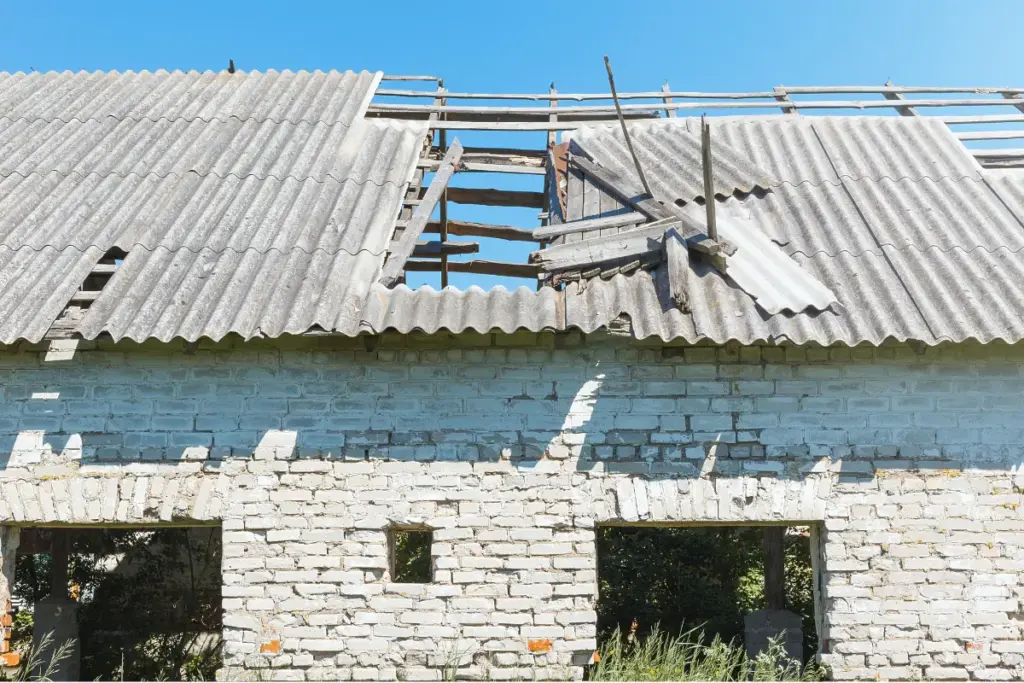
Artex or textured ceilings usually require careful wetting and hand stripping, increasing labor time and disposal fees. Insulation in attics or around pipes can be tricky: loose-fill or friable insulation needs enclosure and specialist handling, increasing cost and disruption. Asbestos cement roofing materials are heavy and may require roofers and waste handling, so they’ll push prices higher.
Location also matters: easily accessible areas cut labor time, while cramped crawlspaces, high ceilings, or multi-story roofs add time and safety measures. Homeowners who want the freedom to plan should budget based on material type and access, prioritising trusted contractors over low bids.
How Containment Scope Affects Labor and Equipment Costs
When a project requires full containment rather than spot control, crews must install barriers, negative-pressure units, decontamination chambers, and specialised air monitoring, all of which increase labour hours and equipment rental costs. The team estimates time for sealing off access, constructing airlocks, and maintaining pressure differentials; these tasks demand skilled labor and shift rotations, which raise hourly totals. Larger containment also forces longer equipment rental periods and more frequent filter changes, so budgets grow predictably.
| Containment Type | Typical Impact |
| Spot-control | Lower labor, minimal barriers |
| Full containment | Higher labor, extensive equipment |
| Extended project | Over time, longer rentals |
Contractors who value client autonomy will outline containment options, costs, and trade-offs so owners can choose a scope that aligns with budget and timelines. Clear scopes let projects proceed with less friction, preserving both safety and freedom of decision.
Testing and Air Monitoring for Asbestos: What to Expect and Price Ranges
Moving from containment decisions to testing and air monitoring, owners should expect a structured sequence of inspections, sampling, and real-time measurements to verify airborne fiber levels and worker safety. Certified inspectors perform baseline surveys, collect bulk samples for lab analysis, and set up phase-contrast microscopy (PCM) or transmission electron microscopy (TEM) test.
During abatement, continuous air monitors and periodic grab samples confirm negative pressure integrity and worker exposure limits. Clearance testing after removal uses aggressive sampling to guarantee counts fall below regulatory thresholds before reoccupancy.
Prices vary: initial inspection and bulk sampling typically range from £ 300–£800; air monitoring during active work runs £50–£150 per sample or £200–£600 per day for continuous monitoring; final clearance testing often costs £ 400–£1,200, depending on methods and lab turnaround.
Owners who want control and mobility can budget accordingly, choosing higher-frequency monitoring for faster project pace and greater peace of mind.
Waste Handling and Disposal Costs: Transport, Landfill, and Permits
Although regulations and local fees vary, owners can expect waste handling and disposal to be a significant line item in an asbestos abatement budget. Contractors will package, label, and transport asbestos-containing materials under strict rules; those services add labor and specialised supplies.
Transport costs depend on distance to licensed landfills, vehicle requirements, and load volume, so choosing a local, compliant hauler reduces expense and preserves autonomy. Landfill tipping fees for asbestos are higher than those for typical construction debris and are often charged per ton or cubic yard. Permitting and manifesting require administrative time and sometimes local permits or notifications, each of which carries fees.
Disposal plans must document the chain of custody; any deviations can trigger fines and more costs. Savvy owners who compare licensed haulers, confirm landfill acceptance, and budget for permits keep control over final costs while staying compliant and minimising unexpected charges.
Common Extra Charges Contractors Add (Site Prep, Reinstatement, Emergency Work)
After budgeting for transport, landfill fees, and permits, owners should also account for contractor-added line items that frequently inflate final invoices. Contractors often charge for site prep (containment, decontamination units), reinstatement (repairs after removal), and emergency call-outs. These extras can feel restrictive to owners seeking freedom in their budgets, so clear expectations matter. A concise table helps compare typical charges and triggers.
| Charge Type | Typical Trigger | Approximate Range |
| Site Prep | Creating enclosures, negative pressure | £ 300–£ 2,000 |
| Reinstatement | Wall repairs, final cleaning | £ 200–£ 3,000 |
| Emergency Work | After-hours or rapid response | 1.5–2× standard rate |
Owners should insist on itemised estimates and a written scope to avoid surprise fees. Contractors who value transparency will outline what’s included and what’s optional, letting owners choose the level of control and freedom over costs and outcomes.
How to Get Accurate Asbestos Removal Quotes: Documents and Questions to Ask
Want precise asbestos removal quotes that don’t blow the budget? The homeowner gathers key documents: inspection and lab reports, floor plans, permits, and photos. They share project scope materials, square footage, access points, and desired timeline so bidders can price consistently.
Contractors should provide itemised bids covering containment, removal, disposal, air testing, and reinstatement; labor rates, equipment charges, and waste transport fees must be explicit.
Ask clear, targeted questions: How will you contain the area? What’s included in air monitoring? Who handles permits and landfill notifications? What disposal sites will you use, and can you show manifests? What insurance and licenses do you carry? How long will work and clearance testing take? Request written guarantees for abatement standards and a cancellation/change policy.
Comparing like-for-like bids lets the homeowner keep options open and control costs while ensuring safety and compliance, preserving freedom to choose the best value without surprises.
Red Flags and Contractor Vetting to Avoid Overpaying or Unsafe Work
If a bid seems unusually low or a contractor dodges questions about containment, air monitoring, or disposal, homeowners should take that as a clear warning sign and pause the process. They should expect transparent answers, licenses, proof of insurance, and evidence of proper training. A free spirit who values autonomy will still insist on safeguards that protect health and property.
- Verify credentials: Confirm state licenses, EPA or local certifications, and ask for recent references. Legitimate firms will supply documentation without fuss.
- Inspect protocols: Demand written plans for containment, negative-pressure systems, worker PPE, and a chain of custody for waste. Vague or evasive descriptions are red flags.
- Confirm insurance and warranties: Require proof of liability, workers’ comp, and a clear warranty on work and cleanup. Refuse contractors who resist contractual terms.
Homeowners should trust instincts, compare multiple bids, and only hire firms that respect both safety and the owner’s right to make informed choices.
Ways to Reduce Asbestos Removal Costs Safely and Stay Compliant
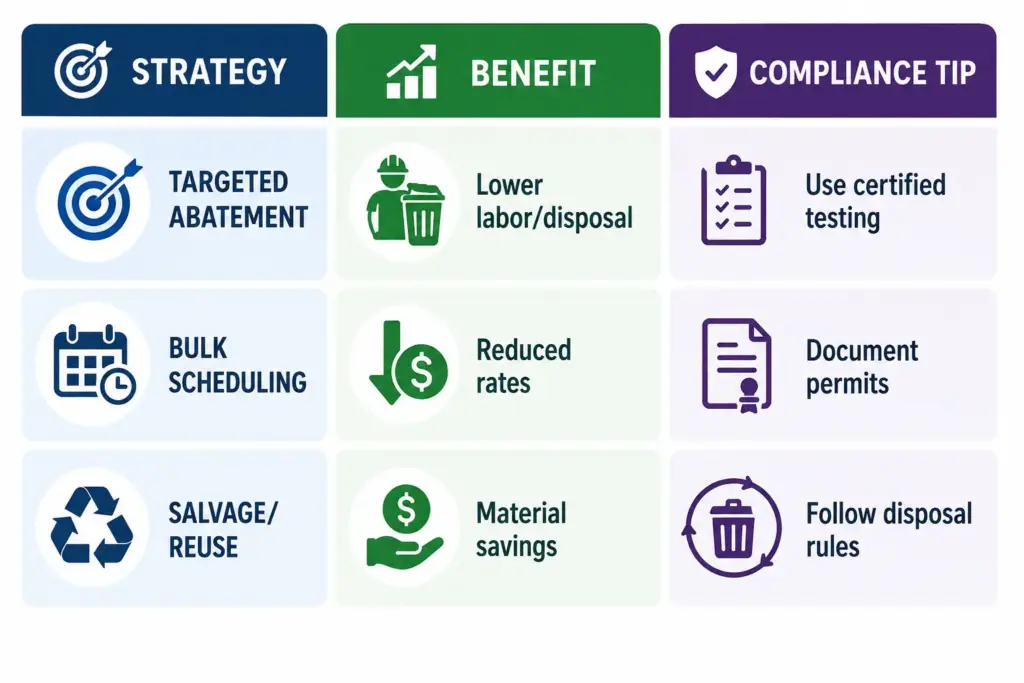
When homeowners balance safety and cost, they can lower asbestos removal expenses by choosing targeted, compliant strategies that reduce labor and disposal without cutting corners. Homeowners should get thorough testing to confirm contamination zones, contain only affected areas, and avoid full-home abatement when unnecessary. Hiring licensed contractors for focused removal, scheduling work in bulk with neighbors, and salvaging undamaged materials for lawful reuse cuts costs. Proper planning, clearance testing, permits, and documented chain-of-custody prevent fines that erode savings. Incentives and grants can offset expenses; homeowners should research local programs. Temporary relocation during high-risk work minimises liability and speeds crews’ progress. Clear communication with contractors keeps the scope tight and prices transparent. Freedom-seeking owners will prioritise compliance, not shortcuts, to protect health and finances.
Frequently Asked Questions
Will Asbestos Removal Affect My Property Insurance Premiums?
Yes, it can; insurers often adjust premiums after asbestos work, and they’ll require disclosures and proof of proper removal. The homeowner’s freedom-focused choices, licensed abatement, clear documentation, and timely repairs can minimise premium increases.
How Long After Removal Is It Safe to Reoccupy the Building?
They can reoccupy once a certified clearance test confirms airborne asbestos levels are safe, typically 24–72 hours after final cleanup; contractors’ll often recommend waiting until documentation’s received and HVAC systems have been inspected and cleaned.
Are There Government Subsidies or Grants for Asbestos Removal?
Yes, they can. He’ll find federal, state, and local grants or tax credits, plus targeted aid for low-income or historic properties; he’ll search official sites, contact health agencies, and apply promptly to secure available funding.
Can I DIY Minor Asbestos Tasks Without a License?
They shouldn’t: DIY asbestos work usually requires certification and permits, and it’ll put their health at risk, lead to fines, and cause contamination. They can handle non-friable, sealed materials only with strict precautions, but professionals remain the safer, lawful choice.
Does Asbestos Removal Increase My Home Resale Value?
Yes, it can. They’ll often fetch a higher price and attract safety-conscious buyers after removal, but returns vary by market, disclosure laws, and quality of remediation, so they should weigh costs, records, and local demand.
Conclusion
In 2026, homeowners and businesses face varying asbestos removal costs depending on material, location, and containment needs, but they can manage expenses with informed choices. They should get multiple detailed quotes, confirm contractors’ licenses and insurance, insist on testing and air monitoring, and watch for common extra charges. Proper planning, including accurate surveys, limited disturbance, and timely waste disposal, helps control costs while ensuring safety and regulatory compliance.