




In modern UK electrical systems, the live wire is coloured brown, a standard implemented in 2004 to align with European safety regulations. Previously, the colour red represented the live wire, a convention changed to enhance uniformity and reduce the potential for hazardous errors. This standardization guarantees that electricians and DIY enthusiasts can safely identify and handle live wires during installation, maintenance, or inspection of electrical systems. Knowing the correct colour codes brown for live, blue for neutral, and green/yellow for earth—is vital for maintaining electrical safety and compliance with the British Standard BS 7671. Understanding these details fully can provide deeper insights into effective and safe electrical practices.
Key Takeaways
- In modern UK electrical systems, the live wire is coloured brown.
- Prior to 2004, the live wire was coloured red in the UK.
- The change to brown for live wires aligns with European standards for safety and consistency.
- Live wires carry the current and are essential for the functioning of electrical devices.
- Mistaking the live wire’s colour can lead to serious safety risks, including electric shock.
What Is a Live Wire and What Does It Do in an Electrical System?
In an electrical system, the live wire serves as the primary conductor through which electric current flows. It is essential for the operation of any electrically powered device or appliance because it supplies the necessary voltage. Typically, the live wire carries electricity from the power source to the electrical fixtures and devices in both residential and commercial buildings.
The role of the live wire is vital for establishing an effective circuit within an electrical system. When connected properly, it allows electrical current to travel from the power source, through the circuit, and back to the electrical grid or to the ground, completing the circuit. This flow is what powers devices and allows them to perform their functions.
However, because live wires carry current, they also present a risk of electric shock or fire if not handled correctly. Safety precautions must always be taken when working with or near live wires. This includes using insulated tools, wearing protective gear, and ensuring that all electrical systems are properly installed and maintained according to safety standards and regulations. Understanding the function and risks associated with live wires is fundamental for anyone involved in electrical work or home improvement projects involving electricity.
What Colour Is the Live Wire in Modern UK Electrical Wiring?
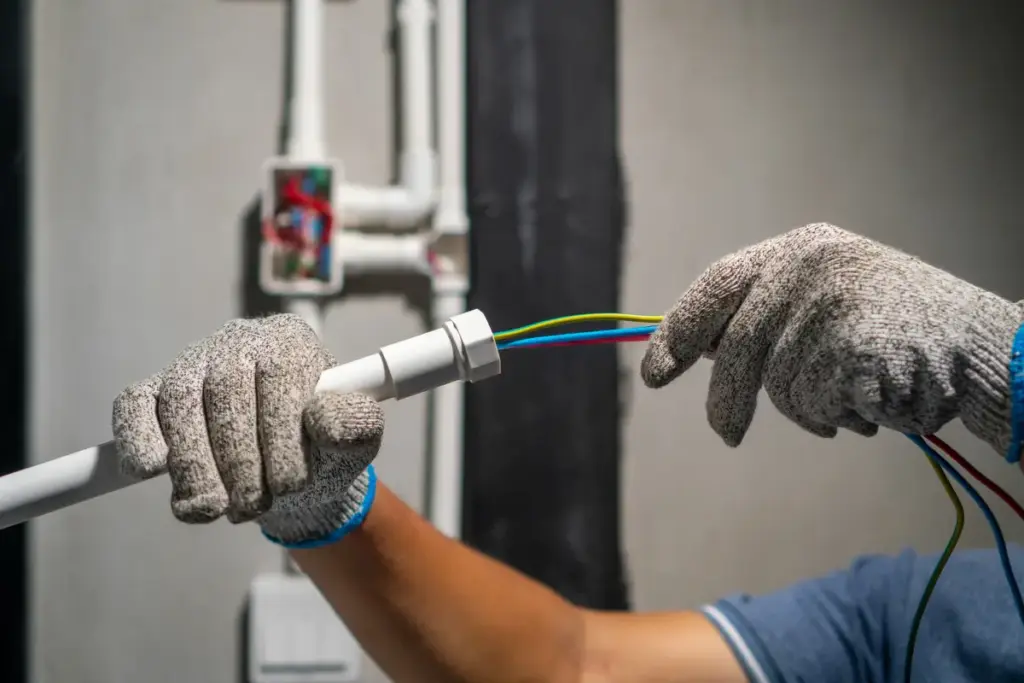
Within the UK’s modern electrical wiring systems, the live wire is typically coloured brown. This standard was established to guarantee consistency and safety across all domestic and commercial electrical installations. The shift to the brown colour for live wires was implemented in 2004, replacing the former standard where red was used. This change was part of a broader move to harmonize UK wiring colours with European Union standards, which aim to create a uniform approach across the continent for both safety and ease of electrical work.
The brown colour of the live wire plays a vital role in preventing electrical accidents. It helps electricians and technicians quickly identify the wire carrying current from the power source to electrical devices. This is essential during installations, maintenance, or when troubleshooting electrical faults. The clear distinction between the brown live wire and other wires like the blue neutral and the green-and-yellow earth wire reduces the risk of electrical shocks or wiring errors, enhancing overall electrical safety.
Adhering to this colour coding is not only a best practice but also a regulatory requirement in the UK, guaranteeing all electrical installations meet strict safety standards.
Understanding the UK Wiring Colour Codes for Live, Neutral, and Earth
Understanding the UK wiring colour codes for live, neutral, and earth wires is vital for anyone involved in electrical work, whether professional or DIY enthusiast. The correct identification and application of these wires guarantee safety and compliance with UK electrical standards. Here’s a concise guide to understanding what each colour signifies:
- Brown: This colour is designated for the live wire. It’s responsible for carrying current to an appliance from the power source.
- Blue: Blue wires are used for the neutral function. They complete the circuit by returning the current to the electrical panel.
- Green and Yellow: These stripes signify the earth or ground wire. It’s critical for safety, providing a path for fault current to prevent electrical shocks.
These colour codes are standard in new installations and modifications. The wiring system in the UK was updated to align with the European International Electrotechnical Commission’s standards, guaranteeing consistency and enhancing safety. Proper knowledge and application of these colour codes reduce the risk of electrical hazards and facilitate easier maintenance and troubleshooting. Always verify that any electrical work complies with the latest regulations and standards.
Old vs New Electrical Wiring Colours in the UK
While the current UK electrical wiring colour standards are clearly defined, it is important to recognize that these have not always been the norm. Prior to 2004, the UK followed a different set of colour codes which could lead to confusion, especially during maintenance or renovation projects. Recognizing the need for uniformity and enhanced safety, the UK aligned with European standards in 2006.
This change primarily affected the colours used for live and neutral wires. The table below summarizes the old and new colour codes:
| Wire Function | Pre-2004 Colour | Post-2004 Colour |
| Live | Red | Brown |
| Neutral | Black | Blue |
| Earth | Green | Green/Yellow |
The shift from red to brown for live wires and from black to blue for neutral wires standardizes the UK’s wiring colours with the broader European system, reducing the risk of errors in electrical work. The earth wire remained green but added a yellow stripe to enhance visibility and safety. This alteration period required electricians and DIY enthusiasts to adapt quickly to prevent any electrical mishaps, emphasizing the importance of staying informed about such changes.
How to Safely Identify the Live Wire in a Cable
Identifying the live wire in an electrical cable is a critical step for guaranteeing safety during any electrical installation or maintenance task. The live wire, traditionally red in older UK installations and brown in new ones, carries current from the power source to the appliance or fixture. Mistaking the live wire can lead to serious electrical accidents, including electric shocks and fires.
To safely identify the live wire in any electrical setup, follow these key steps:
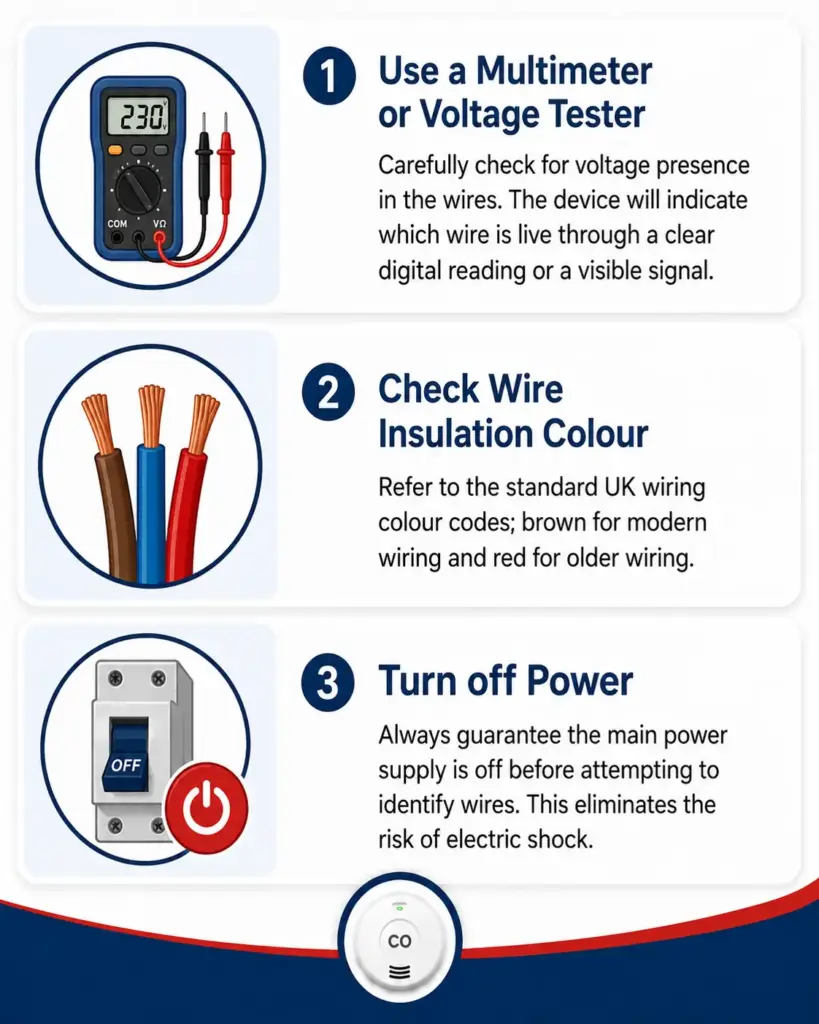
These methods not only enhance safety but also prevent potential damage to electrical systems and components. Always prioritize caution and consult a professional electrician if in doubt.
Common Electrical Tasks Where Identifying the Live Wire Is Important
Given the potential hazards associated with electrical work, identifying the live wire is essential in various common electrical tasks. Proper identification guarantees safety and efficiency when performing electrical installations or maintenance. Here are some key tasks where this knowledge is critical:
| Task | Importance of Identifying Live Wire |
| Installing light fixtures | Prevents electrocution and guarantees correct connection for proper function. |
| Replacing switches and sockets | Essential for avoiding shocks and guaranteeing that switches control the intended circuits. |
| Troubleshooting electrical faults | Critical for safely testing and repairing circuits without causing further damage or risking personal safety. |
Each of these tasks requires a clear understanding of wiring colors to identify the live wire properly. This not only safeguards the individual performing the task but also guarantees the electrical systems operate safely and effectively. In the UK, the standard live wire color has shifted from red to brown since 2006, following the harmonization of cable colors across the European Union, making it crucial to stay informed about current standards to maintain safety in all electrical endeavors.
Safety Precautions When Working With Live Electrical Wires
Working with live electrical wires inherently carries significant risk; consequently, adhering to stringent safety precautions is absolutely vital. Before commencing any task involving live wires, proper preparation and knowledge are important to prevent accidents. Here are some important safety measures to take into account:
- Turn off the power: Always verify that the power is turned off at the main breaker before starting any electrical work. If impossible, use appropriate tools and protective gear.
- Use insulated tools and wear protective gear: Employ insulated tools specifically designed for electrical work and wear rubber gloves and protective eyewear to minimize the risk of electric shock or other injuries.
- Verify the absence of voltage: Before touching any wires, use a voltage tester to confirm that the wires are not live. Never assume a wire is safe based on color coding alone.
These steps are fundamental in safeguarding against the inherent dangers of working with electricity. In addition to these precautions, always confirm that you have a clear understanding of the task at hand and do not hesitate to consult a professional electrician when in doubt. Safety should never be compromised, and understanding how to handle live wires carefully is essential for any electrical work.
UK Electrical Regulations and Standard Wiring Colour Codes
Understanding the specific regulations and colour codes for electrical wiring in the UK is vital for compliance and safety. The UK adheres to strict standards designed to guarantee safe and efficient electrical installations. These regulations are detailed in the British Standard BS 7671, also known as the IET Wiring Regulations. The standard outlines essential practices for the installation of electrical wiring in both residential and commercial properties.
A significant aspect covered in these regulations is the standard colour coding for wires, which was updated to align with European Union standards in 2004. Under the current guidelines, live wires must be brown, neutral wires should be blue, and earth wires are designated as green and yellow striped. This colour scheme helps in identifying the function of each wire clearly and reduces the risk of electrical accidents.
Adherence to these colour codes is not merely a best practice but a legal requirement. Misidentification or incorrect wiring can lead to serious electrical failures and pose significant safety risks. It is vital for anyone involved in electrical work to be thoroughly familiar with these codes and to guarantee all electrical installations comply with the up-to-date standards provided by BS 7671.
When to Call a Qualified Electrician Instead of Handling Wiring Yourself
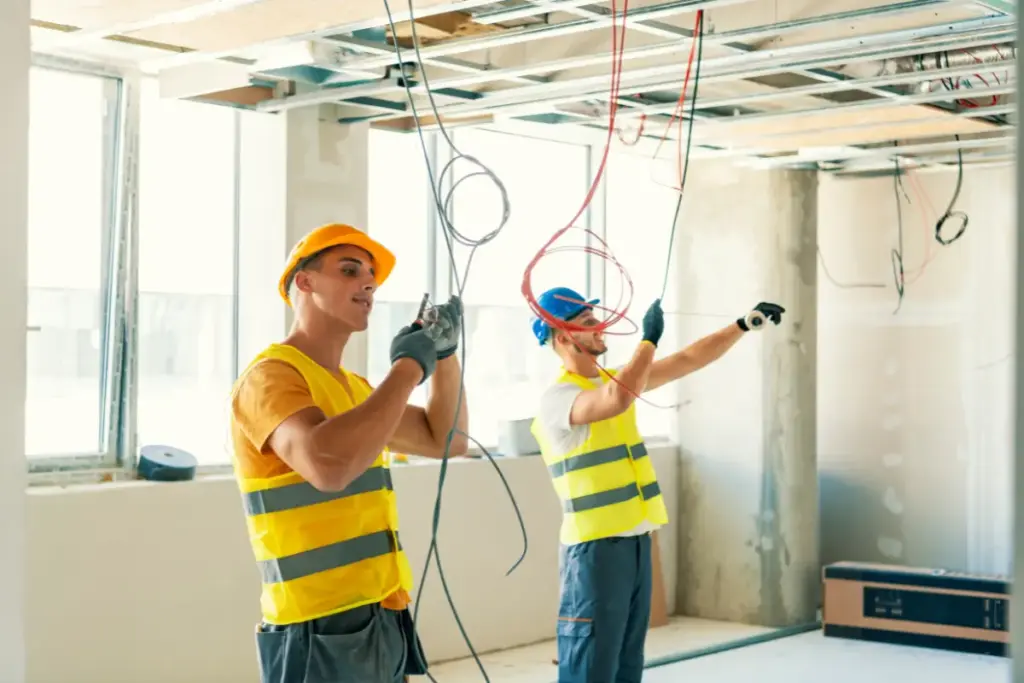
While tackling minor home improvements might be within the capabilities of many homeowners, electrical work often demands the expertise of a qualified electrician. The risks associated with incorrect handling of electrical wiring are significant, including potential electrical fires and serious injuries. Knowing when to call in a professional can not only guarantee safety but also compliance with legal standards.
Here are a few essential situations where you should consider hiring a qualified electrician:
- Major Installations: Any project involving the addition of new electrical circuits or major appliances typically requires the knowledge and tools that only a professional possesses.
- Signs of Electrical Problems: Frequent circuit breaker trips, flickering lights, or unusual buzzing sounds from electrical panels are indicators of potentially serious electrical issues.
- Renovation Projects: If your home renovation involves moving walls or upgrading the kitchen or bathroom, it’s vital to have an electrician reevaluate and possibly rewire the electrical layout.
Electrical systems are complex and can be hazardous if not handled properly. A licensed electrician not only understands the intricate details of wiring systems, including the latest wiring colour standards, but also guarantees that all work is up to code, providing peace of mind and enhancing safety.
Why Did the UK Change Wire Colours?
Recognizing the need for uniformity and enhanced safety, the UK updated its standard electrical wire colours in 2004 to align with those used across the European Union. This change was part of a broader move to harmonize regulations and standards across EU member states, facilitating clearer and safer practices in electrical installations. Previously, the UK used a distinct colour scheme: red for live, black for neutral, and green for earth. Post-2004, the colours were changed to brown for live, blue for neutral, and green and yellow stripes for earth.
This changeover was driven by the need to reduce confusion and improve safety for electricians and technicians working in different parts of Europe. The harmonization aimed to minimize the risk of electrical accidents caused by misunderstanding of wiring colours during maintenance or installation. Furthermore, as professionals frequently move across borders for work within the EU, consistent wiring colours help guarantee that they can quickly and accurately identify wires, thereby speeding up processes and bolstering safety. This update has since contributed to enhancing electrical safety standards, making installations across the UK and Europe safer and more efficient.
Frequently Asked Questions
Can Different Colors Indicate Live Wires in Other Countries?
Yes, different countries use various colors for live wires. For instance, in the USA, live wires are typically black or red, while in Australia, they are often brown or red.
How Do Wire Colours Vary in Three-Phase Electrical Systems?
In three-phase electrical systems, wire colors typically differ to indicate various phases: brown, black, and grey represent each phase, while blue is neutral, and green with a yellow stripe signifies the ground.
What Happens if Live and Neutral Wires Are Swapped?
Swapping live and neutral wires can lead to electrical hazards, including the risk of shock and potential damage to connected devices. It disrupts the intended flow of electricity, compromising safety and functionality.
Are Wire Colour Standards the Same for All Types of Appliances?
Wire colour standards vary by appliance type and region. In the UK, fixed wiring and portable appliance standards differ, necessitating careful adherence to local electrical codes for safe and correct wire identification and usage.
How Often Should Home Electrical Wiring Be Inspected?
Home electrical wiring should be inspected every 10 years for an owner-occupied residence, and every 5 years for a rented property. Additionally, an inspection should occur when a property changes ownership or occupancy.
Conclusion
In summary, understanding the colour coding of electrical wires, particularly the live wire, is essential for guaranteeing safety during electrical installations and maintenance. The shift from old to new colour codes in the UK aligns with European standards, enhancing clarity and uniformity. It is imperative that individuals dealing with electrical systems adhere to these standards and seek professional assistance when necessary to avoid hazardous situations and maintain compliance with UK electrical regulations.