


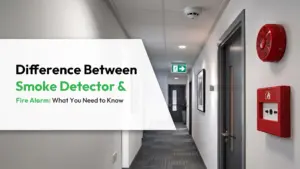

Carbon monoxide alarms should be installed outside each sleeping area and on every level of the home to provide reliable nighttime protection. Place additional units near pathways from attached garages and close to fuel-burning appliances, following the manufacturer’s height and distance guidance. Install alarms in hallways or common areas where they can be heard through closed bedroom doors. Avoid dead-air corners, windows, vents, bathrooms, and dusty or greasy spots that can reduce accuracy. More placement details can further improve coverage.
Key Takeaways
- Install CO alarms outside each sleeping area so they’re audible through closed doors and provide nighttime protection.
- Put at least one CO alarm on every level of the home, including finished basements and attics if used.
- Add alarms near fuel-burning appliances and in rooms adjacent to attached garages for earlier warning.
- Follow manufacturer placement rules for height and distance; avoid dead-air corners and spots blocked by curtains or furniture.
- Keep alarms away from windows, vents, fans, bathrooms, and greasy or dusty areas to prevent false alarms and sensor damage.
Where Should You Put CO Alarms First? (Top 3 Spots)
Three locations should be prioritised for carbon monoxide alarms: outside each sleeping area, on every level of the home, and near any fuel-burning appliance or attached garage placements that provide early warning where exposure is most dangerous, and detection is most likely to occur.
First, an alarm outside each sleeping area helps protect occupants at night, when symptoms can be missed, and evacuation may be delayed. It should be placed in the hallway or common space serving bedrooms, following the manufacturer’s height and distance guidance.
Second, installing an alarm on every level improves detection as carbon monoxide can spread through stairwells and HVAC pathways, and a leak in one area may not be heard elsewhere. This includes basements and finished attics used as living space. Third, an alarm near fuel-burning sources, such as furnaces, water heaters, fireplaces, gas stoves, or an attached garage, can alert early to a malfunction or vehicle exhaust infiltration. Avoid placing directly above appliances.
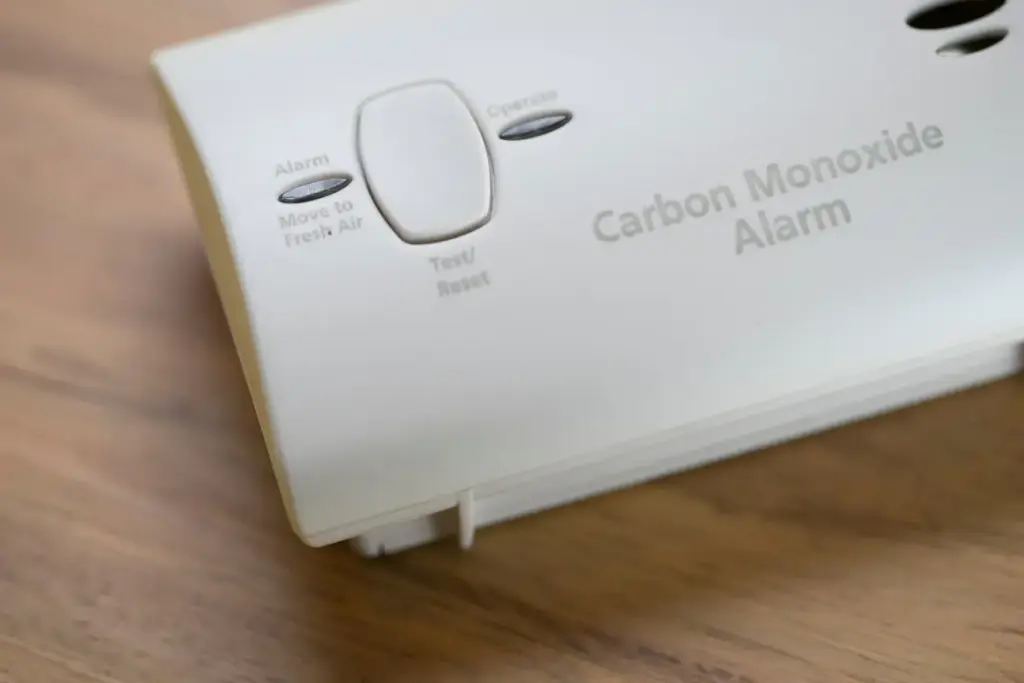
How Many Carbon Monoxide Alarms Do You Need?
The right number of carbon monoxide alarms depends on the home’s layout, but a good baseline is at least one outside each sleeping area and one on every level, with additional units added for separate bedroom wings, finished basements or attics, and areas near fuel-burning appliances or an attached garage where CO may originate.
In practice, a small single-story home may need two units, while a multi-story home with a basement often needs three or more. Homes with split levels, long hallways, or closed doors between living and sleeping spaces may require extra coverage so an alarm can detect CO before it disperses. Learn about the 5 warning signs of corbon monoxide poisoning.
If the home uses gas, oil, wood, or propane for heat, cooking, or water heating, alarms should be added to guarantee each potential source is monitored. Larger homes should prioritise redundancy so a single failed device does not leave an entire floor unprotected. Replace batteries regularly.
Where to Place Carbon Monoxide Alarms Near Bedrooms
For effective nighttime protection, carbon monoxide alarms should be installed in the hallway immediately outside each bedroom or sleeping area, positioned so the sound can be heard through closed doors. This placement helps wake occupants quickly, since people are most vulnerable to CO exposure while asleep and may not notice early symptoms.
Alarms should be mounted on a wall or ceiling according to the manufacturer’s instructions, typically at least several inches from corners and away from air vents that can block or dilute airflow. They should not be placed inside bathrooms, near cooking appliances, or directly next to windows or fans where drafts may interfere with detection.
If a bedroom contains a fuel-burning appliance or an attached garage is adjacent to sleeping areas, a nearby alarm is especially important. Regular testing and battery replacement keep nighttime protection reliable and reduce the chance of silent failure. Replace units at end-of-life promptly.
Where to Put a Carbon Monoxide Alarm on Each Level
Beyond placing alarms near sleeping areas, each floor of the home should also have at least one carbon monoxide alarm to provide early warning wherever a leak starts.
A single device cannot reliably cover multiple stories because airflow, closed doors, and stairwells can delay how quickly carbon monoxide reaches another level. Installing one alarm per floor improves detection whether the source is in an attached garage, a fireplace, or a portable generator used nearby.
For best coverage, place the alarm in a central hallway or common area on that level, where air can circulate freely. Follow the manufacturer’s mounting guidance; many models allow wall or ceiling placement, while some are intended to plug into an outlet. Avoid “dead air” spots such as corners, near vents, or behind furniture. In finished basements, position an alarm near the stairway leading up, so rising air currents do not postpone warning.
Where to Place CO Alarms Near Furnaces and Boilers
Although furnaces and boilers are designed to vent combustion gases safely, a cracked heat exchanger, blocked flue, or backdraft can still allow carbon monoxide to escape, so an alarm should be installed near these appliances without being so close that normal start‑up fumes trigger nuisance alerts.
A practical placement is in the same room or adjacent area, positioned between the appliance and the doorway used to enter the space, so rising concentrations are detected before occupants pass through. Follow the manufacturer’s minimum distance guidance; many recommend several feet from the combustion source, away from supply registers, return grilles, and powerful exhaust fans that can dilute or redirect airflow.
Keep the unit accessible for testing and replacement, and avoid locations exposed to high humidity, dust, or grease that may shorten sensor life. If the furnace or boiler is in an attached garage or sealed mechanical closet, place an additional alarm just outside the enclosure.
Should a CO Alarm Go on the Wall or Ceiling?
Where a carbon monoxide alarm should be mounted on the wall or on the ceiling depends primarily on the manufacturer’s installation instructions, since CO mixes readily with room air rather than consistently rising like smoke.
Because of this behaviour, both wall and ceiling placements can work when they meet the device’s listed requirements. If wall mounting is permitted, many brands recommend positioning the alarm at breathing height or higher, while keeping it away from corners where stagnant air can limit detection.
For ceiling mounting, placement is typically recommended a short distance from the wall, rather than directly in a corner, to avoid “dead air” pockets. In either case, the unit should be installed where occupants can hear it and where airflow is not obstructed by furniture, drapes, or shelving. Following the manual’s height, spacing, and orientation guidance guarantees the sensor samples represent the room air.
How Far Should CO Alarms Be From Appliances?
Mounting height matters, but distance from fuel-burning appliances is just as important for reliable carbon monoxide detection. The goal is to avoid nuisance alarms from brief start-up fumes while still detecting dangerous leaks quickly. Most manufacturers recommend placing alarms in the same room as a fuel-burning device, but not directly beside it; always follow the unit’s manual and local code if they differ.
- Keep the alarm at least 5–20 feet from fireplaces, furnaces, water heaters, and gas stoves, unless the manufacturer specifies otherwise.
- If the room is small, prioritise the furthest practical wall while maintaining audibility from sleeping areas.
- For attached garages, use an alarm in the adjacent interior area, not in the garage itself, to sense migration.
- When multiple appliances exist, consider one alarm per level plus near major sources for faster confirmation.
This spacing balances early warning with stable, trustworthy operation.
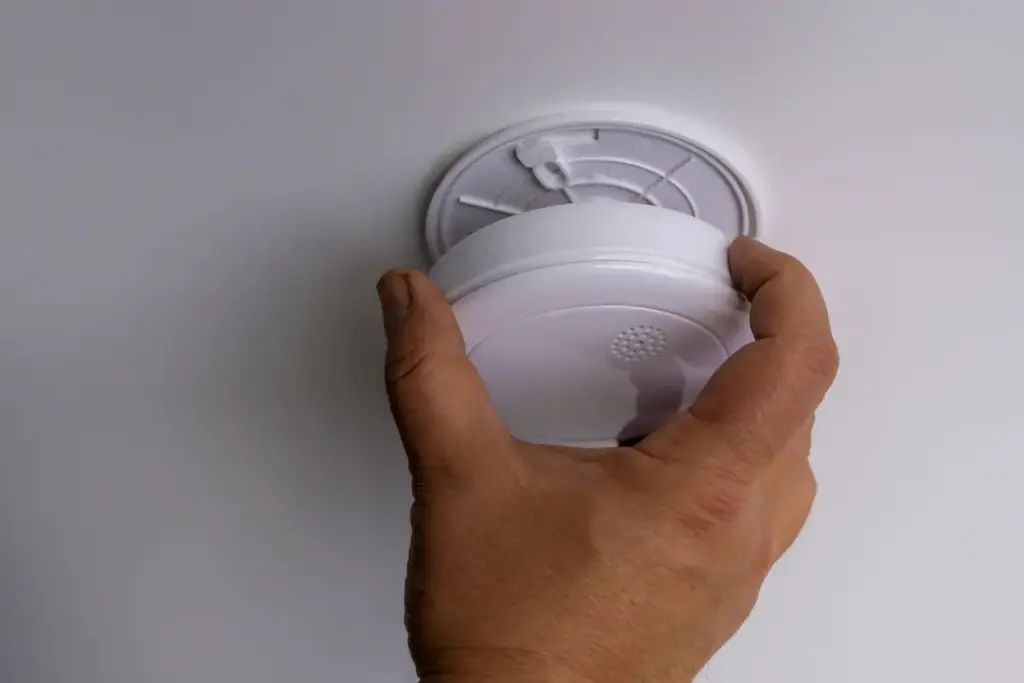
Where Not to Put Carbon Monoxide Alarms (Common Mistakes)
Because carbon monoxide mixes readily with indoor air, placement errors usually come down to airflow and interference, so alarms should not be installed in “dead-air” corners, right next to windows, vents, or fans, inside cabinets or behind curtains, in high-humidity areas like bathrooms, or in dusty/greasy spots near cooking and utility equipment that can trigger false readings or shorten sensor life.
Another common mistake is mounting an alarm where routine household conditions repeatedly dilute or overwhelm the sample air. Strong drafts from supply registers, ceiling fans, or openable doors can delay detection by pushing CO away from the sensor. Conversely, tight enclosures (closets, pantries, enclosed shelving) can trap stale air and keep the unit from sensing the broader room.
Locations prone to steam, aerosol sprays, or frequent splashing can corrode electronics and reduce accuracy. Units should also avoid spots where accidental bumping, painting, or cleaning chemicals are likely, since contamination can impair the sensing element over time.
CO Alarms in Garages and Attached Spaces: Special Rules
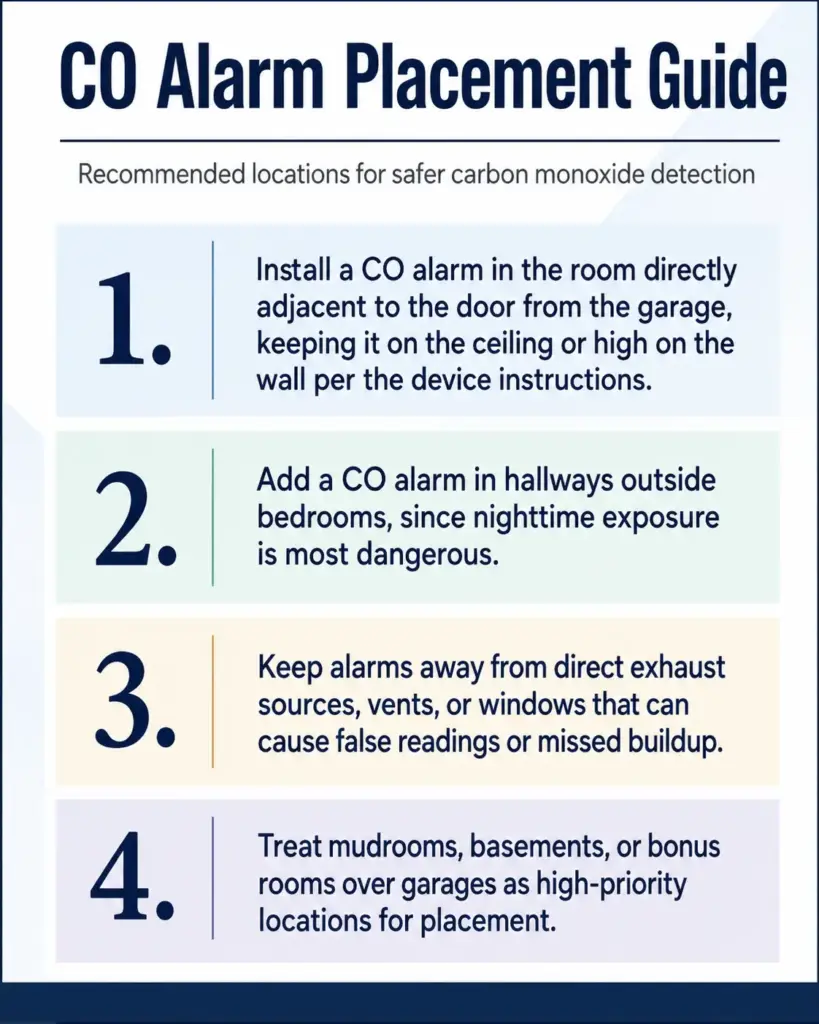
Even a briefly running vehicle can flood a garage with carbon monoxide, and attached spaces can carry that gas into the home through shared walls, doors, and ductwork. Because garages often have temperature swings, dust, and fumes, alarms are rarely recommended for installation inside them unless a manufacturer explicitly allows it. For attached garages, focus on early detection at pathways into living areas and on nearby sleeping zones.
Follow these special rules:
Frequently Asked Questions
How Often Should Carbon Monoxide Alarms Be Tested and Replaced?
Carbon monoxide alarms should be tested monthly and after power interruptions. Units are typically replaced every 5–10 years, depending on manufacturer guidance. Batteries should be replaced annually or when low-battery chirps occur, following local regulations.
What’s the Difference Between CO Alarms and COmbination Smoke/CO Alarms?
CO alarms detect only carbon monoxide, while combination smoke/CO alarms include separate sensors for both hazards in one unit. Combination models save space but require verifying each sensor type, power source, and replacement schedule.
Do Carbon Monoxide Alarms Work During a Power Outage?
Some carbon monoxide alarms work during a power outage, depending on their power source. Battery-only and battery-backup models continue operating, while hardwired units without backup stop. Regular battery checks guarantee reliable protection.
What Should I Do if My CO Alarm Goes off Unexpectedly?
If a CO alarm sounds unexpectedly, occupants should evacuate to fresh air, call emergency services, and avoid reentry until cleared. They should check for symptoms, seek medical care if needed, and have fuel-burning appliances inspected.
Are Plug-In CO Alarms as Reliable as Battery-Powered Models?
Plug-in CO alarms can be as reliable as battery-powered models if certified and properly maintained. However, they may fail during outages unless battery-backed. Battery-only units avoid outlet issues but require vigilant battery replacement and testing.
Conclusion
Proper carbon monoxide alarm placement improves early detection and reduces risk. The safest approach is to install alarms near sleeping areas, on every level of the home, and close to—yet not directly beside—fuel-burning appliances. Mounting height should follow the manufacturer’s instructions, and alarms should be kept away from vents, windows, and humid or dusty locations that can cause false readings. Extra care is needed for garages and attached spaces. Regular testing and timely replacement remain essential.