

Fire Alarm System Keeps Going Off: Repeated fire alarms should always be treated as a real emergency until proven otherwise. After confirming everyone’s safety and checking for smoke or heat, identifying whether the sound is a chirp, a beep, or a full alarm helps narrow down the cause. Common triggers include cooking smoke, steam, dust, insects, humidity, low batteries, or power-restoration resets. If alarms continue, show a trouble signal, or the source cannot be located, a qualified fire alarm professional should inspect, test, and verify code compliance.
Key Takeaways
- Treat every activation as real: evacuate immediately, close doors, and wait for an official all-clear before investigating.
- Identify the source at the fire alarm control panel, noting the zone/device ID and location from the zone chart for accurate troubleshooting.
- Eliminate common false triggers like cooking smoke, steam, dust, heat, humidity, and insects near detectors and notification devices.
- Address maintenance faults: replace low batteries, check for power-loss trouble beeps, and clean or service dirty or aging detectors.
- If alarms persist, call a licensed technician to test sensitivity, verify programming, coordinate monitoring test mode, and document compliance.
Fire Alarm Keeps Going Off: Safety Steps First
Why does my fire alarm keep going off unsystematically? Although a fire alarm that keeps going off is often triggered by steam, dust, or low batteries, it must be treated as a real emergency until proven otherwise. Everyone should stop what they’re doing, alert others, and move toward the nearest exit without delay. If smoke, heat, or an unusual smell is present, they should evacuate immediately, close doors behind them, and meet at a prechosen spot outside. No one should reenter until firefighters or building management give a clear all‑clear. If conditions appear normal, a quick check can still protect independence: verify that all occupants are safe, keep exits clear, and call emergency service if there is any doubt. In multi-unit buildings, residents should follow posted procedures and use stairs rather than elevators. Only after people are safe should troubleshooting begin, with the alarm silenced according to the manufacturer’s instructions if permitted. 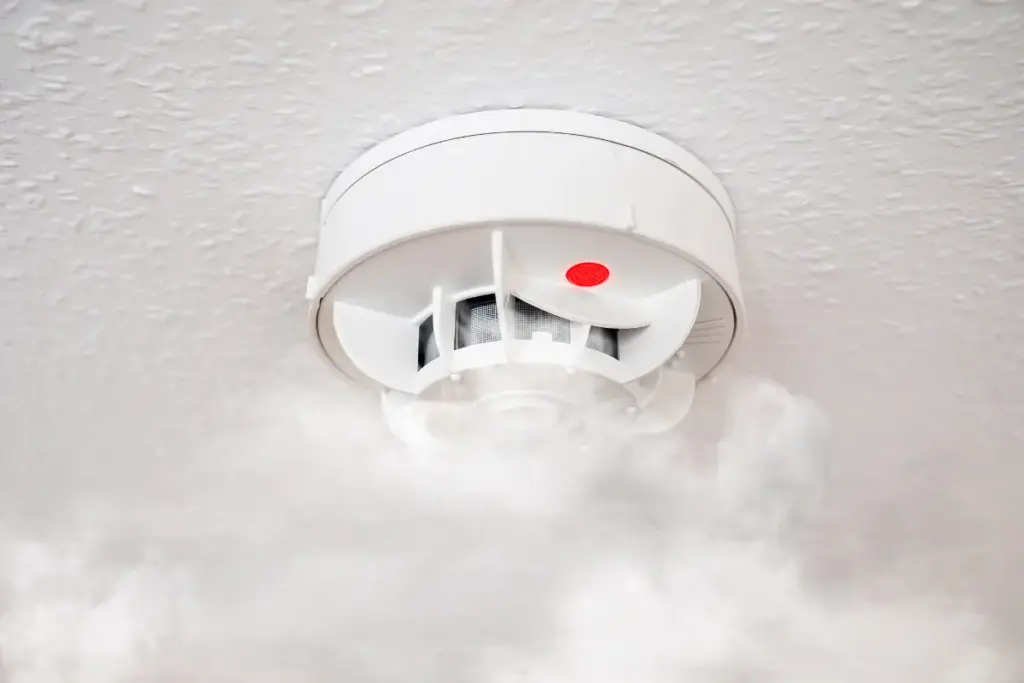
Is it Chirping, Beeping, or a Full Alarm?
Once immediate safety is confirmed, the next step is to identify the type of alert being heard, as different sounds indicate different problems. Fire Alarm System Keeps Going Off: A brief chirp every 30–60 seconds usually signals a low battery, end-of-life sensor, or minor maintenance fault. It is a reminder to restore normal operation on one’s own schedule, without unnecessary disruption. Intermittent beeping in patterns can indicate a trouble condition, such as loss of AC power, a disconnected battery in the control panel, a communication fault, or a dirty detector that requires cleaning. These alerts often continue until the issue is corrected, but they are not the same as an evacuation signal. A full alarm is typically a loud, continuous temporal pattern and may include strobes or voice messages. That sound implies an alarm condition or system-wide activation and should be treated as urgent until verified otherwise.
Find the Exact Device or Zone in Alarm
Where is the signal actually coming from? The fastest way to stop a runaway alarm is to identify the initiating device or zone shown on the fire alarm control panel (FACP). Read the display, then walk directly to that area instead of silencing blindly and surrendering control. If the panel uses LEDs, note the lit zone; if it’s addressable, record the device label and location text. Confirm the annunciator matches the main panel, then check the same point on the floor plan or zone chart inside the cabinet door.
| Panel clue | What to record | Next move |
| Zone LED lit | Zone number/name | Go to the zone map |
| Address message | Device ID/label | Locate the exact room |
| Trouble + alarm | Both codes/timestamps | Prioritize alarm point |
If multiple points appear, list them in order; repeated entries usually indicate the true origin. Capture photos for service without guesswork.
Fire Alarm Keeps Going Off: The Most Common Causes
When a fire alarm keeps sounding without an obvious fire, the cause is usually a predictable trigger either a real environmental condition (smoke, steam, dust, heat), a device problem (dirty or failing detector, damaged wiring), or a system issue (ground fault, power disturbance, programming error). Each category points to a different fix and determines whether occupants can safely reoccupy or must evacuate and call monitoring. Environmental triggers often include construction dust, aerosol sprays, and temperature swings near mechanical rooms or attics. Device issues manifest as intermittent alarms, random chirps, or repeated activations from the same detector, especially in older units with contaminated sensing chambers. System-level causes include loose terminals, moisture in junction boxes, induced voltage from nearby high-power equipment, or aging batteries in backup supplies. Control panels may also be misconfigured after renovations, resulting in zones being mapped incorrectly. Freedom-minded owners reduce false alarms by keeping equipment maintained, documentation current, and service access straightforward.
Stop Cooking and Steam Nuisance Alarms
Although many “false alarms” feel random, cooking fumes and steam are among the most frequent and preventable triggers, especially in kitchens with detectors placed too close to ranges, ovens, or dishwashers. Photoelectric sensors can react to heavy aerosolised grease, while steam from boiling water or a just-opened oven can mimic smoke long enough to trip the system. To reduce nuisance alarms without surrendering safety, improve ventilation first: run the range hood on high, open a window, and keep lids on pots when simmering. Create separation by relocating the kitchen-area alarm to the recommended distance from cooking appliances, or use an approved “kitchen-rated” detector where code allows. If the unit has a hush feature, use it as a temporary reset then address the source. For recurring incidents, adjust cooking practices (lower heat, avoid charring) and guarantee the hood exhausts outdoors.
Dust, Insects, Humidity: Common False-Alarm Triggers
Fire Alarm System Keeps Going Off: Beyond cooking fumes and steam, environmental contaminants routinely trigger nuisance alarms, particularly in areas with poor housekeeping or harsh conditions. Dust can enter sensing chambers and scatter light, mimicking smoke. Insects may nest inside devices, intermittently blocking optics or bridging contacts. High humidity and condensation can form conductive films, confusing detection thresholds, especially near bathrooms, laundry rooms, or unsealed exterior walls. Maintaining freedom from constant alarms means controlling the environment rather than “living with it”: keep covers on during renovations, seal gaps, and choose locations away from damp air paths and pest routes.
| Trigger | Why it trips | Practical prevention |
| Dust | Optical scattering | Vacuum, use covers in work |
| Insects | Obstruction/bridging | Screens, pest control, caulk |
| Humidity | Condensation films | Ventilation, relocate from damp zones |
| Corrosive air | Sensor drift | Avoid near chemicals, improve storage |
| Airflow debris | Particulate bursts | Adjust vents, add filters, clean ducts |
After a Power Outage: Resets, Batteries, and Troubles
After a power outage, fire alarm systems often show trouble indicators or begin chirping as panels reboot, devices re-enroll, and standby batteries reveal age-related weakness. Brief instability can trigger supervisory or low-battery signals until normal voltage and communication stabilise. In many systems, the backup battery carries the load during the outage; once utility power returns, weak cells may fail to recharge fully, and the panel reports trouble.
- A midnight chirp can feel like stolen sleep, turning a calm home into a cage of noise.
- A flashing trouble light can spark unease, as if safety depends on a temperamental machine.
- A sudden alarm after lights return can jolt nerves, making control feel out of reach.
To restore quiet, power-cycle only the affected device when allowed, confirm breakers are fully set, and allow charging time. Replace aging batteries with the specified type, and reseat loose wiring or detector bases.
When to Call a Fire Alarm Pro (Testing + Code)
Persistent trouble lights, repeated chirping, or unexplained alarms can signal more than a simple battery or reset issue and may require a licensed fire alarm professional. A pro can isolate ground faults, failing modules, or misprogrammed panels without risking a disabled system. Professional testing also supports independence: the building stays compliant, and occupants stay protected without guesswork. Professionally testing your fire alarm system ensures it remains compliant with safety regulations. For more on fire alarm inspections, visit The Health and Safety Executive (HSE) on fire safety
| Call a pro when… | Why it matters |
| Alarm recurs after reset | Indicates deeper fault, not user error |
| Devices show trouble or supervisory | May involve wiring, valves, or loop integrity |
| The system was modified or renovated | Codes often require verification and reprogramming |
| Annual testing is due | Documentation may be mandated by AHJ/insurer |
Codes and local AHJ rules can require sensitivity tests, pull-station verification, and inspection tags. If the system is monitored, a technician can coordinate test mode with the central station to avoid nuisance dispatch and fines. This preserves choice and control while meeting legal duties.
Frequently Asked Questions
How Often Should a Fire Alarm System Be Professionally Inspected and Certified?
Most fire alarm systems should be professionally inspected and certified at least annually, with quarterly or semiannual visits for higher-risk or code-driven sites. Local regulations and insurance terms ultimately decide, safeguarding occupants’ choices and property rights.
Can Fire Alarms Be Interconnected Between Different Brands or Models?
Fire alarms can sometimes interconnect across brands or models, but usually only within the same listed system or via compatible modules. Mixing unlisted devices risks unreliable signalling and voided approvals; certified installers preserve choice and safety.
What’s the Typical Lifespan of Smoke Detectors and Heat Detectors?
Smoke detectors typically last about 10 years, while heat detectors often last 10–15 years, depending on type and environment. It is recommended that they be replaced on schedule to protect occupants’ liberty through reliable, code-aligned warning.
Will a Fire Alarm System Trigger Sprinklers Automatically?
A fire alarm system generally does not trigger sprinklers; sprinklers activate individually from heat at each head. Some systems can release deluge or preaction valves after detection, preserving choice, oversight, and lawful control.
Can Pets Trigger Motion Sensors Linked to a Fire Alarm System?
Yes, pets can trigger motion sensors tied to a fire alarm system, especially older or poorly adjusted units. Pet-immune settings, proper mounting height, and sensitivity calibration reduce false alarms, preserving household autonomy and confidence.