



A standard boiler service usually takes 45–60 minutes, though older, larger or poorly maintained systems can take up to 90 minutes. The engineer typically inspects the exterior, flue and ventilation, then removes the casing to check, clean and test key components and safety devices. Heating and hot water may be off for part of the visit. Costs and timings vary with boiler type, age and access, and there is more to understand about what actually happens.
Key Takeaways
- A standard boiler service usually takes 45–60 minutes, but older or poorly maintained systems can take up to 90 minutes.
- Engineers inspect the exterior, flue, and ventilation, then remove the casing to check and clean key internal components.
- Expect short loss of heating and hot water during testing and cleaning, typically for 30–60 minutes on a combi boiler.
- Service time varies with boiler age, type, access, available records, and whether any faults are found during inspection.
- Allow a 1–2 hour appointment window in case additional checks, fault diagnosis, or difficult access extend the visit.
How Long Does a Boiler Service Take?
Typically, a standard boiler service takes between 45 minutes and 1 hour to complete, depending on the boiler’s type, age, and condition. This timeframe assumes an appliance that is easy to access and has been serviced regularly.
Older boilers, or those in poor condition, may need extra checks, pushing the visit closer to 90 minutes. The duration is also influenced by the fuel type and installation layout.
Gas combi boilers are usually quicker to assess than larger systems or regular boilers serving multiple zones or cylinders. Difficult access such as boilers in cramped cupboards, lofts, or behind boxing – can add time.
If faults are found, the appointment may extend further, especially when additional testing or part replacement is required. Homeowners are usually advised to allow a practical window of 1–2 hours in their schedule, giving the engineer enough time to complete the service safely and thoroughly. Further if you want your boiler work efficiently, read our blog post How to Maintain a Boiler to Make it Efficient?
What Happens During a Boiler Service?
During a boiler service, a qualified heating engineer performs a structured series of checks, tests, and adjustments to confirm the appliance is operating safely and efficiently. The process follows recognised industry standards and focuses on three key areas: visual inspection, internal cleaning and testing, and performance checks.
- Initial safety and visual check: The engineer inspects the boiler’s exterior, flue, ventilation, and surrounding area. They look for signs of corrosion, leaks, damage, or incorrect installation, and verify the flame’s appearance where visible.
- Internal inspection, cleaning, and component testing: The casing is removed (where safe to do so) to examine burners, heat exchanger, seals, and electrodes. Components are cleaned and tested, and gas connections are checked for tightness.
- Operational and efficiency testing: The engineer checks gas pressure, combustion with a flue gas analyser, and thermostat operation. They then confirm the correct operation of controls and record the findings on a service report.
What Affects How Long a Boiler Service Takes?
Although most routine boiler services follow a similar checklist, the actual time they take can vary based on several practical factors. The boiler’s age and condition are key influences: a newer, well‑maintained unit usually takes less time than an older appliance with worn parts or a history of faults. The type of boiler matters too—modern condensing combi boilers may be quicker to service than larger system or regular boilers with additional components.
Access plays a significant role. A boiler positioned in a cramped cupboard, loft, or cluttered area will slow the engineer down, while clear, safe access speeds things up. The availability of service records and previous paperwork can also shorten the visit, as the engineer quickly sees past issues and settings.
Finally, any problems discovered during checks such as leaks, error codes, or safety concerns can extend the appointment while they are investigated.
Will You Lose Heating or Hot Water During Your Boiler Service?
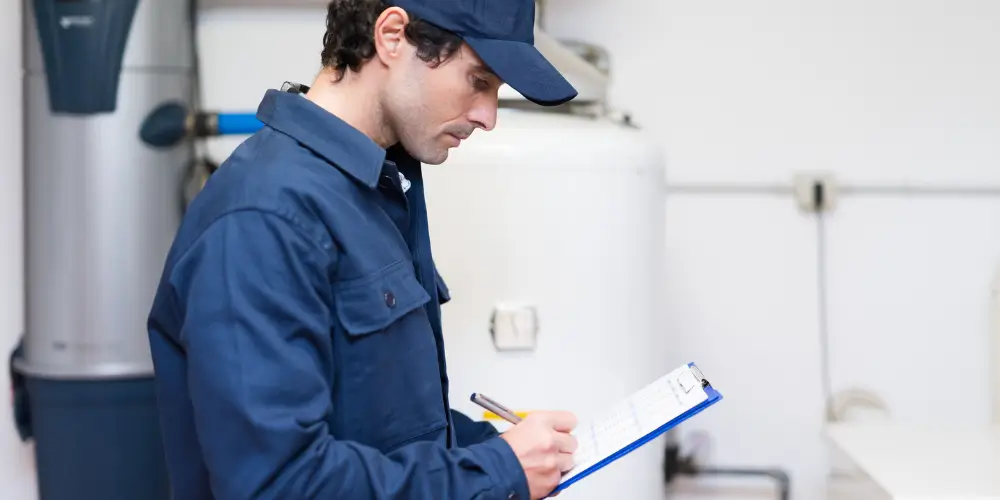
In most standard services, a homeowner will briefly lose either heating or hot water, or both, while the engineer works on the boiler. This happens because the boiler must be turned off and made safe before internal components are checked, cleaned, or tested. For most properties, this interruption is short and planned. Learn more about Boiler is working but no hot water – Fixing low flow rates.
Several factors influence what the homeowner actually experiences:
- Type of boiler system – With combi boilers, both heating and hot water usually go off together. System or regular boilers with a hot water cylinder may retain some stored hot water for a while.
- Length and depth of service – A routine annual service might disrupt supply for only 30–60 minutes, while investigations into faults can take longer.
- Season and preparation – In colder weather, engineers often schedule visits at off‑peak times and may advise homeowners to heat the house and run hot water in advance.
How Often Should You Service Your Boiler?
So how often should a boiler be serviced to stay safe, efficient, and compliant with warranty terms? In most cases, once every 12 months is recommended. An annual service allows an engineer to catch developing faults early, verify safe combustion, and keep the system running efficiently, which can reduce energy waste and unexpected breakdowns.
For new boilers, manufacturers usually make yearly servicing a condition of the warranty. Skipping a scheduled service can sometimes invalidate that cover, leaving the owner to pay for repairs that might otherwise have been included. Gas boilers, oil boilers, and LPG systems typically follow the same annual pattern, though older or heavily used boilers may benefit from more frequent checks if advised by a professional.
Landlords in many regions are legally required to arrange annual gas safety checks, which are often combined with a full boiler service for convenience and clear documentation.
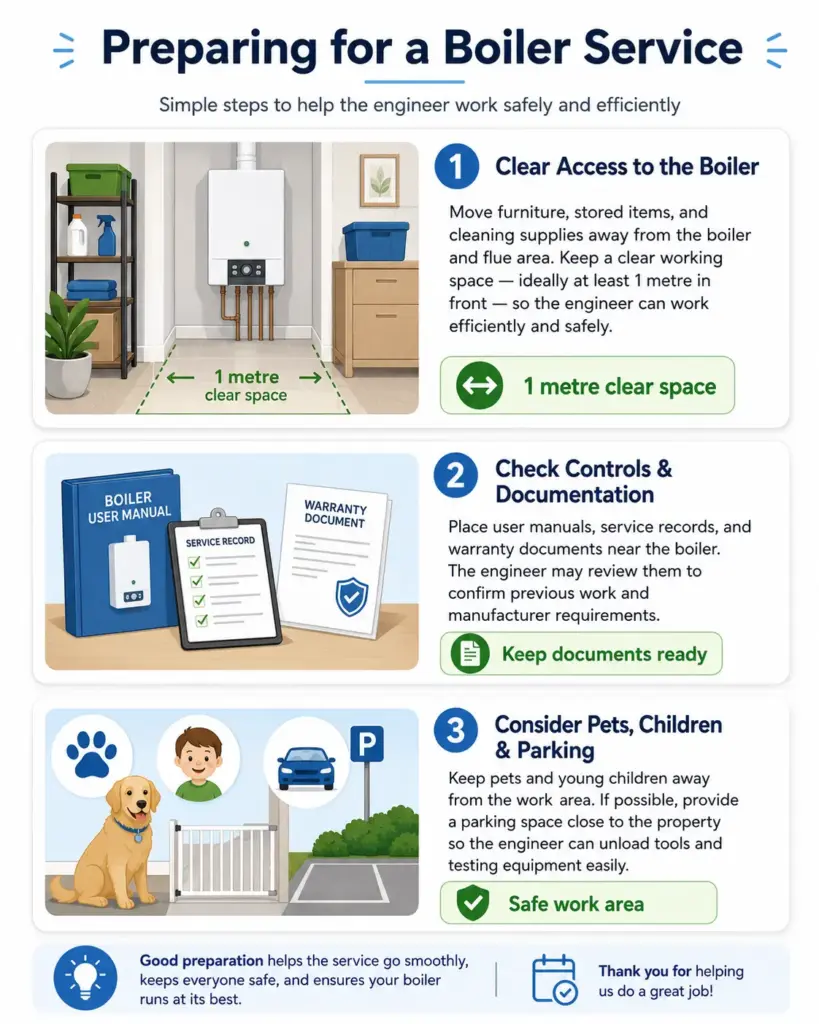
How to Prepare Your Home for Boiler Service
Before the engineer arrives, a little preparation helps the boiler service run smoothly and safely. Preparing the home properly can shorten the visit and allow the engineer to focus on thorough checks rather than basic access issues.
Signs Your Boiler Service Is Taking Too Long
Occasionally, a routine boiler service seems to drag on far longer than expected, raising doubts about whether the delay is reasonable or a warning sign. In most homes, a standard service typically takes around an hour, so considerably longer visits deserve closer attention.
A clear indicator is poor communication. If the engineer cannot explain why extra time is needed, or keeps changing their story, that may suggest disorganisation or inexperience. Repeated trips to the van for forgotten tools or parts can also signal a lack of preparation.
Another concern is excessive idle time: long periods where the boiler is off, yet no testing, cleaning, or checks seem to be happening. Constant phone calls unrelated to the job are similarly unprofessional. Finally, if basic checks are dragged out but no clear findings, test results, or recommendations are shared, the homeowner may reasonably question whether the service is being handled efficiently.
How Much Does a Boiler Service Cost?
After understanding how long a boiler service should reasonably take, many homeowners next want to know what they should expect to pay. Costs vary by region, boiler type, and what is included, but a standard annual service usually sits within a fairly predictable range.
In many areas, homeowners can expect something like:
- Standard annual service – Typically £80–£130 (or roughly $100–$180), covering basic safety checks, cleaning key components, and performance testing.
- High‑efficiency or complex systems – Condensing, system, or older boilers may require more time and specialist knowledge, often pushing costs toward the upper end of the range.
- Membership plans vs one‑off visits – Some choose a monthly care plan that includes an annual service and priority call‑outs; others prefer a single upfront payment.
Over several years, it can be useful to compare total spend rather than just the headline yearly fee.
How to Choose a Qualified Boiler Service Engineer
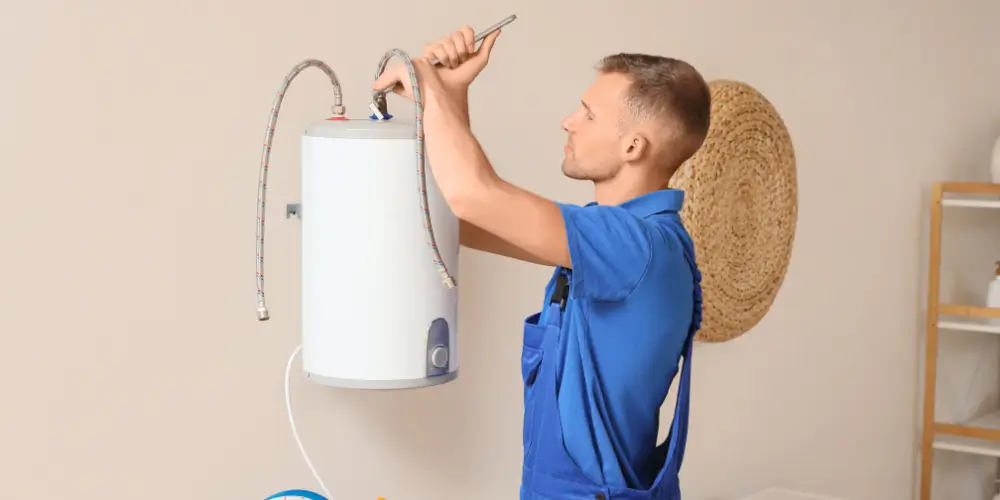
When arranging a boiler service, selecting a properly qualified engineer is as important as the service itself. A competent engineer helps guarantee the boiler runs safely, efficiently, and in line with manufacturer requirements, which can protect warranties and reduce long‑term costs.
First, the engineer should be correctly registered for the fuel type involved (for example, Gas Safe in the UK for gas boilers, or OFTEC for oil). Their identification card or registration number should be checked against the official online register.
Next, experience with the specific boiler brand and model is valuable, as it can shorten diagnosis time and improve service quality. Reading recent, independent reviews and asking for references gives additional reassurance about reliability and punctuality. Clear pricing, written quotes, and confirmation of what the service includes also indicate professionalism. Finally, valid public liability insurance and willingness to answer technical questions demonstrate a responsible, customer‑focused approach. Know How to choose company to get regular boiler services.
Frequently Asked Questions
Can a Boiler Service Improve My Energy Efficiency and Lower Gas Bills?
Yes. A boiler service can improve energy efficiency and lower gas bills by cleaning components, optimising combustion, checking controls, adjusting pressure, and identifying faults early, helping the boiler run more efficiently and waste less fuel overall.
Does an Annual Boiler Service Keep My Manufacturer’s Warranty Valid?
Yes, in most cases it does. Manufacturers typically require documented annual servicing by a qualified engineer to keep a boiler warranty valid. Missing services can void coverage, leaving the homeowner responsible for repair or replacement costs.
Is a Landlord Legally Required to Service Boilers in Rental Properties?
A landlord is legally required, in most jurisdictions, to service gas boilers annually for safety and compliance. Law typically mandates a yearly gas safety check, recorded on a certificate, ensuring tenants’ protection and validating insurance or warranty conditions.
Can a Boiler Service Detect Carbon Monoxide Risks Before They Become Dangerous?
Yes, a boiler service can often detect carbon monoxide risks early. The engineer checks combustion quality, flue integrity, ventilation, and safety devices, identifying faults or poor burning conditions that might lead to CO buildup before danger arises.
What Paperwork or Certificates Should I Receive After a Boiler Service?
They should receive a service checklist, safety inspection record, and, if gas‑fired, a Gas Safe (or equivalent) certificate. These documents confirm tests performed, results, any faults found, remedial actions, and whether the boiler is safe.
Conclusion
Regular boiler servicing is a quick, essential step in keeping a heating system safe, efficient and reliable. By understanding what happens during a service, how long it should take and how to prepare, homeowners can minimise disruption and avoid unexpected breakdowns. Choosing a qualified, registered engineer and scheduling annual checks protects warranties, lowers energy bills and offers peace of mind that heating and hot water will be there when needed most.