

Understanding the types of fire and corresponding fire extinguishers is essential for safety. Fires are classified into five categories: A (ordinary combustibles), B (flammable liquids), C (electrical), D (metal), and K (cooking oils). Each class requires specific extinguishing methods, such as water for Class A and foam for Class B. Effective usage of extinguishers, along with regular maintenance and planning, enhances safety. Further insights on fire safety practices and emergency preparedness await exploration.
Key Takeaways
- Fires are classified into five classes: A (ordinary combustibles), B (flammable liquids), C (electrical), D (metal), and K (kitchen fires).
- Selecting the right fire extinguisher depends on the fire class, with water for Class A and foam for Class B.
- Use the PASS technique: Pull the pin, Aim at the base, Squeeze the handle, and Sweep side to side.
- Regularly inspect fire extinguishers for charge and damage, and conduct annual professional maintenance for safety compliance.
- Familiarise occupants with escape routes and designate clear meeting points for effective emergency evacuations.
Understanding Fire Types and Their Extinguishers
Understanding the various types of fires is essential for effective fire safety management, as different fires require specific extinguishing methods. Fires can arise from various materials and environments, each posing unique challenges. For instance, fires fueled by flammable solids, liquids, or gases necessitate tailored extinguishing approaches.
Moreover, recognising the source of a fire allows individuals to choose the appropriate fire extinguisher. Water extinguishers may suffice for ordinary combustibles, while chemical agents are necessary for flammable liquids or electrical fires.
Awareness of these distinctions empowers individuals to act confidently in emergencies. Educating oneself about fire types not only enhances personal safety but also fosters a communal sense of responsibility.
Embracing this knowledge cultivates an environment where freedom from fire hazards flourishes, allowing individuals to navigate their spaces with assurance and skill. Consequently, understanding fire types and their extinguishers is a fundamental aspect of promoting safety and freedom in any setting.
Classifying Fire: What Are the Different Fire Classes?
Classifying fires into distinct categories is vital for selecting the appropriate extinguishing methods and ensuring safety. Fires are typically divided into five classes: Class A, B, C, D, and K. Class A fires involve ordinary combustibles such as wood, paper, and cloth, while Class B fires are fueled by flammable liquids like gasoline and oils. Class C fires arise from electrical equipment, and Class D fires involve combustible metals like magnesium and sodium. Finally, Class K fires are specifically associated with cooking oils and fats.
Understanding these classifications helps individuals identify the nature of a fire and respond effectively. Selecting the right firefighting approach is essential for minimising damage and safeguarding lives.
Fire Extinguishers 101: Types and Their Uses
Fire extinguishers are essential tools for combating fires effectively and can be found in various types, each designed for specific classes of fire. The most common types include water, foam, dry chemical, carbon dioxide (CO2), and wet chemical extinguishers.
Water extinguishers are suitable for Class A fires involving ordinary combustibles like wood and paper. Foam extinguishers effectively tackle Class B fires involving flammable liquids. Dry chemical extinguishers are versatile, addressing both Class A and B fires, while CO2 extinguishers are ideal for electrical fires and do not leave residue. Learn How CO2 extinguishers work.
Wet chemical extinguishers are tailored for Class K fires, primarily involving cooking oils and fats. Understanding these distinctions is crucial for ensuring safety and effective fire response.
Each extinguisher type offers unique benefits, empowering individuals to act decisively in emergencies. This knowledge fosters a sense of independence and responsibility in managing potential fire hazards. Learn the basics of fire extinguishers: Understanding Fire Extinguishers: Safe Operation, Training, and Risk Control.
Choosing the Right Fire Extinguisher
How can one select the appropriate fire extinguisher for their specific needs? The choice hinges on understanding the type of fire risks present in one’s environment. Each extinguisher is designed for specific classes of fires, making informed selection essential for safety and effectiveness.
- Identify Fire Risks: Assess the primary fire hazards in your area, such as electrical equipment, flammable liquids, or cooking materials.
- Select the Right Class: Choose an extinguisher based on the fire class: A (ordinary combustibles), B (flammable liquids), C (electrical), or D (metal fires).
- Consider Size: Evaluate the size of the extinguisher to guarantee it is manageable for the user while still being effective for the potential fire size.
- Check Maintenance Needs: Verify the selected extinguisher is easy to maintain and inspect regularly to assure reliability in an emergency.
Making the right choice empowers individuals to take responsibility for their safety and the safety of others.
Using a Fire Extinguisher Effectively
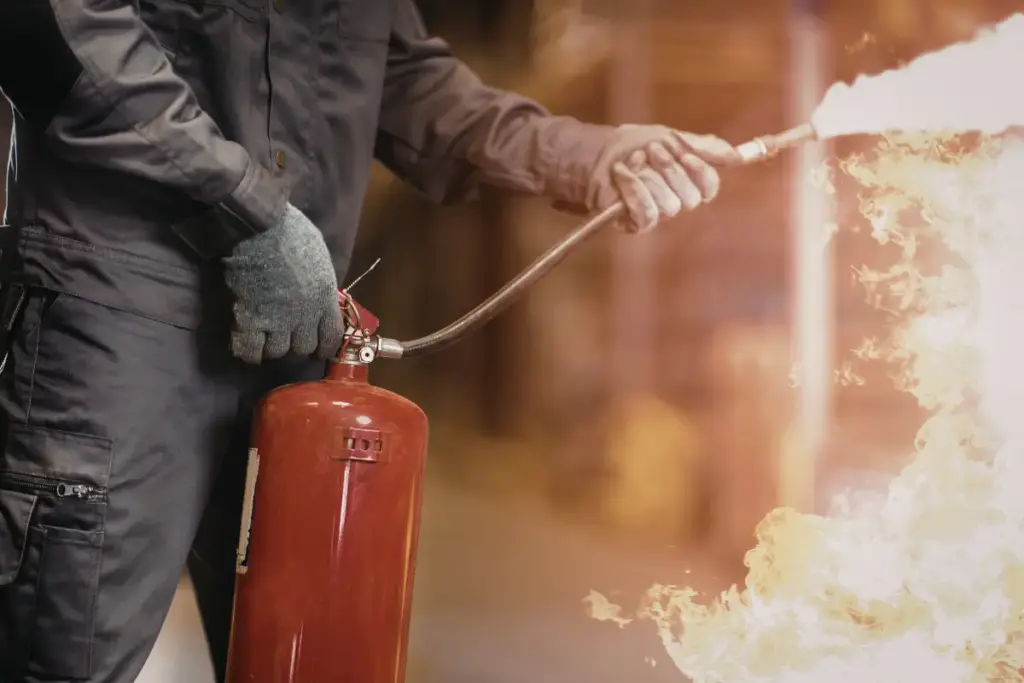
Selecting the right fire extinguisher is only the first step; knowing how to use it effectively is equally important. Familiarity with the PASS technique Pull, Aim, Squeeze, Sweep empowers individuals to respond confidently in emergencies. First, they should pull the pin to release the extinguisher. Next, aiming the nozzle at the base of the fire guarantees a targeted approach. Squeezing the handle releases the extinguishing agent, while sweeping side to side allows for even coverage.
Maintaining a safe distance typically 6 to 8 feet helps prevent injury. Individuals should always assess the situation, making sure the fire isn’t too large or spreading uncontrollably before attempting to extinguish it. If the fire escalates, retreating to safety is paramount. Regular practice and training enable individuals to act decisively, promoting a sense of empowerment in maintaining safety. Ultimately, understanding how to effectively use a fire extinguisher enhances personal freedom while guaranteeing preparedness in the face of danger.
Common Mistakes to Avoid With Fire Extinguishers
While understanding the proper use of a fire extinguisher is essential, many individuals make common mistakes that can hinder their effectiveness in an emergency.
These errors can lead to dangerous situations where quick action is crucial.
- Ignoring the Correct Type: Using the wrong extinguisher for the fire type can exacerbate the situation rather than control it.
- Lack of Familiarity: Not knowing how to operate an extinguisher can result in panic. Familiarity breeds confidence.
- Standing Too Close: Many people approach a fire too closely, risking injury. Maintaining a safe distance allows for better control.
- Neglecting to Assess the Situation: Rushing into action without evaluating the fire’s size and surroundings can lead to overwhelming danger.
Maintenance and Inspection of Fire Extinguishers
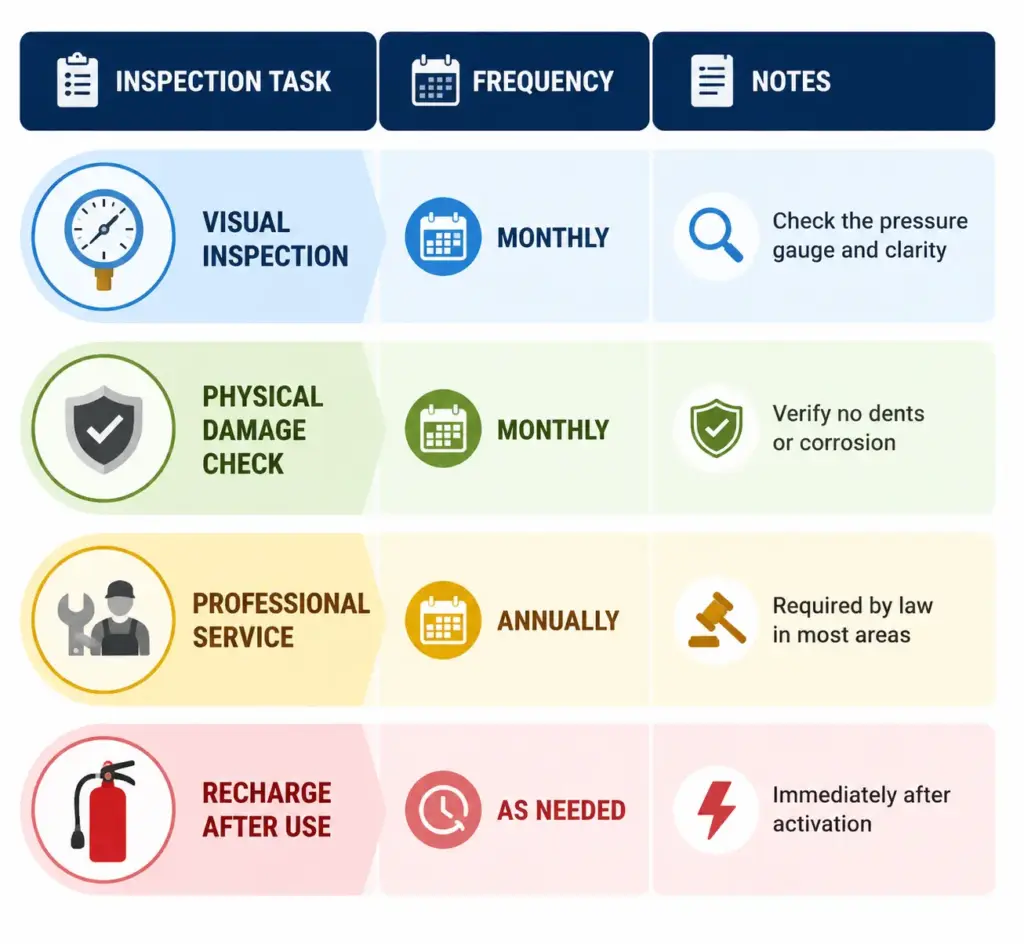
Proper maintenance and regular inspection of fire extinguishers are crucial for guaranteeing their functionality during emergencies. It is essential to conduct monthly checks to confirm that extinguishers are easily accessible, fully charged, and free of damage. Additionally, annual professional inspections are recommended to maintain compliance with safety regulations.
Fire Safety Tips for Home and Workplace
Fire safety is a critical concern in both homes and workplaces, as the potential for fire hazards exists in various forms.
Understanding and implementing effective fire safety tips can greatly reduce risk and enhance safety for individuals in these environments.
- Install Smoke Alarms: Confirm smoke detectors are installed in key areas and test them monthly to verify functionality.
- Maintain Clear Exits: Keep escape routes and exits free from obstructions to facilitate quick escapes during emergencies.
- Store Flammable Materials Properly: Store chemicals and flammable substances in designated areas, away from heat sources, to minimize risks.
- Create a No-Smoking Policy: Establish and enforce a no-smoking policy in designated areas to prevent accidental fires.

Preparing for Emergencies: Creating a Fire Safety Plan
Developing a thorough fire safety plan is crucial for guaranteeing the safety of all occupants in a home or workplace. A well-structured plan empowers individuals to respond effectively in case of a fire emergency. First, occupants should identify escape routes and verify they are clear and easily accessible. Regular fire drills can help familiarise everyone with these routes and reinforce the importance of quick action.
Additionally, it is essential to designate a meeting point outside the building where everyone can gather after evacuating. This practice minimises confusion and guarantees that all individuals are accounted for. Fire safety plans should also include the proper use of fire extinguishers and the importance of alerting emergency services.
Finally, maintaining open communication about fire safety, including reviewing the plan regularly, fosters a culture of preparedness. By prioritising these measures, individuals can embrace their right to safety and autonomy in their environment. Explore more about How to Manage Fire Safety within the Organization?
Frequently Asked Questions
How Often Should Fire Extinguishers Be Replaced?
Fire extinguishers should generally be replaced every 5 to 15 years, depending on the manufacturer’s guidelines and the type of extinguisher. Regular maintenance checks guarantee peak performance and safety in emergencies.
Can I Use Water on All Fire Types?
Water should not be used on all fire types. It is effective for ordinary combustibles but can worsen electrical or grease fires, leading to dangerous situations. Understanding fire types is essential for safe firefighting practices.
What Should I Do if My Extinguisher Is Empty?
If an extinguisher is empty, one should immediately evacuate the area, call emergency services, and seek a safe location. Replacing the extinguisher promptly guarantees readiness for any future fire emergencies, promoting safety and peace of mind.
Are Fire Blankets Effective for All Fires?
Fire blankets are effective for certain types of fires, particularly small ones involving cooking oils or fabrics. However, they should not be used on electrical or flammable gas fires, as their effectiveness is limited in those situations.
How Can I Teach Kids About Fire Safety?
To teach kids about fire safety, use engaging methods like storytelling, interactive games, and demonstrations. Emphasising the importance of escape plans, smoke alarms, and safe behaviors can empower them to understand fire safety effectively.
Conclusion
To summarise, understanding the various types of fires and the corresponding extinguishers is essential for effective fire safety. By familiarising oneself with fire classes and the appropriate extinguishing agents, individuals can make informed decisions about fire prevention and response. Regular maintenance and inspections of fire extinguishers, coupled with a well-prepared fire safety plan, can greatly enhance safety in both homes and workplaces. Ultimately, proactive measures and education are key to minimising fire-related risks and ensuring preparedness.