

When the question “Why is my fire alarm beeping?” comes to your mind, it typically signals specific concerns that require immediate attention. Common causes include a low battery, which requires timely replacement to ensure operational reliability. Dust accumulation on sensor components, environmental influences such as humidity or temperature variations, and the need for a system reset are other common factors. Electrical issues such as improper wiring or power surges also contribute to intermittent beeping. For safety, always maintain and promptly address any malfunctions indicated by a beeping alarm. Following expert guidelines can provide further insights into how to maintain and troubleshoot your fire alarm system effectively.
Key Takeaways
- Low battery power often causes fire alarms to beep, signaling the need for a battery replacement.
- Accumulated dust or debris can interfere with sensors, resulting in false alarms or beeping.
- Environmental factors such as high humidity or temperature fluctuations can trigger the alarm to beep.
- A reset may be required to stop the beeping; consult the user manual for specific reset instructions.
- Persistent beeping or false alarms might indicate a malfunction, necessitating professional inspection or repair.
Why Fire Alarms Produce Beeping Sounds Between
Environmental factors such as dust, debris, or even insects can interfere with the alarm’s sensors, leading to false alarms or periodic beeping. Such contaminants can block the smoke detector’s sensor chamber, which, in turn, disrupts its operation and triggers a beeping malfunction signal.
Additionally, humidity or extreme temperatures can also affect fire alarms. High humidity levels might cause condensation inside the detector, mimicking the conductivity of smoke and consequently, initiating the beeping. Similarly, temperature fluctuations can expand or contract the components within the alarm, potentially causing false triggers.
Regular maintenance, including vacuuming around the detector’s exterior and testing the unit according to the manufacturer’s instructions, can help mitigate these issues. It’s also critical to verify that fire alarms are positioned away from potential environmental hazards, such as vents, windows, or large appliances, to avoid intermittent beeping sounds that can compromise the system’s reliability and effectiveness. Learn more about How can you keep the fire alarm system in perfect condition?
Battery Replacement Warnings in Smoke Detectors
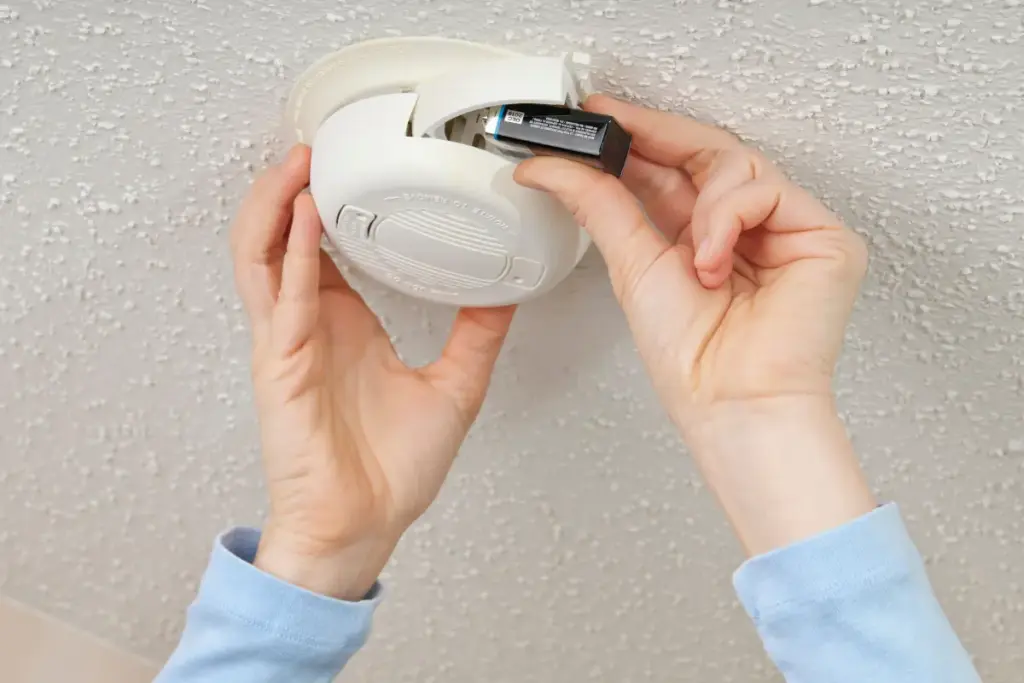
Another common reason for the intermittent beeping of fire alarms is the need for battery replacement. Most smoke detectors are equipped with backup batteries to guarantee functionality during power outages. These batteries, however, do not last indefinitely, and their depletion often triggers a distinct, periodic chirping sound that serves as an alert to replace them. Homeowners need to recognise this beep as a critical safety warning rather than a mere annoyance. Typically, smoke detectors will emit a short chirp every 30 to 60 seconds when their batteries are low. This pattern distinguishes it from the continuous alarm sound that indicates the presence of smoke or fire.
Manufacturers generally recommend changing the batteries in smoke detectors at least once a year. However, this can vary based on the battery type and detector model. Some modern detectors feature sealed, long-life batteries that can last up to 10 years, coinciding with the detector’s recommended replacement age.
Ignoring the warning beeps can lead to non-functional smoke detectors, which greatly increases the risk of undetected fires.
How Dirty Sensors Make the Fire Alarm Beep
Dust and debris accumulation on smoke detector sensors is another significant cause of intermittent beeping. Over time, particles like dust, pollen, and cooking residue can settle on the sensitive components of a smoke detector, particularly the sensors designed to detect smoke and heat. This buildup can interfere with the device’s ability to function properly, leading to false alarms or persistent beeping.
To address this issue, it is essential to clean the smoke detectors in your home regularly. This maintenance is not only a matter of wiping the exterior but involves carefully vacuuming around and inside the detector’s casing, according to the manufacturer’s instructions.
For many models, using a soft brush attachment on a vacuum cleaner can effectively remove particles from the sensors without causing damage. Furthermore, in environments where dust is prevalent, such as during home renovations or in certain industrial areas, more frequent cleaning might be necessary to prevent false alarms.
Electrical or Wiring Issues That Cause Fire Alarm Alerts
Electrical problems that might affect fire alarms include:
- Loose Wiring Connections: Over time, the connections in your fire alarm system can loosen. This can be due to temperature changes, vibrations, or simply aging infrastructure. Loose connections may intermittently disrupt the alarm’s power supply, causing it to beep or go off without actual smoke or fire.
- Overloaded Circuits: When too many devices are connected to the same power circuit, it can cause an overload. If your fire alarm shares a circuit with other high-power appliances, this might cause sufficient disruption to trigger a false alarm.
- Power Surges: Sudden spikes in the electrical supply can cause fire alarms to beep or sound off. These surges can damage the alarm’s internal components, leading to a malfunction.
Addressing these electrical issues not only guarantees the reliability of your fire alarm system but also enhances overall household safety.
How Interconnected Fire Alarm Systems Behave During Faults
Interconnected fire alarm systems, designed to enhance safety by linking multiple alarms across different locations within a building, exhibit specific behaviors when faults occur. These systems are structured to guarantee that any fault in one part alerts the entire network, thereby maximising safety and response time.
If a fault, such as a wiring malfunction or a sensor defect, occurs in one alarm, this issue can trigger other alarms in the network to sound off, even if there is no fire in those areas. This feature is vital because it prompts a building-wide check, guaranteeing that no actual fire goes unnoticed.
Moreover, some interconnected systems are equipped with diagnostic tools that identify and communicate the exact location of the fault to a central control panel. This allows maintenance personnel to quickly locate and address the issue, minimising downtime and reducing the risk of false alarms disrupting the occupants.
In addition, these systems often log fault occurrences, which can be significant for troubleshooting recurring problems or for historical safety audits. Explore how to test interconnected fire alarms (does every unit sound?).
When Battery Drawer Is Open
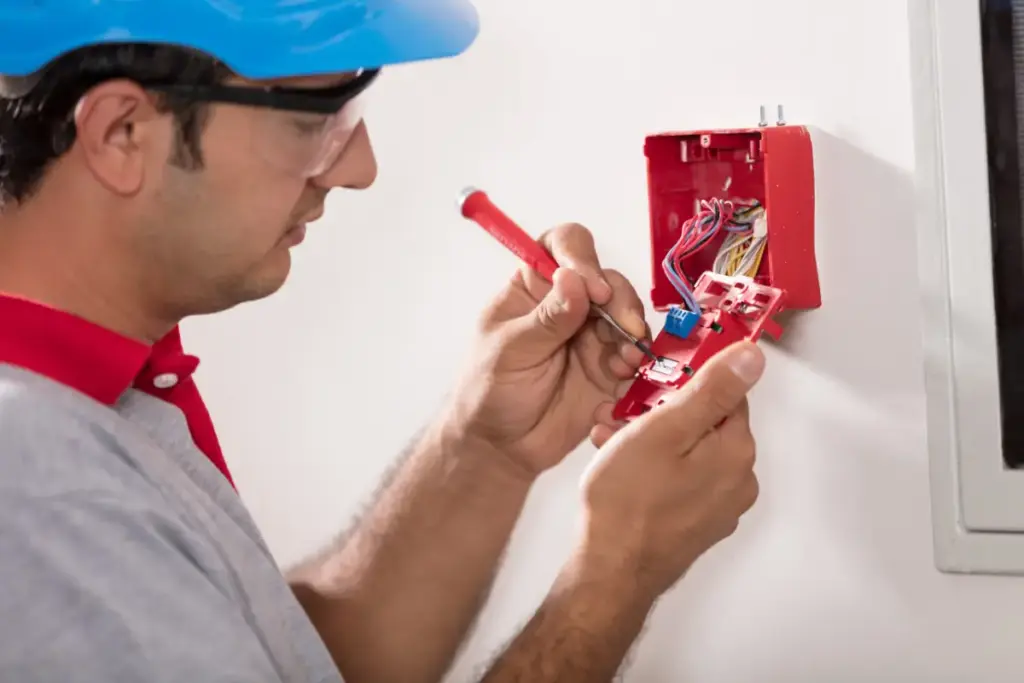
Security and reliability in fire alarm systems can be compromised when the battery drawer is left open, a situation that might seem minor but has significant consequences. This simple oversight can lead to a range of issues, primarily affecting the functionality and effectiveness of the fire alarm.
When the battery compartment is not securely closed, it can trigger intermittent beeping, which is both annoying and confusing. This beeping often signals a problem that needs immediate attention.
To understand and address this issue effectively, consider the following points:
- Interruption in Power Supply: An open battery drawer may cause loose connections or complete disconnection of the battery, disrupting the power supply. This interruption can cause the fire alarm to fail to operate during a critical time.
- False Alarms: Occasionally, an open battery drawer can trigger false alarms, causing unnecessary panic and undermining trust in the fire alarm system’s reliability.
- Safety Risks: Most critically, an unreliable fire alarm system compromises safety. In the event of a fire, a non-functional alarm caused by an open drawer could delay detection and response, increasing the risk to life and property.
When to Seek Professional Help for Fire Alarm Issues
Learning “Why is my fire alarm beeping?” and knowing when to call in a specialist is essential for maintaining both safety and functionality. Here are three key scenarios where professional assistance is necessary:
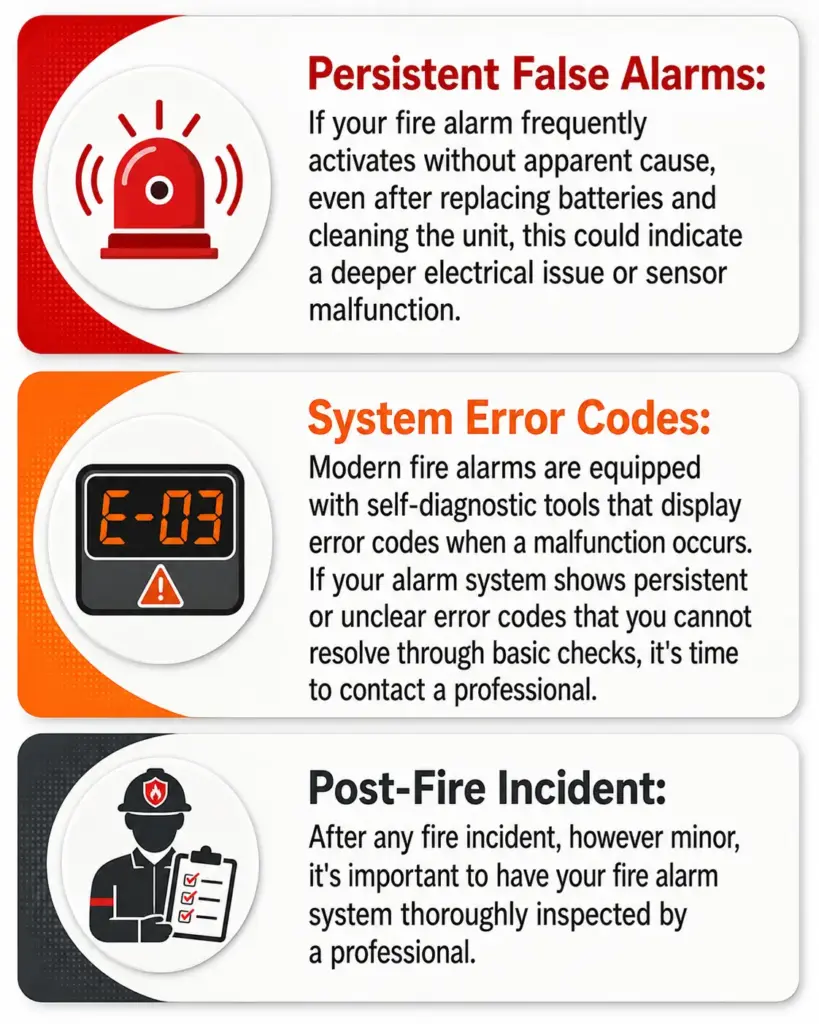
This confirms that all components of the system are functioning correctly and haven’t been damaged by smoke or heat.
If you need fire alarm inspection, contact our team at Landlord Safety Certificate.
Frequently Asked Questions
Can Humidity Affect My Fire Alarm’s Functionality?
Yes, high humidity can affect fire alarm functionality, potentially causing false alarms by mimicking smoke’s conductivity. It’s important to maintain ideal environmental conditions to guarantee the reliable performance of fire detection systems.
What Is the Lifespan of a Fire Alarm System?
The lifespan of a fire alarm system typically ranges from 8 to 10 years. However, this can vary based on the model and maintenance practices. Regular testing and replacement are essential for ideal functionality.
Are There Pet-Friendly Fire Alarms Available?
Yes, pet-friendly fire alarms are available. These devices minimize false alarms triggered by pets and ensure safety without unnecessary disturbances, tailored specifically for households with animals. They are recommended for pet owners.
How Often Should Fire Alarm Testing Be Conducted?
Fire alarm testing should be conducted monthly to guarantee functionality and safety. For commercial properties, a more frequent weekly test is advised, in accordance with local fire safety regulations and standards.
Can Paint Fumes Trigger My Fire Alarm to Beep?
Yes, paint fumes can trigger a fire alarm to beep. The particles in the fumes can be detected as smoke by the alarm’s sensors, leading to false alarms. Guarantee proper ventilation when painting indoors.
Conclusion
In summary, understanding “Why is my fire alarm beeping?” is important for maintaining safety and functionality in any building in the UK. Regular maintenance, including battery checks, sensor cleaning, and inspection of electrical systems, is essential. Awareness of how interconnected alarms function can prevent unnecessary concerns. Should these measures fail to resolve the persistent beeping, it is advisable to consult a professional to ensure that the fire alarm system operates effectively and safely.